
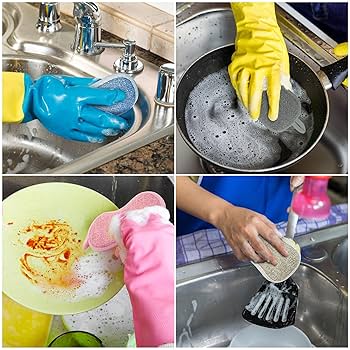
Your kitchen sponge works hard every day, cleaning up spills, scrubbing dishes, and wiping surfaces. But have you ever stopped to think about how clean your sponge really is?
If you don’t wash it properly, it can become a breeding ground for germs and bacteria—right in your own kitchen. You might be surprised how easy it is to keep your sponge fresh, safe, and ready to use. Keep reading to discover simple, effective ways to wash your kitchen sponges and protect your home from hidden contaminants.

Credit: sqwishful.com
Why Clean Kitchen Sponges Matter
Kitchen sponges are more than just tools for cleaning dishes; they play a crucial role in maintaining your kitchen's hygiene. If you don’t clean your sponges regularly, they can become breeding grounds for bacteria and germs. This not only makes your cleaning less effective but also puts your health at risk.
Think about the last time you used a sponge that smelled off or looked grimy. Would you want to use that to clean your plates or countertops? Keeping your kitchen sponges clean protects you from cross-contamination and helps ensure your kitchen stays safe and fresh.
Sponges As Bacteria Hotspots
Sponges stay damp and are full of tiny crevices, making them perfect places for bacteria to grow. Studies show that kitchen sponges can harbor more bacteria than a toilet seat. This includes harmful germs like E. coli and Salmonella, which can cause food poisoning.
Cleaning your sponge regularly can reduce these bacteria significantly, making your kitchen a safer place.
Impact On Food Safety
Using a dirty sponge to wipe surfaces or dishes can transfer harmful bacteria onto your food. This can lead to illnesses, especially if you’re preparing meals for children, elderly family members, or anyone with a weak immune system.
Keeping your sponges clean helps prevent the spread of foodborne pathogens and protects your loved ones.
Extending Sponge Life And Saving Money
When you clean your sponge often, it lasts longer and stays more effective. Dirty sponges break down faster and lose their scrubbing power, forcing you to replace them more frequently.
Regular cleaning saves you money by reducing the need to buy new sponges all the time.
Preventing Unpleasant Odors
Have you ever noticed a foul smell coming from your sponge drawer? That stinky odor is caused by bacteria and food residue trapped inside the sponge.
Cleaning your sponges stops bad smells before they start, keeping your kitchen smelling fresh and clean.
Common Germs In Kitchen Sponges
Kitchen sponges are breeding grounds for many germs. They stay wet and collect food particles. This makes them perfect places for bacteria and other microbes to grow. Knowing which germs live there helps you clean sponges better.
Escherichia Coli (e. Coli)
E. coli is a common bacteria found in raw food and feces. It can cause stomach cramps and diarrhea. Sponges can carry E. coli from raw meat or unwashed vegetables.
Salmonella
Salmonella causes food poisoning. It spreads through raw poultry, eggs, and meat. Kitchen sponges can hold this bacteria if not cleaned well.
Staphylococcus Aureus
This bacteria lives on skin and in noses. It can cause skin infections and food poisoning. Dirty sponges spread Staph germs easily.
Campylobacter
Campylobacter causes stomach illness and diarrhea. It comes from raw or undercooked poultry. Sponges can transfer this bacteria to other surfaces.
Mold And Yeast
Mold and yeast grow on damp sponges. They cause bad smells and can trigger allergies. Mold spores can also spread to kitchen surfaces.
Daily Sponge Care Tips
Proper daily care keeps kitchen sponges fresh and hygienic. They touch various surfaces and absorb bacteria. Regular maintenance can extend their life and reduce germs.
Rinse And Squeeze Properly
After each use, rinse the sponge with hot water. This helps remove food particles and soap residue. Squeeze it firmly to expel as much water as possible. A dry sponge is less likely to harbor bacteria.
Air Drying Techniques
Allow the sponge to air dry completely between uses. Place it on a rack or holder that allows air circulation. Avoid leaving it in the sink or a closed container. This helps prevent mold and bacterial growth.

Credit: www.youtube.com
Effective Sponge Cleaning Methods
Keeping kitchen sponges clean prevents bacteria growth and bad odors. Regular cleaning extends sponge life and keeps your kitchen safe. Use simple, effective ways to sanitize sponges at home. Choose a method that fits your routine and available tools.
Microwave Sanitizing
Wet the sponge thoroughly before microwaving. Place it in the microwave and heat on high for one to two minutes. Be careful when removing the hot sponge. This method kills most germs quickly using steam heat.
Dishwasher Cleaning
Put the sponge in the dishwasher’s top rack. Run a full cycle with hot water and detergent. The dishwasher’s heat and soap remove dirt and bacteria. Let the sponge dry completely after the cycle ends.
Soaking In Bleach Solution
Prepare a bleach solution with one tablespoon of bleach in one quart of water. Soak the sponge in the solution for five minutes. Rinse it well with clean water afterward. This method kills strong bacteria and viruses effectively.
Using Vinegar And Baking Soda
Sprinkle baking soda on the sponge first. Pour white vinegar over it to create a fizzing action. Let it sit for five minutes to break down grime. Rinse the sponge with warm water to remove residues.
How Often To Replace Kitchen Sponges
Replacing kitchen sponges regularly keeps your kitchen clean and safe. Sponges hold many germs because they stay wet and are used often. Knowing when to replace them stops bacteria from spreading.
Sponges used daily need replacement more often. Old sponges lose their cleaning power. They also become a breeding ground for germs.
Signs It’s Time To Replace Your Kitchen Sponge
- Bad smell that doesn’t go away after washing
- Visible wear, tears, or crumbling edges
- Persistent stains or discoloration
- Sponges feeling slimy even after rinsing
Recommended Replacement Frequency
- For regular kitchen use, replace every 1 to 2 weeks
- If used less often, replace at least once a month
- Replace immediately after cleaning raw meat or fish
Tips To Extend Your Sponge’s Life
- Rinse and squeeze out excess water after use
- Sanitize by microwaving damp sponge for 1-2 minutes
- Use different sponges for dishes and surfaces
- Allow sponges to dry fully between uses
Alternatives To Traditional Sponges
Traditional kitchen sponges can hold bacteria and wear out quickly. Many people seek safer and more durable options. Several alternatives help keep your kitchen clean and your hands safe.
Silicone Sponges
Silicone sponges resist bacteria better than regular sponges. They dry quickly and last much longer. These sponges do not absorb water or food particles. Cleaning silicone sponges is easy with soap and water or the dishwasher.
Reusable Cloths
Reusable cloths offer a flexible cleaning option. They come in soft or abrasive textures. These cloths can be washed in a machine after use. Using cloths reduces waste and keeps your kitchen fresh.
Natural Fiber Scrubbers
Natural fiber scrubbers use materials like coconut or hemp. They are biodegradable and gentle on surfaces. These scrubbers clean effectively without harsh chemicals. After use, they can be composted or recycled.
Preventing Sponge Odors
Kitchen sponges can quickly develop bad odors. This happens because they stay wet and trap food particles. Preventing these smells keeps your kitchen fresh and your sponge safe to use. Simple habits and proper care stop odors before they start.
Regular Cleaning Habits
Clean your sponge often to avoid bacteria build-up. Use these easy tips:
- Rinse the sponge well with hot water after each use.
- Squeeze out all excess water to help it dry faster.
- Microwave the damp sponge for one minute to kill germs.
- Soak the sponge in a mixture of vinegar and water for 5 minutes weekly.
- Replace sponges every two weeks or sooner if they smell bad.
Proper Storage Tips
Where and how you store your sponge affects its smell. Keep it dry and aired:
- Store the sponge in a holder that drains water well.
- Avoid leaving the sponge in the sink or on a wet surface.
- Keep the sponge away from other kitchen items to reduce bacteria spread.
- Allow the sponge to dry completely between uses by placing it upright.

Credit: tidyhere.com
Frequently Asked Questions
How Often Should I Wash Kitchen Sponges?
You should wash kitchen sponges daily to prevent bacteria buildup. Regular cleaning keeps them hygienic and extends their lifespan.
What Is The Best Way To Clean Kitchen Sponges?
Microwaving damp sponges for 1-2 minutes effectively kills germs. Alternatively, soak sponges in bleach or vinegar solutions for deep cleaning.
Can I Wash Kitchen Sponges In The Dishwasher?
Yes, placing sponges on the top rack of the dishwasher helps sanitize them. Use a hot water cycle for best results.
How Do I Dry Kitchen Sponges Properly?
Squeeze out excess water and air dry sponges in a well-ventilated area. Proper drying reduces bacterial growth and odors.
Conclusion
Washing kitchen sponges keeps your home clean and safe. Regular cleaning stops germs from spreading. Use hot water or a microwave to kill bacteria. Change sponges often to avoid bad smells. Clean sponges last longer and work better. Simple steps make a big difference in hygiene.
Keep your kitchen fresh with clean sponges every day. Small habits lead to a healthier home environment. Try these tips and see the improvement yourself. Clean sponges are easy to maintain and save money.