

Are you tired of spending extra time scrubbing dishes after every meal? Adding a dishwasher to your kitchen can change that.
Imagine freeing up your time and making cleanup faster and easier. But how do you add a dishwasher without turning your kitchen upside down? You’ll discover simple, clear steps to install a dishwasher yourself or know exactly what to ask a professional.
Stick with me, and you’ll soon enjoy a more efficient kitchen that works for you. Ready to transform your daily routine? Let’s dive in.
Choosing The Right Dishwasher
Choosing the right dishwasher is a crucial step before adding one to your kitchen. It’s not just about picking a model that looks good; you need to consider size, functionality, and how it fits your lifestyle. Taking time to evaluate these factors helps you avoid common mistakes and ensures your new appliance serves you well for years.
Types Of Dishwashers
Dishwashers come in various styles, each designed for different needs. Built-in models are the most popular, fitting seamlessly under your counter for a clean look. If you have limited space, countertop or portable dishwashers might be better options.
Consider drawer dishwashers if you want flexibility—they allow you to run smaller loads without wasting water or energy. Ask yourself: do you wash large pots frequently, or mostly dishes and glasses? Your answer will guide which type suits you best.
Measuring Your Space
Before buying, measure the available space carefully. Don’t just check width; measure height and depth too. Remember to leave some room for ventilation and door clearance.
Take note of where water and electrical connections are located. Moving these can add to your installation cost. Have you checked if your kitchen layout supports easy dishwasher placement?
Energy Efficiency Ratings
Energy-efficient dishwashers save money and reduce environmental impact. Look for models with an Energy Star label—they use less water and power without sacrificing cleaning performance. Some machines offer eco-friendly cycles that lower energy use further.
Compare the annual energy consumption listed on different models. A dishwasher with a higher upfront cost may pay off through lower utility bills. Could choosing an efficient model make a noticeable difference in your household expenses?

Credit: www.espares.co.uk
Preparing Your Kitchen
Preparing your kitchen before adding a dishwasher is essential to ensure a smooth and safe installation. Taking the time to check your kitchen’s setup can save you from unexpected hassles later. Let’s break down what you need to focus on to get your space ready.
Assessing Plumbing And Electrical Needs
First, check if your kitchen has the right plumbing connections for a dishwasher. You’ll need a cold water supply line and a drain line close to the installation area. If you don’t see these, you might have to hire a plumber to install them.
Next, look at the electrical setup. Dishwashers usually require a dedicated 120V outlet with a grounded circuit. If your kitchen doesn’t have this, an electrician may need to install one for safety and proper function.
Have you checked behind your cabinets or under the sink to see if these connections exist? This quick inspection helps you understand the work involved and plan accordingly.
Clearing The Installation Area
Clear out the space where the dishwasher will go. Remove any cabinets, drawers, or items that block access. This gives you enough room to work comfortably and prevents damage to your belongings.
Measure the space carefully to ensure your new dishwasher fits perfectly. Don’t forget to check the width, height, and depth, including clearance for door openings.
Imagine trying to squeeze a dishwasher into a tight spot without enough room—it can turn a simple task into a frustrating challenge.
Gathering Necessary Tools
Prepare all tools before you start installing. Common tools include:
- Adjustable wrench
- Phillips and flat-head screwdrivers
- Wire stripper and cutter
- Level
- Teflon tape
- Bucket and towels for water spills
Having everything ready saves time and keeps you focused. Missing one tool can cause delays and break your momentum.
Installing The Dishwasher
Installing a dishwasher might seem daunting, but breaking it down into clear steps makes the process manageable. Each part of the installation is crucial to ensure your appliance runs smoothly and efficiently. Let’s dive into the key tasks you’ll need to handle to get your dishwasher up and running.
Connecting Water Supply
Start by attaching the water supply line to your dishwasher’s inlet valve. Typically, this involves connecting a braided stainless steel hose to the hot water pipe under your sink. Make sure to use plumber’s tape on the threads to prevent leaks.
Don’t overlook checking the water valve for any corrosion or damage before connecting. Have you ever tried to fix a leak only to find it was caused by a worn-out valve? Avoid that hassle by inspecting this part early.
Hooking Up Drainage
The dishwasher needs a way to expel dirty water. Connect the drain hose to your sink drain or garbage disposal unit. It’s important to secure the hose with a clamp to prevent it from coming loose during operation.
Remember to create a high loop with the drain hose to avoid backflow of wastewater. This simple step can save you from unpleasant smells and potential water damage.
Wiring The Electrical Components
Before touching any wiring, ensure the power is off at the breaker. Your dishwasher will usually have a junction box for electrical connections. Connect the wires according to the color codes: black to black, white to white, and green or bare copper to ground.
If you’re unsure about electrical work, consulting a professional is worth it. An improper connection can lead to safety hazards or damage to your appliance.
Securing The Dishwasher In Place
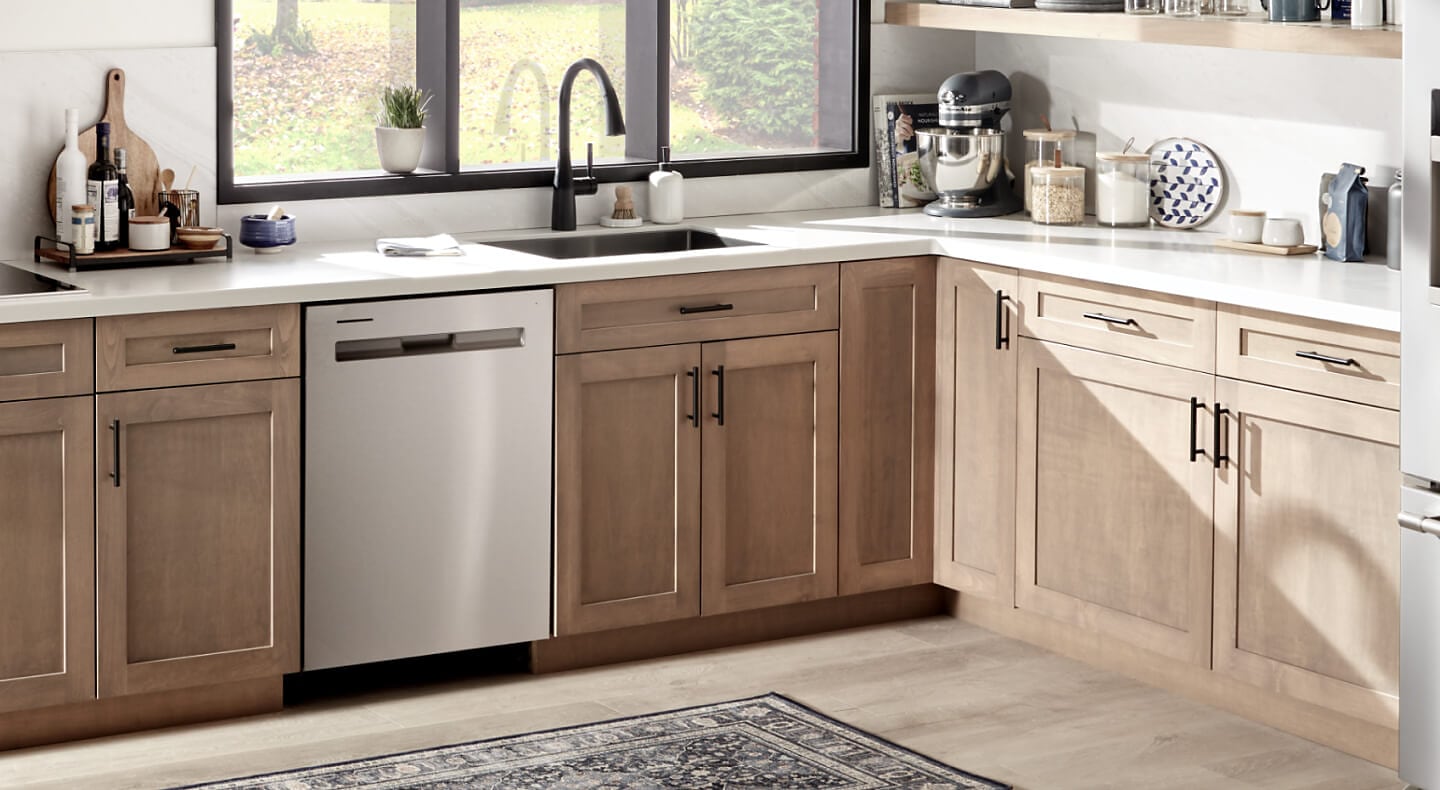
Once all connections are made, slide the dishwasher into its space carefully. Use the mounting brackets to fix it securely to the countertop or cabinetry. This prevents movement during cycles and keeps the appliance stable.
Check the alignment to ensure the dishwasher door opens smoothly without hitting adjacent cabinets. Small adjustments now can prevent bigger frustrations later.
Credit: www.maytag.com
Testing And Adjustments
After installing your dishwasher, testing and adjustments are key to ensure everything works smoothly. Skipping this phase can lead to leaks, poor cleaning, or even damage to your kitchen. Taking the time now saves you headaches later.
Running Initial Test Cycle
Start by running an empty cycle on your dishwasher. This lets you see if the machine powers on correctly and if water flows as expected. Pay attention to any unusual noises or error messages that might pop up.
During this test, check the spray arms to make sure they rotate freely and water sprays evenly. If you notice weak water pressure, it might be a sign of clogged filters or connection issues. This simple test gives you a clear picture of the dishwasher’s functionality right away.
Checking For Leaks
Leaks are a common problem after installation. Carefully inspect all water connections, including the inlet hose and drain pipe. Use a dry cloth to wipe around these areas while the dishwasher runs to catch any moisture early.
Don’t forget to peek under the unit and around the door seals. Even a small drip can cause water damage over time. If you find leaks, tightening connections or replacing faulty seals often solves the problem quickly.
Adjusting Settings For Optimal Performance
Your dishwasher has several settings like temperature, wash cycles, and drying options. Adjust these based on your typical load and water hardness in your area. Experiment with eco-friendly or quick wash modes to balance cleaning power and energy use.
Think about your daily routine—do you often wash heavily soiled pots or just light dish loads? Tailoring the settings to your needs improves cleaning results and extends the appliance’s lifespan. Have you noticed any settings on your dishwasher that dramatically improve performance? Try tweaking them and see how it changes your dishwashing experience.
Maintenance Tips
Adding a dishwasher to your kitchen is a game-changer, saving you time and energy. However, maintaining it is crucial to ensure it runs efficiently. Let's explore some essential maintenance tips that will keep your dishwasher in top shape for years to come.
Cleaning The Filter
The filter in your dishwasher can easily get clogged with food particles and debris. Regular cleaning is necessary to prevent this. Simply remove the filter, rinse it under warm water, and scrub gently with a soft brush. This simple step can significantly improve your dishwasher's performance.
Preventing Odors
No one wants a smelly dishwasher. To prevent odors, run an empty cycle with a cup of white vinegar on the top rack. This helps to eliminate any lingering smells and break down grease. Baking soda can also be sprinkled at the bottom of the dishwasher for an extra freshening boost.
Regular Inspection
Take a moment every few weeks to inspect the dishwasher's spray arms and door seals. Check for any blockages or signs of wear and tear. Are the spray arms rotating freely? Are the seals intact and clean? Catching these small issues early can save you from costly repairs down the road.
Maintaining your dishwasher doesn't have to be a daunting task. With these straightforward tips, you can ensure your appliance remains efficient and odor-free. What maintenance habit will you start today to extend your dishwasher's life?

Credit: www.espares.co.uk
Frequently Asked Questions
What Tools Are Needed To Install A Dishwasher?
You need a drill, screwdriver, adjustable wrench, plumber’s tape, and a level. Also, have a measuring tape and safety gloves for precise and safe installation.
How To Connect Dishwasher To Water Supply?
Attach the dishwasher’s water inlet hose to the hot water supply valve. Use plumber’s tape to prevent leaks. Ensure all connections are tight and secure before testing.
Where Should The Dishwasher Drain Hose Be Placed?
The drain hose must connect to the sink drain or garbage disposal. Position it higher than the dishwasher’s base to avoid backflow and ensure proper drainage.
Can I Install A Dishwasher Without Professional Help?
Yes, if you follow instructions carefully, have basic plumbing skills, and use proper tools. However, call a professional if unsure to avoid damage or leaks.
Conclusion
Adding a dishwasher to your kitchen saves time and effort. It fits well with most kitchen designs. You just need basic tools and some patience. Follow the steps carefully to avoid mistakes. A dishwasher keeps your dishes clean and dry.
It also helps reduce water use. This small change can make daily chores easier. Now, you can enjoy a more organized kitchen space. Start your project with confidence and good planning. Your kitchen will feel more modern and efficient.