
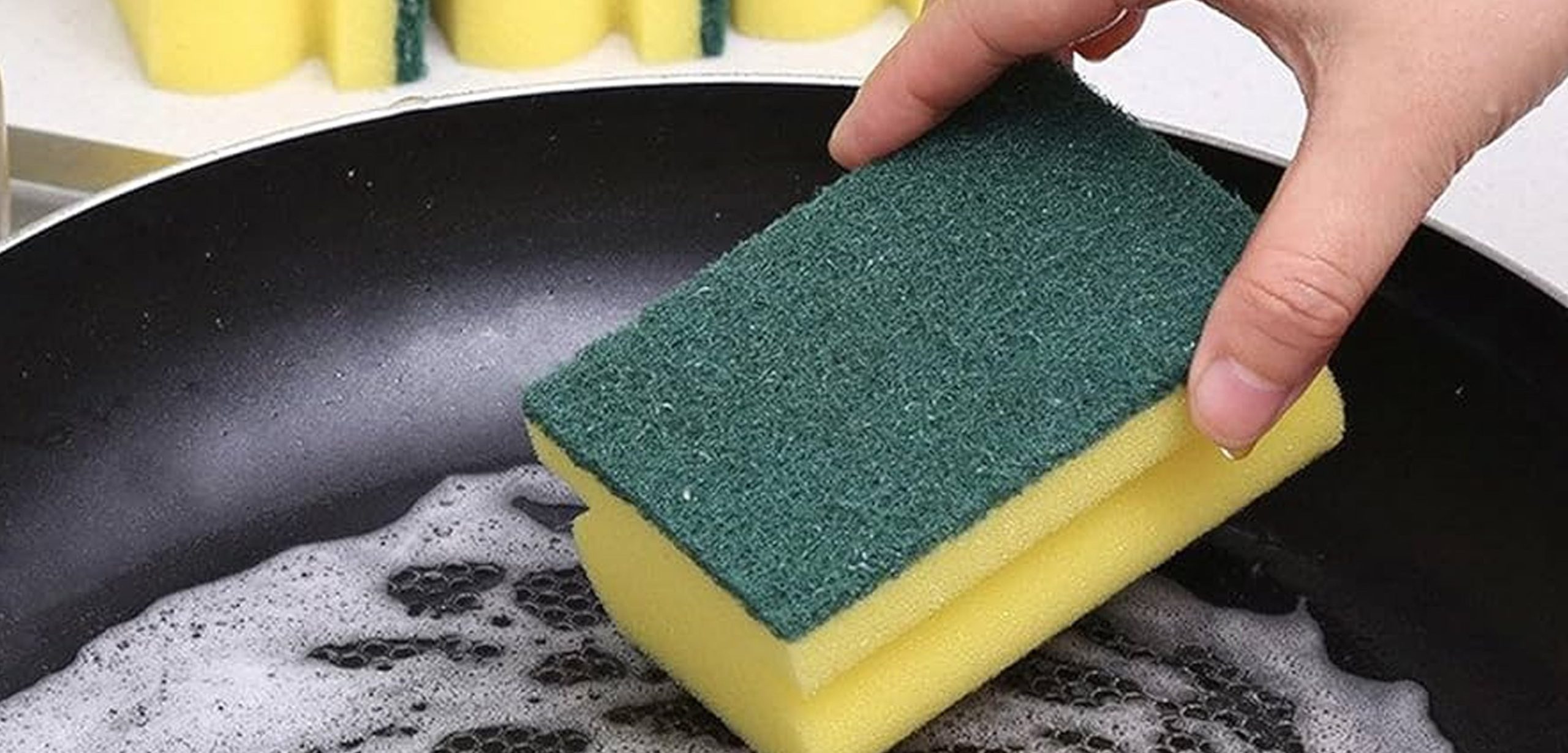
Have you ever stopped to think about what your kitchen sponge is really made of? You use it every day to clean your dishes, wipe down counters, and tackle tough messes.
But do you know what materials make it so effective—and safe—for your home? Understanding what goes into your kitchen sponge can help you choose the best one for your needs and keep your kitchen cleaner and healthier. Keep reading, and you’ll discover the surprising facts behind this simple household essential.

Credit: www.amazon.com
Common Sponge Materials
Kitchen sponges come in various materials, each with unique traits. These materials affect how sponges clean, last, and feel. Knowing common sponge materials helps you pick the right one for your needs.
Cellulose Sponges
Cellulose sponges are made from wood fibers. They absorb water well and feel soft. These sponges are biodegradable and break down over time. They clean dishes without scratching surfaces. Cellulose sponges dry faster than some others, reducing bacteria growth.
Synthetic Fibers
Synthetic sponges use materials like polyester or polyurethane. They often have a rough side for scrubbing tough stains. These sponges dry slowly but resist mold better than natural types. They last longer but are not biodegradable. Synthetic sponges come in many shapes and colors.
Natural Sea Sponges
Natural sea sponges come from the ocean. They have a unique texture and are very absorbent. These sponges are soft and gentle on delicate surfaces. They resist odors and bacteria naturally. Sea sponges are eco-friendly but can cost more. They need careful cleaning to last longer.
Eco-friendly Alternatives
Choosing eco-friendly kitchen sponges is more important than ever. Traditional sponges often contain synthetic materials that do not break down easily, adding to landfill waste. Switching to greener options helps reduce your environmental footprint while keeping your kitchen clean.
Biodegradable Options
Biodegradable sponges break down naturally, leaving no harmful residues behind. Many are made from plant-based materials like cellulose, cotton, or coconut fibers. These materials absorb water well and scrub effectively without releasing microplastics into your water system.
Have you ever noticed how some sponges start smelling bad quickly? Biodegradable sponges tend to resist odors better because they don’t trap bacteria as much as synthetic ones. Plus, after their life cycle, you can compost them in your garden, turning waste into nutrient-rich soil.
Reusable Sponge Types
Reusable sponges offer a smart alternative to disposable ones, saving you money and waste in the long run. Look for options made from durable materials like silicone or natural loofah. Silicone sponges are easy to clean and dry quickly, reducing bacterial growth.
Natural loofah sponges come from a plant and provide gentle scrubbing without scratching your dishes. You can wash and reuse them multiple times before composting. Switching to reusable sponges means fewer purchases and less plastic entering the environment.
Additives And Coatings
Kitchen sponges often contain additives like antimicrobial agents to reduce bacteria growth. Coatings help improve durability and resist odors during use. These materials keep sponges cleaner and last longer in the kitchen.
The humble kitchen sponge often hides a world of complexity beneath its simple appearance. Additives and coatings play a crucial role in enhancing the sponge's performance and durability, making it an indispensable tool in your kitchen. These enhancements can improve cleanliness, provide extra scrubbing power, and even extend the life of your sponge.
Antimicrobial Treatments
Many kitchen sponges come with antimicrobial treatments to prevent bacterial growth. These treatments help keep your sponge fresher for longer, reducing unpleasant odors and potential health risks. Imagine a sponge that stays clean and safe to use even after multiple washings—sounds appealing, doesn't it? Antimicrobial agents are often added to the sponge material during manufacturing. This process helps ensure that every fiber of the sponge contributes to its germ-fighting capabilities. When you choose a sponge with antimicrobial properties, you're taking an extra step toward maintaining a healthier kitchen environment.
Abrasive Layers
Sponges often feature abrasive layers designed for tackling tough stains and grime. These layers are typically made from materials like polyester or nylon. They add extra scrubbing power without damaging your surfaces. Ever struggled with a stubborn pot or pan that just wouldn't come clean? That's where the abrasive layer works its magic. It's like having a mini scouring pad right at your fingertips, making those challenging cleaning tasks a breeze. The next time you pick up a kitchen sponge, take a moment to appreciate the thoughtful design and technology that goes into its additives and coatings. Whether it's fighting bacteria or scrubbing away grime, these enhancements are quietly working to make your kitchen cleaning routine more effective.

Credit: oksponge.en.made-in-china.com
Health And Safety Considerations
Kitchen sponges are used daily for cleaning dishes and surfaces. Their materials and condition can affect your health. Understanding health and safety risks helps you choose and use sponges safely.
Material Toxicity
Some sponges contain synthetic chemicals. These chemicals may release harmful substances over time. Avoid sponges with strong chemical smells. Natural sponges are less likely to have toxic materials. Check labels for any warnings or ingredients.
Plastic-based sponges can break down and release microplastics. These small particles can contaminate food or water. Choose sponges made from safe, non-toxic materials to reduce risk.
Bacterial Growth Risks
Sponges stay wet and warm, perfect for bacteria growth. Bacteria multiply quickly in damp environments. This can cause unpleasant odors and health problems.
- Change sponges often to reduce bacteria buildup.
- Clean sponges regularly by microwaving or boiling.
- Allow sponges to dry completely between uses.
- Use separate sponges for raw meat and other foods.
Ignoring sponge hygiene can lead to foodborne illnesses. Proper care limits bacterial risks and keeps your kitchen safer.
Choosing The Right Sponge
Choosing the right kitchen sponge can make a big difference in your cleaning routine. Not all sponges are created equal, and picking one that fits your needs can save time and effort. Understanding what to look for helps you avoid sponges that wear out quickly or damage your dishes.
Durability Factors
Think about how often you clean and what kind of messes you tackle. Some sponges last longer because they use tougher materials or have reinforced layers. For example, cellulose sponges absorb a lot but may break down faster than synthetic ones.
Consider sponges with a scrubbing side if you deal with stubborn stains regularly. I once switched to a sponge with an abrasive side and noticed how much longer it lasted compared to the soft-only types I used before. Would you rather replace your sponge weekly or have one that stands up to daily use?
Suitability For Different Surfaces
Not every sponge works well on all surfaces. Using a harsh sponge on delicate glass or non-stick pans can leave scratches. Look for sponges labeled safe for specific surfaces to protect your cookware and dishes.
Soft sponges are ideal for everyday cleaning on fragile surfaces, while firmer or abrasive sponges suit pots and pans with stuck-on food. Have you ever ruined a pan’s coating by using the wrong sponge? Choosing wisely prevents that frustration and keeps your kitchenware in good shape.

Credit: www.airnex.store
Care And Maintenance Tips
Proper care and maintenance of kitchen sponges help keep them clean and safe. Sponges can harbor bacteria if not cleaned regularly. Regular cleaning extends their life and keeps your kitchen hygienic.
Cleaning Methods
- Rinse the sponge thoroughly after each use to remove food particles.
- Squeeze out excess water to prevent moisture buildup.
- Microwave the sponge for one to two minutes while wet to kill germs.
- Soak the sponge in a mixture of bleach and water for a few minutes.
- Place the sponge in the dishwasher during a hot cycle for deep cleaning.
- Allow the sponge to air dry completely in a well-ventilated area.
Replacement Guidelines
- Replace sponges every one to two weeks for optimal hygiene.
- Swap out sponges immediately if they develop a foul smell.
- Discard sponges that tear or break apart easily.
- Use different sponges for dishes and countertops to avoid cross-contamination.
- Keep spare sponges handy for quick replacement when needed.
Frequently Asked Questions
What Materials Are Kitchen Sponges Made Of?
Kitchen sponges are commonly made from cellulose, polyurethane foam, or synthetic fibers. Cellulose sponges come from wood pulp, making them biodegradable. Synthetic sponges use plastic polymers for durability. Some sponges combine materials for better absorption and scrubbing power.
Are Kitchen Sponges Biodegradable Or Synthetic?
Many kitchen sponges are synthetic, made from plastic polymers, and not biodegradable. However, cellulose sponges are biodegradable because they are made from natural wood fibers. Choosing biodegradable sponges helps reduce plastic waste and supports eco-friendly kitchen practices.
Why Do Kitchen Sponges Have Abrasive Sides?
The abrasive side of a kitchen sponge is made of rough synthetic fibers. It helps remove tough stains and food residues without scratching surfaces. This dual texture makes sponges versatile for cleaning various kitchen items efficiently.
Can Kitchen Sponges Harbor Bacteria?
Yes, kitchen sponges can harbor bacteria due to their moist, porous nature. Regular cleaning and replacing sponges frequently help reduce bacterial growth. Using microwave or dishwasher methods can sanitize sponges effectively.
Conclusion
Kitchen sponges come from different materials, like cellulose or synthetic fibers. Each type cleans in its own way. Knowing what sponges are made of helps you pick the right one. It also shows how they break down over time. Choosing the best sponge can keep your kitchen cleaner and safer.
Remember to change sponges often to avoid germs. Simple steps make a big difference in kitchen hygiene. Understanding sponges helps you take better care of your home.