

You love your KitchenAid mixer—it’s a trusty helper in your kitchen, making baking and cooking easier. But after a busy session, the cleaning part can feel like a chore.
You might be wondering, can your KitchenAid mixer go in the dishwasher? The answer isn’t as simple as yes or no. Knowing the right way to clean your mixer can save you time and protect your investment. Keep reading to discover what’s safe, what’s not, and how to keep your mixer looking and working like new.

Credit: www.amazon.ca
Kitchenaid Mixer Parts And Dishwasher Safety
KitchenAid mixers have several parts that need cleaning after use. Knowing which parts can go in the dishwasher keeps your mixer safe. Wrong cleaning methods can damage parts or reduce their life. Understanding dishwasher safety for each part saves time and effort.
Which Parts Are Dishwasher Safe
Some KitchenAid mixer parts are safe for dishwasher cleaning. These parts are usually smaller and made of durable materials.
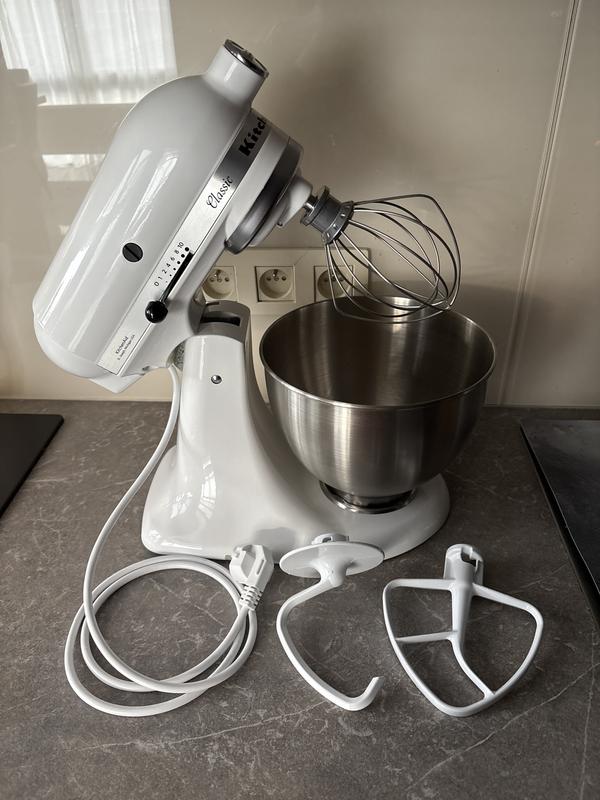
- Flat beater
- Wire whip
- Dough hook
- Pouring shield
- Mixing bowls made of stainless steel or glass
These parts can handle dishwasher heat and water pressure without damage. Place them on the top rack for best results. This reduces exposure to intense heat and prevents warping.
Parts To Avoid Washing In Dishwasher
Certain parts should never go in the dishwasher. These parts are fragile or have special finishes that can be damaged.
- The mixer body or base
- Plastic gears inside the mixer
- Metal attachments with painted or coated surfaces
- Electrical cords and controls
- Any parts with rubber seals or gaskets
Cleaning these parts with a damp cloth is safer. Avoid soaking or submerging them in water. This protects the mixer’s motor and electrical components.
Credit: www.kitchenaid.com
Risks Of Putting Mixer In Dishwasher
Many people wonder if it’s safe to clean their Kitchen Aid mixer parts in the dishwasher. While it might seem like a quick and easy option, there are some risks involved that you should consider before tossing your mixer attachments in with the dishes. Understanding these risks can help you protect your investment and keep your mixer working smoothly for years.
Potential Damage To Mixer Components
Dishwashers use high heat and strong water pressure, which can harm certain mixer parts. Plastic components, like splash guards or attachments, may warp or crack under intense heat. Metal parts, such as beaters or dough hooks, can lose their finish or even rust if exposed to harsh dishwasher detergents.
Have you ever noticed a change in how your mixer attachments fit or work after running them through the dishwasher? That could be due to subtle damage caused by the washing cycle. To avoid costly replacements, it’s safer to wash these parts by hand, especially if they aren’t labeled dishwasher-safe.
Effects On Mixer Finish And Coating
The mixer’s outer finish and coating are designed to look great and resist wear during normal kitchen use. However, the combination of strong detergents, high temperatures, and water jets in a dishwasher can dull or chip the paint and finish. Over time, this exposure might lead to rust spots or peeling, which not only ruins the appearance but can also expose the metal underneath to damage.
Think about how much you rely on your mixer’s look as part of your kitchen’s style. Would you risk damaging its sleek finish just to save a few minutes on cleaning? Hand washing with mild soap and a soft cloth often preserves both the function and the look of your mixer much better.
Proper Cleaning Techniques
Kitchen Aid mixer parts usually need hand washing to avoid damage. Detaching removable pieces and cleaning them gently keeps the mixer in good shape. Avoid putting the main unit in the dishwasher to protect its motor and finish.
Proper Cleaning Techniques Keeping your KitchenAid mixer in pristine condition not only extends its life but also ensures optimal performance. While it's tempting to toss every part into the dishwasher, this isn't always the best approach. Understanding the proper cleaning techniques can save you from potential damage and help your mixer last for years.
Hand Washing Best Practices
Hand washing is the safest method for cleaning your KitchenAid mixer's main body and attachments. Start by unplugging the mixer for safety. Use a damp cloth with a mild detergent to wipe down the surface, ensuring you reach all the nooks and crannies. Rinse the cloth thoroughly and wipe again to remove any soap residue. Dry with a clean towel to prevent any water spots or rust. Have you noticed how a little extra care goes a long way in keeping your appliances looking new?
Cleaning Attachments Safely
Attachments like the whisk, paddle, and dough hook usually bear the brunt of your culinary experiments. Check if they are dishwasher safe by consulting the manual. If unsure, hand wash them using warm soapy water. Avoid using abrasive scrubbers that can scratch the surface. Instead, opt for a soft sponge. For stubborn residues, soaking the attachments for a few minutes often does the trick. Once cleaned, ensure they're thoroughly dried before storing. Moisture can lead to rust, diminishing the quality of your accessories. Have you ever thought about how a small oversight, like not drying properly, could lead to bigger issues down the road?
Maintenance Tips For Longevity
Maintaining your Kitchen Aid mixer properly ensures it stays reliable and efficient for years. Simple habits can prevent damage and keep your appliance looking and working like new. Here are some practical tips to help you extend the life of your mixer.
Regular Care Routines
Clean your mixer after every use to avoid buildup of batter or dough. Use a soft cloth and warm, soapy water to wipe down the exterior and removable parts.
Avoid putting any part of the mixer, except detachable attachments, in the dishwasher unless the manual specifically says it is dishwasher-safe. This prevents corrosion and damage to sensitive components.
Check the beaters and attachments for cracks or wear regularly. Replacing worn parts promptly prevents strain on the motor and ensures smooth operation.
Storage Suggestions
Store your mixer in a dry, cool place to prevent rust and electrical issues. Cover it with a cloth or mixer cover to keep dust and crumbs away.
If you have limited counter space, consider dedicated shelves or cabinets where the mixer can stay plugged in but protected.
Have you ever noticed how leaving your mixer out in the open can make it look worn faster? Keeping it stored properly not only protects the machine but keeps your kitchen looking tidy.
Troubleshooting Common Issues
KitchenAid mixers are sturdy and reliable, but they can face common problems. Knowing how to troubleshoot helps keep them working well. Regular care prevents issues and extends the mixer's life.
Dealing With Stains And Residue
Mixers often get stains from food and batter. Clean the bowl and attachments right after use. Use warm, soapy water and a soft cloth to wipe down parts. Avoid harsh scrubbers that might scratch surfaces.
For stubborn residue, soak the attachments in warm water before cleaning. A paste of baking soda and water can help remove tough stains. Rinse thoroughly to avoid leftover cleaning material.
Fixing Minor Malfunctions
Sometimes the mixer may not start or work smoothly. Check if the mixer is plugged in properly. Make sure the speed control is set correctly and not stuck between settings.
Listen for unusual sounds during operation. Loose parts can cause noise or poor mixing. Tighten any loose screws or attachments carefully.
If the mixer overheats, turn it off and let it cool. Avoid running the mixer for long periods without breaks. This prevents motor damage and keeps performance steady.
Credit: www.kitchenaid.co.uk
Frequently Asked Questions
Can Kitchenaid Mixer Parts Go In The Dishwasher?
Only some KitchenAid mixer parts are dishwasher safe. Bowls and flat beater attachments usually are. Avoid putting the motor base or electrical parts in the dishwasher to prevent damage.
Is It Safe To Wash Kitchenaid Attachments In Dishwasher?
Yes, most stainless steel attachments like the dough hook and flat beater are dishwasher safe. Always check the user manual for specific cleaning instructions to avoid wear or rust.
How Do I Clean My Kitchenaid Mixer Properly?
Clean the mixer base with a damp cloth. Hand wash removable parts or place dishwasher-safe attachments in the top rack only. Avoid harsh detergents and soak attachments if needed.
Why Should Kitchenaid Motor Base Never Go In Dishwasher?
The motor base contains electrical components that water can damage. Dishwasher exposure risks short circuits and permanent damage. Always wipe the base with a soft, damp cloth instead.
Conclusion
KitchenAid mixers should not go in the dishwasher. The dishwasher can damage the motor and parts. Always wash attachments by hand with warm, soapy water. Dry them well before storing to avoid rust. Taking care of your mixer keeps it working longer.
Simple cleaning helps your kitchen tool stay safe and strong. Keep your mixer clean, but avoid the dishwasher. This way, you protect your investment and enjoy better baking.