
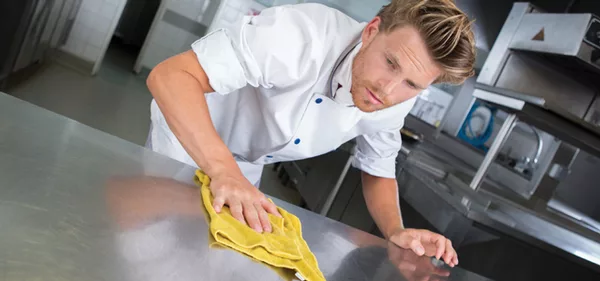
You’ve just finished a busy day in the kitchen, and now it’s time to clean and sanitize. But do you know why this step is so important?
Imagine your kitchen as the heart of your food operation—keeping it spotless protects your health, your customers, and your reputation. You’ll discover exactly how a food worker finishes cleaning and sanitizing the kitchen to ensure safety and hygiene every time.
Keep reading to learn the simple but powerful actions you can take to make your kitchen shine and stay safe.

Credit: weeverapps.com
Cleaning Vs Sanitizing
Understanding the difference between cleaning and sanitizing is crucial for anyone working in a kitchen. Both actions serve unique purposes and together they ensure a safe and healthy environment. If you've ever wondered why wiping down a surface isn’t always enough, this might clear up the confusion.
Key Differences
Cleaning removes visible dirt, grease, and food particles from surfaces. It uses soap or detergent and water to physically scrub away grime. Sanitizing, on the other hand, reduces the number of harmful bacteria and viruses to a safe level using chemicals or heat.
Think of cleaning as clearing the stage, while sanitizing is like making sure no invisible germs remain backstage. Without cleaning first, sanitizers may not work effectively because dirt can block their contact with germs.
Why Both Matter
Imagine finishing a long day in the kitchen and wiping the counters quickly with a damp cloth. You might feel it's clean, but is it truly safe? Sanitizing after cleaning is what actually kills the bacteria that can cause foodborne illnesses.
Skipping sanitizing can leave harmful microbes behind, putting your customers and coworkers at risk. So, ask yourself: Are you fully protecting your kitchen or just making it look clean? Both steps together keep your work area safe and your food trustworthy.

Credit: www.foodengineeringmag.com
Essential Cleaning Tools
Essential cleaning tools are vital for keeping a kitchen safe and spotless. A food worker depends on these tools to remove dirt, grease, and germs effectively. Using the right tools saves time and ensures thorough cleaning. This step helps prevent food contamination and promotes health.
Choosing The Right Supplies
Select tools designed for kitchen use. Look for items that resist chemicals and heat. Common supplies include:
- Scrub brushes with firm bristles
- Microfiber cloths for wiping surfaces
- Plastic or metal scrapers for stuck-on food
- Food-safe sanitizing sprays or solutions
- Buckets and mops for floors
Color-coded tools help avoid cross-contamination. For example, red for raw meat areas and green for vegetables.
Maintaining Tools For Hygiene
Clean tools after every use to stop bacteria growth. Rinse brushes and cloths with hot water and detergent. Let them air dry completely before storing. Replace worn or damaged tools quickly. Store supplies in a dry, clean place away from food.
Regular maintenance extends tool life and keeps the kitchen safe. It also helps food workers finish their cleaning tasks efficiently.
Step-by-step Cleaning Process
The food worker carefully cleans all surfaces, removing dirt and food particles. Next, sanitizing kills germs to keep the kitchen safe and healthy. Finally, the area is left spotless and ready for the next use.
Keeping your kitchen clean and sanitized is essential, especially for food workers who spend long hours in this environment. A systematic approach to cleaning ensures that no corner is overlooked and that hygiene is maintained at the highest standard. Let's explore a step-by-step cleaning process that will keep your kitchen sparkling and safe.
Pre-cleaning Tasks
Before diving into the cleaning, it's crucial to prepare. Clear all surfaces of food items and utensils to avoid contamination. Gather your cleaning tools such as sponges, brushes, and sanitizers. Make sure you have your protective gear on, like gloves and aprons, to protect yourself from harsh chemicals.
Effective Scrubbing Techniques
Scrubbing is where the magic happens. Use a circular motion for surfaces like countertops and cutting boards to dislodge food particles effectively. For stubborn stains, a sprinkle of baking soda can work wonders; just add a little water and scrub away. Remember to pay extra attention to high-touch areas like knobs and handles, which can harbor bacteria.
Rinsing And Drying
Rinsing is not just about washing away soap; it's about ensuring no residue remains. Use warm water to rinse surfaces thoroughly. Once rinsed, dry surfaces with a clean towel to prevent water spots and mold growth. Consider using a microfiber cloth for a streak-free finish on stainless steel appliances. By following these steps, you're not just cleaning; you're safeguarding the health of everyone who steps into your kitchen. What's your secret tip for maintaining a spotless kitchen?
Sanitizing Methods
Sanitizing the kitchen is a crucial step after cleaning to ensure all harmful bacteria and germs are eliminated. Different sanitizing methods offer unique benefits and are suited for various surfaces and situations. Understanding these methods helps you maintain a safe and hygienic kitchen environment effectively.
Chemical Sanitizers
Chemical sanitizers are widely used because they act quickly and are effective against a broad range of pathogens. Common examples include chlorine-based solutions, quaternary ammonium compounds, and iodine. Always follow the label instructions for concentration and contact time to ensure the sanitizer works properly.
Using chemical sanitizers requires careful handling to avoid skin irritation or damage to kitchen surfaces. I once saw a food worker rush through sanitizing without proper dilution, which left residues and an unpleasant smell. This reminds you to measure and rinse as needed, keeping safety and effectiveness in balance.
Heat Sanitizing
Heat sanitizing uses high temperatures to kill bacteria and viruses, often through hot water or steam. This method is commonly applied to utensils, cookware, and dishware in commercial kitchens. It’s a chemical-free option that many kitchens rely on for thorough sanitation.
Have you noticed how dishwashers use very hot water cycles? That’s heat sanitizing at work. It’s efficient and reduces chemical exposure, but remember that heat may not be suitable for all materials, especially plastics or delicate items.
Safe Application Practices
Sanitizing only works if applied correctly. Ensure surfaces are clean before applying any sanitizer to avoid trapping dirt or grease. Use clean cloths or disposable wipes and change them frequently to prevent cross-contamination.
- Wear gloves and protective gear when handling chemicals.
- Allow the sanitizer to remain wet on the surface for the recommended time.
- Store sanitizers in clearly labeled containers away from food.
Have you ever skipped rinsing after sanitizing and noticed a strange taste in food? That experience highlights why proper application and rinsing are vital. Your attention to these details safeguards both health and flavor.
Common Cleaning Mistakes
Cleaning a kitchen is not just about making surfaces look clean. It’s about removing germs and preventing foodborne illnesses. Many workers make common mistakes that reduce cleaning effectiveness. These errors can lead to unsafe kitchens and health risks.
Overlooking High-touch Areas
High-touch areas get dirty quickly and hold many germs. These include door handles, light switches, and faucet handles. Ignoring these spots allows bacteria to spread easily. Thorough cleaning of these areas is essential to keep the kitchen safe.
Cross-contamination Risks
Using the same cloth or sponge on different surfaces spreads germs. Cleaning raw meat areas and ready-to-eat food surfaces with the same tool is risky. Separate cleaning tools for each area stop cross-contamination. Always wash hands before switching tasks.
Incorrect Sanitizer Use
Sanitizers must be used at the right concentration and contact time. Too little sanitizer won't kill germs. Too much can leave harmful residues. Following label instructions ensures proper sanitizer use. Rinsing surfaces after sanitizing can remove harmful chemicals.
Time Management Tips
Managing your time effectively after cleaning and sanitizing the kitchen can make all the difference in maintaining a smooth workflow. You want to avoid feeling rushed or overwhelmed, especially when the kitchen demands constant attention. Smart time management helps you finish tasks thoroughly while freeing up moments to prepare for the next busy period.
Efficient Cleaning Schedules
Creating a cleaning schedule that fits your kitchen’s pace is key. Break down cleaning tasks into daily, weekly, and monthly actions to prevent buildup. This way, you avoid spending hours tackling everything at once.
Try to assign specific times for each task. For example, wiping down counters right after prep reduces mess later. Scheduling sanitizing during slower hours helps maintain hygiene without disrupting service.
Ask yourself: Are you setting realistic times for each cleaning duty? Overestimating your speed can lead to shortcuts that affect safety.
Prioritizing Tasks
Not all cleaning jobs carry the same urgency. Focus first on areas that impact food safety directly, like cutting boards and sinks. These spots demand extra attention to prevent contamination.
Use a checklist to track completed tasks and spot what needs immediate action. This method keeps you organized and helps avoid missing critical steps.
Think about what happens if you delay cleaning a greasy stove versus wiping down shelves. Which has a bigger impact on your kitchen’s operation and safety?
Health And Safety Guidelines
Health and safety guidelines are essential when cleaning and sanitizing a kitchen. These rules protect both you and everyone who will use the kitchen afterward. Following them strictly reduces the risk of contamination and accidents, ensuring a safe environment.
Personal Protective Equipment
Wearing the right personal protective equipment (PPE) is not optional; it’s a must. Gloves shield your hands from harsh chemicals and prevent germs from spreading. Safety goggles protect your eyes from splashes, especially when using strong sanitizers.
Think about how a simple pair of gloves stopped me from getting a nasty rash after accidentally touching a cleaning solution. PPE saves you from invisible dangers every day. Are you confident your gear is enough for the job?
- Always wear disposable gloves and change them frequently.
- Use masks if cleaning produces fumes or dust.
- Wear non-slip shoes to avoid falls on wet floors.
Proper Waste Disposal
Throwing away waste the right way is just as important as cleaning itself. Food scraps, used wipes, and empty chemical containers must go into designated bins. Mixing waste can cause contamination or attract pests, undoing all your hard work.
Once, I saw a colleague throw used gloves into a regular trash bin. That mistake risked spreading bacteria to others handling the waste. How do you handle your kitchen waste to keep it safe and tidy?
- Separate organic waste from recyclables and hazardous materials.
- Seal chemical containers before disposal to prevent leaks.
- Empty bins regularly to avoid overflow and odors.

Credit: www.foodengineeringmag.com
Maintaining A Clean Kitchen Routine
Maintaining a clean kitchen routine is essential for food safety and smooth operations. A tidy kitchen reduces the risk of contamination and ensures a pleasant work environment. Consistent cleaning habits make the kitchen safer and more efficient. Every food worker plays a key role in keeping the kitchen spotless.
Daily Cleaning Checklist
Daily cleaning keeps the kitchen ready for busy hours. Follow a checklist to cover all important areas. Wipe down counters and tables after each use. Clean and sanitize cutting boards to avoid germs. Sweep and mop floors to remove dirt and spills. Empty trash bins frequently to prevent odors and pests. Wash utensils and cookware immediately after use. Clean sinks and faucets to keep them shiny and germ-free. Check and clean food storage areas regularly.
Regular Deep Cleaning
Deep cleaning goes beyond daily tasks. Schedule it weekly or biweekly for thorough results. Clean behind and under appliances to remove hidden grime. Sanitize refrigerators and freezers by wiping shelves and walls. Degrease exhaust fans and vents to improve air quality. Scrub walls and ceilings to remove grease and dust buildup. Clean drains to prevent clogs and bad smells. Inspect and clean storage shelves, removing expired items. Deep cleaning helps maintain hygiene and prolongs kitchen equipment life.
Frequently Asked Questions
How Does A Food Worker Properly Clean The Kitchen?
A food worker cleans by removing all debris and wiping surfaces with detergent. They ensure all equipment is scrubbed and rinsed thoroughly before sanitizing.
What Are The Key Steps In Sanitizing A Kitchen?
Sanitizing involves applying approved chemical solutions to surfaces after cleaning. It kills harmful bacteria and prevents cross-contamination, ensuring food safety.
Why Is Cleaning And Sanitizing Important In Kitchens?
Cleaning removes dirt, while sanitizing kills germs. Both steps reduce foodborne illness risks and maintain a hygienic environment for food preparation.
How Long Should A Kitchen Worker Spend Cleaning And Sanitizing?
Time varies based on kitchen size but usually takes 30 to 60 minutes. Thoroughness is more important than speed to ensure safety.
Conclusion
A food worker finishes cleaning and sanitizing the kitchen with care. Clean surfaces stop germs from spreading. This keeps food safe for everyone. Regular cleaning helps prevent illness and accidents. A tidy kitchen also makes work easier and faster. Everyone benefits from a clean, healthy kitchen space.
Small actions make a big difference in safety. Stay consistent and keep the kitchen spotless. Safe food starts with a clean kitchen.