
Your kitchen sponge works hard every day, soaking up spills and scrubbing away messes. But did you know it can also harbor harmful bacteria that could affect your health?
Keeping your kitchen sponge clean isn’t just about hygiene—it’s about protecting you and your family. You’ll discover simple, effective ways to keep your sponge fresh and safe, making your kitchen a cleaner, healthier place. Ready to learn how? Let’s dive in.

Credit: sqwishful.com
Why Kitchen Sponges Harbor Germs
Have you ever wondered why your kitchen sponge, despite regular use, often smells unpleasant or feels slimy? The truth is, kitchen sponges create the perfect environment for germs to thrive. Understanding why these tiny cleaning tools harbor so many bacteria can help you take smarter steps to keep your kitchen healthier.
Moisture And Bacteria Growth
Kitchen sponges stay damp for long periods, which is exactly what bacteria need to multiply. The tiny holes and soft texture trap food particles and moisture, creating a cozy breeding ground. If you’ve ever left a sponge in the sink or on a wet countertop, you’ve unknowingly encouraged bacteria to grow.
Think about how often you rinse your sponge but leave it wet. That moisture doesn’t evaporate quickly, so bacteria get plenty of time to settle and multiply. Keeping your sponge dry between uses can make a huge difference.
Common Germ Types Found
Your kitchen sponge likely hosts more than just harmless microbes. Studies have found germs like E. coli, Salmonella, and Staphylococcuslurking inside. These bacteria can come from raw meat, vegetables, or unwashed dishes.
These germs don’t just stay on the sponge; they can transfer to your hands, counters, and even food. Imagine wiping your counter with a sponge full of Salmonella—would you risk contaminating your meals?
Risks Of Dirty Sponges
Using a dirty sponge can lead to foodborne illnesses and infections. If you have kids or elderly family members, the risks increase since their immune systems are weaker. Even if you’re healthy, constant exposure to these germs can cause stomach issues or skin infections.
Ask yourself: Is saving a few cents on sponges worth the potential health risks? Regularly cleaning or replacing your sponge is a small effort that protects your whole family.
Daily Sponge Care Habits
Keeping your kitchen sponge clean every day helps stop germs from growing. A clean sponge lasts longer and keeps your dishes safe. Simple daily habits make a big difference. These easy steps fit right into your routine.
Rinsing And Squeezing Out Water
Rinse the sponge thoroughly with hot water after each use. Remove any food bits stuck inside. Squeeze out all the water well. A dry sponge stops bacteria from growing quickly. Avoid leaving the sponge wet in the sink.
Proper Storage Techniques
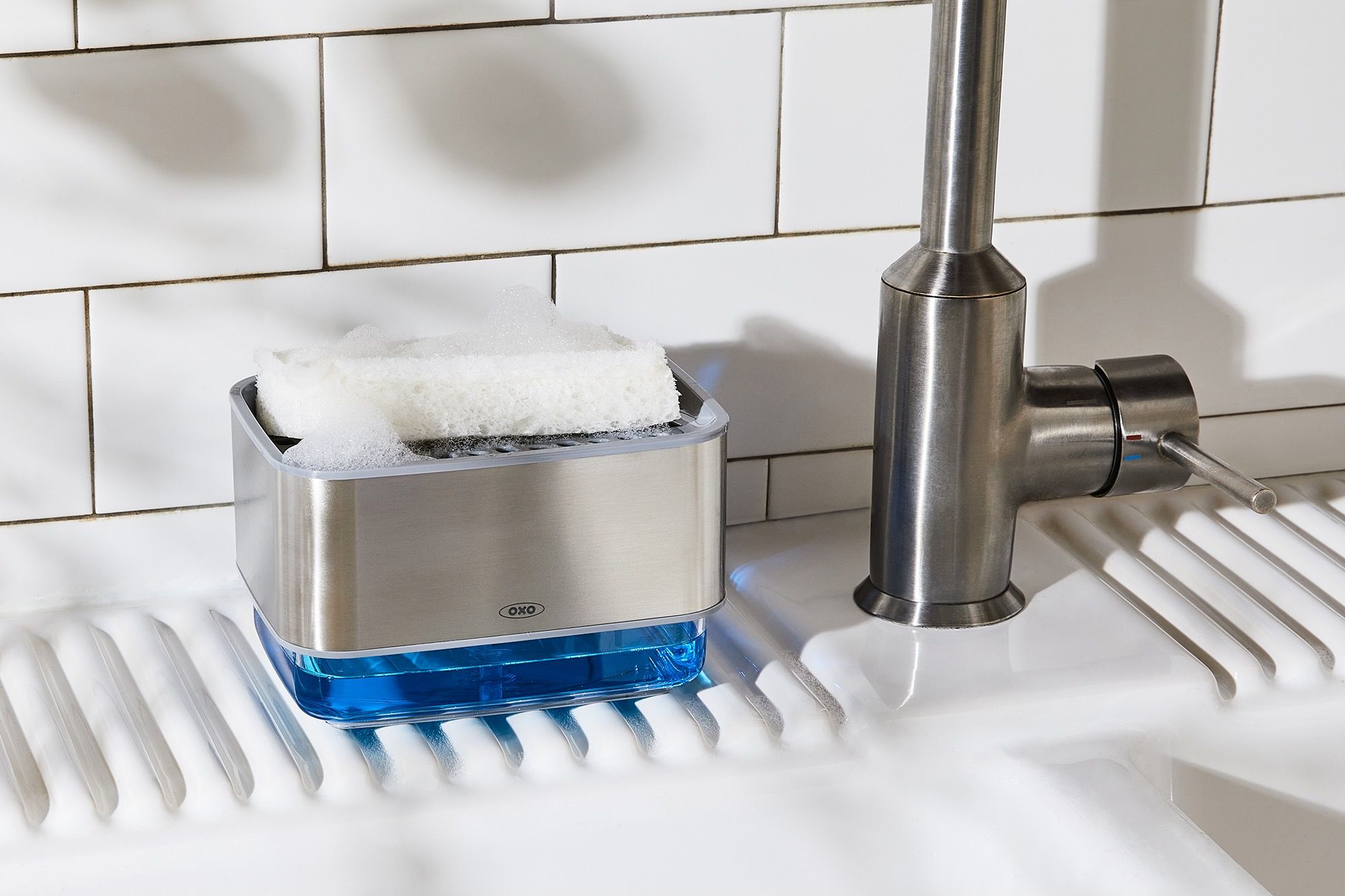
Store the sponge where air can reach it. Use a sponge holder or rack with holes. Keep it away from the sink’s wet surface. Let the sponge dry completely between uses. A dry place helps keep the sponge fresh and clean.
Frequent Sponge Replacement
Change your kitchen sponge often to avoid germs. Replace it every one to two weeks. Sponges get worn and full of bacteria over time. A fresh sponge cleans better and is safer. Mark the calendar to remember replacement dates.
Methods To Sanitize Your Sponge
Microwaving a damp sponge kills most bacteria quickly. Soaking it in vinegar or bleach also helps remove germs and keep it fresh. Regular cleaning prevents bad odors and keeps your kitchen safe.
Keeping your kitchen sponge clean is crucial for maintaining a hygienic kitchen environment. Sponges can harbor bacteria and germs if not properly sanitized. Fortunately, there are several effective methods to ensure your sponge stays fresh and safe. Below are some practical and easy ways to sanitize your sponge, so you can confidently keep them in your kitchen.
Microwave Disinfection
One of the quickest and most effective ways to sanitize your sponge is by using your microwave. Start by wetting your sponge thoroughly. Place the damp sponge in the microwave and heat it on high for about one to two minutes. This method kills bacteria with heat, making your sponge safe to use again. Just be cautious when removing it, as it will be very hot.
Boiling Water Method
Boiling your sponge is another simple method to eliminate bacteria. Bring a pot of water to a boil and submerge your sponge in it for about five minutes. This process kills bacteria through high heat exposure. You might be surprised how effective this old-school method can be. Always ensure your sponge is completely submerged for best results.
Dishwasher Cleaning
Did you know you can sanitize your sponge in the dishwasher? Place your sponge on the top rack of your dishwasher and run it through a hot wash cycle. The combination of hot water and detergent effectively sanitizes your sponge. This method is convenient since it allows you to clean your sponge along with your dishes. Just make sure your sponge is dishwasher-safe.
Bleach Soak Technique
For a deeper clean, a bleach soak can be incredibly effective. Mix a solution of ¾ cup of bleach in one gallon of water. Soak your sponge in this mixture for about five minutes. This technique is powerful for killing germs but should be used sparingly to avoid damaging the sponge. Ensure you rinse the sponge thoroughly afterward to remove any bleach residue. These methods are easy and require minimal effort, yet they can make a significant difference in your kitchen's cleanliness. Which method will you try first to keep your sponge bacteria-free?
Credit: www.huffpost.com
Alternative Cleaning Tools
Keeping your kitchen sponge clean is essential, but have you considered switching to alternative cleaning tools? These options can help reduce bacteria buildup and last longer, saving you time and money. Let’s look at some effective alternatives that might fit better into your cleaning routine.
Silicone Scrubbers
Silicone scrubbers are becoming popular because they don’t hold onto moisture like traditional sponges. This means less chance for bacteria to grow, making them more hygienic. Plus, they are easy to clean—just rinse and sometimes toss them in the dishwasher.
They’re also gentle on your dishes but tough on grease, making them perfect for everyday use. Have you tried one yet? You might find it surprisingly effective and long-lasting.
Reusable Cloths
Reusable cloths are another excellent alternative. Made from materials like microfiber or cotton, they can be washed and reused many times, reducing waste. You can pop them in the washing machine after a few uses to keep them fresh and clean.
These cloths dry quickly, which helps prevent bacteria buildup. They’re versatile too—you can use them for wiping counters, drying dishes, or even scrubbing pots and pans gently.
Natural Fiber Sponges
Natural fiber sponges, such as those made from cellulose or loofah, offer an eco-friendly alternative to synthetic sponges. They break down faster in compost but still provide good scrubbing power. Because they come from natural materials, they tend to dry faster and resist odors better than traditional sponges.
Keep in mind, though, they still need regular cleaning and replacement to avoid germs. Have you noticed a difference in how natural sponges perform compared to synthetic ones in your kitchen?
Tips To Minimize Sponge Contamination
Keeping your kitchen sponge clean is essential to prevent the spread of harmful bacteria. Minimizing sponge contamination not only keeps your dishes spotless but also protects your health. Here are practical tips to help you reduce germs and keep your sponge safer for everyday use.
Separate Sponges For Different Tasks
Using one sponge for all kitchen chores can spread bacteria quickly. Assign different sponges for washing dishes, cleaning countertops, and wiping spills. This simple habit limits germs from transferring between surfaces.
For example, I once used the same sponge for both raw meat cleanup and general dishwashing. It caused a bad smell and made me rethink my sponge usage. Since then, having multiple sponges labeled for specific tasks has made a noticeable difference in cleanliness.
Avoid Cross-contamination
Cross-contamination happens when bacteria move from one surface to another via your sponge. Always rinse your sponge thoroughly after each use, especially after contact with raw foods like meat or eggs. Avoid leaving it soaking in dirty water, as this creates a breeding ground for germs.
Think about this: how often do you wash your sponge compared to how frequently you use it? Taking a moment to clean your sponge can prevent unwanted bacteria from spreading in your kitchen.
Regularly Air-drying Sponges
Moisture encourages bacteria growth, so drying your sponge properly is crucial. After use, squeeze out excess water and place the sponge in a well-ventilated spot to air-dry. Avoid leaving it in the sink or closed containers where moisture can linger.
I've found that using a small rack or even a clip to hang the sponge speeds up drying time. This simple step keeps your sponge fresher and reduces foul odors.
Credit: www.discovermagazine.com
Frequently Asked Questions
How Often Should I Clean My Kitchen Sponge?
Clean your kitchen sponge at least once a week. Frequent cleaning prevents bacteria buildup and bad odors. For heavy use, sanitize every 2-3 days to keep it hygienic and safe.
What Is The Best Way To Disinfect A Kitchen Sponge?
Microwave your damp sponge for 1-2 minutes to disinfect it effectively. Alternatively, soak it in bleach or vinegar solution for 5 minutes. Both methods kill most germs and keep the sponge clean.
Can I Use A Dishwasher To Clean My Sponge?
Yes, place the sponge on the top rack of the dishwasher. Run a full cycle with hot water and detergent. This method kills bacteria and removes food particles effectively.
How Do I Dry My Kitchen Sponge Properly?
Squeeze out excess water after each use. Store the sponge in a dry, well-ventilated area. Avoid leaving it in a wet sink to prevent mold and bacteria growth.
Conclusion
Keeping your kitchen sponge clean helps stop germs and smells. Clean it often by rinsing and drying well. You can also soak it in vinegar or microwave it safely. Replace the sponge every few weeks to stay healthy. Small habits make a big difference in your kitchen.
A clean sponge keeps your dishes and hands safer. Try these tips to keep your kitchen fresh and hygienic. Easy steps, better results.