
Do your kitchen sponges start to smell bad quickly? That unpleasant odor can make cleaning feel like a chore.
But what if you could keep your sponges fresh and odor-free for much longer? You’ll discover simple, effective ways to stop your kitchen sponges from smelling. These easy tips will save you time, money, and frustration. Keep reading to learn how to make your kitchen sponges stay fresh and clean every day.
Causes Of Sponge Odors
Kitchen sponges often develop unpleasant smells. Understanding why this happens helps keep sponges fresh longer. The main causes of sponge odors include bacteria, food residue, moisture, and how sponges are stored. Each factor plays a role in creating bad smells.
Bacteria And Mold Growth
Bacteria grow quickly on damp sponges. They feed on tiny food bits left behind. Mold can also develop in wet areas. Both bacteria and mold produce strong, foul odors. Warm and moist conditions speed up their growth.
Food Residue And Moisture
Food particles trapped in sponges cause smells. Sponges hold moisture, creating a perfect environment for bacteria. Even small amounts of leftover food can start the odor process. Wet sponges that are not cleaned well smell worse over time.
Improper Storage
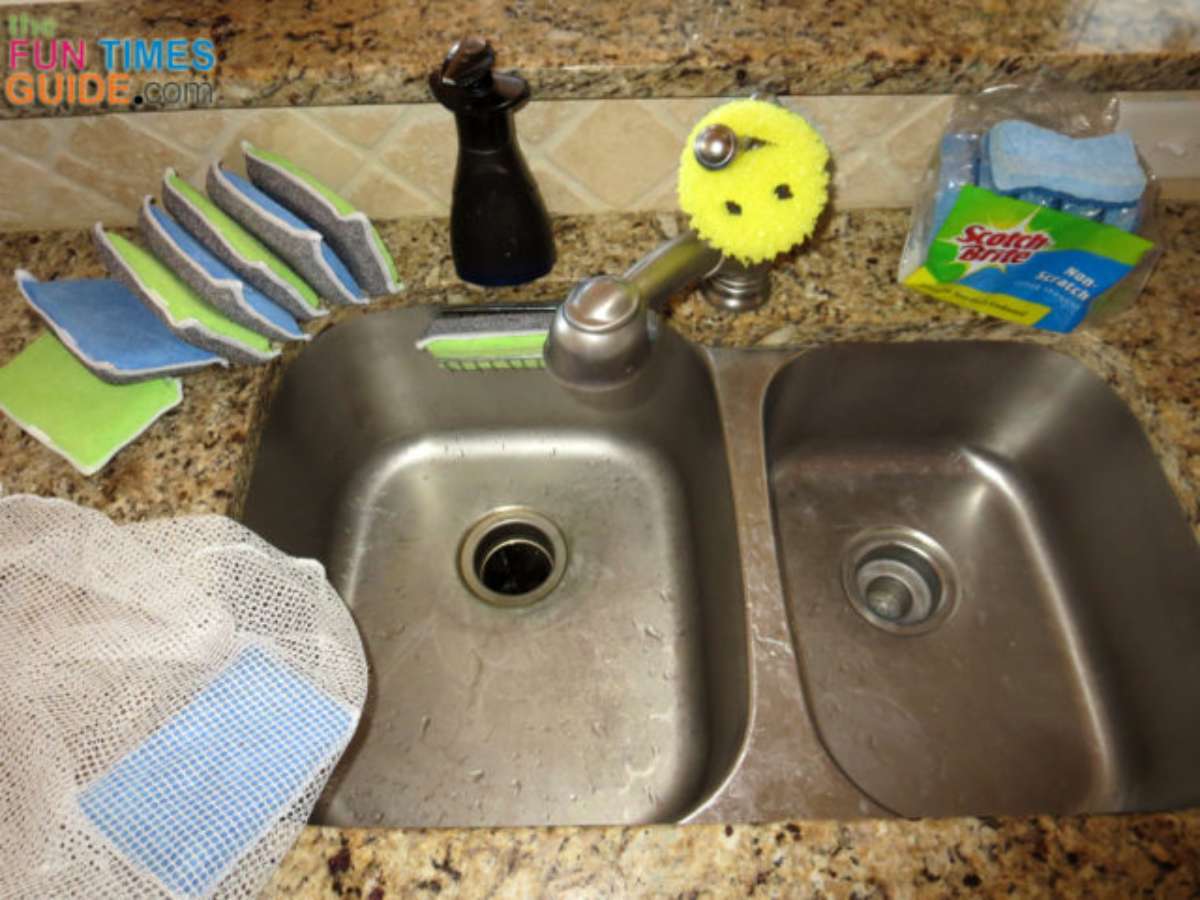
Leaving sponges in sinks or closed containers traps moisture. This prevents drying and encourages bacteria growth. Storing sponges in dark, damp places worsens the smell. Proper air circulation helps keep sponges dry and odor-free.

Credit: household-tips.thefuntimesguide.com
Daily Sponge Care
Keeping your kitchen sponge fresh every day is simpler than you might think. Small, consistent habits can prevent odors and keep your sponge ready for the next use. Your daily care routine plays a huge role in stopping smells before they start.
Rinsing And Squeezing
After each use, rinse your sponge thoroughly under hot water. This helps wash away food particles and soap residue that cause odors.
Don’t just rinse—squeeze out as much water as possible. A damp sponge invites bacteria, but a nearly dry one slows their growth. Have you noticed how a soggy sponge smells worse faster?
Air Drying Techniques
Place your sponge in a spot where air circulates freely. Avoid leaving it in the sink or a closed container where moisture gets trapped.
Try using a sponge holder with drainage holes or prop it on a rack. Letting it dry completely between uses stops bacteria from multiplying and smelling up your kitchen.
Avoiding Cross-contamination
Use separate sponges for different tasks like dishes, countertops, and raw meat areas. Mixing these tasks increases the chance of germs spreading and unpleasant smells forming.
Label or color-code your sponges to keep track of their purpose. Have you ever wondered if your sponge is making your kitchen less clean? This simple step can help you avoid that risk.
Effective Cleaning Methods
Soaking kitchen sponges in vinegar or lemon juice kills odor-causing bacteria. Rinsing and drying sponges thoroughly after use also helps keep them fresh and smell-free.
Keeping kitchen sponges fresh and odor-free is essential for a clean home. They absorb bacteria and dirt, making regular cleaning crucial. Explore these effective methods to keep your sponges smelling fresh.
Microwave Sanitizing
Place a wet sponge in the microwave. Heat it on high for two minutes. This kills germs and reduces odors. Ensure the sponge is wet to avoid burning.
Dishwasher Cleaning
Place the sponge on the top rack of your dishwasher. Run a regular cycle with your dishes. The heat and detergent will sanitize the sponge effectively.
Bleach Soaking
Mix a solution of one cup of water and one tablespoon of bleach. Soak the sponge for five minutes. Rinse thoroughly with water before using again.
Vinegar And Baking Soda
Combine equal parts vinegar and water in a bowl. Soak the sponge for 20 minutes. Sprinkle baking soda on the sponge, then rinse well. This neutralizes odors and cleans effectively.
:max_bytes(150000):strip_icc()/GettyImages-1425295065-f406affe0c904d83a5b948f2d8b2ebff.jpg)
Credit: www.realsimple.com
Sponge Replacement Tips
Keeping your kitchen sponge fresh and odor-free starts with knowing when and how to replace it. Sponges trap bacteria and food particles, which cause bad smells. Understanding the right time to swap out your sponge and choosing one that lasts longer can save you from constant scrubbing and unpleasant odors.
When To Replace Sponges
Ask yourself: how often do you think about changing your sponge? If you can't remember, it's time to set a schedule. Replace your sponge every one to two weeks, especially if it starts smelling or looks worn out.
Look for signs like:
- Persistent bad odor despite cleaning
- Visible discoloration or mold spots
- Loss of shape or texture
Waiting too long can spread bacteria around your kitchen. Treat your sponge like a toothbrush—you wouldn’t use the same one for months.
Choosing Long-lasting Sponges
Not all sponges are created equal. Some materials resist odors and bacteria better than others. Consider sponges with antimicrobial properties or those made from natural fibers like cellulose.
Here are some tips to pick a sponge that lasts:
- Look for labeled “antimicrobial” or “odor-resistant” sponges
- Choose sponges with a scrubber side for tougher cleaning without damage
- Opt for biodegradable options to reduce waste
Have you tried switching to silicone sponges? They dry quickly and don’t trap bacteria as easily. Your kitchen might feel cleaner and fresher with just a small change in sponge type.
Alternative Cleaning Tools
Kitchen sponges often develop unpleasant odors because they trap moisture and food particles. Switching to alternative cleaning tools can help you keep your kitchen fresh without the hassle of smelly sponges. These options not only last longer but are easier to clean and maintain.
Silicone Scrubbers
Silicone scrubbers are a great alternative to traditional sponges. Their non-porous surface resists bacteria buildup, so they don’t smell as quickly. Plus, they dry faster and are dishwasher safe, making them super easy to keep clean.
Using silicone scrubbers, you might notice less grime sticking to the tool, which means less scrubbing overall. Have you tried one yet? You might find it changes how you clean your dishes for good.
Reusable Cloths
Reusable cloths are versatile and eco-friendly. Made from materials like microfiber or cotton, they can be washed after each use to prevent odor. They’re perfect for wiping counters and washing dishes without leaving behind a smell.
I once switched to reusable cloths and noticed my kitchen felt fresher. Washing them regularly in hot water keeps bacteria at bay, making your cleaning routine healthier and more efficient.
Natural Fiber Brushes
Natural fiber brushes, such as those made from coconut coir or plant-based fibers, offer a sturdy cleaning option that dries quickly. They don’t hold onto water like sponges do, reducing the chance of odor. These brushes are also compostable, which is a plus for eco-conscious kitchens.
Have you considered swapping your sponge for a natural fiber brush? The change might surprise you with how clean your dishes get and how much fresher your kitchen smells.
Credit: www.familyhandyman.com
Frequently Asked Questions
How Often Should I Clean Kitchen Sponges?
Clean kitchen sponges daily to prevent odor. Rinse thoroughly and wring out excess water. Use microwave or vinegar soak weekly for deep cleaning.
What Causes Kitchen Sponges To Smell Bad?
Bacteria and mold buildup cause bad sponge odors. Sponges stay damp, creating a perfect environment for germs to grow and smell.
Can Vinegar Or Baking Soda Remove Sponge Odors?
Yes, vinegar and baking soda effectively remove odors. Soak sponges in vinegar or baking soda solution for 10-15 minutes, then rinse well.
How Can I Store Sponges To Avoid Smells?
Store sponges in a dry, well-ventilated place. Avoid leaving them in sinks or damp areas to prevent bacterial growth and bad smells.
Conclusion
Keeping kitchen sponges fresh is easy with simple steps. Clean them often using hot water or a mild cleaner. Let sponges dry completely between uses to stop smells. Replace old sponges regularly to avoid bacteria build-up. These small habits help your kitchen stay clean and smell nice.
Try these tips to enjoy a fresher, healthier kitchen every day.