

Have you ever wondered how the coolest kitchen gadgets keep your food fresh with the least energy? Imagine a refrigerator working so efficiently that it uses the absolute minimum power possible.
That’s exactly what a Carnot refrigerator does. If you want to understand how this powerful concept can change the way your kitchen runs, keep reading. You’re about to discover the secret behind the most energy-smart cooling system and why it matters for your home.
Carnot Refrigerator Basics
Understanding the basics of a Carnot refrigerator can change how you view cooling systems in your kitchen. This device operates on a principle that many find fascinating because it sets the theoretical standard for the most efficient refrigerators possible. Knowing how it works and what makes it efficient helps you appreciate the science behind keeping your food fresh.
How It Works
A Carnot refrigerator moves heat from a cooler space, like your fridge's inside, to a warmer area, such as your kitchen. It uses a cycle of compression and expansion of a working fluid to achieve this.
Think of it as a heat pump running in reverse. Instead of generating cold, it removes heat, making the inside of the fridge cold. This cycle is idealized, meaning no real fridge works perfectly like this, but it shows the best possible performance.
Key Components
- Compressor:Pressurizes the refrigerant, raising its temperature.
- Condenser:Releases heat from the refrigerant to the surrounding air.
- Expansion valve:Lowers the pressure of the refrigerant, cooling it down.
- Evaporator:Absorbs heat from inside the fridge, cooling the contents.
Each component plays a critical role in moving heat efficiently. Without one, the cycle breaks down, and your refrigerator won't keep your food cold.
Energy Efficiency Principles
The Carnot refrigerator is the gold standard for energy efficiency because it operates between two temperatures with the least possible energy loss.
It teaches you that the smaller the difference between the inside fridge temperature and the kitchen temperature, the less work the refrigerator has to do. This means setting your fridge to an appropriate temperature can save energy.
Have you ever thought about how much energy your current fridge wastes because it’s working harder than it needs to? The Carnot cycle shows that better insulation and temperature control can dramatically reduce energy use.

Credit: m.yelp.com
Benefits In Kitchen Use
Using a Carnot refrigerator in the kitchen offers several benefits. These refrigerators use principles of thermodynamics that help improve efficiency. They provide reliable cooling while saving energy. Their design also supports environmentally friendly kitchen practices.
Lower Energy Consumption
Carnot refrigerators operate closer to the ideal thermodynamic cycle. This means they use less electricity than traditional models. Lower energy use results in reduced utility bills. The efficient cooling process reduces waste heat inside the kitchen. It helps maintain a stable kitchen temperature.
Enhanced Cooling Performance
These refrigerators provide consistent and even cooling. They can maintain the desired temperature more accurately. This helps keep food fresh for longer periods. The improved temperature control reduces the risk of spoilage. It supports better food safety in the kitchen.
Environmental Impact
Carnot refrigerators reduce greenhouse gas emissions by consuming less power. They often use eco-friendly refrigerants with low global warming potential. Their efficient design lowers the overall carbon footprint of kitchen appliances. Choosing such refrigerators supports sustainable living and environmental care.
Energy Saving Tips
Saving energy with a Carnot refrigerator in your kitchen helps lower bills and protect the environment. Simple habits and small changes can make a big difference in energy use. Focus on settings, usage, and care to keep the fridge running efficiently. Here are key tips for saving energy.
Optimal Temperature Settings
Set the refrigerator temperature between 35°F and 38°F (1.7°C to 3.3°C). This range keeps food fresh without extra cooling power. The freezer should stay at 0°F (-18°C) for best efficiency. Avoid setting temperatures colder than needed. It wastes energy and does not improve food quality.
Proper Door Management
Open the fridge door only when necessary. Keep the door open for as short a time as possible. Close the door gently to avoid letting cold air escape. Check the door seal regularly. A tight seal prevents warm air from entering and reduces energy use.
Regular Maintenance
Clean the condenser coils every few months. Dust and dirt make the fridge work harder. Check the door gaskets for cracks or damage. Replace them if they leak cold air. Defrost the freezer if ice builds up over ¼ inch thick. Ice reduces cooling efficiency and wastes power.
Effective Storage Practices
Keep the fridge organized to find items quickly. Store food in airtight containers to reduce moisture. Avoid overcrowding the fridge; air must circulate freely. Place hot food outside the fridge until cool. This prevents the fridge from working extra hard to cool it down.
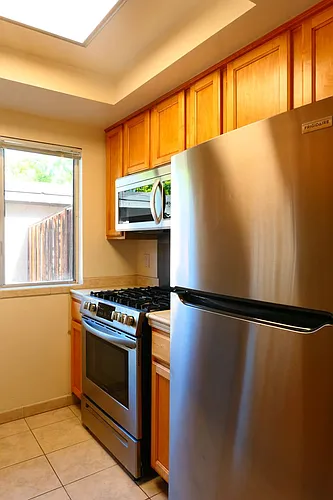
Credit: hotpads.com
Comparing With Conventional Refrigerators
A Carnot refrigerator uses the most efficient cooling cycle possible, unlike conventional models. It operates with less energy waste, keeping kitchens cooler and saving power. This makes it a smart choice for energy-conscious households.
Comparing with Conventional Refrigerators In kitchens, refrigerators play a vital role. Conventional refrigerators are common, but Carnot refrigerators present a unique option. Understanding their differences helps in choosing the right fit for your needs.
Energy Usage Differences
Carnot refrigerators use energy more efficiently. They are designed for optimal performance. This results in lower electricity consumption. Conventional refrigerators, in contrast, may use more energy. Their design is less focused on energy efficiency. Choosing a Carnot model can reduce your electricity bills. It offers a greener alternative for energy-conscious users.
Cost Implications
Carnot refrigerators often come with a higher price tag. This initial cost can be a barrier for some buyers. Conventional models are usually more affordable. But, the long-term savings on energy can offset the higher cost of a Carnot refrigerator. Over time, the investment may prove worthwhile. Weighing initial costs against potential savings is crucial.
Longevity And Durability
Carnot refrigerators are known for their durability. They typically last longer than conventional models. This extended lifespan can provide better value over time. Conventional refrigerators might require repairs sooner. They may not withstand wear and tear as well. A durable option like the Carnot can save on repair costs. Consider longevity when deciding which type to purchase.
Future Trends In Refrigerator Technology
The future of refrigerator technology is moving towards better efficiency and smarter features. Kitchens will soon have refrigerators that save more energy and work quietly. These new systems will also help reduce waste and support a greener planet.
Advancements In Carnot Cycle Applications
The Carnot refrigerator design is becoming more practical for home use. Engineers improve its cooling cycle to use less power. This means refrigerators could keep food fresh longer with lower energy costs. Research focuses on materials that boost heat transfer and reduce losses.
Smart Energy Management Systems
Smart refrigerators will manage energy based on usage patterns. Sensors will detect when the fridge is full or empty. The system adjusts cooling to save power during low use. These refrigerators connect to home networks for real-time monitoring and control. Users will receive alerts if doors stay open or temperatures rise.
Sustainable Kitchen Innovations
New fridge models include eco-friendly materials and refrigerants. Designers use recyclable parts to reduce waste. Some units run on natural gases instead of harmful chemicals. Energy-efficient lighting and insulation also cut electricity use. These changes support cleaner kitchens and healthier homes.

Credit: www.expedia.com
Frequently Asked Questions
What Is A Carnot Refrigerator In A Kitchen?
A Carnot refrigerator is an idealized cooling device operating on the Carnot cycle. It achieves maximum theoretical efficiency in heat transfer, useful for understanding refrigeration limits in kitchen appliances.
How Does A Carnot Refrigerator Work In Kitchens?
It works by transferring heat from the cold kitchen interior to the warmer external environment using reversible processes. This cycle sets the benchmark for real refrigerator efficiency.
Why Is The Carnot Refrigerator Important For Kitchen Appliances?
It helps determine the maximum efficiency possible in refrigeration. This guides the design and improvement of practical kitchen refrigerators to save energy.
Can A Carnot Refrigerator Be Used Practically In Kitchens?
No, Carnot refrigerators are theoretical models. Real kitchen refrigerators use similar principles but involve irreversible processes and lower efficiency.
Conclusion
A Carnot refrigerator shows how cooling works with less energy. It helps us understand the best way to keep food fresh. Using this idea can make kitchen appliances more efficient. Saving energy means saving money and protecting the environment. Simple science behind the Carnot cycle can inspire better designs.
Kitchens benefit when we use smart, energy-saving methods. This knowledge helps everyone enjoy cooler, fresher food every day.