
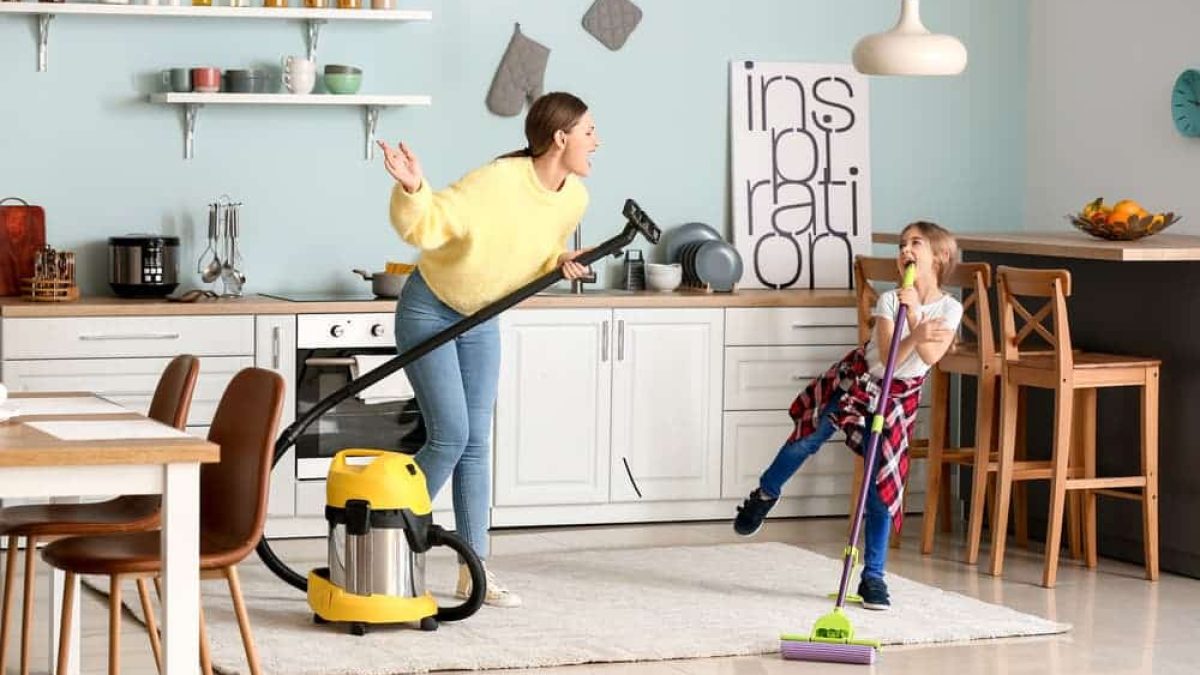
Keeping your kitchen clean can feel like a big job, especially when you want to get your child involved. But what if you could turn this chore into a simple, step-by-step activity that your child can handle with ease?
Imagine the pride your child will feel when they help clean up, and how much smoother your kitchen routine will become. In this guide, you’ll discover clear, easy steps to teach your child how to clean the kitchen confidently. Ready to make kitchen cleanup a fun and rewarding habit for your family?
Let’s get started!
Gather Cleaning Supplies
Gathering cleaning supplies is the first important step in teaching a child to clean the kitchen. Having all tools ready makes the task easier and more fun. It also helps children stay focused and work safely. Preparing the right supplies creates a smooth start to kitchen cleaning.
Choose Safe Cleaning Tools
Pick tools that fit small hands and are easy to use. Soft sponges, small brushes, and lightweight cloths work well. Avoid sharp or heavy objects that might hurt a child. Look for items made from non-toxic materials. Let children handle tools they feel comfortable with.
Prepare Kid-friendly Products
Select cleaning products that are safe for children. Use natural or mild soaps without strong chemicals. Avoid sprays that can irritate eyes or skin. You can also make simple cleaners at home using vinegar or baking soda. Label all products clearly and keep them out of reach when not in use.
Clear The Counters
Clearing the counters is a crucial part of cleaning the kitchen, especially for kids learning how to tidy up. It creates a neat workspace and makes the next steps easier and faster. Teaching children to clear the counters properly helps them develop good habits and a sense of responsibility.
Remove Dishes And Utensils
Start by gathering all the dishes and utensils left on the counters. Encourage your child to check for plates, cups, spoons, and forks that need to be taken to the sink or dishwasher. This task helps them focus on sorting and organizing, which are important skills beyond just cleaning.
Ask your child to look carefully—are there any crumbs or spills on the dishes? It’s a good idea to rinse off food scraps before placing items in the dishwasher or sink. This small step prevents clogged drains and keeps the kitchen smelling fresh.
Put Away Food Items
Next, look for any food items on the counters that belong in the fridge or pantry. Teaching kids to recognize what belongs where can turn a confusing task into a fun challenge. Items like bread, fruits, and snacks need to be stored properly to avoid attracting pests.
Encourage your child to check expiration dates and organize food neatly as they put it away. This not only clears the counters but also keeps the kitchen safer and more efficient. Have you noticed how much easier cooking is when everything is in its place?
Wipe Surfaces
Wiping kitchen surfaces is an important part of cleaning. It removes crumbs, spills, and germs. Children can learn to do this safely and easily. This task helps keep the kitchen neat and healthy.
Use A Damp Cloth
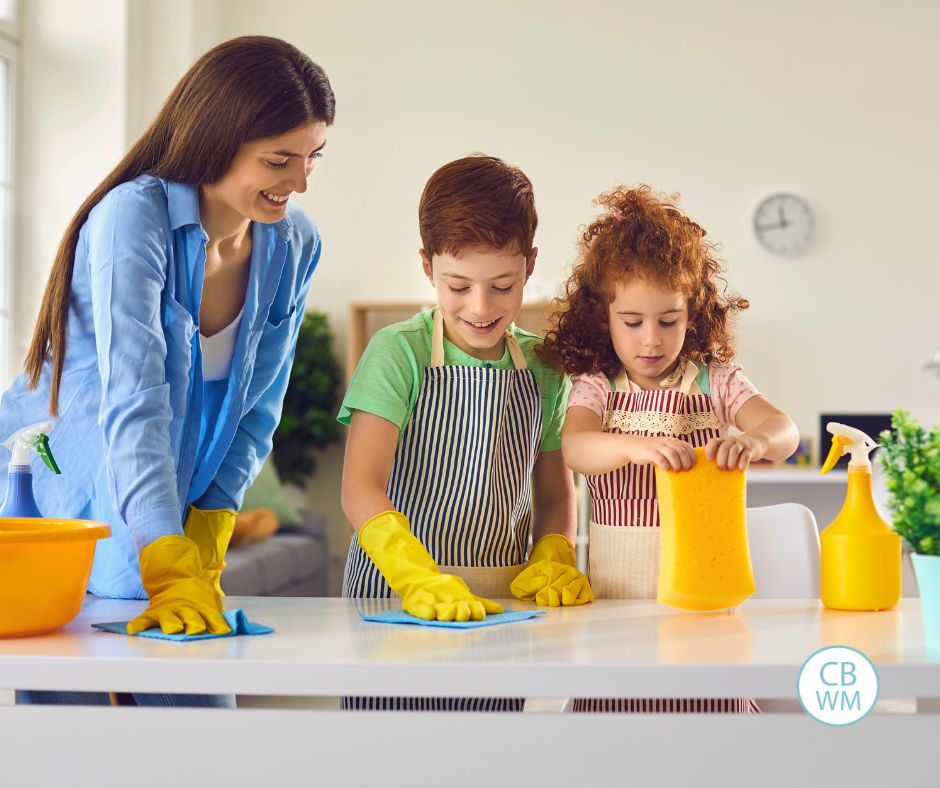
Start with a clean, soft cloth. Moisten it with water. The cloth should be damp, not dripping wet. Gently wipe the countertops, table, and stove areas. Move the cloth in small circles to pick up dirt. Change the cloth or rinse it often to avoid spreading grime.
Clean Stubborn Spots
Some spots need extra attention. Use a little soap or mild cleaner on the cloth. Rub the spot gently until it disappears. Avoid harsh scrubbing to protect surfaces. For sticky spots, let the damp cloth sit for a minute. Then wipe again to lift the dirt easily.

Credit: www.dreamstime.com
Wash The Dishes
Begin by scraping leftover food from plates into the trash. Rinse dishes with warm water before applying soap and scrubbing gently. Rinse off soap thoroughly, then place dishes in a drying rack.
Cleaning the kitchen is a valuable skill for children. It teaches responsibility and teamwork. One key part of this process is washing the dishes. This task is not only essential for a clean home but also a great way to learn organization and hygiene.
Sort Dirty Dishes
Start by sorting all the dirty dishes. Place similar items together. Group plates in one pile, glasses in another. This makes washing easier and faster. It helps avoid breakage by handling similar items together. Make sure to scrape off food scraps into the trash. This prevents clogged sinks and makes washing smoother.
Learn Proper Washing Techniques
Fill the sink with warm, soapy water. Warm water helps remove grease better. Use a sponge or dishcloth for washing. Start with the cleanest items like glasses and mugs. These need less scrubbing. Move to plates and utensils next. Finally, tackle the pots and pans. These usually need more elbow grease. Remember to rinse each item with clean water. This removes soap residue and leaves dishes sparkling. Dry each piece with a clean towel or air-dry on a rack. This ensures no water spots are left behind.
Sweep The Floor
Sweeping the kitchen floor is a simple task that children can learn to do well. It helps keep the kitchen clean and safe, free from crumbs and spills that might cause slips. Teaching kids to sweep properly builds good habits and a sense of responsibility.
Choose The Right Broom
Not all brooms are the same, and picking one that's easy for your child to use makes a big difference. Look for a broom with a handle that fits your child’s height so they don’t have to bend too much. Soft bristles work well for smooth kitchen floors, while stiffer bristles are better for rougher surfaces.
Let your child test a few brooms to see which feels most comfortable. A broom that’s too heavy or awkward will quickly discourage them. Have you noticed how much easier tasks become when you use the right tools?
Sweep In Safe Areas
Make sure your child sweeps in areas that are free from obstacles to avoid accidents. Clear the floor of toys, chairs, and rugs before starting. This helps your child focus on sweeping without worrying about tripping.
Encourage your child to sweep in sections, starting from one side of the kitchen and moving to the other. This systematic approach keeps the job manageable and shows visible progress. Have you ever tried cleaning without a clear plan? It’s much harder to finish.
Credit: www.babywisemom.com
Organize The Kitchen
Organizing the kitchen helps keep it clean and easy to use. A neat kitchen saves time and avoids mess. Teaching kids to organize makes chores fun and simple. It also helps them learn responsibility and good habits.
Put Away Clean Dishes
Start by sorting clean dishes by type. Place plates in one stack and cups in another. Put silverware in the correct drawer or holder. Use a small step stool for hard-to-reach shelves. Handle dishes carefully to avoid breakage. Putting dishes away right after washing keeps counters clear.
Tidy Up The Pantry
Check the pantry for expired or old food. Group similar items together like snacks, canned goods, and spices. Arrange items so the oldest are in front. Use baskets or containers to hold small packages. Wipe shelves with a damp cloth if needed. A tidy pantry makes it easy to find snacks and ingredients.
Make Cleaning Fun
Cleaning the kitchen can be a fun activity for kids with the right approach. Making chores enjoyable helps children stay interested and learn good habits. Turning cleaning into a playful experience can change their attitude towards tidying up. This way, they develop responsibility without feeling bored or forced.
Turn Tasks Into Games
Kids love games and challenges. Turn simple chores into fun games to keep them engaged. For example, set a timer and see how many dishes they can wash before it rings. Or create a scavenger hunt to find and put away all the spoons. Use music and let them dance while wiping counters. Games make cleaning feel less like work and more like play.
Reward Progress
Recognize and celebrate small achievements during cleaning. Praise your child for every task completed well. Use a sticker chart to track their progress visually. Offer extra playtime or a small treat as a reward. Rewards motivate kids to keep helping and improve their skills. Positive feedback builds confidence and makes cleaning a positive habit.
Credit: www.plumprint.com
Frequently Asked Questions
What Is The First Step For Kids To Clean The Kitchen?
The first step is to gather all dirty dishes. Kids should collect plates, cups, and utensils from around the kitchen. This helps start the cleaning process efficiently and keeps the area organized.
How Can Children Safely Handle Kitchen Cleaning Tasks?
Children should use child-friendly cleaning tools and avoid harsh chemicals. Supervision is important to ensure safety. Simple tasks like wiping surfaces and organizing items are safe and suitable for kids.
How Long Does It Take A Child To Clean The Kitchen?
Cleaning time varies but typically takes 15 to 30 minutes. It depends on the kitchen size and the child's age. Keeping tasks short helps maintain focus and makes cleaning fun.
What Tools Do Kids Need To Clean The Kitchen?
Kids need a small broom, dustpan, sponge, and a safe spray cleaner. Having their own tools makes cleaning easier and encourages responsibility. Choose lightweight and easy-to-use items for children.
Conclusion
Cleaning the kitchen step by step helps children learn good habits. It makes the task less scary and more fun. Kids feel proud when they finish each step well. This guide shows simple ways to clean safely and quickly. Practice often, and cleaning will become easier for your child.
A tidy kitchen means a happy home for everyone. Try these steps today and see the difference!