
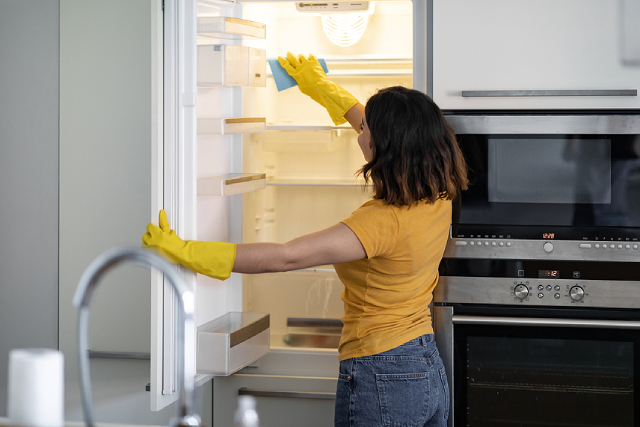
Your kitchen appliances work hard every day, helping you prepare meals and keep your home running smoothly. But have you ever stopped to think about how clean they really are?
A dirty appliance can affect the taste of your food and even your health. If you want your kitchen to feel fresh, safe, and welcoming, knowing how to clean your appliances properly is key. You’ll discover simple, effective ways to keep your kitchen gadgets spotless, so they work better and last longer.
Ready to transform your kitchen? Let’s dive in!
Credit: premierapplianceaugusta.com
Choosing The Right Cleaner
Choosing the right cleaner for your kitchen appliance is important. The cleaner affects the appliance's lifespan and your health. Picking the wrong product can cause damage or leave harmful residues. Understanding different types of cleaners helps you make the best choice.
Natural Vs Chemical Cleaners
Natural cleaners use ingredients from plants or minerals. They are gentle and less likely to harm surfaces. Examples include vinegar, baking soda, and lemon juice. Chemical cleaners often contain strong agents to remove tough stains quickly. They work fast but may include harsh substances.
Natural cleaners suit light cleaning and sensitive appliances. Chemical cleaners fit heavy grime but need careful use. Choosing depends on the appliance type and cleaning needs.
Safe Products For Appliances
Select cleaners labeled safe for your appliance. Read product labels to check compatibility. Avoid abrasive powders or acidic liquids on delicate surfaces. Use soft cloths or sponges with the cleaner. Some products are designed for specific appliances like microwaves or ovens.
Test new cleaners on a small, hidden area first. This prevents unexpected damage or discoloration. Safe products keep your appliance working well longer.
Avoiding Damage
Do not use harsh scrubbing tools like steel wool. Avoid cleaners with bleach or ammonia on stainless steel. Never mix different cleaning products; fumes can be dangerous. Follow the manufacturer’s cleaning instructions carefully.
Rinse appliances thoroughly after cleaning to remove residues. Dry completely to prevent rust or mold. Proper cleaning protects your investment and keeps appliances safe to use.
:max_bytes(150000):strip_icc()/ar-easiest-cheapest-oven-cleaning-adobe-ar-4x3-3c46ad9481fb4dea8d2b4f05b6a99670.jpg)
Credit: www.allrecipes.com
Preparing Appliances For Cleaning
Preparing kitchen appliances for cleaning is an important first step. It ensures safety and makes the cleaning process easier. Taking time to prepare helps protect the appliance and keeps it working well for a long time.
Unplugging And Cooling Down
Always unplug the appliance before cleaning. This stops electricity from causing harm. Let the appliance cool down fully. Cleaning a hot appliance can cause burns or damage. Patience here keeps you safe and your appliance intact.
Removing Removable Parts
Take off all removable parts like trays, lids, and filters. These parts often collect food and dirt. Cleaning them separately helps reach hidden grime. Check the user manual if unsure which parts come off. Handle all parts gently to avoid breakage.
Clearing Debris
Remove any loose crumbs or food pieces inside and around the appliance. Use a soft brush or cloth for this task. Clearing debris prevents buildup and keeps the appliance fresh. Regular debris removal also improves appliance performance.
Cleaning Common Kitchen Appliances
Cleaning common kitchen appliances keeps your kitchen fresh and safe. Dirt and food particles can build up quickly. Regular cleaning stops germs and odors. It also helps appliances last longer. Simple steps make cleaning easy and fast. Use natural ingredients or mild cleaners for best results.
Microwave Cleaning Hacks
Steam loosens grime and food stains. Fill a microwave-safe bowl with water and lemon slices. Heat it for 3-5 minutes. Let the steam soften the mess inside. Wipe with a soft cloth or sponge. Clean the turntable and walls carefully. Avoid harsh chemicals that can damage the microwave.
Oven And Stove Care
Remove oven racks and soak them in warm, soapy water. Use baking soda paste to scrub oven walls gently. For the stove, clean burners and knobs regularly. Use a soft brush to remove crumbs and grease. Wipe surfaces with a damp cloth. Regular cleaning prevents tough build-up and keeps appliances working well.
Refrigerator Maintenance
Empty the fridge and toss expired items. Clean shelves and drawers with warm, soapy water. Use a mix of water and vinegar to wipe walls. Check and clean the door seals to keep cold air in. Keep food covered to reduce spills and odors. Regular care keeps food fresh longer.
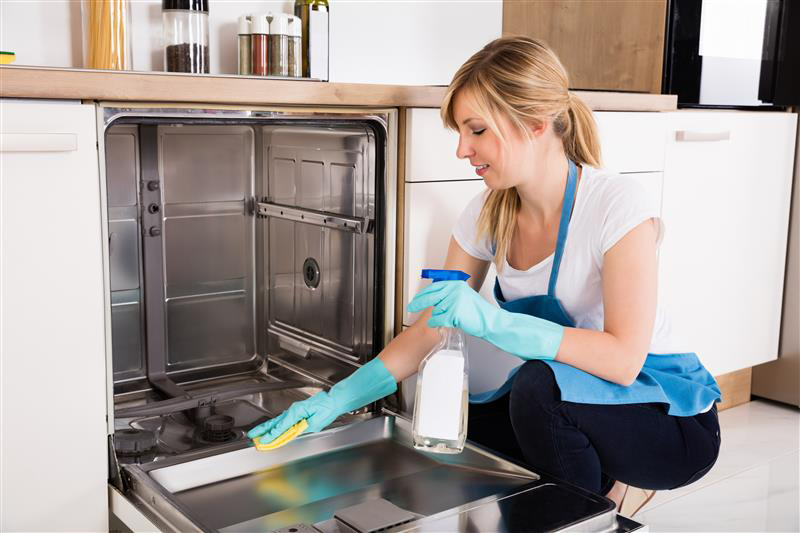
Dishwasher Deep Cleaning
Remove and clean the filter to prevent clogs. Wipe the door edges and seals with a damp cloth. Run an empty cycle with a cup of white vinegar inside. This removes grease and odors. Use baking soda on the bottom for extra freshness. Keep the dishwasher clean to improve washing results.
Coffee Maker Tips
Descale the coffee maker regularly using vinegar or a descaling solution. Clean the water reservoir and carafe with warm, soapy water. Wipe the exterior to remove dust and stains. Use fresh water for each brew. Proper cleaning ensures better taste and longer machine life.
Tackling Tough Stains And Build-up
Stubborn stains and build-up on kitchen appliances can be removed with gentle scrubbing and natural cleaners. Regular care prevents grime from hardening, keeping appliances fresh and working well. Simple tools like soft brushes help reach tricky spots without damage.
Tackling stubborn stains and build-up in your kitchen appliances can seem daunting. But with the right approach, even the toughest grime can be conquered, leaving your kitchen pristine and sparkling. Whether it's grease on your stove or mineral deposits in your kettle, knowing how to address these issues can make cleaning less of a chore and more of a satisfying achievement.
Dealing With Grease
Grease is a common culprit in the kitchen, turning shiny surfaces into sticky nightmares. To combat this, mix a solution of vinegar and baking soda. Apply it to the greasy areas and let it sit for a few minutes before wiping it away with a damp cloth. For tougher spots, a paste of baking soda and water can work wonders. Scrub gently with a soft sponge to avoid scratching the surface. Remember, consistency is key—regular cleaning prevents grease build-up from becoming unmanageable.
Removing Mineral Deposits
Mineral deposits can dull the shine of your appliances, especially in kettles and coffee makers. Fill the appliance with a mixture of equal parts water and white vinegar. Let it sit for a few hours to break down the deposits. After soaking, run a full cycle or boil the mixture, then rinse thoroughly with fresh water. This method not only cleans but also helps maintain the efficiency of your appliances, saving you time and energy in the long run.
Eliminating Odors
Odors can linger in your appliances long after the food is gone. To tackle this, sprinkle baking soda inside the appliance and let it sit overnight. The next day, wipe it clean with a damp cloth. For refrigerators and dishwashers, placing an open box of baking soda inside can help absorb odors over time. Ask yourself, is there a lingering smell that needs addressing? A simple sniff test can guide your cleaning schedule.
Maintaining Appliance Cleanliness
Keeping your kitchen appliance clean isn’t just about looks—it affects how well it works and how long it lasts. Dirt and grease can build up quickly, especially with daily use. Taking a few minutes regularly to clean your appliance can save you from costly repairs and keep your kitchen hygienic.
Daily Quick Wipes
After each use, grab a damp cloth and wipe down the surfaces of your appliance. This simple habit removes food splatters and spills before they harden. Pay special attention to buttons, handles, and any crevices where crumbs may hide.
Try using a mild dish soap solution or a multi-surface cleaner safe for your appliance material. You’ll notice how much fresher your kitchen feels after just a few seconds of wiping. Have you ever skipped this step and later found stubborn stains? Daily care prevents that hassle.
Weekly Deep Cleaning
Set aside time once a week to give your appliance a thorough cleaning. Unplug it and remove any detachable parts like trays, lids, or filters. Soak these parts in warm, soapy water to loosen grime.
Use a soft brush or toothbrush to clean small areas and hard-to-reach spots. Wipe the exterior with a soft cloth dampened with vinegar or a gentle cleaner, then dry everything completely before reassembling. This deeper clean keeps your appliance running smoothly and reduces odors.
Proper Storage And Usage
How you store and use your appliance impacts its cleanliness and lifespan. Always place it in a dry, well-ventilated spot to prevent moisture buildup that can cause mold or rust. Avoid using abrasive tools or harsh chemicals that can damage surfaces.
Also, consider covering the appliance when it’s not in use to protect it from dust. Have you noticed how a little extra care in storage makes your appliance look new longer? Small changes here make a big difference in maintenance.

Credit: palmbeachorganized.com
Safety Tips While Cleaning
Cleaning kitchen appliances keeps your cooking space fresh and hygienic, but it also involves risks that many overlook. Paying attention to safety can prevent accidents and health issues, making your cleaning routine both effective and secure. Here are essential tips to keep in mind while handling your favorite kitchen gadgets.
Handling Chemicals
Kitchen cleaning products can be strong and sometimes dangerous if used carelessly. Always read the label to understand the proper usage and any warnings before applying the cleaner.
Mixing different chemicals, like bleach and ammonia, can create toxic fumes. Have you ever paused to check if your cleaning agents are safe together?
Keep cleaning products away from children and pets. Store them in a secure place after use to avoid accidental spills or ingestion.
Avoiding Electrical Hazards
Most kitchen appliances run on electricity, so water and cleaning agents near plugs or cords can be risky. Always unplug the appliance before cleaning to avoid shocks.
Use a damp cloth rather than spraying liquid directly onto the appliance. This reduces the chance of moisture entering electrical parts.
Inspect cords for damage before and after cleaning. Frayed or cracked wires can cause short circuits or fires if not addressed promptly.
Protecting Your Skin And Eyes
Some cleaning products can irritate or burn your skin and eyes. Wearing gloves protects your hands from harsh chemicals and hot water.
Goggles or safety glasses shield your eyes from splashes. Have you ever experienced a sudden sting in your eyes while scrubbing stubborn stains?
If any chemical contacts your skin or eyes, rinse the area immediately with plenty of water. Quick action can prevent serious injury.
Eco-friendly Cleaning Practices
Eco-friendly cleaning practices help protect the environment and save money. They reduce waste and limit harmful chemicals in your kitchen. Simple changes in how you clean your appliances make a big difference. These practices keep your kitchen safe and fresh.
Using Reusable Cloths
Choose reusable cloths instead of paper towels. Cloths made from cotton or microfiber clean well and last long. Wash them after use to keep them fresh. This reduces trash and cuts down on single-use waste.
Reducing Water Waste
Turn off the tap while scrubbing your appliances. Use a small basin of water for rinsing instead of running water. Fix leaks quickly to avoid water loss. These steps save gallons of water every week.
Diy Cleaning Solutions
Make your own cleaning solutions with simple ingredients. Mix vinegar and water to clean and disinfect. Baking soda works well to remove stains and odors. These natural cleaners are safe and affordable.
Frequently Asked Questions
What Is The Best Way To Clean Kitchen Appliances?
Use mild soap, warm water, and a soft cloth. Avoid abrasive cleaners. Regularly clean to prevent buildup and maintain efficiency.
How Often Should I Clean My Kitchen Appliances?
Clean frequently used appliances weekly. Deep clean less-used items monthly. Regular cleaning extends appliance life and keeps them hygienic.
Can I Use Vinegar To Clean Kitchen Appliances?
Yes, vinegar is a natural cleaner. It removes grease and odors safely. Avoid using on sensitive surfaces like stone or aluminum.
What Cleaning Tools Are Ideal For Kitchen Appliances?
Use microfiber cloths, soft sponges, and toothbrushes. These tools remove dirt without scratching surfaces. Avoid steel wool which can damage appliances.
Conclusion
Keeping your kitchen appliance clean helps it work well and last longer. Regular cleaning stops germs and bad smells from building up. It also makes cooking safer and more enjoyable. Use simple tools and mild cleaners for best results. Small daily habits can save you time and effort later.
Clean appliances mean a healthier kitchen and happier meals. So, take a few minutes to clean your appliance today. Your kitchen will thank you.