
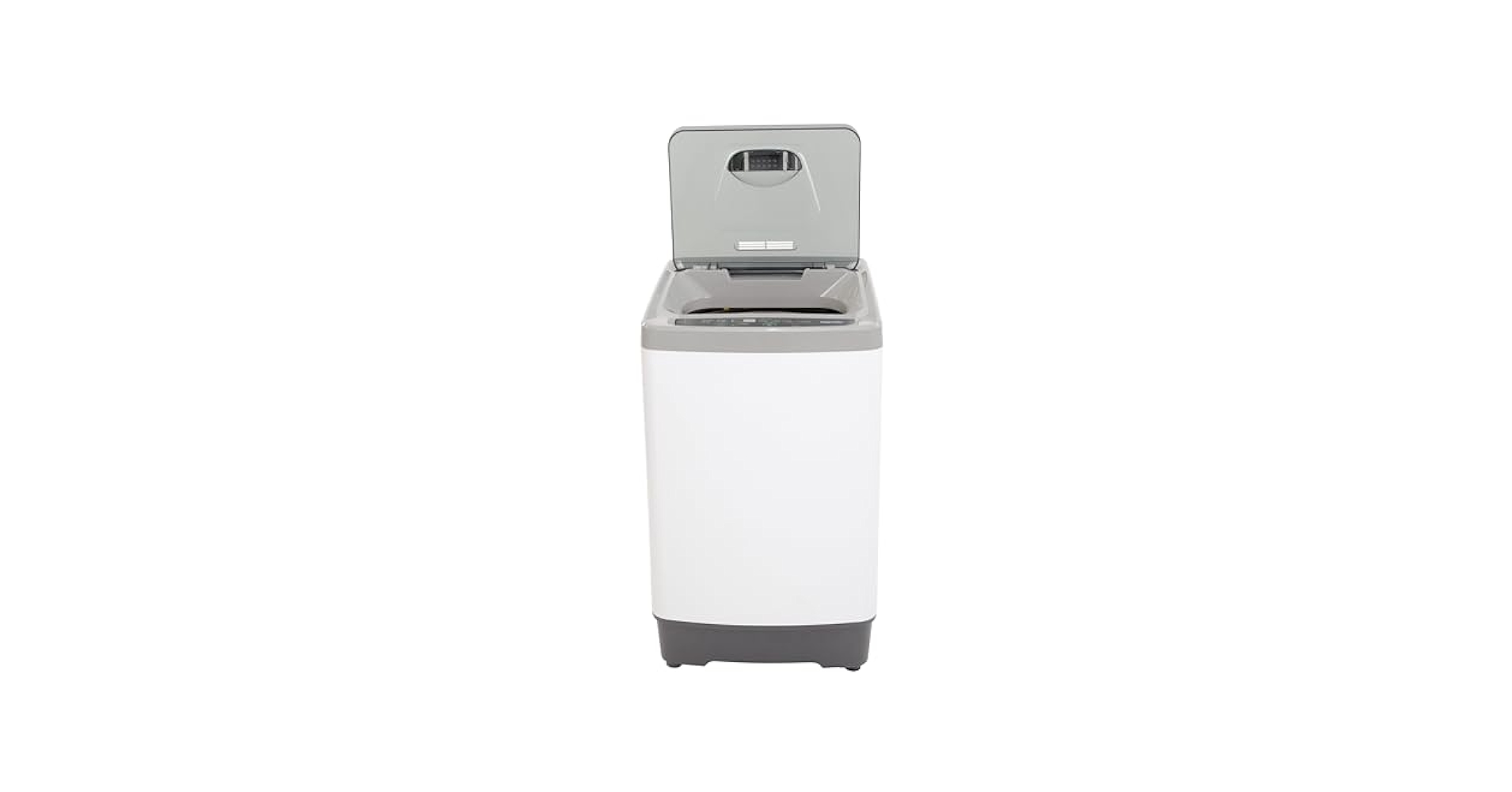
A Clothes Washer That Hooks to Kitchen Sink: Imagine having a clothes washer that fits right into your kitchen sink. No bulky machines taking up space, no complicated plumbing, just a simple, smart way to wash your clothes.
If you’re tired of juggling laundry in small apartments or looking for an easy solution to save time and energy, this could change everything for you. Keep reading to discover how this clever device works and why it might be the perfect addition to your home.
Benefits Of Sink-connected Washers
Choosing a clothes washer that hooks directly to your kitchen sink offers several practical benefits that can enhance your daily routine. These compact washers are designed to fit seamlessly into small living spaces without compromising functionality. If you've struggled with limited laundry areas or complicated installations before, this solution might change how you think about washing clothes at home.
Saving Kitchen Space
Sink-connected washers are perfect for small kitchens or apartments where every inch counts. They eliminate the need for a separate laundry area, freeing up space for other uses. Imagine having your washer tucked neatly beside your sink, ready to use without taking up valuable floor space.
Many users find this setup especially helpful in studio apartments or tiny homes. It keeps your kitchen organized and clutter-free, reducing the stress of juggling multiple chores in cramped quarters.
Ease Of Installation
One of the biggest advantages of these washers is how easy they are to set up. Since they connect directly to your kitchen faucet, there's no need for complex plumbing work or professional help. You can have your washer ready to use within minutes, often just by attaching a hose to your sink.
This simplicity means you save time and avoid costly installation fees. Plus, if you move frequently, you can easily disconnect and take your washer with you, making it a flexible option for renters and travelers.
Cost Efficiency
Sink-connected washers tend to be more affordable than traditional machines. Not only do you save on the purchase price, but their efficient water and energy use can lower your utility bills. Many models use only the water needed for each load, helping you avoid waste.
Think about how much you spend on laundry detergent and water every month. A compact washer that hooks to your kitchen sink can reduce these costs, giving you more control over your household budget without sacrificing cleanliness.
Credit: omaha.craigslist.org
Types Of Sink-connected Washers
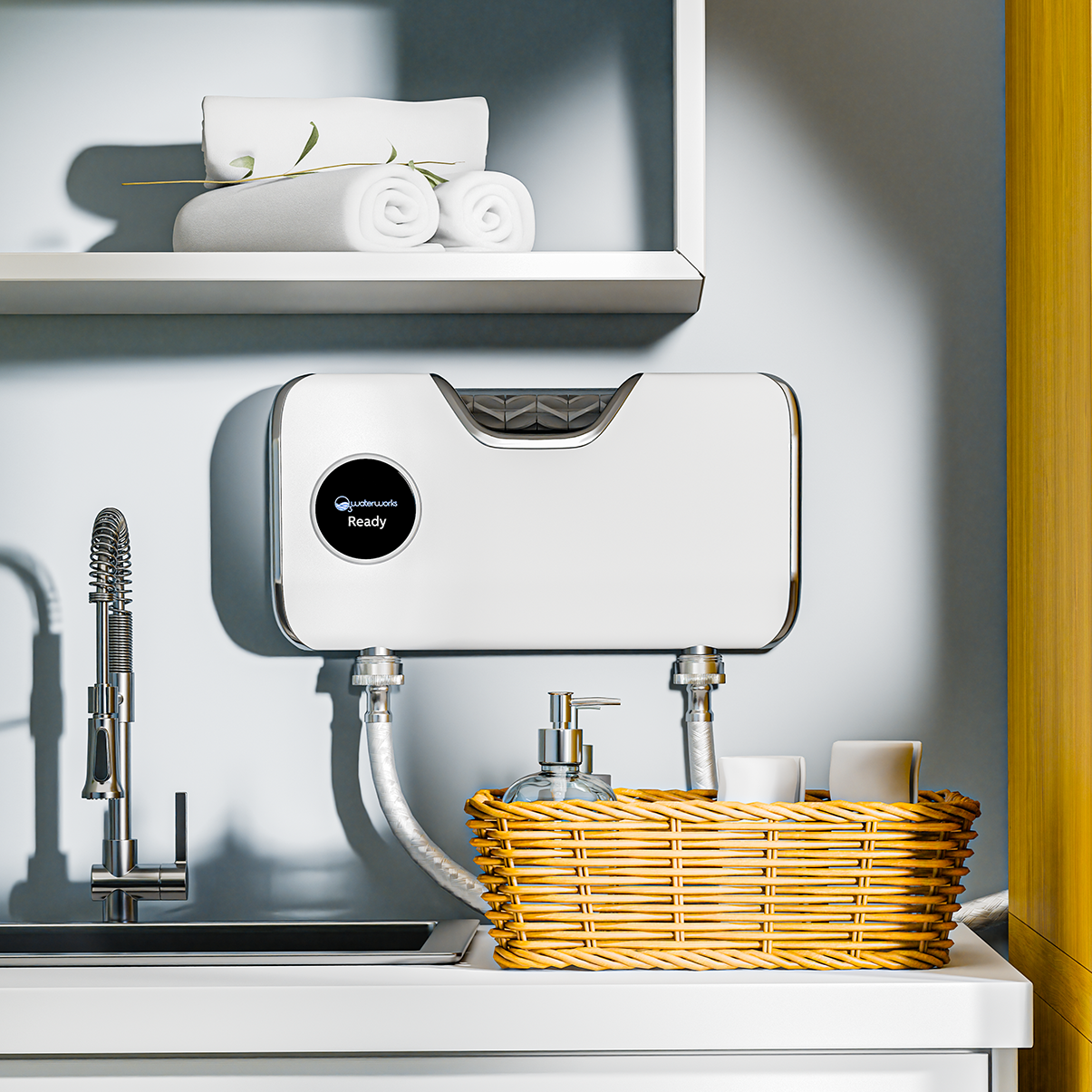
Sink-connected clothes washers offer a smart solution for small spaces and limited plumbing. These washers connect directly to your kitchen sink faucet. This setup saves space and uses existing water supply and drainage. Various types cater to different needs and budgets. Understanding these types helps you choose the right washer for your home.
Portable Models
Portable sink-connected washers are lightweight and easy to move. They usually have wheels or handles for convenience. These washers hook directly to the kitchen faucet using an adapter. Most models use gravity or a small pump to drain water into the sink. Portable washers are perfect for renters or those with no dedicated laundry area.
Compact Front-loaders
Compact front-load washers fit in small spaces like under the kitchen counter. They connect to the sink faucet with a hose and drain into the sink drain. These washers use less water and energy than traditional machines. Their front-loading design helps clean clothes gently and thoroughly. Compact front-loaders suit small families or individuals with light laundry needs.
Manual Mini Washers
Manual mini washers require no electricity. They connect to the kitchen sink for water supply. Users operate them by hand using a crank or pedal. These washers are ideal for delicate clothes and quick washes. Manual mini washers save energy and give full control over washing time and intensity.
Installation Steps
Installing a clothes washer that hooks to your kitchen sink can be straightforward if you pay attention to a few key details. The process involves preparing your sink area, connecting the water inlets properly, and securing the drain hose to prevent leaks. Taking your time with each step ensures your washer works efficiently and avoids any mess.
Preparing The Sink Area
Start by clearing the space around your kitchen sink. Remove any dish racks or cleaning supplies that might get in the way. Check the sink faucet for any damage or leaks before attaching the washer.
Make sure your faucet has a threaded aerator or can accommodate an adapter. If not, you might need to buy one separately. A clean and dry surface helps the connections fit snugly without slipping.
Connecting Water Inlets
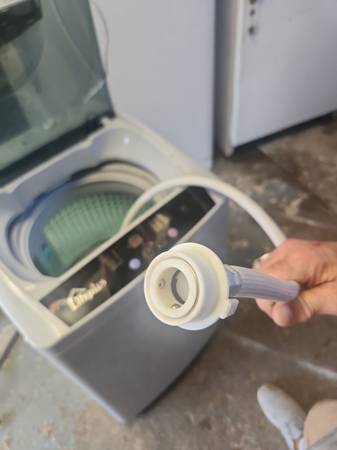
Attach the washer’s water inlet hose to the sink faucet adapter. Twist the hose onto the adapter firmly, but avoid over-tightening which could damage the threads. If your washer has separate hot and cold water hoses, connect them accordingly, usually marked with red and blue.
Turn on the water slowly to check for any leaks. If you spot drips, tighten connections gently or use plumber’s tape for a better seal. Have you ever tried fixing a small leak and realized a simple tape made all the difference?
Securing The Drain Hose
Place the drain hose into your sink or a nearby drain pipe, depending on the setup. Use a clamp or zip tie to secure the hose so it doesn’t move during washing cycles. This prevents water from spilling onto your floor.
Check the hose length to ensure it isn’t stretched or kinked. A kink can block water flow and cause your washer to malfunction. Have you noticed how a small adjustment in hose placement can stop annoying drips completely?

Credit: omaha.craigslist.org
Maintenance Tips
Your clothes washer that hooks to the kitchen sink is a game-changer for small spaces and renters. However, like any appliance, it requires regular maintenance to keep running smoothly. Neglecting simple upkeep can lead to costly repairs or even replacement. Below are some essential maintenance tips to ensure your washer remains efficient and trouble-free.
Cleaning The Washer
Regular cleaning prevents unpleasant odors and keeps your washer performing at its best. Use a damp cloth to wipe down the exterior and remove any detergent residue. Run an empty cycle with hot water and a cup of white vinegar monthly to clean the interior. This helps dissolve soap scum and sanitize the drum.
Preventing Drain Blockages
A blocked drain can cause water to overflow, leading to a messy kitchen disaster. Always check the drain hose for kinks or blockages. Consider using a mesh bag for smaller items, like socks and underwear, to prevent them from escaping into the drain. Keep a plunger handy for quick fixes if you notice slow draining.
Routine Checks
Regular inspections can catch issues before they become major problems. Listen for unusual noises during the wash cycle, which might indicate a mechanical issue. Ensure the hose connections are tight and leak-free. If your washer starts vibrating excessively, check that it is level on the floor.
Have you ever skipped maintenance on an appliance only to regret it later? Don't let that happen with your washer. A little attention now can save you a lot of trouble in the future.
Ideal Users For Sink Washers
Sink washers offer a smart laundry solution for many people. These compact machines connect directly to a kitchen sink. They save space and water while providing convenience. Certain groups find them especially useful. Below are the ideal users for sink washers and why they benefit most from them.
Apartment Dwellers
Small apartments often lack laundry hookups. Sink washers fit perfectly in tight spaces. They do not require a full laundry area. Apartment residents can wash clothes easily without trips to laundromats. These machines help save money on laundry services. They also reduce the hassle of carrying clothes back and forth.
Tiny House Residents
Tiny homes prioritize every inch of space. A sink washer uses minimal room and plumbing. It fits under or beside kitchen sinks. This allows tiny house owners to keep laundry close by. It also reduces water and energy use. A sink washer supports a simple, efficient lifestyle.
Frequent Travelers
Travelers who stay in short-term rentals benefit from sink washers. These portable units offer quick laundry options. Travelers avoid costly laundromat visits or hotel laundry fees. The washers can be packed and used anywhere with a sink. They help keep clothes fresh on the go.
Common Challenges
Using a clothes washer that hooks directly to your kitchen sink can be a clever space-saver, but it comes with its own set of challenges. Understanding these hurdles helps you prepare better and avoid frustration. Let’s break down some common issues you might face and how they can affect your laundry experience.
Water Pressure Issues
One of the biggest challenges is inconsistent water pressure. Kitchen sinks often have lower water pressure compared to dedicated laundry hookups, which can lead to longer wash cycles or incomplete rinses.
If your water pressure dips too low, the washer might struggle to fill up properly, causing delays or even errors. Have you noticed your machine taking longer than usual? This could be the culprit.
Limited Load Capacity
These compact washers usually handle smaller loads. You can’t expect to wash bulky items or large batches of laundry like you would with a traditional machine.
This means you’ll need to plan your laundry more frequently or split loads into smaller parts. Does your current laundry routine allow for that kind of flexibility?
Noise Considerations
Since the washer is right by your kitchen, noise can become a real concern. The vibrations and spinning sounds might interrupt conversations, cooking, or even your relaxation time.
Choosing a model with noise reduction features or adding some soundproofing around the sink area can help. Have you thought about how noise levels will fit into your daily living space?
Top Brands And Models
Finding the right clothes washer that hooks to a kitchen sink can save space and simplify laundry. Several top brands offer reliable models designed for small spaces. These washers vary in price and features. Choosing the best one depends on budget, needs, and preferences.
Budget-friendly Options
- Cost-effective machines with essential functions
- Compact designs ideal for apartments and small homes
- Simple hookup to most kitchen sinks without extra tools
- Examples include brands like Giantex and KUPPET
High-end Choices
- Advanced features such as multiple wash cycles and timers
- Durable materials and modern design
- Efficient water and energy use for long-term savings
- Popular brands include Panda and Magic Chef
Customer Favorites
- Models with high ratings for ease of use and reliability
- Positive reviews about quiet operation and cleaning power
- Strong customer support and warranty coverage
- Common favorites are the BLACK+DECKER and Haier mini washers
Credit: o3waterworks.com
Frequently Asked Questions
What Is A Clothes Washer That Hooks To Kitchen Sink?
A clothes washer that hooks to the kitchen sink is a compact washing machine. It connects easily to the sink faucet for water supply. This design saves space and is ideal for small homes or apartments.
How Does A Sink-hooked Clothes Washer Work?
It uses the kitchen sink faucet for water intake. The washer drains water through a hose into the sink. This eliminates the need for extra plumbing, making it convenient and portable.
Is A Kitchen Sink Washer Energy Efficient?
Yes, these washers consume less water and electricity. Their small size requires fewer resources per load. This makes them environmentally friendly and cost-effective for daily laundry needs.
Can I Wash All Clothes In A Sink Washer?
Sink washers handle light to medium loads. They work well for small garments and delicate fabrics. However, large or heavy items may not fit or clean properly.
Conclusion
A clothes washer that hooks to your kitchen sink saves space and time. It fits small homes and apartments well. You can wash clothes easily without a big machine. It uses less water and energy, which helps save money. This washer is simple to use and clean.
Perfect for those who want quick laundry solutions. A smart choice for daily chores. Try it and see how it fits your lifestyle. Simple, handy, and practical—just what you need.