
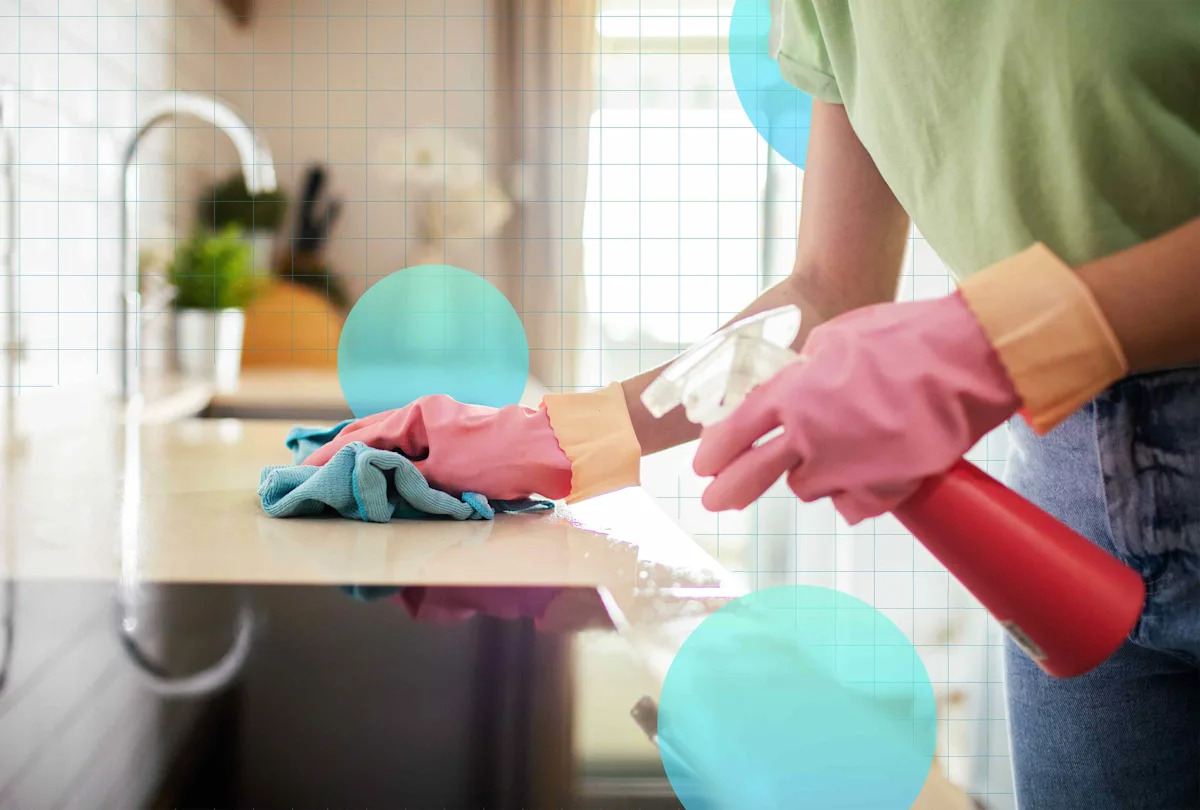
You’ve just finished a long day in the kitchen. Everything looks spotless, but did you clean and sanitize every corner the right way?
What you do after cooking isn’t just about tidiness—it’s about keeping your food safe and protecting everyone who eats what you prepare. This article will guide you through the crucial steps a food worker takes to finish cleaning and sanitizing the kitchen thoroughly.
By the end, you’ll know how to make your kitchen not only clean but truly safe, so you can feel confident every time you serve a meal. Keep reading to discover the simple actions that make a big difference.
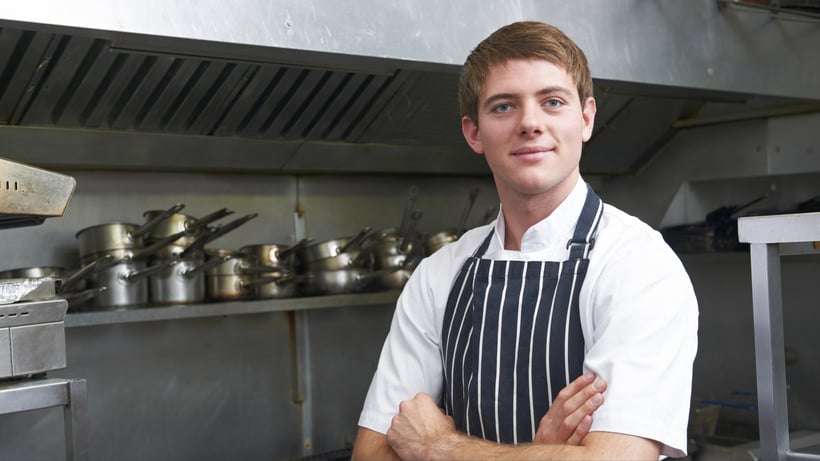
Credit: blog.foodsafety.ca
Cleaning Vs Sanitizing
Cleaning and sanitizing are two crucial steps in maintaining a safe kitchen. Both processes help keep food areas free from harmful germs. Yet, they serve different purposes and involve different actions. Understanding the difference between cleaning and sanitizing helps food workers maintain high hygiene standards.
Key Differences
- Cleaningremoves dirt, grease, and food particles from surfaces.
- Sanitizingkills bacteria and reduces germs to safe levels.
- Cleaning uses soap or detergent with water to wash surfaces.
- Sanitizing uses chemicals or heat to destroy harmful microbes.
- Cleaning alone does not kill germs but prepares surfaces for sanitizing.
Importance In Food Safety
Cleaning and sanitizing work together to prevent foodborne illnesses. Dirty surfaces can spread bacteria to food, causing sickness. Proper cleaning removes visible dirt that can hide germs.
Sanitizing kills bacteria left after cleaning. It lowers the risk of contamination. Food workers must clean and sanitize kitchen tools and surfaces regularly. This practice protects customers and complies with health rules.
Essential Cleaning Steps
Cleaning and sanitizing a kitchen is more than just wiping surfaces. It’s about following essential steps that ensure every corner is safe and hygienic. Each step plays a vital role in preventing contamination and maintaining a food-safe environment.
Removing Food Debris
Start by clearing away all visible food particles. Leftover crumbs or spills can harbor bacteria and attract pests.
Use a scraper or cloth to remove stuck-on food before moving on to washing. This makes the cleaning process more effective and prevents cross-contamination.
Using Proper Cleaning Agents
Choosing the right cleaning agents matters. Not all soaps or detergents kill germs effectively.
Look for products labeled as food-safe and follow the instructions for dilution and contact time. This ensures surfaces are truly sanitized, not just visibly clean.
Cleaning Tools And Equipment
Your cleaning tools need attention too. Dirty sponges or cloths can spread bacteria instead of removing them.
Use separate tools for different areas, like one for counters and another for floors. Regularly sanitize or replace these tools to keep your kitchen truly clean.
Sanitizing Techniques
Sanitizing is a crucial part of cleaning in any kitchen. It helps remove germs and bacteria that can cause illness. Using the right techniques ensures the kitchen stays safe for food preparation. Understanding how to sanitize properly protects both workers and customers.
Types Of Sanitizers
Different sanitizers work in various ways. Common types include:
- Chlorine-based sanitizers – effective and fast-acting.
- Quaternary ammonium compounds (quats) – gentle and long-lasting.
- Iodine-based sanitizers – good for certain food contact surfaces.
Choose sanitizers approved for food service use. Follow product guidelines for best results.
Correct Application Methods
Applying sanitizers correctly is vital for effectiveness. Steps include:
- Clean the surface thoroughly before sanitizing.
- Use the right concentration as per instructions.
- Apply sanitizer evenly using spray, wipe, or soak.
- Allow the surface to air dry; do not rinse unless required.
Proper application stops bacteria from surviving on surfaces.
Contact Time And Effectiveness
Contact time means how long sanitizer stays on the surface. It affects how well the sanitizer works.
- Short contact time may not kill all germs.
- Follow label instructions for minimum contact time.
- Longer contact time usually improves sanitizer action.
Ignoring contact time can reduce cleaning safety and increase risks.
Credit: probeit.ca
Safety Protocols For Food Workers
A food worker finishes cleaning and sanitizing the kitchen to stop germs from spreading. Proper cleaning keeps food safe and workers healthy. Following safety rules ensures a clean and safe kitchen environment.
Ensuring a clean and sanitized kitchen is just one part of a food worker's responsibilities. Equally important are the safety protocols that must be followed to maintain a healthy environment. These protocols not only protect the food being prepared but also safeguard the workers and the customers. Let's dive into some essential practices that every food worker should embrace.
Personal Hygiene Practices
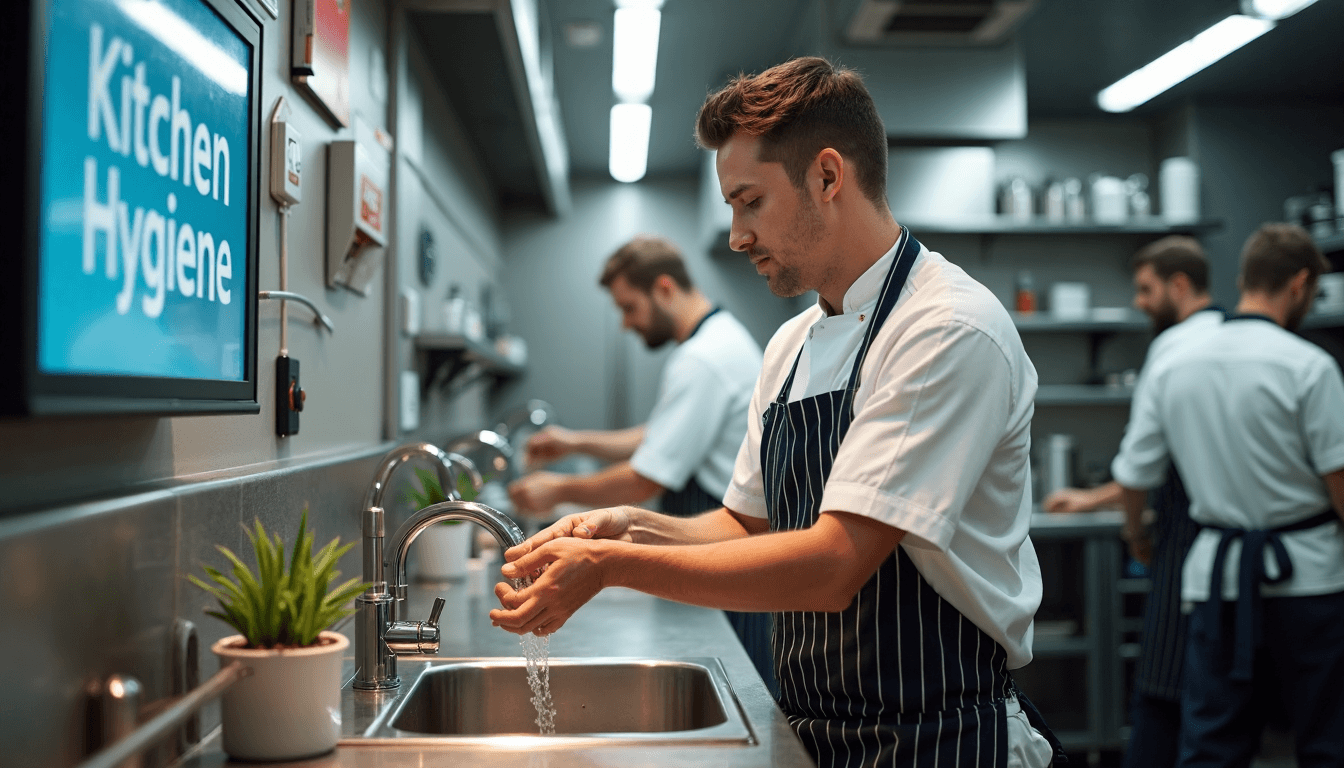
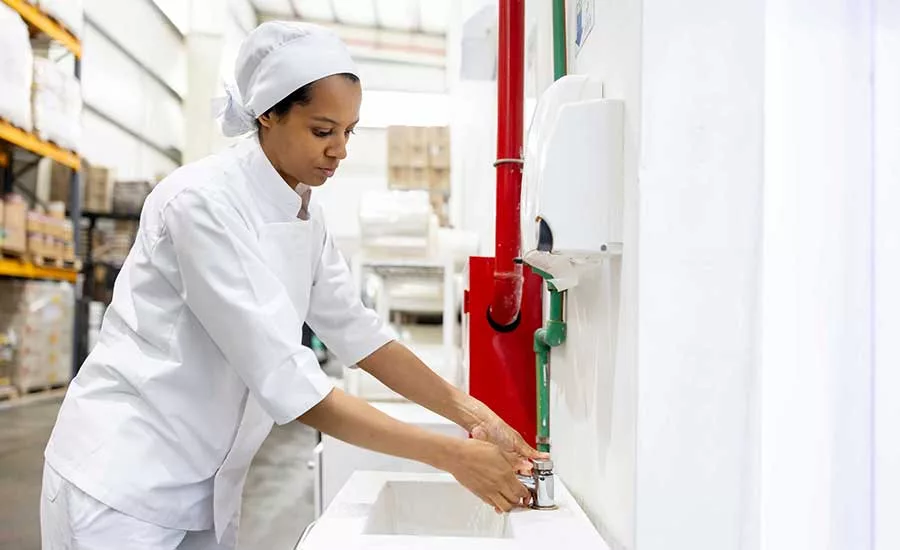
Maintaining personal hygiene is a cornerstone of food safety. Regular handwashing is crucial—before starting work, after breaks, and whenever you switch tasks. Use warm water and soap, scrubbing for at least 20 seconds. Fingernails should be kept short and clean. Long nails and nail polish can harbor bacteria. If you have cuts or wounds, they should be covered with a waterproof bandage.
Protective Gear
Wearing the right protective gear can make a huge difference. Hairnets or hats prevent hair from falling into food. Gloves are essential, especially when handling ready-to-eat items. Aprons or uniforms should be worn to protect clothing. Make sure they are clean and changed regularly. But remember, gloves and aprons are not a substitute for proper handwashing.
Avoiding Cross-contamination
Cross-contamination can easily happen if you're not careful. Always use separate cutting boards for raw meats and vegetables. Label them to avoid any mix-up. Keep raw and cooked foods separate in storage. Store raw meat on lower shelves to prevent drips onto other foods. Regularly sanitize surfaces and utensils to kill any lingering bacteria. What steps do you take to ensure safety in your kitchen? Implement these practices consistently, and you'll contribute to a safer food environment. Your efforts not only protect you but also the people who enjoy your food.
Checking And Verifying Cleanliness
Checking and verifying cleanliness in a kitchen is more than just a quick glance. It ensures that the hard work you put into cleaning and sanitizing actually meets safety standards. Taking the time to confirm cleanliness protects both your customers and your reputation.
Visual Inspection
Look closely at all surfaces, equipment, and utensils. Are there any spots that look greasy, sticky, or dusty? Even small residues can hide harmful bacteria.
Use good lighting and don’t rush. Sometimes, what looks clean at first can reveal hidden dirt under closer scrutiny. Ask yourself: would you feel confident preparing food on this surface?
Use Of Test Strips
Test strips provide a scientific way to verify sanitation. They measure the presence of chemical residues or bacteria on surfaces after cleaning.
Carry strips for different sanitizers and follow instructions carefully. A color change can tell you if the area is truly sanitized or if you need to clean again.
Have you ever thought about how much you rely on your eyes alone? Test strips add an extra layer of certainty, turning assumptions into facts.
Record Keeping
Keep detailed records of your cleaning checks. Note the date, time, areas inspected, and test strip results.
This practice helps you track patterns and identify areas needing improvement. It also provides evidence during health inspections.
Imagine the confidence you’ll have when you can show proof that every cleaning step was verified and documented. How could this change your daily routine?
Credit: www.food-safety.com
Common Challenges And Solutions
Cleaning and sanitizing a kitchen is no easy task. You will face several challenges that can slow down the process or reduce its effectiveness. Understanding these common hurdles and knowing how to tackle them can make your work smoother and your kitchen safer.
Dealing With Tough Stains
Some stains refuse to come off easily. Grease, burnt food, and dried sauces often require more than just soap and water.
Try using a mixture of baking soda and vinegar for stubborn grease. Apply it, let it sit for a few minutes, then scrub gently.
Remember, harsh scrubbing can damage surfaces. Use a soft brush or cloth to protect your kitchen equipment.
Maintaining Equipment
Kitchen tools and machines need regular care to stay in good shape. Neglecting them can cause breakdowns and costly repairs.
Set a schedule to clean, inspect, and lubricate equipment. Pay attention to parts that get dirty quickly, like blender blades and oven seals.
If you notice wear and tear, replace parts promptly. This prevents bigger problems and keeps your kitchen running efficiently.
Time Management
Cleaning a busy kitchen can be overwhelming if you don’t manage your time well. Balancing cleaning tasks with cooking duties is challenging.
Break down the cleaning into smaller steps and spread them out during quieter periods. Prioritize high-touch and high-risk areas like cutting boards and door handles.
Ask yourself: How can you fit cleaning into your daily routine without feeling rushed or stressed? Finding that balance makes a big difference.
Frequently Asked Questions
What Are The Key Steps To Clean A Kitchen Effectively?
Effective kitchen cleaning involves removing food debris, scrubbing surfaces with detergent, rinsing thoroughly, and applying sanitizer. Proper drying and ventilation help prevent bacteria growth. Following a systematic approach ensures all areas, including equipment and floors, are hygienic and safe for food preparation.
Why Is Sanitizing After Cleaning Important In Kitchens?
Sanitizing kills remaining germs and bacteria after cleaning removes dirt. This step reduces the risk of foodborne illnesses. It ensures a safe environment for food handling and storage. Proper sanitizing protects both workers and customers from contamination.
How Long Should A Food Worker Spend Cleaning The Kitchen?
The cleaning duration depends on kitchen size and tasks but usually takes 30 to 60 minutes. Thorough cleaning and sanitizing should not be rushed to ensure all surfaces are properly treated. Consistency in timing maintains hygiene standards daily.
What Cleaning Agents Are Safe For Kitchen Surfaces?
Use food-safe detergents and sanitizers approved by health authorities. Avoid harsh chemicals like bleach on food contact surfaces unless properly rinsed. Always follow manufacturer instructions for cleaning products to ensure safety and effectiveness in kitchens.
Conclusion
A food worker cleans and sanitizes the kitchen carefully. This keeps the space safe for cooking and eating. Clean kitchens stop germs from spreading. Workers follow steps to remove dirt and kill bacteria. This helps prevent food poisoning and illness.
Regular cleaning also keeps equipment working well. A tidy kitchen shows good care and respect for food. Everyone benefits from a clean kitchen environment. It makes cooking safer and more pleasant. Good hygiene is key to a healthy kitchen.