
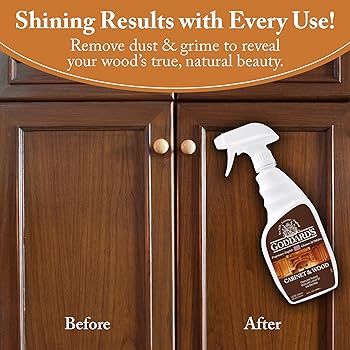
Your kitchen cabinets are the heart of your cooking space, but keeping them spotless can be a real challenge. You want a cleaner that not only removes grease and grime but also protects the finish and keeps your cabinets looking fresh for longer.
Imagine opening your kitchen and seeing cabinets that shine without harsh chemicals or endless scrubbing. If you’ve been searching for a good kitchen cabinet cleaner that actually works, you’re in the right place. Keep reading, and discover how to make your cabinets gleam effortlessly, saving you time and stress every day.
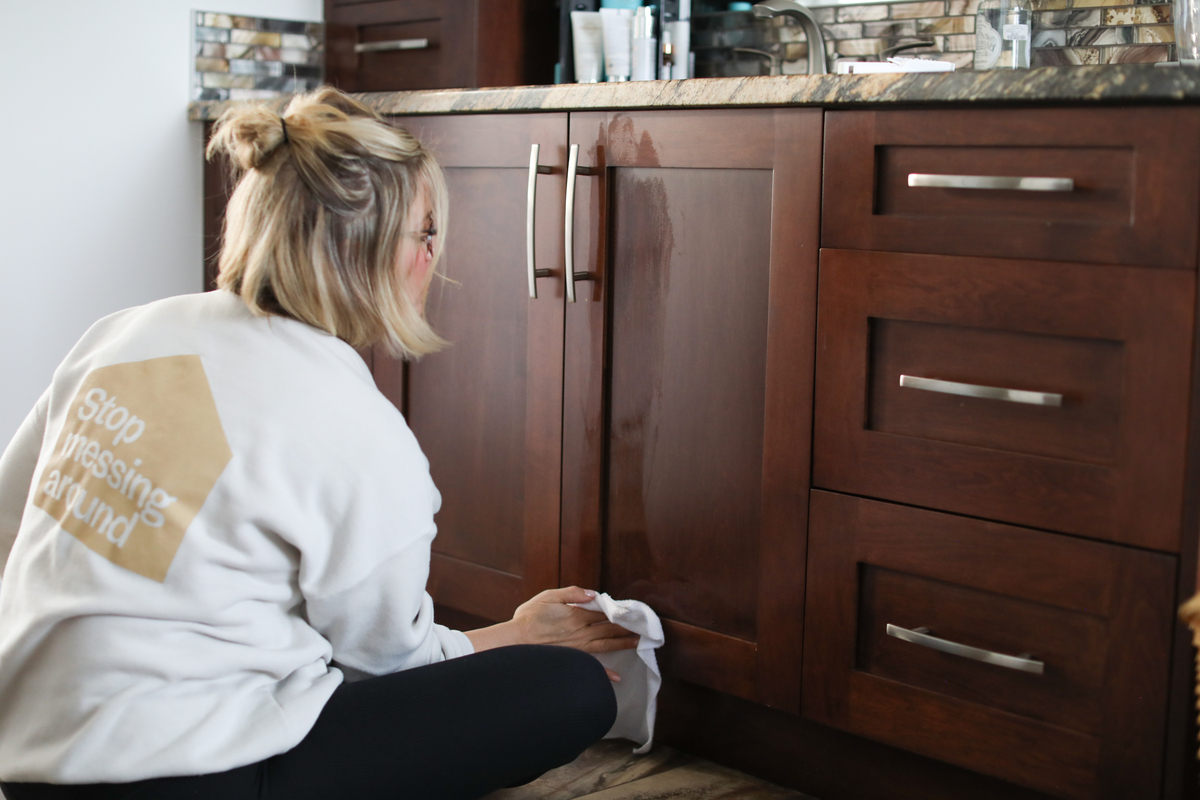
Credit: www.housework.com
Choosing The Right Cleaner
Choosing the right cleaner for kitchen cabinets is important. It helps keep cabinets clean without damage. Different cleaners suit different materials and stains. Knowing the options makes cleaning easier and safer. This guide explains types of cleaners, natural versus chemical options, and safety tips.
Types Of Kitchen Cabinet Cleaners
Cleaners come in many forms. Each targets specific needs. Common types include:
- Sprays: Easy to use for quick cleaning.
- Wipes: Pre-moistened for convenience.
- Gels: Thick, cling to surfaces for deep cleaning.
- Powders: Often mixed with water for scrubbing.
Choose a type based on how dirty the cabinets are. Also, consider the material of your cabinets.
Natural Vs Chemical Cleaners
Natural cleaners use ingredients like vinegar, baking soda, or lemon. They are gentle and eco-friendly. Chemical cleaners contain stronger agents for tough stains. They work fast but can be harsh.
Natural options suit light cleaning and sensitive surfaces. Chemical cleaners fit heavy grease or sticky residue. Read labels to understand what each cleaner does.
Safety Considerations
Safety is key when picking a cleaner. Check if it is safe for children and pets. Avoid cleaners with strong fumes if you have breathing issues. Use gloves to protect your skin from irritation. Always ventilate the room well during cleaning.
Test any cleaner on a small cabinet area first. Watch for discoloration or damage. Store cleaners out of reach of kids and pets. Follow all instructions on the label carefully.
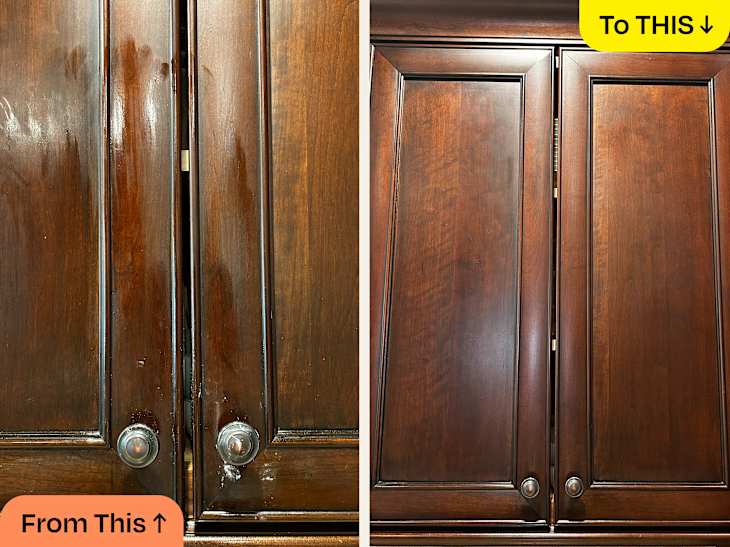
Credit: www.thekitchn.com
Preparing Cabinets For Cleaning
Preparing your kitchen cabinets for cleaning ensures the best results and protects your surfaces. Taking a few simple steps before applying any cleaner helps avoid damage and makes the process smoother. Proper preparation also helps remove surface dirt, so the cleaner can work more effectively.
Removing Dirt And Dust
Start by wiping cabinets with a dry microfiber cloth. This removes loose dust and dirt particles. Use a soft brush to clean corners and edges. Avoid using water at this stage to prevent spreading grime. Removing surface dirt prevents scratches during cleaning.
Protecting Surrounding Areas
Cover nearby countertops and appliances with a cloth or plastic sheet. This protects them from cleaner splashes or drips. Tape edges of coverings to keep them in place. Remove or move fragile items away from the cabinets. Protecting the area keeps your kitchen safe and tidy.
Testing Cleaner On Small Areas
Choose a hidden spot on the cabinet to test the cleaner. Apply a small amount and wait a few minutes. Check for any discoloration or damage to the finish. Testing helps avoid ruining visible areas. Only proceed if the cleaner is safe for your cabinets.
Cleaning Techniques
Cleaning your kitchen cabinets effectively means more than just wiping the surface. The right techniques ensure that dirt, grease, and grime are removed without damaging the finish. Knowing how to approach different parts of your cabinets will save you time and keep them looking fresh longer.
Wiping And Scrubbing Methods
Start with a soft cloth or sponge dipped in warm, soapy water. Gently wipe the cabinet surfaces to remove dust and light dirt. Avoid harsh scrubbing that can scratch the finish; instead, use circular motions to lift away grime.
If you encounter sticky spots, dampen a cloth with a mixture of vinegar and water. This natural solution cuts through grease without harming wood or paint. Always dry the cabinets afterward to prevent water damage.
Dealing With Stubborn Stains
Stains like grease or food residue may need stronger attention. Apply a paste made from baking soda and water directly to the stain. Let it sit for a few minutes before scrubbing gently with a soft brush or cloth.
For persistent marks, a commercial cabinet cleaner designed for your cabinet’s material can help. Test it on a small hidden area first to avoid discoloration. What’s the toughest stain you've faced on your cabinets, and how did you handle it?
Cleaning Hinges And Handles
Don’t overlook hardware when cleaning cabinets. Hinges and handles collect dust and grease, which can affect their function. Use an old toothbrush dipped in soapy water to scrub these small parts thoroughly.
Dry metal hardware immediately to prevent rust. If you notice squeaky hinges, a drop of lubricant can make a big difference. Maintaining these details keeps your cabinets working smoothly and looking sharp.
Maintaining Spotless Cabinets
Maintaining spotless kitchen cabinets keeps your space fresh and inviting. Clean cabinets improve the look of your whole kitchen. Dirt and grease can build up fast, making cabinets dull and sticky. A good kitchen cabinet cleaner helps remove grime without damage. Regular care prevents stains and prolongs cabinet life.
Regular Cleaning Schedule
Set a weekly cleaning routine for your cabinets. Wipe cabinets with a soft cloth and a mild cleaner. Avoid harsh chemicals that can strip finishes. Focus on handles and edges where dirt gathers. A quick clean prevents tough buildup and stains.
Preventing Damage And Wear
Use gentle cleaning tools to protect cabinet surfaces. Avoid scrubbing with abrasive pads that cause scratches. Dry cabinets after cleaning to stop water damage. Keep heat and moisture away from wood cabinets. Use coasters or mats under items that can cause stains.
Tips For Long-lasting Shine
- Apply a polish made for your cabinet type once a month.
- Wipe spills immediately to avoid permanent marks.
- Use soft microfiber cloths for dusting and cleaning.
- Open windows to reduce humidity in the kitchen.
- Choose a cleaner that maintains the cabinet’s finish.
Diy Kitchen Cabinet Cleaners
Keeping kitchen cabinets clean is essential. Dust and grime can accumulate quickly. DIY kitchen cabinet cleaners offer a simple solution. They're cost-effective and easy to make at home.
Simple Homemade Recipes
Creating a kitchen cabinet cleaner at home is straightforward. You can use common household ingredients. Here are some easy recipes:
- Mix equal parts of vinegar and water for a basic cleaner.
- Add a few drops of dish soap for extra grease cutting power.
- For a fresh scent, include a few drops of essential oil.
Ingredients To Avoid
Not all ingredients are safe for cabinets. Some can damage finishes. Avoid these:
- Bleach, as it can strip paint and finishes.
- Ammonia, which may cause discoloration.
- Strong acids, like pure lemon juice, which can erode surfaces.
Eco-friendly Cleaning Solutions
Eco-friendly solutions are great for the environment. They are also safe for your home. Try these ideas:
- Use baking soda mixed with water for a gentle scrub.
- Combine vinegar and baking soda for a powerful cleaner.
- Olive oil can help polish wooden cabinets naturally.
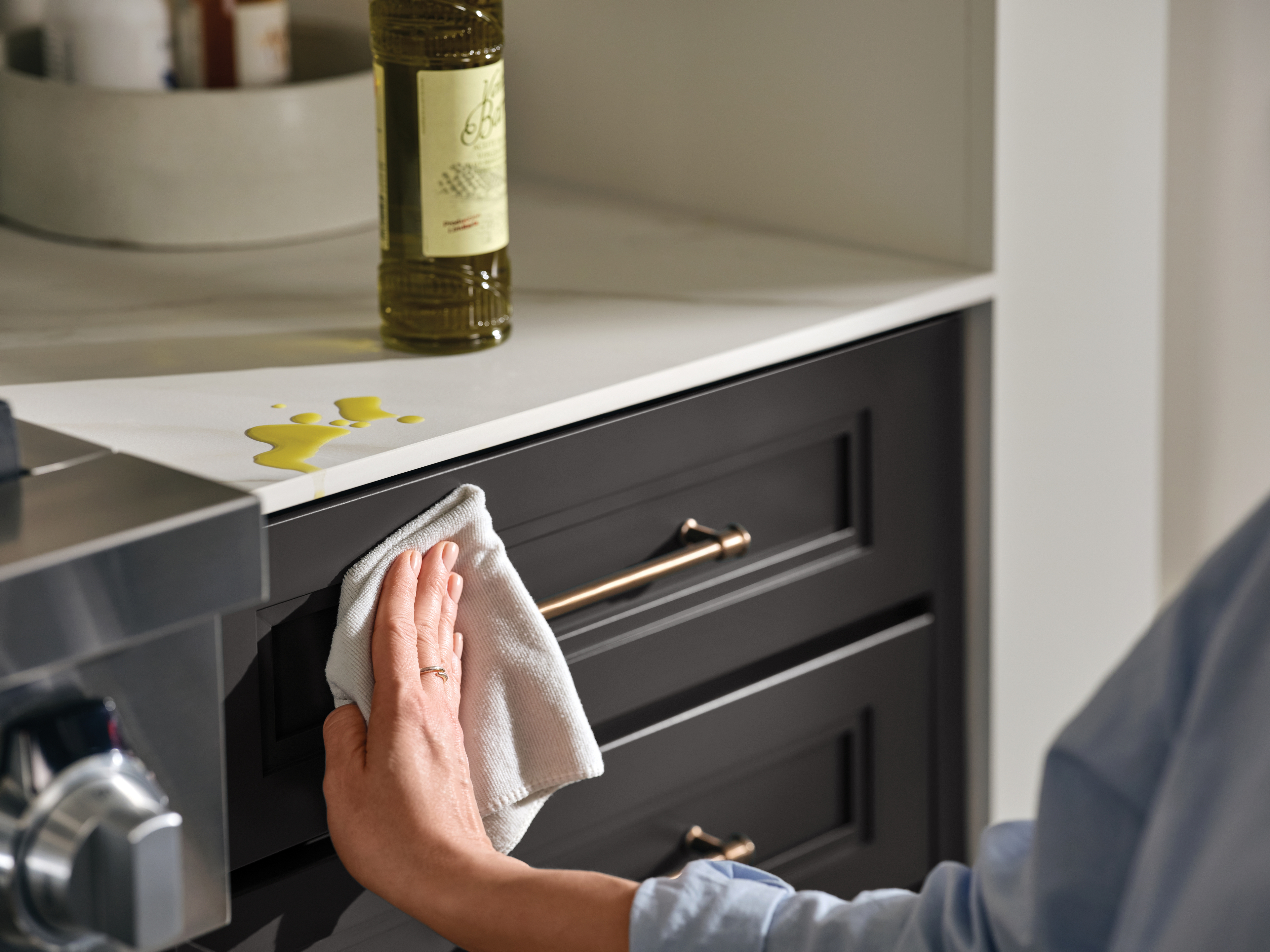
Credit: www.kraftmaid.com
Frequently Asked Questions
What Is The Best Kitchen Cabinet Cleaner For Wood?
A good kitchen cabinet cleaner for wood is gentle yet effective. It removes grease without damaging the finish. Look for cleaners with natural ingredients or mild detergents for safe, thorough cleaning.
How Often Should I Clean Kitchen Cabinets?
Clean kitchen cabinets every two weeks to maintain their appearance. Regular cleaning prevents buildup of grease and dirt. Wipe with a soft cloth and suitable cleaner for best results.
Can I Use Homemade Cleaners For Kitchen Cabinets?
Yes, homemade cleaners using vinegar and water work well. They remove grease and grime safely. Avoid harsh chemicals that can damage cabinet surfaces or finishes.
Are Kitchen Cabinet Cleaners Safe For All Finishes?
Most kitchen cabinet cleaners are safe for common finishes like wood, laminate, and painted surfaces. Always check product labels. Test in a small area to avoid damage.
Conclusion
A good kitchen cabinet cleaner keeps your cabinets bright and fresh. It removes dirt, grease, and stains easily. Using the right cleaner saves time and effort. Clean cabinets make your kitchen look neat and welcoming. Choose a cleaner that is safe for your cabinet material.
Regular cleaning helps cabinets last longer. Small steps lead to a tidy kitchen. Start today and enjoy a cleaner space. Your kitchen deserves the best care.