
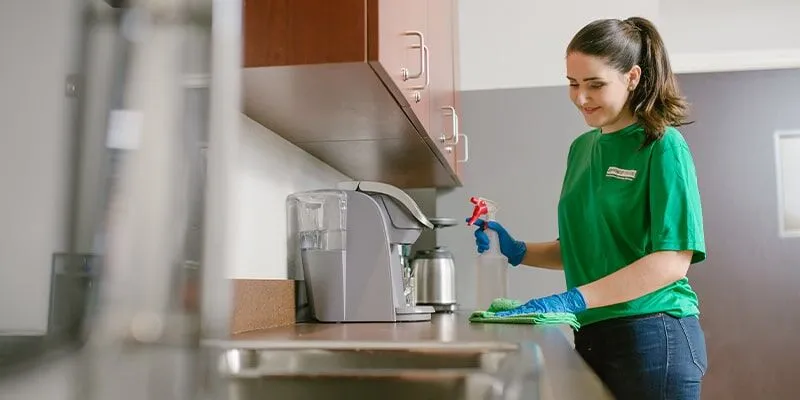
Imagine stepping into your kitchen and feeling an instant sense of calm because everything is spotless and in its place. You might think cleaning a kitchen is a chore, but what if the process itself could bring you clarity and satisfaction?
When your kitchen is in the process of being cleaned, it’s not just about tidying up—it’s about creating a space where you can cook, relax, and connect with those you love. You’ll discover how cleaning your kitchen can transform your daily routine and boost your mood, making every moment spent there more enjoyable.
Ready to see your kitchen—and your day—in a whole new light? Keep reading.
Preparing For Cleaning
Preparing the kitchen for cleaning sets the stage for a smooth and efficient process. It reduces stress and saves time. Taking a few moments to organize makes the entire task easier. The key is to have everything ready before you start. This helps avoid interruptions and keeps the flow steady.
Gather Essential Supplies
Start by collecting all cleaning tools and products. Include sponges, scrubbers, dish soap, and all-purpose cleaner. Have microfiber cloths and gloves nearby. A trash bag or bin is also useful for waste. Setting these items in one spot prevents running around later.
Declutter Countertops
Clear off all items on the countertops. Put away dishes, utensils, and small appliances. Remove food containers and scraps. This gives you clear surfaces to clean thoroughly. It also helps spot hidden dirt or stains.
Organize Cleaning Zones
Divide the kitchen into sections to clean one area at a time. Focus on the sink, stove, countertops, and fridge separately. This approach keeps the process orderly. It also ensures no spot is missed or rushed through.

Credit: www.shutterstock.com
Cleaning Appliances
Cleaning appliances is a key part of kitchen maintenance. These tools often collect grease, food residue, and spills. Regular cleaning keeps them working well and extends their life. It also makes cooking safer and more enjoyable. Focus on each appliance carefully to remove dirt and grime effectively.
Stovetop And Oven Care
Start by removing burner grates and knobs. Soak them in warm, soapy water. Use a soft cloth to wipe the stovetop surface. Avoid abrasive cleaners that can scratch. For the oven, use a mixture of baking soda and water to create a paste. Spread it inside the oven and let it sit overnight. Wipe it clean with a damp cloth the next day. This helps remove baked-on food and grease.
Microwave Cleaning Tricks
Place a microwave-safe bowl with water and lemon slices inside. Heat it for five minutes until steam forms. The steam loosens food splatters and stains. Carefully wipe the interior with a soft cloth. Clean the turntable and door seals to remove hidden dirt. This method freshens the microwave without harsh chemicals.
Refrigerator Maintenance
Remove all food and shelves before cleaning. Wash shelves and drawers with warm, soapy water. Wipe the interior walls with a solution of water and baking soda. This removes odors and prevents mold. Check door seals for dirt and clean with a damp cloth. Regular cleaning keeps food fresh and the fridge running efficiently.
Surface Cleaning Techniques
Surface cleaning is the backbone of kitchen upkeep. It’s not just about making things look neat; it’s about maintaining hygiene and protecting your kitchen materials. Focusing on key areas can make your cleaning more effective and less overwhelming.
Countertops And Backsplashes
Start with a clear countertop to avoid spreading dirt around. Use a gentle cleaner that suits your countertop material—granite, laminate, or wood all need different care. Spray the cleaner and wipe with a microfiber cloth to lift grime without scratching.
Backsplashes collect splashes from cooking and washing. Don’t skip scrubbing grout lines if you have tiles; a toothbrush and baking soda paste can work wonders here. Have you noticed how a clean backsplash instantly brightens up your kitchen?
Cabinet Doors And Handles
Cabinet fronts can gather fingerprints and grease, especially near the stove. Use a mild dish soap solution on a soft cloth to wipe down doors gently. For handles, which often harbor germs, a disinfecting wipe or spray is a smart choice.
Cleaning handles regularly not only looks better but also helps reduce the spread of bacteria. Try wiping handles every day—it takes just seconds but makes a big difference over time.
Sink And Faucet Shine
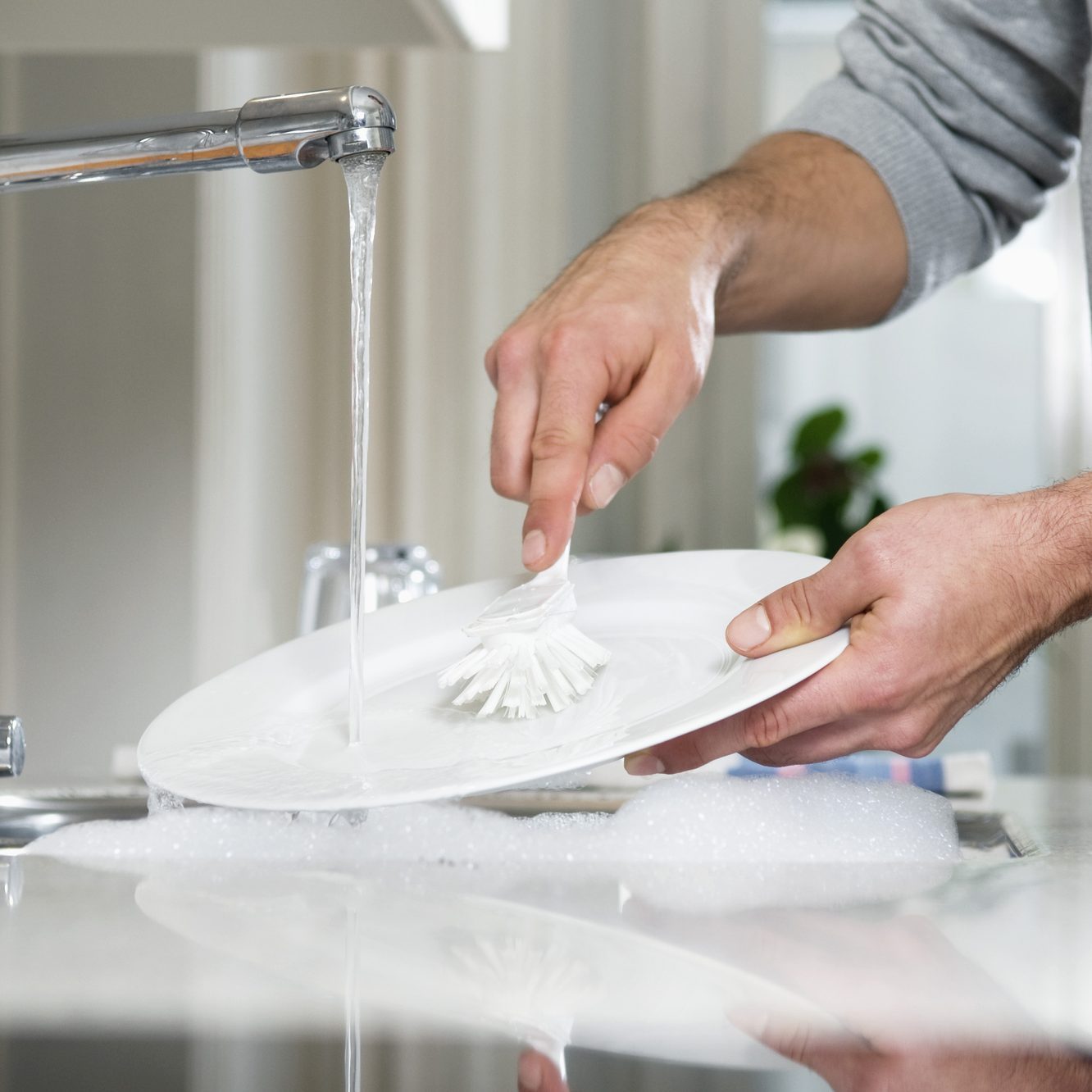
Your sink and faucet are the busiest spots in the kitchen and often show water spots and stains. Use a non-abrasive cleaner or a vinegar-water mix to remove mineral deposits. Wipe dry with a soft cloth to prevent water marks.
Polishing your faucet after cleaning keeps it sparkling and extends its life. Have you ever noticed how a shiny faucet can make the whole sink area look fresher?
Credit: www.tasteofhome.com
Floor And Trash Management
Cleaning a kitchen floor requires careful trash removal to keep the area tidy and safe. Sweeping and disposing of waste ensures a fresh, clean space ready for cooking. Proper floor and trash management prevents dirt buildup and odors.
Managing the floor and trash in your kitchen is crucial for maintaining a clean and welcoming space. A spotless floor and well-managed trash system contribute to the overall hygiene and aesthetics of your kitchen. Let's explore effective strategies to make your kitchen cleaning routine both efficient and satisfying.
Sweeping And Mopping Tips
Start by sweeping your kitchen floor daily to prevent dirt and crumbs from accumulating. Use a broom with firm bristles that can reach into corners. For mopping, choose a gentle cleaning solution that suits your floor type. A microfiber mop can be highly effective as it picks up dust and grime without damaging the surface. Remember, allowing the floor to dry thoroughly after mopping prevents slips and ensures a streak-free shine. Do you find time to mop your floor regularly?
Handling Kitchen Waste
A well-organized waste management system is key to a clean kitchen. Use separate bins for recyclables, compost, and trash to make disposal easier. Consider using bags with odor-blocking technology in your trash bins. This can significantly reduce unpleasant smells. Empty your trash daily, especially if you’ve cooked with potent ingredients like fish or onions. This habit keeps your kitchen fresh and inviting.
Preventing Odors
Odors can quickly become a nuisance in the kitchen. Sprinkle baking soda at the bottom of your trash bin to neutralize smells. Keep a small container of activated charcoal or coffee grounds near the trash can. These natural deodorizers absorb odors effectively. Regularly clean your trash bins with warm, soapy water to eliminate lingering odors. How often do you refresh the air in your kitchen? By implementing these strategies, you can enjoy a kitchen that feels as good as it looks.
Deep Cleaning Tips
Deep cleaning a kitchen takes time and effort. It removes hidden dirt and grime that regular cleaning misses. This process makes your kitchen safer and more pleasant to use. Follow these tips to tackle tough spots and keep your kitchen shining longer.
Removing Stubborn Stains
Stubborn stains need special care. Use a paste made from baking soda and water. Apply it to the stain and let it sit for 10 minutes. Scrub gently with a soft brush or cloth. For grease stains, a mixture of vinegar and dish soap works well.
Avoid harsh chemicals that can damage surfaces. Test any cleaner on a small area first. Rinse thoroughly after cleaning to remove residue. Repeat the process if stains remain.
Cleaning Hard-to-reach Areas
Hard-to-reach spots collect dust and grime over time. Use a long-handled brush or a microfiber cloth attached to a stick. Corners, under appliances, and behind cabinets need attention. A vacuum with a narrow nozzle can help remove debris.
Don’t forget vents and light fixtures. These areas often get overlooked but affect air quality. Clean slowly and carefully to avoid damage.
Maintaining Sparkle Over Time
Keep your kitchen bright with regular simple steps. Wipe surfaces daily with a damp cloth. Dry them immediately to avoid water spots. Use mild cleaners regularly to prevent buildup.
Organize items to reduce clutter. Store food and utensils properly to avoid spills. Schedule a deep clean every few months to stay ahead of grime and stains.
:max_bytes(150000):strip_icc()/GettyImages-1254789064-6571360f3d11456193d86e144b5cf152.jpg)
Credit: www.thespruce.com
Safety And Eco-friendly Tips
Keeping your kitchen clean is important, but safety and eco-friendliness should never be an afterthought. The products and methods you choose can impact your health and the environment. Let’s look at simple ways to keep your kitchen spotless without compromising safety or the planet.
Using Non-toxic Cleaners
Non-toxic cleaners protect your family from harmful chemicals often found in conventional products. You can easily find or make cleaners using natural ingredients like vinegar, baking soda, and lemon juice. These alternatives work well on grease and stains without releasing dangerous fumes.
Think about the last time you used a strong chemical cleaner—did the smell linger long after you finished? Switching to non-toxic options can reduce respiratory irritation and allergic reactions. Plus, they are safer if you have kids or pets around.
Proper Ventilation
Good airflow is key when cleaning your kitchen. Open windows or use exhaust fans to clear out any dust or fumes from cleaning products. This simple step helps prevent dizziness, headaches, or breathing issues that can come from inhaling harsh substances.
Even with natural cleaners, ventilation matters. Have you noticed how stale air makes a room feel stuffy and uncomfortable? Fresh air not only improves safety but also speeds up drying time, letting you get back to cooking faster.
Safe Handling Of Chemicals
If you do use stronger cleaning agents, handle them with care. Always read the labels and follow the instructions exactly. Wearing gloves and keeping cleaners out of reach of children can prevent accidents.
Do you store your cleaning supplies in a secure, well-organized spot? Keeping chemicals in their original containers and away from food storage areas reduces the risk of mix-ups or contamination. Small changes in how you handle these products can make a big difference in your kitchen’s safety.
Frequently Asked Questions
What Are The Best Steps To Clean A Kitchen Efficiently?
Start by decluttering countertops and putting items away. Next, wipe surfaces with a disinfectant. Clean appliances, sink, and floors last for a thorough finish. This method saves time and ensures a spotless kitchen.
How Often Should A Kitchen Be Deep Cleaned?
Deep cleaning is recommended once a month. It involves cleaning behind appliances, inside cabinets, and detailed scrubbing. Regular deep cleaning prevents buildup and keeps your kitchen hygienic and fresh.
What Cleaning Supplies Are Essential For Kitchen Cleaning?
Basic supplies include all-purpose cleaner, disinfectant wipes, microfiber cloths, scrub brushes, and a mop. These tools cover all surfaces and help maintain cleanliness quickly and effectively.
How Can I Make Kitchen Cleaning Less Time-consuming?
Organize cleaning tasks into daily, weekly, and monthly routines. Clean as you cook to avoid buildup. Using the right tools and products speeds up the process and keeps your kitchen tidy.
Conclusion
A clean kitchen feels fresh and welcoming. It helps keep your family healthy. Regular cleaning stops germs from spreading. A tidy space makes cooking easier and more fun. Small daily tasks prevent big messes later. Taking time to clean shows care for your home.
Everyone enjoys a neat and organized kitchen. Keep the habit, and your kitchen stays bright and safe. Simple steps lead to lasting cleanliness. Your effort makes a big difference every day.