
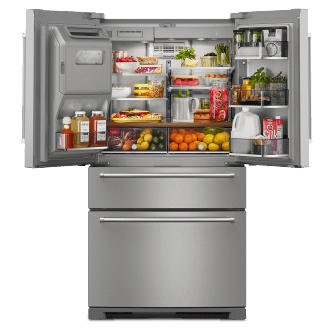
Imagine opening your kitchen refrigerator and instantly finding everything fresh, organized, and easy to reach. Your refrigerator isn’t just an appliance—it’s the heart of your kitchen, keeping your food safe and your meals hassle-free.
But how well do you really know your kitchen refrigerator? You’ll discover simple tips and smart tricks to get the most out of it. Whether you want to save money, reduce waste, or keep your food fresher for longer, this guide is made just for you.
Keep reading to transform your everyday kitchen experience.
Choosing The Right Size
Choosing the right size for a kitchen refrigerator is essential for daily convenience and food storage efficiency. A fridge that is too small will not hold enough groceries. A fridge that is too large wastes space and energy. Understanding your needs helps to find the perfect balance.
Assessing Your Household Needs
Think about the number of people in your home. More people need more storage space. Consider your shopping habits. Do you buy fresh produce often or store frozen meals? Also, check how much space you need for drinks and snacks.
Note any special needs like storing large platters or tall bottles. This helps determine the right fridge volume and shelf layout. A family of four usually needs about 20 cubic feet of space. Singles or couples may need less.
Balancing Capacity And Space
Measure your kitchen space carefully. Include width, depth, and height. Leave room for door clearance and ventilation. A fridge that fits well keeps your kitchen comfortable and functional.
Choose a size that matches your kitchen layout. Large refrigerators may overwhelm small kitchens. Smaller units may cause frequent trips to the store. Think about energy use too. Bigger fridges use more power.
Consider these points:
- Check door swing direction and nearby cabinets
- Allow at least two inches of clearance on all sides
- Match fridge size to your cooking and eating habits
- Look for models with adjustable shelves for flexibility

Credit: www.amazon.ca
Energy-efficient Features
Energy-efficient features in kitchen refrigerators help save electricity and reduce bills. They keep food fresh longer while using less power. Choosing the right features benefits both your home and the environment.
Look For Energy Star Ratings
Energy Star ratings show how efficient a refrigerator is. Models with this label use less energy than standard ones. This means lower electricity bills and less impact on nature. Always check for Energy Star certification before buying.
Smart Cooling Technologies
Smart cooling systems keep temperature steady inside the fridge. They adjust cooling based on how much food is stored. This avoids wasting energy by cooling too much or too little. Sensors and fans work together for even cooling.
Inverter Compressors
Inverter compressors change speed to match cooling needs. They do not run at full power all the time. This saves energy and reduces noise. Inverter technology also helps the fridge last longer.
Placement And Installation Tips
Choosing the right spot for your kitchen refrigerator is key to its performance and lifespan. Proper placement and installation help the fridge run smoothly and save energy. Consider space, heat, and airflow to keep the appliance working well.
Optimal Location In The Kitchen
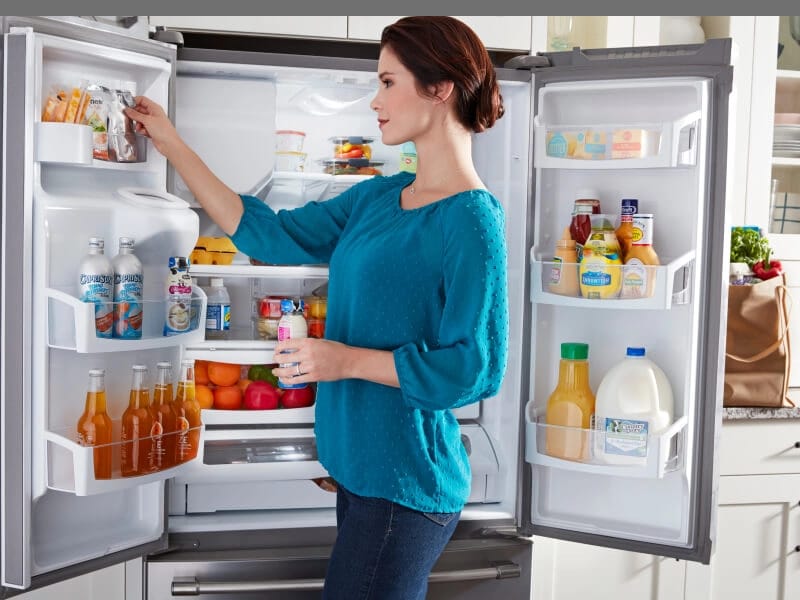
Place the refrigerator near the main cooking area but not too close to the stove. This makes it easy to access ingredients while cooking. Keep it away from direct sunlight to avoid extra heat. Choose a spot with enough room to open doors fully and allow easy cleaning.
Avoiding Heat Sources
Heat makes the refrigerator work harder. Avoid placing it near ovens, dishwashers, or heaters. These appliances raise the temperature around the fridge, increasing energy use. A cooler environment helps the fridge keep food fresh without extra effort.
Ensuring Proper Ventilation
Good airflow around the refrigerator is vital. Leave space on all sides for air to circulate. Check the manufacturer’s guidelines for exact clearance measurements. Proper ventilation prevents overheating and improves efficiency. Keep vents clear of dust and obstructions for better cooling.
Credit: www.maytag.com
Maintenance For Efficiency
Regularly cleaning the coils and checking door seals keeps your kitchen refrigerator running smoothly. This simple care reduces energy use and prevents costly repairs.
Maintaining your kitchen refrigerator is essential for ensuring it runs efficiently and prolongs its lifespan. Regular upkeep not only saves you money on energy bills but also ensures your food stays fresh longer. Let's dive into some practical and easy maintenance tips that can make a significant difference.
Cleaning Coils And Seals
Behind or beneath your refrigerator lies a crucial component—the condenser coils. Dust and debris can accumulate here, causing your fridge to work harder than necessary. Using a coil brush or vacuum, gently clean these coils every six months. It's a small task that can lead to noticeable energy savings. Similarly, the door seals need attention. These rubber gaskets ensure a tight close, keeping cold air in. If they're cracked or dirty, they can leak cool air, forcing your fridge to consume more energy. Wipe them regularly with a damp cloth and soapy water to keep them in top shape.
Regular Temperature Checks
Temperature settings play a critical role in your refrigerator's efficiency. Aim for a fridge temperature of around 37°F (3°C) and a freezer temperature of 0°F (-18°C). Regular checks ensure your appliance isn't working overtime to maintain these temperatures. Consider placing a thermometer inside to monitor accurately. If the temperature fluctuates, it could be a sign your fridge needs maintenance or a part replacement.
Defrosting And Organizing
Although many modern refrigerators are frost-free, older models may require manual defrosting. Excessive frost can reduce efficiency by blocking airflow. Defrost your freezer when the frost layer exceeds a quarter-inch. Additionally, how you organize your fridge impacts its performance. Overloading it can restrict airflow and strain the motor. On the other hand, an empty fridge also uses more energy. Balance is key—store items with enough space for air circulation. Have you noticed how a well-organized fridge not only looks better but also makes meal prep a breeze? It’s a win-win for efficiency and convenience.
Design And Style Choices
The design and style of your kitchen refrigerator do more than just impact its look—they influence how well it fits into your daily life and the overall vibe of your kitchen. Choosing the right design involves balancing aesthetics with functionality, ensuring your fridge complements the space while meeting your needs. Let’s explore how you can pick the perfect style to enhance your kitchen.
Matching Kitchen Aesthetics
Think about the style of your kitchen before selecting a refrigerator. If your kitchen features modern, sleek lines, a minimalist fridge with clean edges will blend seamlessly. On the other hand, a rustic or farmhouse kitchen may benefit from a fridge with vintage-inspired elements or panel-ready designs that hide the appliance behind cabinetry.
Consider the scale and proportion of your fridge in relation to your kitchen space. A large, bulky fridge might overwhelm a small kitchen, while a compact, streamlined model can create a balanced look. How do you want your fridge to interact with other kitchen elements like cabinets and countertops?
Color And Finish Options
Color plays a crucial role in your refrigerator’s style. Stainless steel remains popular for its versatility and modern appeal, but don’t overlook matte black, white, or even bold colors that add personality. Some brands offer custom panels that match your cabinetry, creating a seamless appearance.
Finish type affects not only appearance but also maintenance. Fingerprint-resistant finishes are a smart choice if you have kids or a busy kitchen. Would a glossy surface suit your cleaning routine, or would a textured matte finish be easier to maintain?
Handle And Door Styles
Handles can be a subtle style detail or a standout feature. Some refrigerators have recessed handles for a sleek, flush look, while others feature bold, bar-style handles that add a touch of industrial or vintage character. You might even find options with customizable handles to fit your taste.
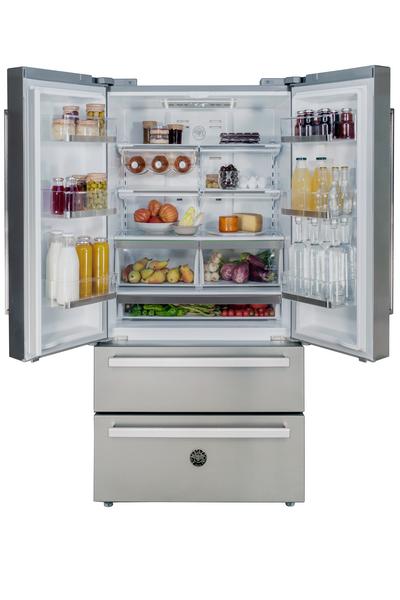
The door style also affects usability and style. French doors offer elegant access and organization, while side-by-side doors provide easy reach to both fridge and freezer. Consider your kitchen layout and how the door swing impacts movement and space. What door style will make your kitchen workflow smoother?
Smart Refrigerators
Smart refrigerators have transformed the way you manage your kitchen. They go beyond just keeping your food cold by connecting with your daily life through technology. These appliances offer features that save time, reduce waste, and improve energy efficiency.
Connectivity Features
Smart refrigerators connect to your home Wi-Fi, allowing you to control settings remotely. You can check the contents from your phone while grocery shopping to avoid buying duplicates.
Many models come with touchscreens that display calendars, weather updates, and even let you stream music or videos. Imagine getting a notification when your milk is about to expire without opening the door.
Energy Monitoring
Energy monitoring helps you track how much power your refrigerator uses daily. This insight encourages smarter energy habits, like adjusting temperature settings to save electricity.
Some smart fridges even suggest optimal energy-saving modes based on your usage patterns. This can lead to noticeable savings on your utility bills over time.
Convenience Enhancements
Smart refrigerators often include voice control compatibility with assistants like Alexa or Google Assistant. You can add items to your shopping list or set reminders hands-free while cooking.
Other features include internal cameras, which let you peek inside without opening the door, keeping the cold air in. This convenience reduces energy waste and keeps your food fresher longer.
Budgeting For Efficiency And Style
Setting a budget for your kitchen refrigerator means more than just picking a price tag. You want a model that fits your style and keeps your energy bills low. Balancing these needs requires careful thought about features and long-term benefits.
Balancing Cost And Features
Think about what features you really need. Do you want a smart fridge with Wi-Fi, or is a basic model enough?
Sometimes, paying a bit more upfront gets you better technology and durability. For example, refrigerators with adjustable shelves and humidity controls often cost a little extra but make your food last longer and keep your kitchen organized.
Ask yourself: which features will save you time or reduce food waste? This can help justify spending a bit more.
Long-term Savings
Energy-efficient refrigerators might cost more initially, but they pay off over time. Look for models with the ENERGY STAR label to cut electricity use.
Think about how much you spend on power monthly. A fridge that uses less energy can reduce your bills significantly over its lifespan.
Have you checked if your utility company offers rebates for energy-efficient appliances? These can lower your upfront costs.
Warranty And Support
Check the warranty terms carefully before buying. A good warranty shows the manufacturer’s confidence in their product.
Extended warranties or service plans can save money if repairs are needed. This is especially helpful if you pick a high-tech fridge with many parts.
Consider the brand’s customer support reputation. Will you get quick help if something goes wrong?
Credit: ca.bertazzoni.com
Frequently Asked Questions
What Size Kitchen Refrigerator Fits Best In Small Spaces?
A compact kitchen refrigerator between 4 to 6 cubic feet fits best in small spaces. It offers essential storage without occupying too much room. This size balances capacity and space efficiency, ideal for apartments or kitchens with limited space.
How To Maintain A Kitchen Refrigerator For Longer Life?
Clean coils and door seals regularly to maintain efficiency. Set the temperature between 37°F and 40°F for optimal freshness. Avoid overloading and defrost the freezer as needed. Proper care extends your refrigerator’s life and saves energy.
What Features Should I Look For In A Kitchen Refrigerator?
Look for adjustable shelves, energy efficiency, and temperature control. Features like frost-free technology and humidity-controlled drawers enhance food preservation. Consider noise level and style to match your kitchen. These features improve convenience and food freshness.
How Much Energy Does A Typical Kitchen Refrigerator Use?
A modern kitchen refrigerator uses around 100 to 800 kWh per year. Energy-efficient models consume less power, reducing electricity bills. Look for ENERGY STAR-certified appliances for best energy savings and environmental benefits.
Conclusion
A kitchen refrigerator keeps food fresh and safe every day. It saves time by storing meals and ingredients well. Choosing the right fridge helps organize your kitchen better. Energy efficiency can lower your electricity bills. A good refrigerator fits your space and needs perfectly.
It supports healthy eating by preserving fruits and vegetables longer. Remember, a reliable fridge makes cooking and meal prep easier. Simple, smart, and essential for every home.