
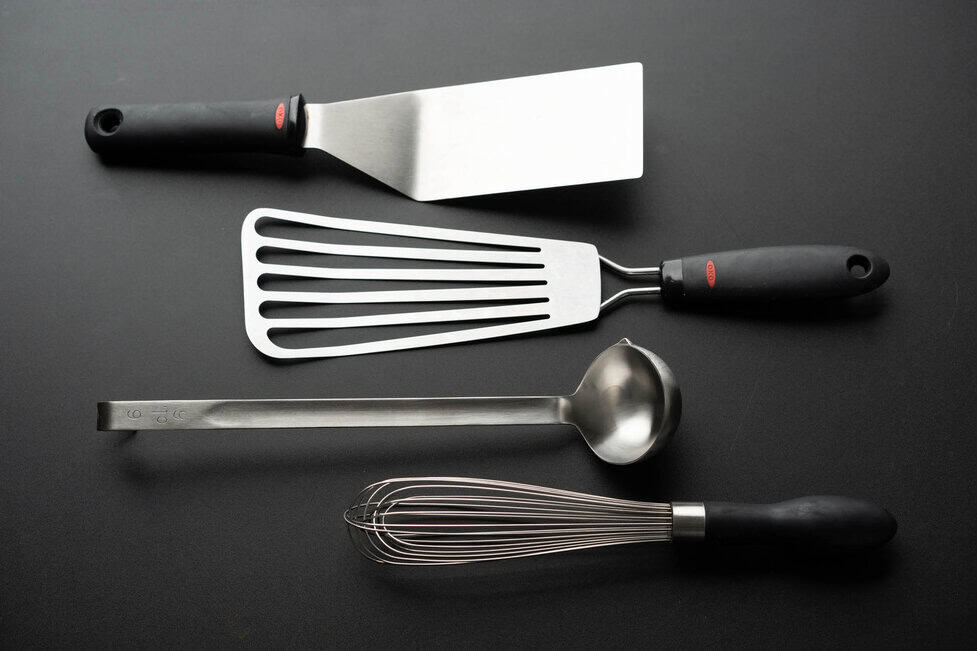
When you want to fry your favorite foods to crispy perfection, the right kitchen utensil makes all the difference. Imagine sizzling golden fries or perfectly seared chicken without the mess or hassle.
You might already have a tool in your kitchen that can turn ordinary cooking into something extraordinary. You’ll discover the essential utensil that helps you fry like a pro, making your meals tastier and your cooking easier. Keep reading to find out how this simple tool can transform your frying experience.
Popular Frying Utensils
Frying is a fundamental cooking technique that brings out rich flavors and satisfying textures. The right utensil can make all the difference in achieving crispy, evenly cooked dishes. Let’s look at some popular frying utensils that can elevate your kitchen game and help you master the art of frying.
Types Of Frying Pans
Frying pans come in various materials such as stainless steel, cast iron, and non-stick coatings. Each type offers unique advantages depending on what you’re cooking. For instance, cast iron pans hold heat well and create a perfect sear, while non-stick pans require less oil and are easier to clean.
Have you noticed how your food sticks less in a non-stick pan? That’s why many home cooks prefer them for everyday frying. But if you crave that crispy crust on a steak or vegetables, a cast iron skillet might be your best friend.
Role Of Skillets
Skillets are versatile frying utensils with slightly higher sides than regular frying pans. These sides help contain splatters and allow you to cook dishes with sauces or stews more easily. They are perfect for shallow frying, sautéing, and even baking certain recipes.
When I first used a heavy skillet, I realized how much better it distributes heat compared to thinner pans. This even heating helps avoid hot spots that burn your food. Would you try swapping your regular pan for a skillet next time you cook?
Benefits Of Deep Fryers
Deep fryers offer controlled temperature settings and consistent heat, making deep frying safer and more efficient. They reduce oil splatter and can cook food faster and more evenly than pan frying. Plus, they often have baskets that make it easy to lift out food once it’s crispy.
Using a deep fryer at home changed how I approach fried foods. The crispiness and texture were hard to achieve with just a pan. Have you considered a deep fryer for your kitchen to save time and improve results?

Credit: www.hungryhuy.com
Choosing The Right Material
Choosing the right material for your frying utensil can make a huge difference in how your food cooks and how easy cleanup is afterward. Each material offers unique benefits and drawbacks that affect heat distribution, durability, and maintenance. Understanding these differences helps you pick the best tool for your kitchen style and cooking habits.
Non-stick Vs Cast Iron
Non-stick pans are great if you want quick cooking and easy cleanup. Their smooth surface prevents food from sticking, which means less oil and less mess. However, they can scratch easily and may not last as long if not handled carefully.
Cast iron, on the other hand, takes longer to heat but holds heat exceptionally well. This makes it perfect for frying foods that need consistent, even heat. It requires some care like seasoning to keep it non-stick and rust-free, but many cooks swear by its durability and flavor-enhancing qualities.
Stainless Steel Advantages
Stainless steel is tough and resists rust and corrosion, making it a long-lasting choice. It doesn’t react with acidic or alkaline foods, so your meals taste just as they should. Cleaning might take a bit more effort if food sticks, but the material’s strength and sleek appearance often make it worth it.
Aluminum Cookware Features
Aluminum pans heat up quickly and distribute heat evenly, which helps prevent hot spots that burn food. They are usually lightweight and affordable, making them a popular choice for everyday frying. However, untreated aluminum can react with certain foods, so look for anodized or coated options to protect both your pan and your meal.
Essential Accessories For Frying
Frying is a popular cooking method that requires more than just a pan and oil. Having the right accessories can make frying safer and easier. These tools help control temperature, handle food properly, and improve cooking results. Using essential frying accessories ensures food cooks evenly and tastes better.
Use Of Frying Baskets
Frying baskets hold food securely while frying. They allow oil to drain easily when lifted out. This keeps food crispy and less greasy. Baskets also make it simple to lower and raise food safely. They reduce the risk of oil splashes and burns. Using a basket saves time and keeps the kitchen cleaner.
Importance Of Thermometers
Thermometers measure the oil temperature accurately. Correct temperature is key for perfect frying. Too hot oil burns food outside and leaves it raw inside. Too cool oil absorbs more oil and becomes soggy. Thermometers help maintain the right heat level. This prevents overcooking and undercooking, improving food quality.
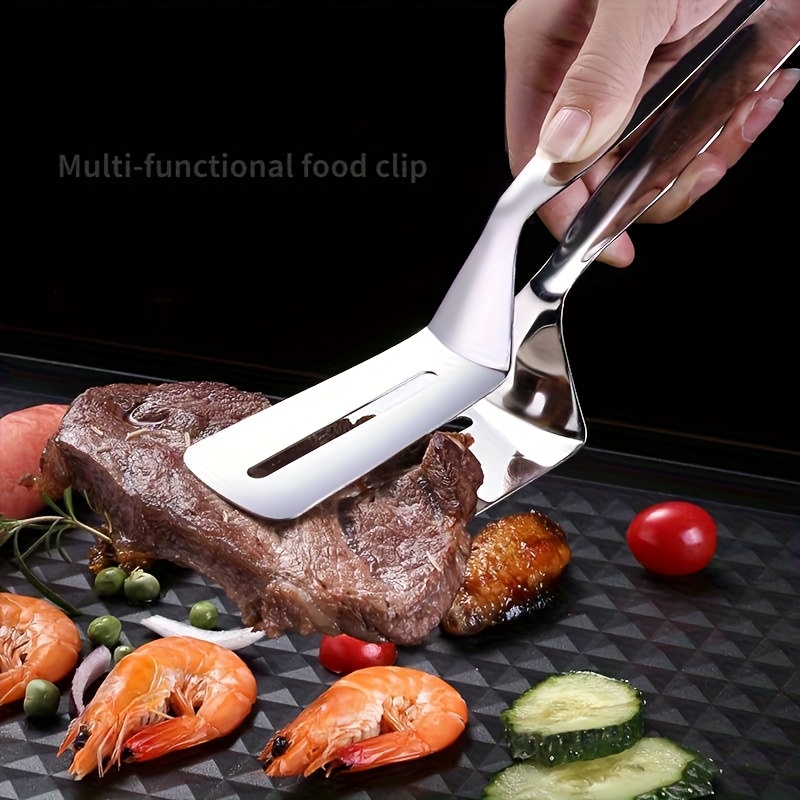
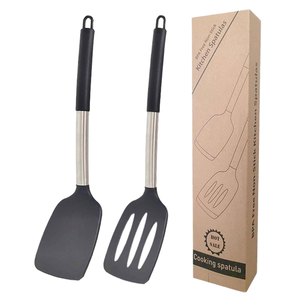
Spatulas And Tongs
Spatulas and tongs help turn and move food in hot oil. They allow precise handling without breaking delicate items. Long handles keep hands safe from oil splashes. These tools give control during frying and serve food neatly. Choosing heat-resistant utensils ensures durability and safety.
Credit: www.temu.com
Tips For Perfect Crisps
A frying pan helps make crisps crispy and golden. Keep oil hot but not smoking for best results. Flip crisps carefully to cook evenly on both sides.
Crispy, golden fries are a delight that can transform an ordinary meal into a memorable feast. Achieving the perfect crisp can be tricky, but with the right techniques, it's entirely possible. Whether you're frying potatoes or any other ingredient, paying attention to detail makes all the difference. Here are some essential tips to ensure your crisps turn out perfectly every time.
Ideal Oil Temperature
Maintaining the right oil temperature is crucial for frying. Too hot, and your crisps will burn; too cool, and they'll absorb excess oil and become soggy. Aim for a temperature between 350°F and 375°F. Use a thermometer to monitor the heat. If you don't have one, drop a small piece of bread into the oil. It should sizzle and turn golden brown in about 60 seconds. This simple test can help you gauge the heat effectively.
Proper Oil Types
Choosing the right oil significantly impacts the flavor and texture of your crisps. Oils with high smoke points, like canola, peanut, or sunflower oil, are excellent choices. They withstand high temperatures without breaking down. Consider the flavor profile of the oil. For instance, peanut oil adds a subtle nutty flavor, which can enhance certain recipes. Always ensure the oil is fresh to avoid any unwanted tastes.
Drainage And Cooling Techniques
Once your crisps are perfectly fried, proper drainage is essential to maintain their crunchiness. Use a slotted spoon to remove crisps from the oil and place them on a paper towel-lined plate. This helps absorb excess oil. Allow them to cool slightly before serving. This brief rest period allows the crisps to firm up, enhancing their texture. If you're cooking in batches, keep them warm in an oven set at a low temperature, ensuring they remain crispy until served. Perfecting your frying technique might take a few tries, but the reward is well worth the effort. What's your favorite frying tip?
Maintenance And Care
Taking good care of your frying utensils not only keeps them looking great but also extends their life and performance. Neglecting maintenance can lead to sticking, rust, or uneven heating. Paying attention to simple care routines ensures your kitchen tools stay reliable and efficient every time you cook.
Cleaning Frying Pans
After cooking, avoid letting grease and food residue sit on your pan. Use warm water and mild dish soap with a soft sponge to clean it gently. Harsh scrubbing pads can damage non-stick coatings or scratch surfaces.
If food is stuck, soak the pan in warm soapy water for a few minutes before wiping clean. Never put cast iron pans in the dishwasher, as it strips away the seasoning and causes rust. How often do you find yourself rushing through cleaning and regretting it later?
Seasoning Cast Iron
Cast iron pans need regular seasoning to maintain their natural non-stick surface. After cleaning, dry the pan thoroughly, then rub a thin layer of cooking oil all over the inside. Heat it on the stove or in the oven for about an hour to let the oil bond with the metal.
This process fills tiny pores in the iron and prevents rusting. If you notice food starting to stick or the pan looks dull, it’s a sign to reseason. Have you ever skipped seasoning and ended up with stubborn stuck-on food?
Storage Tips
Store your frying pans in a dry place to avoid moisture buildup, which can cause rust. If stacking pans, place a paper towel or cloth between them to prevent scratches. Hanging pans by their handles can save space and keep them ventilated.
Keep lids separate or stored upside down to avoid trapping moisture inside. What storage habits do you think could improve the lifespan of your pans?
Credit: www.alibaba.com
Frequently Asked Questions
What Is The Best Kitchen Utensil For Frying Food?
A frying pan or skillet is the best utensil for frying. It heats evenly and allows easy flipping of food. Non-stick pans reduce oil use and prevent sticking, making frying healthier and simpler.
How Do I Choose The Right Frying Utensil?
Choose a utensil based on material, size, and heat tolerance. Cast iron retains heat well, while stainless steel is durable. Non-stick pans are easy to clean and ideal for delicate foods.
Can I Use Any Utensil For Frying?
Not all utensils are suitable for frying. Use pans or skillets designed to handle high heat. Avoid plastic or wooden utensils directly on hot surfaces to prevent damage and safety risks.
Why Is A Non-stick Pan Good For Frying?
Non-stick pans reduce the need for excess oil, promoting healthier cooking. They prevent food from sticking, making frying and cleaning easier and faster, especially for eggs, pancakes, or delicate items.
Conclusion
A frying utensil makes cooking quick and easy. It helps food cook evenly and stay crispy. Choosing the right tool saves time and keeps your kitchen tidy. Use it often to enjoy tasty meals at home. Simple tools bring great results.
Try different recipes and see the difference yourself. Cooking becomes more fun with the right utensil. Keep it clean and use it well. Your kitchen will thank you.