
Have you ever noticed that one piece of clothing almost everyone wears in the kitchen? Whether you're cooking a quick meal or preparing a feast, this simple garment keeps you clean and comfortable.
It’s more than just fabric—it’s your kitchen’s silent helper. Curious to know what it is and why it’s so important? Keep reading to discover how this everyday item can make your cooking experience easier and more enjoyable.

Credit: www.freepik.com
Apron Types
Aprons come in various styles, each designed to meet specific needs in the kitchen. Choosing the right apron can make your cooking experience cleaner and more comfortable. Let’s look at the main types of aprons and what makes each one unique.
Bib Aprons
Bib aprons cover your chest and tie around the waist, providing full front protection. They are ideal if you’re handling messy tasks like chopping vegetables or frying. The adjustable neck strap helps fit different body sizes, making it a versatile choice.
Pinafore Aprons
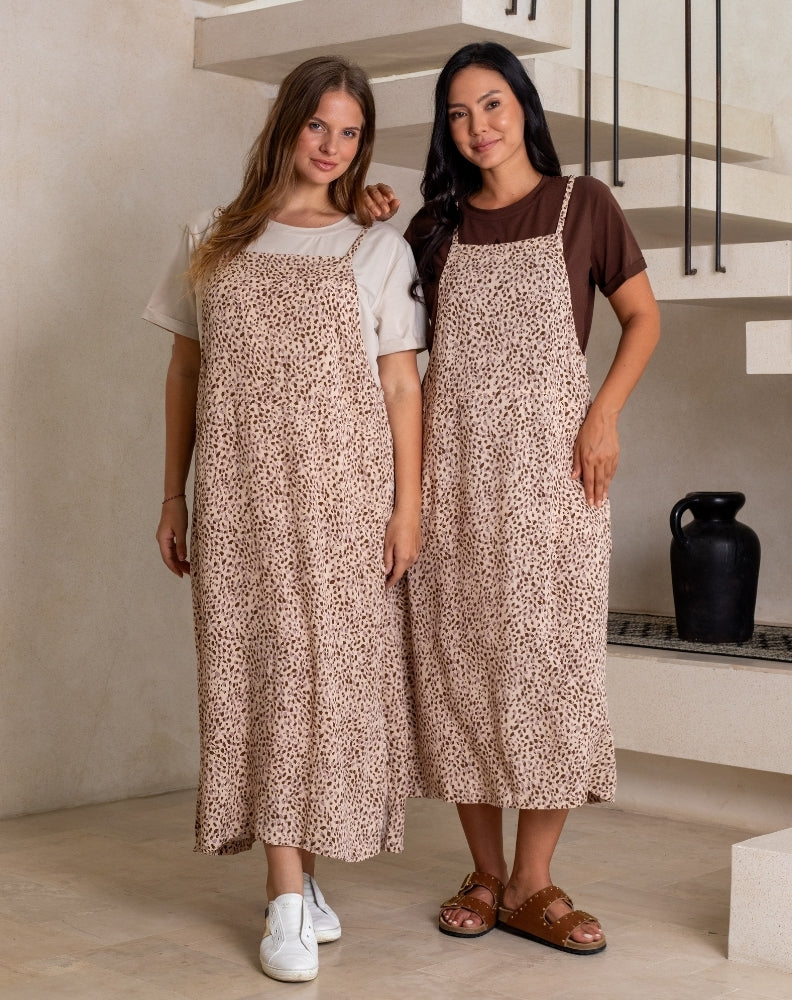
Pinafore aprons offer a vintage look with straps over the shoulders and a full skirt. They often cover more of your clothes than bib aprons and add a charming style to your kitchen outfit. If you want protection and a bit of flair, this type might suit your taste.
Waist Aprons
Waist aprons cover only the lower half of your body, tying at the waist. They are perfect if you need freedom of movement or are mainly serving food rather than cooking. Many restaurants use waist aprons for their practicality and ease.
Smock Aprons
Smock aprons provide full coverage, often with sleeves, protecting you from spills and splashes. They are great if you work with liquids or bake a lot, where flour and batter can fly everywhere. Have you tried one during your busiest cooking days? It might just save your clothes.

Credit: www.amazon.co.uk
Materials Used
Clothing worn mostly in the kitchen must balance comfort and protection. The material plays a key role in this balance. Different fabrics offer unique benefits for kitchen wear. Some materials absorb sweat well. Others resist stains or heat. Choosing the right fabric helps maintain cleanliness and safety.
Cotton
Cotton is soft and breathable. It absorbs moisture quickly. This keeps the wearer cool and dry. Cotton is also easy to wash. It holds up well after many washes. This makes it popular for aprons and chef jackets.
Polyester
Polyester resists wrinkles and stains. It dries faster than cotton. This fabric is durable and strong. Polyester blends often mix with cotton. This creates a comfortable but tough material. It suits busy kitchens and heavy use.
Leather
Leather offers excellent protection from heat. It shields against spills and sharp tools. Leather kitchen wear is long-lasting. It requires care to stay soft and clean. This material suits tasks with fire or knives.
Denim
Denim is thick and sturdy. It protects against cuts and heat. Denim aprons are trendy and practical. This fabric can handle rough kitchen work. It also looks stylish and professional.
Key Features
Understanding the key features of a piece of clothing worn mostly in the kitchen helps choose the right one. These features improve comfort and safety during cooking. They also add convenience and protect the wearer from common kitchen hazards.
Adjustable Straps
Adjustable straps offer a perfect fit for different body sizes. They make the clothing easy to wear and remove. Users can tighten or loosen the straps for comfort. This feature prevents the clothing from slipping while working. It also helps keep the clothing secure during busy kitchen tasks.
Pockets
Pockets provide handy storage for small kitchen tools. They keep essentials like thermometers or pens close. This saves time looking for items elsewhere. Pockets also add style and practicality to the clothing. They help keep the kitchen organized and efficient.
Water Resistance
Water resistance protects against spills and splashes. It keeps the clothing dry and comfortable. This feature helps maintain cleanliness during cooking. It also prevents stains from soaking into the fabric. Water-resistant clothing lasts longer and looks better over time.
Heat Protection
Heat protection shields from hot surfaces and splatters. It reduces the risk of burns in the kitchen. This feature uses special materials to resist heat. It allows safer handling of pots, pans, and ovens. Heat protection is essential for a safe cooking experience.
Choosing The Right Apron
Choosing the right apron protects clothes from spills and stains during cooking. Comfort and fit matter for ease of movement in the kitchen. Durable material helps the apron last longer through many uses.
Choosing the right apron is more than just picking any piece of cloth to cover your front. It's about finding that perfect blend of functionality and style. Whether you're a home cook or a professional chef, the apron you choose can make a world of difference in your culinary experience.
Purpose And Use
The first step in selecting an apron is understanding its purpose. Do you need it for heavy-duty cooking, or is it more for light kitchen tasks? A professional chef may require a thicker, stain-resistant material, while a casual cook might prefer something lighter and more breathable. Consider how often you'll use it and the types of activities you'll be doing.
Comfort And Fit
An apron should feel like a second skin, not a burden. Ensure it fits well, allowing you to move freely without restriction. Adjustable neck straps and long waist ties can make a big difference. Imagine chopping vegetables with ease, rather than constantly adjusting an ill-fitting apron.
Durability
Your apron should withstand the rigors of a busy kitchen. Look for quality materials like cotton or canvas that hold up well after repeated washes. Check the stitching and seams to ensure they are robust. An apron that frays or tears easily can be both frustrating and a waste of money.
Style Preferences
Who says you can't look good while cooking? Choose an apron that reflects your personality. Bright colors or fun patterns can bring a touch of joy to your kitchen routine. Would you prefer a classic look or something more modern and trendy? Your apron is an extension of your style, so pick something that makes you smile every time you wear it. By considering these aspects, you can find an apron that not only serves its purpose but also makes your time in the kitchen more enjoyable. What's the most important quality you look for in an apron?
Care And Maintenance
Keeping your kitchen clothing in top shape requires proper care and attention. These items face spills, stains, and frequent washing, so knowing how to maintain them can extend their life and keep them looking fresh. Let’s dive into practical tips that make caring for your kitchen apparel easier and more effective.
Washing Tips
Use cold or warm water instead of hot to prevent shrinking and color fading. Choose a gentle detergent designed for delicate fabrics or those prone to stains. Avoid overloading the washing machine; your kitchen clothing needs room to move freely for a thorough clean.
Consider washing kitchen garments separately from heavily soiled items to reduce wear and tear. If your clothing has any special trims or buttons, turn them inside out before washing to protect these details. Do you check the care label every time? It’s a simple habit that saves you from costly mistakes.
Stain Removal
Act quickly when spills happen. Blot the stain rather than rubbing it, which can push it deeper into the fabric. Use a mild stain remover or a paste of baking soda and water for organic stains like tomato sauce or coffee.
For tougher stains, soak the item in cold water with a bit of detergent before washing. Avoid bleach unless the fabric is white and bleach-safe; it can weaken fibers and discolor fabric. Have you tried using lemon juice on grease stains? It’s a natural alternative that works well.
Storage
Store kitchen clothing in a cool, dry place away from direct sunlight to avoid fading and mildew. Folding them neatly or hanging on padded hangers helps maintain shape and reduces wrinkles. Avoid cramming them into tight spaces where they can get crushed or damaged.
If you don’t use certain items often, placing them in breathable garment bags can keep dust and moisture away. Have you noticed how proper storage makes your kitchen clothes last longer and look better every time you wear them?
Aprons Beyond The Kitchen
Aprons are not just for cooking. They serve many purposes beyond the kitchen walls. Their design protects clothes and keeps tools handy. This makes aprons useful in many activities that need cleanliness and convenience.
Crafting And Diy
Aprons protect clothing from paint, glue, and dust. They have pockets for brushes, scissors, and other tools. Wearing an apron helps keep everything close and organized. It also makes cleanup easier after projects.
Gardening
Garden aprons shield clothes from dirt and mud. They hold seeds, gloves, and small tools in their pockets. Aprons help gardeners stay neat and prepared while working outdoors. They reduce trips back and forth to the shed.
Professional Use
Many professionals wear aprons for safety and efficiency. Chefs, baristas, and artists use aprons to protect clothes and carry tools. Aprons also help maintain hygiene in medical and workshop settings. They combine function with comfort for long work hours.

Credit: uk.style.yahoo.com
Frequently Asked Questions
What Is The Most Common Kitchen Clothing Item?
The apron is the most common clothing worn in kitchens. It protects clothes from spills and stains. Aprons are practical and often made of durable, easy-to-clean materials. They come in various styles to suit chefs and home cooks alike.
Why Do Chefs Wear Specific Kitchen Clothing?
Chefs wear specific clothing for safety and hygiene. Kitchen clothes protect against heat, spills, and contamination. They also promote professionalism and uniformity in the kitchen environment. Proper kitchen attire helps maintain food safety standards.
How Does Kitchen Clothing Improve Cooking Safety?
Kitchen clothing like aprons and gloves reduce burn and cut risks. It prevents direct contact with hot surfaces and sharp tools. Protective clothing also minimizes contamination, keeping food safe. Overall, it ensures a safer cooking experience.
Can Kitchen Clothing Be Stylish And Functional?
Yes, kitchen clothing can be both stylish and functional. Modern aprons and chef coats come in various designs and colors. They offer comfort, durability, and protection while allowing personal expression. Stylish kitchen wear boosts confidence while cooking.
Conclusion
A kitchen apron is more than just clothing. It protects your clothes from spills and stains. It keeps you clean while cooking or baking. Many people find it comfortable and easy to wear. This simple piece helps in staying organized too.
Everyone working in the kitchen can benefit from it. A small item with big help. Easy to use and practical. A must-have for home cooks and chefs alike.