
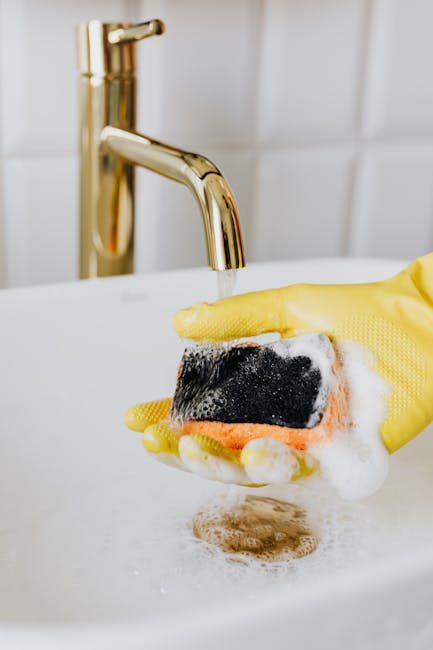
Have you ever looked at your regular kitchen sponge and thought it was just a simple cleaning tool? What if I told you that your sponge holds secrets that can change the way you think about everyday objects?
Yes, your kitchen sponge has a Quizlet of hidden facts and surprising uses you never knew about. Stick around, because by the end of this article, you’ll see that sponge in a whole new light—and maybe even use it smarter than ever before.
Ready to unlock the mystery? Let’s dive in.
Kitchen Sponge Basics
Understanding the basics of your kitchen sponge can change the way you clean and maintain your kitchen. Many people overlook the humble sponge, yet it plays a crucial role in daily chores. Knowing what it's made of, how you can use it, and how long it should last helps you keep your kitchen hygienic and efficient.
Materials Used
Most kitchen sponges consist of synthetic materials like polyurethane foam or cellulose. Polyurethane sponges are soft, flexible, and absorbent, perfect for wiping surfaces. Cellulose sponges, made from wood fibers, are highly absorbent and biodegradable, offering an eco-friendly option.
Some sponges combine a soft side with a rougher scrubbing side made from synthetic fibers. This dual texture lets you handle both delicate surfaces and tougher grime without switching tools. Have you ever noticed how the material affects how much water your sponge holds or how it feels in your hand?
Common Uses
You likely use your kitchen sponge for washing dishes, wiping countertops, and cleaning appliances. Its absorbent nature makes it great for soaking up spills quickly. Plus, the scrubbing side tackles stuck-on food without scratching delicate surfaces.
Sponges also help with cleaning sinks, faucets, and even fridge interiors. Some people use them to freshen up cutting boards or to clean fruits and vegetables gently. How often do you think about using your sponge beyond just dishwashing?
Lifespan Expectations
A kitchen sponge doesn’t last forever. Typically, it should be replaced every one to two weeks to avoid bacteria buildup. If you notice a bad odor or the sponge starts falling apart, it’s time for a new one.
Regularly disinfecting your sponge by microwaving it wet or soaking it in vinegar can extend its life, but don’t rely on this too long. Ask yourself: is saving a few dollars worth risking your kitchen’s cleanliness? Your health depends on keeping your sponge fresh and clean.
Hidden Microbial World
Have you ever stopped to think about what’s hiding in your kitchen sponge? Beneath its soft surface lies a thriving world of microbes. This hidden microbial community can surprise you with its diversity and persistence.
Types Of Bacteria Found
Your sponge can host a variety of bacteria, including some you definitely don’t want around. Common types include:
- Escherichia coli (E. coli):Often linked to food poisoning.
- Salmonella:Known for causing serious digestive issues.
- Staphylococcus aureus:Can lead to skin infections and other illnesses.
- Pseudomonas aeruginosa:A tough bacteria that thrives in wet environments.
These bacteria can multiply quickly, turning your sponge into a breeding ground for germs.
Health Risks Involved
Using a contaminated sponge can put your health at risk in several ways. Cross-contamination is common when bacteria transfer from the sponge to your dishes or countertops.
This can lead to foodborne illnesses, including diarrhea, nausea, and vomiting. People with weakened immune systems are particularly vulnerable. Ever wondered if your sponge could be the hidden cause behind your stomach upset?
Factors Contributing To Growth
Several factors make your kitchen sponge an ideal home for bacteria:
- Moisture:Sponges stay wet for long periods, perfect for bacterial growth.
- Food residue:Tiny bits of food trapped inside provide nutrients.
- Warm temperature:Your kitchen’s warmth encourages bacteria to multiply rapidly.
Regularly drying your sponge and replacing it often can help reduce these risks. Have you checked the last time you changed your kitchen sponge?
Cleaning And Maintenance Tips
Keeping your kitchen sponge clean and well-maintained is essential for a hygienic cooking space. Sponges can harbor bacteria quickly, so adopting smart cleaning habits can make a big difference. Let’s look at some practical tips to keep your sponge fresh and safe to use.
Effective Sanitizing Methods
Sanitizing your sponge regularly helps kill germs and prevents unpleasant odors. You can soak it in a mixture of hot water and vinegar for about 5 minutes, which is a natural and effective disinfectant. Another easy way is to place the damp sponge in the microwave for 1-2 minutes, but make sure it’s wet to avoid any fire hazards.
Dishwasher sanitizing works well too—just toss the sponge on the top rack and run a full cycle. Have you tried these techniques before? Which one fits your kitchen routine best?
Frequency Of Replacement
Even with good cleaning, sponges don’t last forever. Ideally, replace your kitchen sponge every 1 to 2 weeks. If you notice it smells bad or starts falling apart, it’s time to get a new one immediately.
Think about how often you use your sponge daily; heavy use means quicker wear. Don’t wait until it looks dirty—regular replacement is key to keeping your kitchen germ-free.
Storage Best Practices
Where you keep your sponge matters as much as how you clean it. Store your sponge in a spot where it can dry quickly, like a sponge holder with good airflow. Avoid leaving it soaking in a wet sink or on a flat surface where moisture collects.
Using a small rack or suction cup holder can help prevent bacteria buildup by promoting faster drying. Have you noticed how a damp sponge smells worse? That’s often due to poor storage habits.

Credit: quizlet.com
Eco-friendly Sponge Alternatives
Regular kitchen sponges can hold many germs and wear out quickly. Eco-friendly sponge alternatives last longer and reduce waste. Natural materials like cellulose or bamboo make cleaning safer and greener.
Switching from your regular kitchen sponge to eco-friendly alternatives might be one of the simplest yet impactful changes you can make in your household. Traditional sponges contribute significantly to landfill waste due to their synthetic materials and non-biodegradable nature. Thankfully, there are several sustainable options that not only reduce environmental harm but also offer great functionality in your kitchen.
Biodegradable Options
Biodegradable sponges are crafted from natural materials like cellulose, coconut fibers, or loofah plants. These options break down naturally, minimizing waste. Imagine cleaning your dishes knowing your sponge will decompose rather than sit in a landfill for centuries. Plus, many biodegradable sponges are durable and efficient at scrubbing, making them a practical choice.
Reusable Cloths
Reusable cloths are another fantastic alternative. They come in materials like cotton or bamboo and can be washed and reused multiple times. Think about the convenience of tossing a cloth in the wash and using it again, rather than constantly replacing disposable sponges. These cloths are not only eco-friendly but also gentle on surfaces, reducing the risk of scratches.
Cost And Durability Comparison
When comparing costs, eco-friendly options might seem more expensive initially. However, their durability often means you replace them less frequently, saving money in the long run. Consider how a reusable cloth or biodegradable sponge might withstand months of use, compared to a conventional sponge that needs replacing every few weeks. Is it time to rethink your cleaning budget for a greener planet? By choosing eco-friendly sponges, you're making a small but meaningful change that supports a sustainable lifestyle. Are you ready to make the switch?
Surprising Uses Beyond Cleaning
Kitchen sponges are more than just cleaning tools. They have many surprising uses that can help around the house. These simple items can be turned into creative and useful solutions.
Sponges are soft, absorbent, and easy to cut or shape. These qualities make them perfect for various tasks beyond washing dishes.
Crafting Ideas
Sponges work great for arts and crafts. They can be cut into fun shapes for painting or stamping. Kids enjoy using sponge stamps for colorful projects. Sponges also serve as paint holders or blending tools for smooth textures. Their softness protects delicate surfaces during craft work.
Gardening Applications
Sponges help keep plants healthy. Placing a sponge at the bottom of pots improves water drainage. It prevents soil from washing out while holding moisture. Small sponge pieces mixed in soil increase water retention. This helps plants stay hydrated longer between watering.
Household Hacks
- Use dry sponges to stop squeaky doors by cushioning hinges.
- Put a damp sponge in the fridge to keep vegetables fresh.
- Store small items inside a sponge to keep them organized.
- Wrap fragile items in sponge pieces for safe transport.

Credit: quizlet.com

Credit: quizlet.com
Frequently Asked Questions
What Is A Regular Kitchen Sponge Quizlet?
A regular kitchen sponge Quizlet is a study set focused on kitchen sponges. It helps users learn about sponge types, uses, and care tips effectively.
How Can Quizlet Improve Sponge Knowledge?
Quizlet offers flashcards and quizzes, making sponge care and usage easy to understand. It boosts retention through interactive learning tools.
Why Use Quizlet For Kitchen Sponge Care?
Quizlet provides organized info on sponge hygiene and maintenance. It ensures users follow best practices for cleanliness and longevity.
Are Kitchen Sponges On Quizlet Useful For Students?
Yes, they help students in culinary or hygiene courses grasp sponge-related concepts quickly. The interactive format enhances memorization and recall.
Conclusion
A regular kitchen sponge holds more uses than you think. It cleans, scrubs, and even helps in learning with Quizlet. Simple tools can have surprising benefits in daily life. Using a sponge smartly saves time and effort. Small habits make a big difference over time.
Try adding Quizlet to your routine for easy study. Keep things simple and practical to improve every day. A sponge is not just for dishes anymore.