
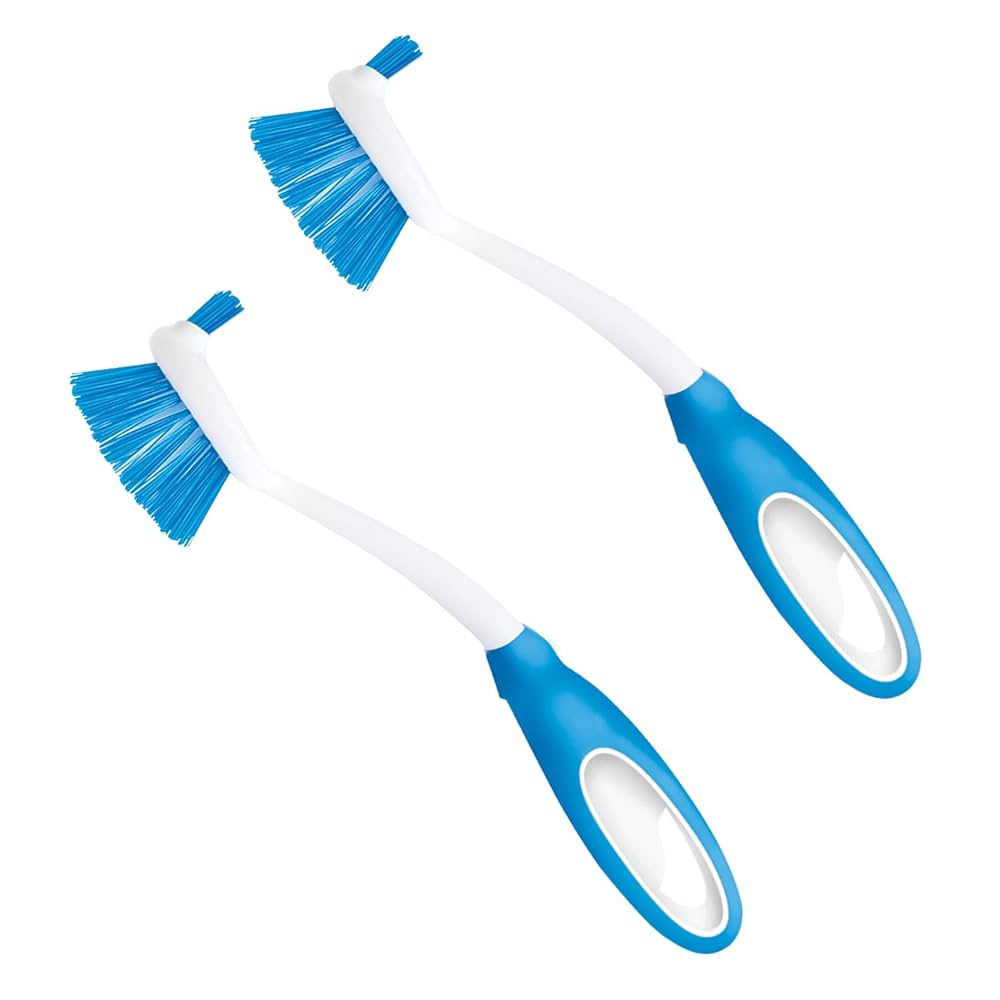
Are you tired of scrubbing your kitchen surfaces with brushes that leave scratches or miss stubborn grime? Imagine having a tool that cleans efficiently, protects your cookware, and makes your kitchen chores faster and easier.
A rubber brush for your kitchen could be exactly what you need. You’ll discover why this simple tool can transform your cleaning routine and keep your kitchen sparkling without the hassle. Keep reading to find out how a rubber brush can become your new favorite kitchen helper.

Credit: www.amazon.com
Benefits Of Rubber Brushes
Rubber brushes offer many advantages that make kitchen cleaning easier and safer. Their unique design and material bring practical benefits. These brushes work well on different surfaces without causing damage. The natural flexibility of rubber helps remove dirt effectively. They also last longer than many other brushes, saving money over time. Using rubber brushes supports eco-friendly choices in the kitchen.
Durability And Longevity
Rubber brushes resist wear and tear better than many alternatives. They do not lose shape or bristles after repeated use. This makes them a smart investment for daily kitchen tasks. The strong rubber material handles tough scrubbing without breaking. You get reliable performance for a long time. Less frequent replacements mean less waste and cost.
Non-scratch Cleaning
Rubber brushes clean gently without scratching surfaces. They are perfect for delicate cookware and glassware. The soft rubber bristles remove grime without leaving marks. This protects your kitchen items from damage. You can clean non-stick pans without worry. Rubber brushes clean thoroughly while keeping surfaces safe.
Eco-friendly Material
Rubber brushes often use natural or recycled rubber. This reduces plastic waste and pollution. They are biodegradable or recyclable in many cases. Choosing rubber brushes supports a cleaner environment. They offer a sustainable alternative to plastic brushes. Using eco-friendly kitchen tools helps reduce your carbon footprint.
Types Of Rubber Brushes For Kitchen
Rubber brushes come in several types for kitchen use. Each type serves a special cleaning purpose. Choosing the right brush makes kitchen chores easier and faster. These brushes are gentle on surfaces yet tough on dirt.
They prevent scratches on pots, pans, and delicate items. Their flexible rubber bristles remove grime without absorbing water. Below are common types of rubber brushes found in kitchens.
Dishwashing Brushes
Dishwashing brushes have soft rubber bristles. They clean plates, bowls, and utensils well. The bristles reach corners and crevices easily. These brushes are quick to dry, reducing bacteria growth. Their ergonomic handles provide a good grip for scrubbing.
Scrubbing Pads
Scrubbing pads made with rubber are reusable and durable. They work well on stubborn stains and baked-on food. The textured rubber surface scrapes without damaging cookware. These pads resist odors and resist wear over time. They fit comfortably in the hand for better control.
Vegetable Cleaning Brushes
Vegetable cleaning brushes have gentle rubber bristles. They remove dirt and pesticides from produce. These brushes clean root vegetables like potatoes and carrots effectively. Their soft bristles do not bruise fruits or vegetables. They are easy to rinse and keep hygienic.
How Rubber Brushes Enhance Cleaning
Rubber brushes have changed the way I clean my kitchen, making the task quicker and more thorough. Their unique material and design offer advantages that traditional brushes or sponges often can’t match. Understanding how rubber brushes enhance cleaning can help you decide if this tool fits your kitchen routine.
Effective Dirt Removal
Rubber bristles create strong friction that loosens dirt and food particles effortlessly. Unlike softer sponges, they can scrape off stubborn grime without scratching surfaces.
Using a rubber brush, I noticed leftover grease disappeared faster from pots and pans. The bristles grab onto tiny crumbs and oil, making rinsing easier and more complete.
Reaching Tough Spots
The flexible rubber tips bend and adjust to different shapes, reaching corners and crevices where dirt hides. This flexibility is perfect for cleaning items like blender blades, cutting boards, and bottle necks.
Have you ever struggled to clean around faucet bases or inside narrow jars? A rubber brush fits into these tricky spots smoothly, saving you time and effort.
Resisting Odors And Bacteria
Rubber brushes dry quickly and don’t absorb water, which means they don’t harbor bacteria or develop bad smells easily. This feature keeps your kitchen cleaner and your brush fresher for longer.
After switching to a rubber brush, I noticed a significant drop in unpleasant odors compared to traditional sponges that often smell musty after a few uses.
Choosing The Right Rubber Brush
Choosing a rubber brush for the kitchen means picking one with soft, flexible bristles. It should clean well without scratching pots or surfaces. Size and handle comfort also matter for easy use.
Choosing the right rubber brush for your kitchen is essential. It ensures efficient cleaning and maintenance. A good rubber brush can make your kitchen chores easier. Consider several factors when selecting the perfect brush.
Size And Shape Considerations
The size of the brush affects cleaning efficiency. A smaller brush is perfect for tight spaces. Larger brushes cover more area quickly. Choose a shape that suits your kitchen tasks. Some brushes have pointed tips for corners. Others are flat for wide surfaces.
Handle Design
A comfortable handle makes cleaning less tiring. Look for ergonomic designs that fit well in your hand. Non-slip grips are helpful when working with water. A lightweight handle reduces hand fatigue during long cleaning sessions.
Bristle Texture And Stiffness
Bristle texture is crucial for different surfaces. Soft bristles work well on delicate items. Stiff bristles are ideal for tough stains. Choose a brush with the right stiffness for your needs. Consider the material of your kitchen items.
Care And Maintenance Tips
Taking good care of your rubber brush extends its life and keeps it working well. Proper maintenance stops dirt and grime from building up. Clean and store the brush right to avoid damage. Check the brush regularly to know when it needs replacing.
Cleaning Your Rubber Brush
Rinse the brush after every use to remove food particles. Use warm water and mild soap for a deep clean. Gently scrub the rubber bristles with your fingers or a soft cloth. Avoid harsh chemicals that can wear down the rubber. Let the brush air dry completely before storing it.
Proper Storage
Keep the brush in a dry place to prevent mold growth. Store it upright or hang it to allow air circulation. Avoid placing the brush near heat sources or direct sunlight. Do not store the brush in a sealed container while wet. Proper storage keeps the rubber flexible and clean.
When To Replace
Replace the brush if the rubber bristles become cracked or bent. Look for signs of discoloration or a bad smell. If the brush does not clean well anymore, it is time to get a new one. Using a worn brush can scratch surfaces or spread bacteria.
Credit: www.target.com
Comparing Rubber Brushes To Other Tools
Choosing the right kitchen cleaning tool can make a big difference in how easily you tackle messes. Rubber brushes have become popular, but how do they stack up against other common tools? Let’s look closely at how rubber brushes compare to nylon brushes and sponges, focusing on their cleaning power, durability, and cost.
Rubber Vs. Nylon Brushes
Rubber brushes have flexible bristles that bend easily, making them great for scrubbing irregular surfaces like pots and pans without scratching. Nylon brushes tend to be stiffer, which helps with tougher grime but can sometimes damage delicate cookware.
One surprising benefit of rubber brushes is how well they repel food particles. You’ll notice they clean themselves faster, reducing the effort you spend rinsing the brush. Have you ever found nylon bristles trapping bits of food, making it harder to keep clean?
Rubber Brushes Vs. Sponges
Sponges absorb water and soap well, but they can quickly become breeding grounds for bacteria. Rubber brushes dry faster and don’t hold onto moisture, which helps keep them hygienic.
Cleaning stuck-on residue feels different too. Rubber brushes use their bristles to lift and push debris away, while sponges often just smear it around. If you want a tool that feels cleaner and lasts longer, a rubber brush might be worth trying.
Cost And Effectiveness
| Tool | Average Price | Durability | Cleaning Efficiency |
|---|---|---|---|
| Rubber Brush | $8 - $15 | High (long-lasting) | Excellent on grease and stuck food |
| Nylon Brush | $5 - $12 | Moderate (bristles wear out) | Good for tough scrubbing |
| Sponge | $1 - $5 | Low (needs frequent replacement) | Good for light cleaning |
Rubber brushes might cost a bit more upfront, but their longevity and cleaning power can save you money over time. Do you value a tool that lasts, or do you prefer cheaper replacements? Your choice depends on how often you clean and what types of messes you face daily.
Creative Uses Beyond The Kitchen
The rubber brush is not just for kitchen use. Its design and material make it useful in many areas of your home. This tool can help with cleaning tasks beyond pots and pans. Explore these creative uses to get more value from your rubber brush.
Cleaning Fruits And Vegetables
Use the rubber brush to scrub dirt and wax off fruits and vegetables. Its soft bristles clean without damaging the skin. Rubbing gently removes pesticides and residues. This keeps your produce fresh and safe to eat.
Removing Pet Hair
The rubber brush works great for picking up pet hair from furniture and clothes. The bristles attract hair and lint easily. Swipe the brush across fabrics to gather loose fur. This method saves time and avoids sticky tape or vacuum cleaners.
Bathroom And Laundry Uses
In the bathroom, the brush cleans soap scum and grime from tiles and sinks. It reaches small cracks and corners well. For laundry, use it to scrub stains on clothes before washing. The flexible rubber helps lift dirt without harming fabric fibers.

Credit: www.amazon.com
Frequently Asked Questions
What Is A Rubber Brush Used For In The Kitchen?
A rubber brush cleans surfaces without scratching. It's ideal for scrubbing fruits, vegetables, and cookware gently but effectively.
How Does A Rubber Brush Differ From Other Kitchen Brushes?
Rubber brushes resist water and mold better. They are flexible, easy to clean, and don’t harbor bacteria like traditional brushes.
Can A Rubber Brush Help Remove Stubborn Food Stains?
Yes, rubber brushes effectively remove stuck-on food. Their soft bristles lift grime without damaging delicate surfaces or cookware finishes.
Is A Rubber Brush Safe For All Kitchen Surfaces?
Rubber brushes are safe for most surfaces, including glass, ceramic, and non-stick pans. They prevent scratches and maintain surface integrity.
Conclusion
A rubber brush makes kitchen cleaning easier and faster. It removes dirt and crumbs without scratching surfaces. You can use it on dishes, counters, and even fruits. Its soft bristles reach small corners well. The brush lasts long and stays clean with simple washing.
Everyone can benefit from having one in the kitchen. Small tool, big help. Try it and see the difference yourself.