
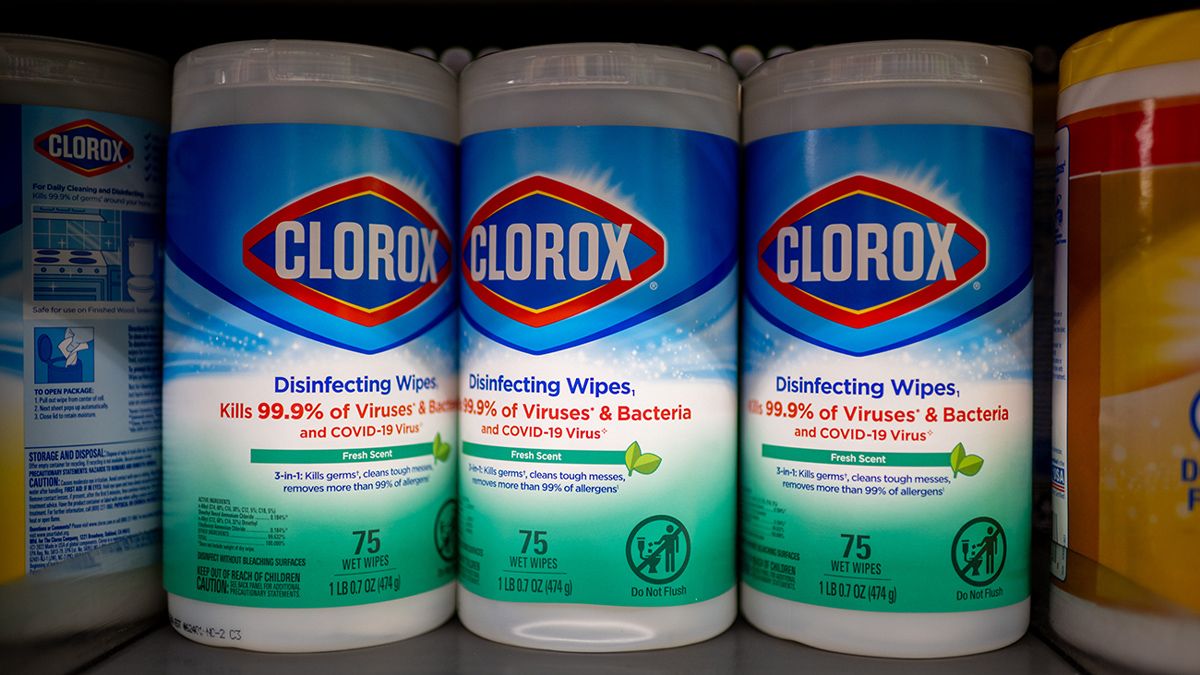
Are you wondering if Clorox wipes are safe to use in your commercial kitchen? Keeping your kitchen clean and germ-free is crucial, but you also want to make sure the products you use won’t harm your food or customers.
Using the wrong cleaning wipes could risk contamination or leave harmful residues behind. You’ll discover the truth about Clorox wipes and their safety around food. By the end, you’ll know exactly how to use them properly—so your kitchen stays spotless and your food stays safe.
Keep reading to protect your business and your customers with confidence.
Clorox Wipes Composition
Understanding what goes into Clorox Wipes is key to deciding if they're safe for your commercial kitchen. The composition determines their effectiveness and safety around food preparation areas. Let's break down what makes these wipes tick and how they interact with your kitchen environment.
Active Ingredients
Clorox Wipes mainly rely on disinfecting agents to kill germs quickly. The star ingredient is sodium hypochlorite, a powerful bleach compound known for its ability to destroy bacteria and viruses.
Besides sodium hypochlorite, you’ll find other components like:
- Surfactants – help lift dirt and grease from surfaces.
- Fragrances – provide a fresh scent but can be mild irritants.
- Stabilizers – keep the formula effective over time.
These ingredients work together to ensure your surfaces get cleaned and disinfected efficiently. But how does this affect food safety?
Chemical Safety Profile
Sodium hypochlorite is effective, but it’s also a strong chemical that requires caution around food. The Environmental Protection Agency (EPA) classifies it as safe for use on food-contact surfaces if you rinse the surface with water after disinfecting.
Without rinsing, residues can remain, potentially affecting food taste and safety. Many commercial kitchens use Clorox Wipes for quick sanitizing but follow up with a water rinse to avoid contamination.
Are you considering the balance between speed and safety in your kitchen cleaning routine? Using wipes is convenient, but understanding their chemical profile helps you avoid unintended risks.
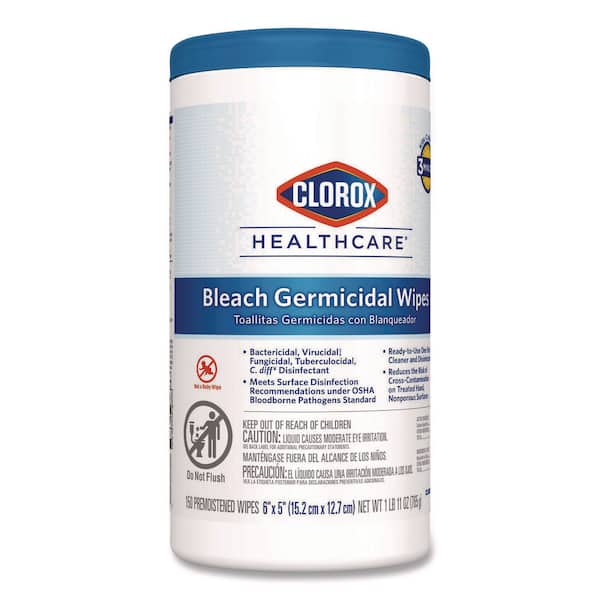
Credit: www.homedepot.com
Food Contact Surface Regulations
Understanding food contact surface regulations is crucial if you manage or work in a commercial kitchen. These rules ensure that the surfaces where food is prepared or served are safe and free from harmful chemicals. Ignoring these regulations can lead to contamination risks and health code violations, which no kitchen can afford.
Fda Guidelines
The Food and Drug Administration (FDA) sets strict standards for materials that come into contact with food. These guidelines focus on preventing harmful substances from leaching into food during preparation or storage.
For cleaning products like Clorox wipes, the FDA requires clear labeling if they are safe for food contact surfaces. If the label states “no rinse required” or “food contact surface safe,” it means the product meets FDA criteria for residue limits.
Have you checked if your Clorox wipes package mentions FDA approval? This small detail can save you from major compliance issues and keep your kitchen safe for customers.
Epa Approval
The Environmental Protection Agency (EPA) also plays a key role by registering disinfectants used in commercial kitchens. EPA approval means the product has been tested for effectiveness against germs without posing excessive risks to health.
Clorox wipes typically carry EPA registration numbers, which indicate they meet these safety and efficacy standards. However, EPA approval alone doesn’t guarantee a product is safe on all food contact surfaces—it mainly covers disinfection safety.
It’s important to follow directions carefully, especially regarding contact time and rinsing instructions, to ensure safety and compliance. Are you confident your cleaning routine aligns with both EPA and FDA rules?
Clorox Wipes And Food Surfaces
Clorox wipes are a popular choice for quick cleaning in commercial kitchens due to their convenience and disinfecting power. However, using them on food surfaces requires careful consideration to avoid contamination and ensure safety. Understanding how these wipes interact with different surfaces where food is prepared or served can help you maintain a hygienic environment without risking health.
Safe Usage Practices
Always check the label on the Clorox wipes to ensure they are approved for use on food contact surfaces. Many Clorox wipes require you to rinse the surface with water after wiping to remove any chemical residues. This step is crucial because it prevents harmful substances from transferring to food.
Use the wipes only on surfaces that are non-porous and easy to clean, such as stainless steel counters and sealed cutting boards. Avoid using them on unsealed wood or porous materials, as these can absorb chemicals and harbor bacteria. Let the surface air dry completely or wipe it down with a clean, damp cloth before placing food back on it.
Potential Risks
If Clorox wipes are used improperly, chemical residues can remain on food surfaces and contaminate your food. This can lead to health issues, especially for sensitive individuals or those with allergies. Using the wipes without following the manufacturer’s instructions increases the risk of ingesting harmful substances.
Another risk is cross-contamination if the wipes are used on multiple surfaces without changing them. For example, wiping raw meat surfaces and then wiping a clean prep area without a fresh wipe can spread bacteria. Always use a fresh wipe for each surface and discard wipes after use to minimize this risk.
Have you noticed if your kitchen staff is aware of these precautions? Sometimes, small changes in cleaning habits can make a big difference in food safety and customer trust.

Credit: www.amazon.com
Alternatives For Commercial Kitchens
Choosing the right cleaning products for commercial kitchens is crucial to keep your space safe and compliant. While Clorox wipes are popular, they may not always be the best fit for food-contact surfaces due to chemical residues. Exploring alternatives helps you maintain hygiene without risking contamination or health issues.
Approved Sanitizers
Using sanitizers approved by health authorities ensures safety and effectiveness. Look for products registered with the Environmental Protection Agency (EPA) specifically for food-contact surfaces.
- Quaternary Ammonium Compounds (Quats):Commonly used in restaurants, quats kill bacteria efficiently and rinse off cleanly.
- Sodium Hypochlorite Solutions:Diluted bleach solutions are effective when prepared correctly and allowed to air dry.
- Hydrogen Peroxide-Based Sanitizers:These break down into water and oxygen, leaving no harmful residues.
Check labels for contact times and proper dilution rates. Using these sanitizers correctly can protect your kitchen and your customers.
Natural Cleaning Options
If you prefer fewer chemicals, natural products can offer good cleaning power without harsh effects. White vinegar, for instance, has antibacterial properties and is safe around food areas when rinsed properly.
- White Vinegar:Great for cutting grease and mild sanitizing, but not a full sanitizer by itself.
- Steam Cleaning:Uses high temperature to kill germs without chemicals, ideal for deep cleaning surfaces.
- Essential Oils:Oils like tea tree or eucalyptus have antimicrobial effects but should be used cautiously and diluted.
Have you tested these options in your kitchen? Sometimes a mix of natural methods with approved sanitizers offers the best balance of safety and efficiency.
Best Practices For Sanitizing
In a commercial kitchen, maintaining cleanliness is crucial. Proper sanitizing practices ensure food safety and customer health. Using Clorox wipes can be part of a cleaning routine. But using them correctly is key. This section covers best practices for sanitizing in a kitchen setting.
Proper Application
Apply Clorox wipes to non-porous surfaces. Wipe thoroughly to cover the area. Ensure the surface stays wet for the recommended time. This helps in effective germ killing. Do not use on surfaces that touch food directly. Wipe down areas like countertops and handles.
Drying And Residue Concerns
Allow surfaces to air dry after wiping. This ensures maximum effectiveness. Check for any residue left behind. Use a damp cloth to remove excess residue. This step helps in maintaining a clean surface. Avoid using the wipes on surfaces where residue is a concern.

Credit: www.amazon.com
Frequently Asked Questions
Are Clorox Wipes Safe For Food Contact Surfaces?
Clorox Wipes are safe for food contact surfaces when used as directed. Always follow the instructions and rinse surfaces if required. This prevents any chemical residue from contaminating food.
Can Clorox Wipes Be Used In Commercial Kitchens?
Yes, Clorox Wipes are suitable for commercial kitchen use. They effectively disinfect surfaces, killing harmful bacteria and viruses. Proper usage ensures a hygienic environment in food preparation areas.
Do Clorox Wipes Require Rinsing After Use On Kitchen Surfaces?
Some Clorox Wipes need rinsing after use, especially on surfaces in direct contact with food. Always read the label to ensure compliance with food safety standards.
How Long Do Clorox Wipes Take To Disinfect Kitchen Surfaces?
Clorox Wipes usually require 4 minutes of surface contact to disinfect effectively. This ensures bacteria and viruses are properly eliminated in commercial kitchens.
Conclusion
Clorox wipes can be safe for commercial kitchens if used correctly. Always follow the label instructions for food contact surfaces. Let the surface air dry to ensure germs are killed. Avoid using wipes on hot or porous surfaces. Regular cleaning helps keep kitchens healthy and safe.
Choose wipes that say “food safe” on the package. Clean surfaces well before food preparation. Simple steps protect both workers and customers. Trust good habits over quick fixes. Clean smart, stay safe.