
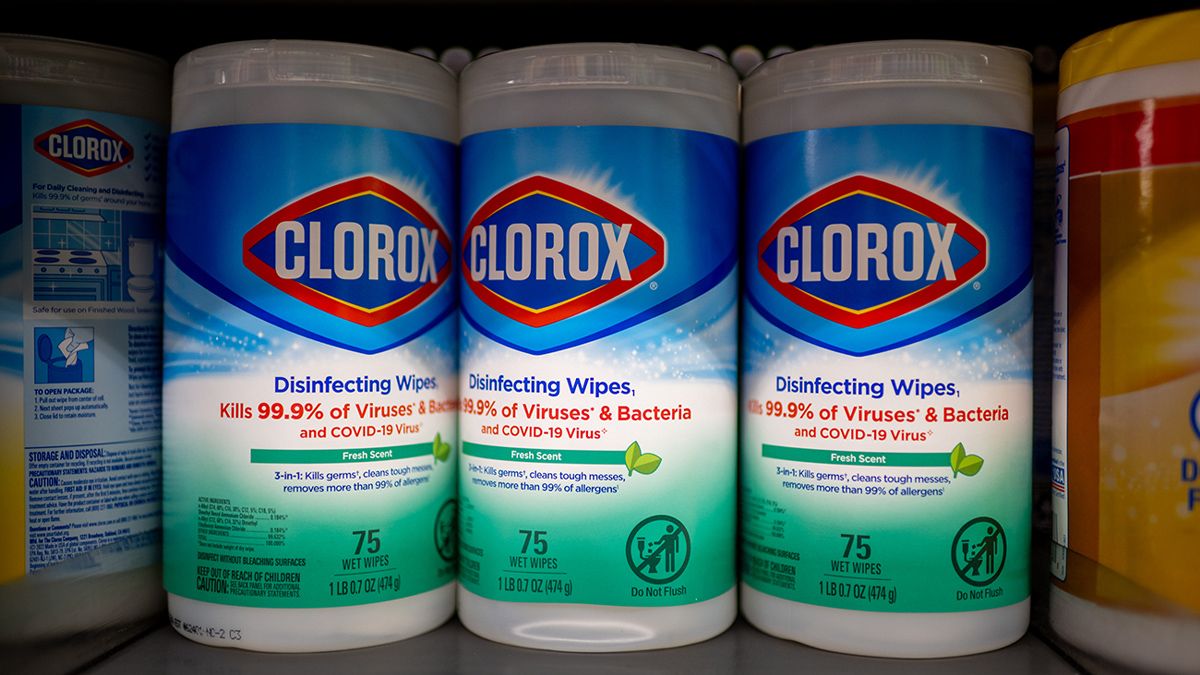
You want your kitchen counters to be clean and safe, but have you ever stopped to wonder if the products you’re using might actually cause harm? Clorox wipes are popular for quick cleaning, but are they truly safe for your kitchen surfaces?
If you’re like most people, you want to protect your family from germs without damaging your countertops. Keep reading to discover what you need to know before reaching for that wipe again. Your kitchen’s safety depends on it.
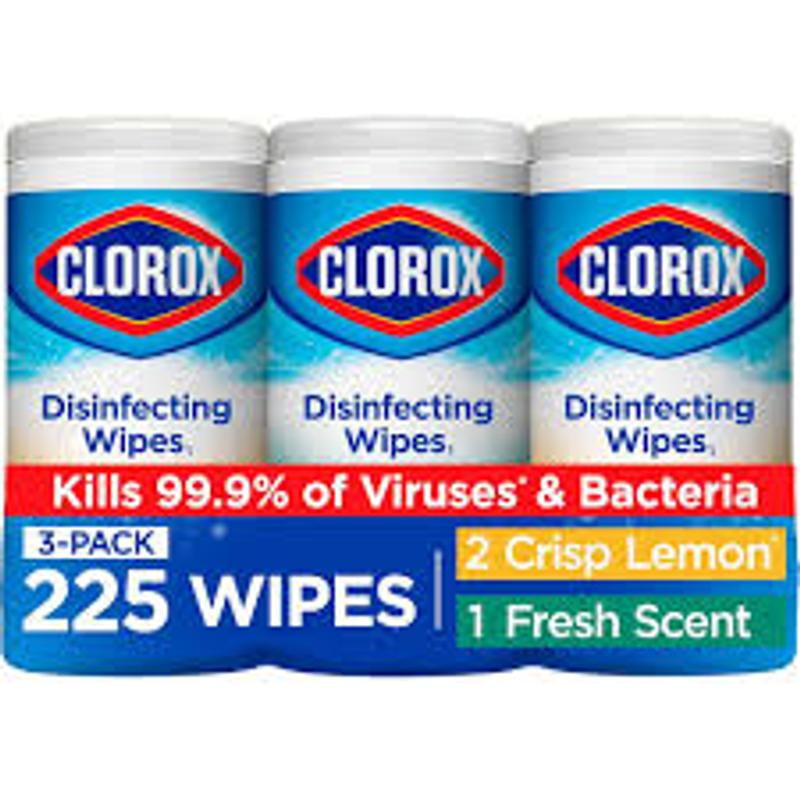
Clorox Wipes Ingredients
Clorox wipes are popular for cleaning kitchen counters. They contain specific ingredients that kill germs and remove dirt. Knowing these ingredients helps understand their safety and effectiveness. Some chemicals actively fight bacteria, while others may cause irritation.
Active Chemicals
- Alkyl dimethyl benzyl ammonium chloride: a disinfectant that kills bacteria and viruses
- Alkyl dimethyl ethylbenzyl ammonium chloride: another powerful antimicrobial agent
- Water: acts as a solvent and carrier for the active ingredients
- Surfactants: help remove grease and dirt from surfaces
- Fragrance: adds a fresh scent after cleaning
Potential Irritants
- Quaternary ammonium compounds: can cause skin irritation on sensitive skin
- Fragrance ingredients: may trigger allergic reactions in some people
- Preservatives: used to maintain product shelf life but may irritate eyes or skin
- Alcohols: present in small amounts and can dry out skin after contact
Credit: www.walmart.com
Effectiveness Against Germs
Clorox wipes are popular for cleaning kitchen counters. They kill many germs quickly. This helps keep your kitchen safe and hygienic. Understanding their effectiveness against germs is key to using them right.
Common Kitchen Bacteria
Kitchen counters can host many bacteria. These include:
- Salmonella:Often found in raw meat and eggs.
- E. coli:Comes from raw or undercooked food.
- Staphylococcus aureus:Found on skin and surfaces.
Clorox wipes kill these bacteria fast. Their disinfecting ingredients break down bacteria walls. This stops bacteria from growing or spreading.
Virus Protection
Viruses can also live on kitchen surfaces. Common ones include:
- Influenza (flu) virus
- Coronavirus
- Norovirus (causes stomach flu)
Clorox wipes contain chemicals that destroy many viruses. They break the virus’s outer layer. This makes the virus inactive and safe to touch after drying.
Using Clorox wipes regularly reduces the chance of virus spread. It helps protect your family from illness.
Surface Compatibility
Understanding the surface compatibility of Clorox wipes is crucial before you start cleaning your kitchen counters. Different materials react differently to cleaning agents, and using the wrong product can cause damage or dullness. Let’s look closer at how Clorox wipes interact with common kitchen surfaces.
Granite And Marble
Granite and marble are natural stones that require gentle care. Clorox wipes contain chemicals that might wear down the protective sealant on these surfaces over time. You might notice dull spots or etching if you use them too often.
Try testing a small, hidden area first to see how your stone reacts. If your counters look fine after 24 hours, occasional use should be okay. Otherwise, opt for a cleaner specifically made for stone surfaces to keep your counters shining.
Laminate And Wood
Laminate counters generally hold up well to Clorox wipes, but wood surfaces are more delicate. Wood can absorb moisture and chemicals, which may lead to warping or discoloration. If your wood is sealed properly, occasional use might be safe, but frequent wiping could cause damage.
Consider wiping wood counters with a damp cloth and a mild cleaner instead. You want to avoid stripping away the finish that protects the wood. Ask yourself: is the convenience of a disinfecting wipe worth the risk to your wood counters?
Stainless Steel
Stainless steel is one of the most compatible surfaces for Clorox wipes. The wipes can remove fingerprints, smudges, and germs effectively without causing harm. However, using them too often might leave a residue or streaks.
To avoid this, wipe your counters dry with a microfiber cloth after cleaning. You’ll keep the steel looking polished and clean without extra buildup. How often do you clean your stainless steel surfaces, and could a quick wipe improve your kitchen’s hygiene?

Credit: www.amazon.com
Safety Precautions
Clorox wipes effectively clean kitchen counters but should be used carefully. Avoid direct food contact until surfaces dry completely. Always follow label instructions to ensure safe use.
When using Clorox wipes on kitchen counters, safety is key. These wipes help disinfect and clean surfaces but require careful handling. Proper precautions ensure both cleanliness and health safety.
Proper Usage Tips
Always read the label before using Clorox wipes. Follow the instructions closely. Use one wipe per small surface area. This ensures effective cleaning. Wipe the counter thoroughly and evenly. Allow the surface to air dry. Don't rinse immediately after wiping. This lets the solution work properly.
Ventilation And Allergies
Keep the area well-ventilated. Open a window or turn on a fan. This helps reduce inhalation of fumes. Those with allergies should take extra care. Wear gloves if skin sensitivity is a concern. Avoid touching your face while using the wipes. Proper ventilation minimizes allergy risks and discomfort.
Alternatives For Sensitive Surfaces
Choosing the right cleaner for your kitchen counters is crucial, especially if your surfaces are sensitive. Harsh chemicals can damage delicate finishes or leave behind residues that affect food safety. Finding safer alternatives ensures your kitchen stays spotless without compromising the integrity of your counters.
Natural Cleaners
Natural cleaners offer gentle yet effective cleaning power. Vinegar, for example, cuts through grease and grime without scratching surfaces. It works well on sealed granite and laminate counters but avoid using it on marble or stone as the acidity can cause damage.
Baking soda is another great option. Its mild abrasiveness helps remove stains and odors without harsh chemicals. Sprinkle some on a damp cloth and gently rub your counters to refresh them safely.
Using these natural ingredients not only protects your counters but also reduces your exposure to synthetic chemicals. Have you noticed how your kitchen feels after cleaning with natural products? Many people find the air fresher and their hands less irritated.
Diy Solutions
Creating your own cleaning solutions can be cost-effective and customizable. Mix equal parts water and rubbing alcohol to make a disinfecting spray that's safe for many surfaces. Add a few drops of essential oils like lemon or tea tree for a pleasant scent and extra antibacterial benefits.
Another easy DIY cleaner combines hydrogen peroxide with water. This mixture disinfects without harsh chemicals and is safe on most counters if used properly. Always test a small spot first to avoid any surprises.
What’s great about DIY cleaners is you control the ingredients. You can avoid allergens, strong scents, or chemicals you’re sensitive to. Have you tried making your own kitchen cleaner yet? It might surprise you how simple and effective it can be.

Credit: www.gianteagle.com
Expert Recommendations
Experts provide clear advice on using Clorox wipes safely on kitchen counters. Understanding when to use or avoid these wipes helps protect surfaces and family health. Follow guidance to keep counters clean without damage or risk.
When To Use Clorox Wipes
- Wipe down smooth, sealed countertops like laminate or sealed granite.
- Disinfect after handling raw meat or eggs to kill bacteria.
- Clean spills and sticky spots during food prep for quick sanitation.
- Use for regular daily cleaning to reduce germs on surfaces.
- Apply on non-porous surfaces like stainless steel or ceramic tiles.
When To Avoid Them
- Avoid on unsealed wood or natural stone counters to prevent damage.
- Do not use on surfaces sensitive to bleach or harsh chemicals.
- Skip if the label warns against use on specific materials.
- Refrain from wiping food directly without rinsing the surface afterward.
- Avoid prolonged exposure to prevent discoloration or surface wear.
Frequently Asked Questions
Are Clorox Wipes Safe For All Kitchen Counter Types?
Clorox Wipes are generally safe for most kitchen counters, including laminate and sealed granite. Avoid using them on unsealed or porous surfaces to prevent damage or discoloration.
How Do Clorox Wipes Kill Bacteria On Counters?
Clorox Wipes contain disinfectants that destroy bacteria and viruses on contact. They effectively reduce germs on kitchen surfaces, helping maintain a hygienic environment.
Can Clorox Wipes Leave Harmful Residues On Counters?
When used as directed, Clorox Wipes do not leave harmful residues. Wiping the surface dry after use ensures no chemical buildup remains on counters.
How Often Should I Use Clorox Wipes On Kitchen Counters?
Use Clorox Wipes daily or after food preparation to keep counters clean and germ-free. Regular use helps prevent cross-contamination and foodborne illnesses.
Conclusion
Clorox wipes can clean kitchen counters safely if used right. Always read the label before using them. Avoid using on surfaces that can get damaged. Wipe the counters well and let them dry. Keep wipes away from food and children.
Using them carefully helps keep your kitchen clean and safe. Simple steps make a big difference in hygiene. Choose the best way to protect your family’s health. Clean spaces feel better and look great too.