

Are you wondering if your core kitchen knives can go straight into the dishwasher? It’s a common question that many home cooks face.
You want to save time and effort, but you also want to keep your knives sharp and in great shape. The truth is, not all knives are created equal when it comes to dishwasher safety. You’ll discover the surprising facts about core kitchen knives and dishwashers.
By the end, you’ll know exactly how to care for your knives to keep them lasting longer and performing better every time you cook. Keep reading—you won’t want to miss these essential tips!

Credit: www.insight-kitchenknife.com
Core Kitchen Knives And Dishwashers
Core kitchen knives are popular tools for many home cooks. Their quality and design make them reliable in daily use. But many ask if these knives are safe to clean in dishwashers. Understanding the materials and build of Core kitchen knives helps answer this question clearly.
Material Matters
Core kitchen knives often use stainless steel or high-carbon steel. Stainless steel resists rust and corrosion better. High-carbon steel stays sharp longer but can rust if not cared for. Dishwashers expose knives to heat and moisture. This environment may cause some steel types to dull or rust over time. Hand washing keeps the blade sharper and prevents damage.
Blade Coating And Finish
Many Core knives have special coatings or finishes. These protect the blade and reduce food sticking. Dishwashing can wear off these coatings quickly. The strong detergents and high heat cause this damage. Once the coating fades, the blade can lose its smoothness. Gentle hand washing with mild soap keeps the finish intact longer.
Handle Types And Durability
Core knives feature different handle materials. Some handles are made from wood, plastic, or composite materials. Wood handles can crack or warp in dishwashers due to heat and water. Plastic and composite handles may resist dishwasher damage better. Still, constant dishwasher use can weaken glue or fastenings. Washing handles by hand helps maintain their strength and look.

Credit: www.walmart.com
Risks Of Dishwasher Cleaning
Cleaning your core kitchen knives in the dishwasher might seem like a time-saver. But there are real risks that could reduce the lifespan and performance of your knives. Understanding these risks helps you decide whether a dishwasher is the right choice for your valuable kitchen tools.
Blade Damage And Dulling
Dishwasher detergents are often harsh and abrasive. They can wear down the sharp edge of your blade, making it dull faster than hand washing. The intense water pressure and jostling during a wash cycle can also cause tiny nicks or chips in the blade.
Have you noticed your knives losing their sharpness quickly? This could be why.
Handle Wear And Loosening
The handles of many kitchen knives are glued or riveted to the blade. High heat and strong detergents in dishwashers can weaken these connections over time. This may cause the handle to become loose or even detach, making the knife unsafe to use.
Think about how often you use your knives—would you want to risk a handle failure in the middle of prep?
Corrosion And Rust Issues
Even stainless steel knives can suffer from corrosion if repeatedly exposed to dishwasher conditions. The combination of heat, moisture, and detergent can encourage rust spots and pitting on the blade surface. This not only looks bad but can also affect the knife’s performance and hygiene.
Would you prefer your knives to look and work like new for years, or show early signs of rust?
Proper Cleaning Techniques
Proper cleaning techniques keep your core kitchen knives sharp and safe. Cleaning them right protects the blade and handle from damage. Avoid harsh methods that can dull or rust the knife. Use gentle care to extend your knife’s life.
Hand Washing Best Practices
Wash knives immediately after use to prevent food from drying on the blade. Use warm water and mild dish soap. Clean with a soft sponge or cloth. Avoid abrasive scrubbers that can scratch the blade. Rinse thoroughly to remove all soap. Never soak knives in water for a long time. Dry knives right after washing to stop rust.
Safe Drying Methods
Use a clean, dry towel to wipe your knives carefully. Pat the blade and handle dry. Avoid air drying as it can cause water spots or rust. Hold the knife by the handle, not the blade, to avoid cuts. Let the knife dry completely before storing it. This keeps the metal in good condition.
Storage Recommendations
Store knives in a knife block, magnetic strip, or knife sheath. Avoid tossing knives in a drawer where they can get damaged. Keep blades separated to stop dulling and chipping. Store knives in a dry place to prevent rust. Make sure knives are fully dry before storing. Proper storage keeps knives sharp and safe to use.
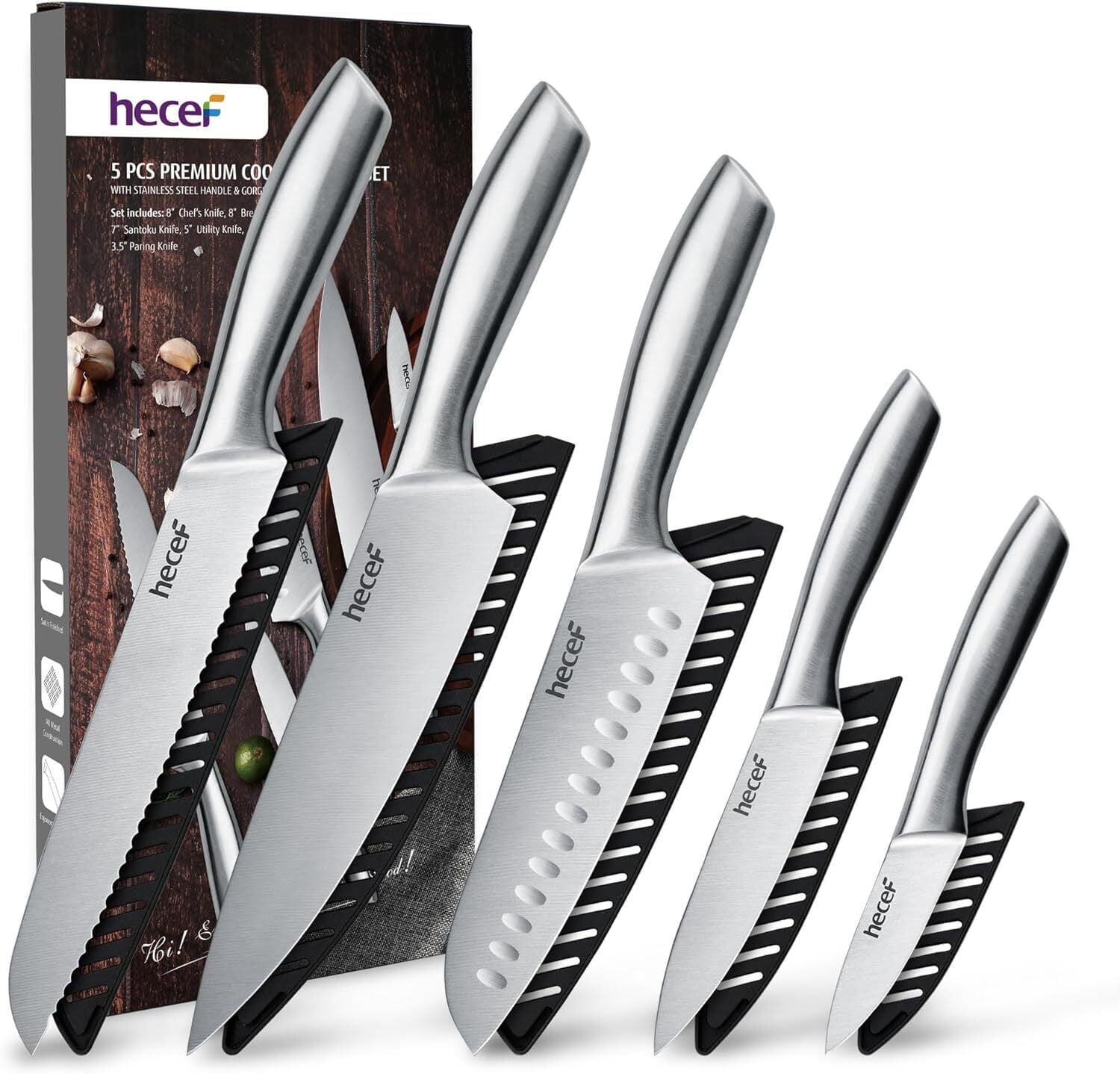
Credit: www.walmart.com
Maintaining Sharpness And Longevity
Core kitchen knives often lose sharpness faster in dishwashers due to harsh detergents and heat. Hand washing helps keep blades sharp and extends their lifespan. Avoiding dishwasher use preserves knife quality and performance over time.
Maintaining sharpness and longevity of your kitchen knives is crucial for effortless cooking and safety in the kitchen. While it might be tempting to toss your knives into the dishwasher for convenience, this could be detrimental to their lifespan. Understanding how to properly care for your knives ensures they remain effective tools in your kitchen arsenal.
Regular Honing Tips
Regular honing is essential to maintain your knife's edge. Use a honing rod at least once a week to keep the blade aligned. Hold the knife at a 20-degree angle and gently slide it across the rod from heel to tip, alternating sides. Even if your knife feels sharp, honing helps to correct any small bends on the blade. This simple act can dramatically extend the time between necessary sharpenings.
When To Sharpen
Knowing when to sharpen your knife can make a big difference in performance. If you find that your knife struggles to cut through tomatoes or slips on onion skin, it's time for a sharpening session. Sharpen your knives about once every few months, depending on usage. For avid home cooks, investing in a sharpening stone or taking them to a professional can be worthwhile.
Avoiding Common Mistakes
Avoid common mistakes that lead to premature dullness. Never use your knife to open packages or cut on hard surfaces like glass or stone. Also, resist the urge to wash your knives in the dishwasher. The harsh detergents and heat can damage the blade and handle. Always hand wash and dry immediately to prevent rust and corrosion. Consider these practical insights to prolong your knife's sharpness and make every slice count. What habits can you change today to extend the life of your kitchen essentials?
Choosing Dishwasher Safe Knives
Choosing the right dishwasher safe knives means paying attention to more than just the blade's sharpness. You need to understand what makes a knife suitable for the dishwasher and how to spot these features before buying. This helps protect your investment and keeps your knives performing well over time.
Labeling And Manufacturer Guidelines
Always check the packaging or product description for dishwasher safe labels. Manufacturers often provide specific instructions on how to clean their knives safely. Ignoring these guidelines can cause rust, dullness, or damage to the handle.
Some knives might say "dishwasher safe" but recommend hand washing to extend their lifespan. If you’re unsure, trust the manual or customer reviews that mention cleaning experiences. This small step can save you from costly mistakes.
Materials Designed For Dishwashers
Knives made with stainless steel blades and synthetic handles usually tolerate dishwashers better. Materials like high-carbon steel or wood handles often suffer from heat and moisture exposure. These can warp, crack, or lose their finish.
Look for knives with full tang construction and riveted handles as they tend to hold up well in dishwashers. However, even with dishwasher-safe materials, repeated cycles might dull the edge faster than hand washing. Would you prefer a bit more effort for a sharper knife?
Balancing Convenience And Care
Using the dishwasher saves time but can shorten your knife’s lifespan if the knife isn’t truly designed for it. Consider how often you use the dishwasher and if you’re willing to replace knives sooner. Sometimes, hand washing just once after use keeps your knives sharper and safer.
You might want to reserve dishwasher use for less expensive or everyday knives and hand wash your premium or favorite blades. This balance keeps your kitchen efficient without sacrificing quality. What’s more important to you: convenience or longevity?
Frequently Asked Questions
Are Core Kitchen Knives Safe For Dishwasher Use?
Core Kitchen Knives are not recommended for dishwashers. High heat and harsh detergents can damage the blade and handle. Hand washing preserves sharpness and extends knife life.
What Damages Do Dishwashers Cause To Knives?
Dishwashers can cause blade dulling, rust, and handle warping. The intense water pressure and heat shorten knife lifespan. Hand wash knives to maintain their quality.
How Should I Clean Core Kitchen Knives Properly?
Use warm, soapy water and a soft cloth for cleaning. Rinse and dry knives immediately to prevent rust. Avoid soaking or abrasive scrubbers to protect the blade.
Can Dishwasher Detergent Harm Core Kitchen Knives?
Yes, dishwasher detergents contain harsh chemicals that can corrode knife blades. They also dull the edge and degrade handles. Hand washing is safer for Core Kitchen Knives.
Conclusion
Core kitchen knives often lose sharpness in dishwashers. The heat and water can damage the blade and handle. Hand washing keeps knives sharper and safer longer. Quick cleaning with mild soap and warm water works best. Dry knives immediately to stop rust and stains.
Taking care of your knives extends their life. Choosing proper cleaning methods protects your kitchen tools. Remember, gentle care means better cooking results every day.