
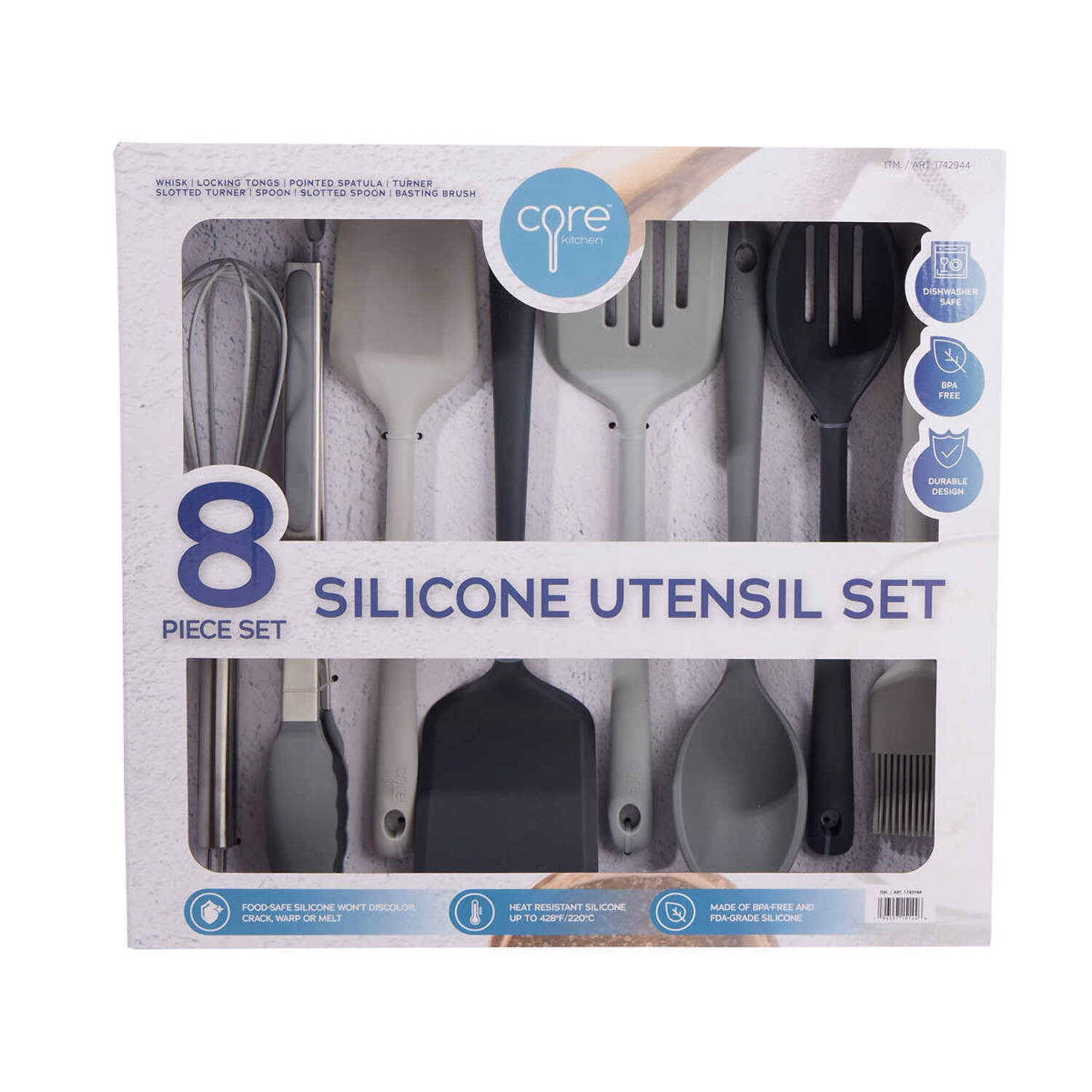
Are you unsure whether your core kitchen utensils can go straight into the dishwasher? You’re not alone.
Cleaning up after cooking can be a hassle, and knowing which tools are dishwasher safe can save you time and keep your utensils in great shape. But putting the wrong items in the dishwasher could damage them or even shorten their lifespan.
You’ll discover exactly which common kitchen utensils are safe for your dishwasher and which ones need a gentler touch. Keep reading to protect your favorite tools and make your cleanup faster and easier than ever.
Credit: www.walmart.com
Types Of Core Kitchen Utensils
Understanding the types of core kitchen utensils you own is key to knowing whether they are dishwasher safe. Different materials and designs react differently to dishwasher conditions. Let’s break down the common materials and identify which utensils need extra care.
Common Materials Used
Most kitchen utensils are made from a few popular materials, each with its own dishwasher compatibility.
- Stainless Steel:Durable and rust-resistant, stainless steel utensils usually handle dishwashers well. They maintain their shine and strength even after repeated washes.
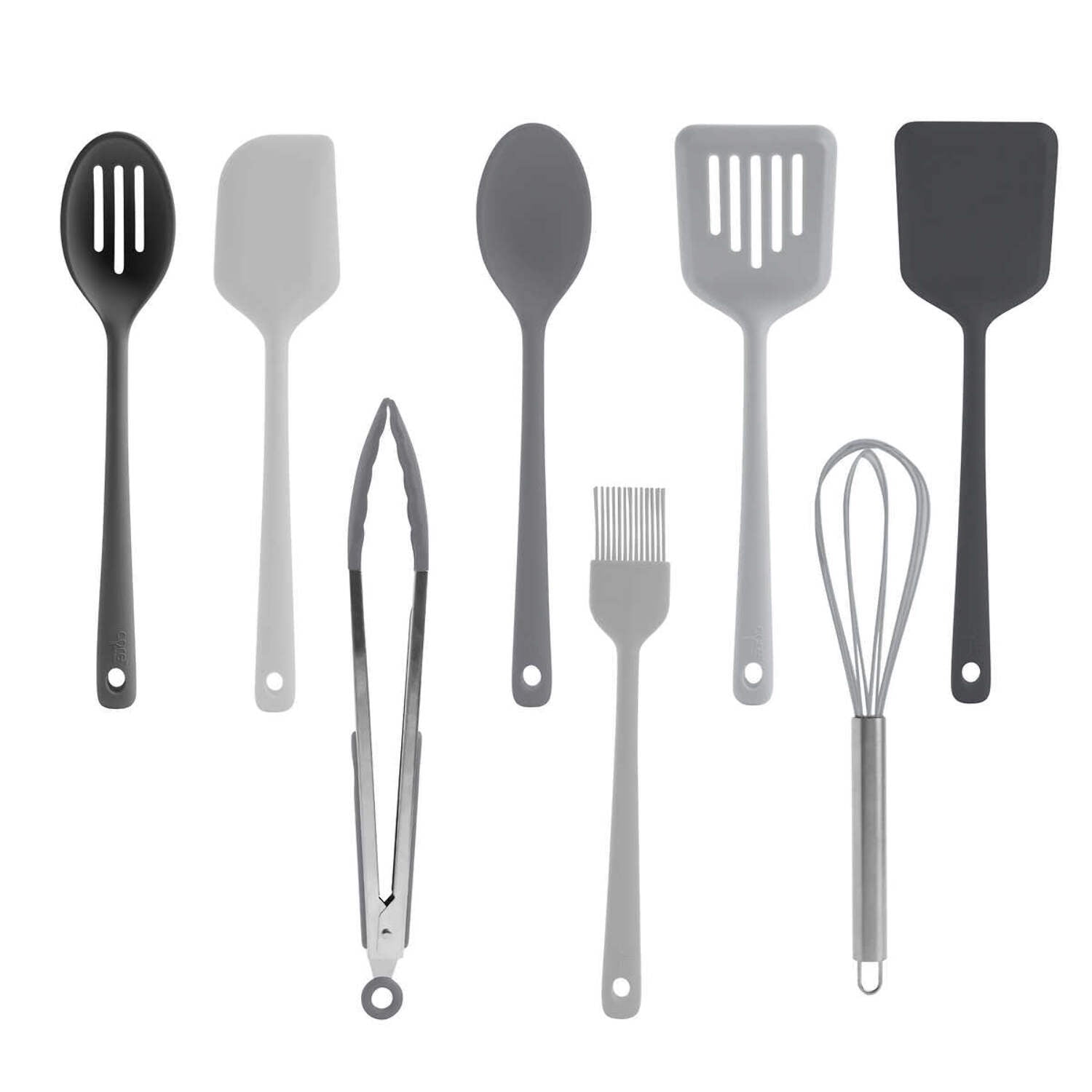
- Silicone:Flexible and heat-resistant, silicone utensils are generally dishwasher safe. They don’t warp or lose shape easily in the dishwasher.
- Plastic:Many plastic utensils are dishwasher safe, but it depends on the type of plastic. Look for BPA-free and heat-resistant labels to ensure safety.
- Wood:Wooden utensils often absorb water and can crack or warp in dishwashers. Most wood is better cleaned by hand washing.
- Non-stick Coated:Utensils with non-stick coatings might lose their surface if exposed repeatedly to high dishwasher heat.
Utensils That Require Special Care
Not all utensils survive the dishwasher’s heat and detergent. Some require gentle handling to last longer.
- Wooden Spoons and Spatulas:I once tossed a wooden spoon in the dishwasher and found it cracked the next day. Hand washing and air drying prevent damage.
- Cast Iron Tools:Utensils or pans with cast iron parts can rust easily when exposed to dishwasher water.
- Sharp Knives:The dishwasher can dull blades and damage handles. Washing knives by hand preserves their sharpness.
- Hand-Painted or Decorative Utensils:Decorative finishes may peel or fade in the dishwasher. Gentle hand cleaning keeps their look intact.
Are you sure your favorite spatula or spoon is safe to toss in the dishwasher? Checking the material can save you from ruining your utensils and spending money on replacements.
Credit: www.walmart.com
Dishwasher Safety For Different Materials
Knowing the dishwasher safety of kitchen utensils is key for easy cleaning. Different materials react to dishwasher heat and detergent in unique ways. Some hold up well, while others can warp, crack, or lose their finish. Understanding these differences helps protect your tools and keeps them lasting longer.
Stainless Steel Utensils
Stainless steel is strong and resists rust and corrosion. Most stainless steel utensils are safe for dishwashers. They handle high heat and harsh detergents without damage. Avoid mixing stainless steel with aluminum in the dishwasher to prevent discoloration. Check for any wooden parts attached to the handle before washing.
Wooden Handles And Utensils
Wood does not do well in dishwashers. Hot water and steam cause wood to crack and warp. Detergents strip away natural oils, making wood dry and brittle. Hand washing wooden utensils is best. Dry them quickly to stop mold and bacteria growth. Avoid soaking wood in water for a long time.
Plastic And Silicone Tools
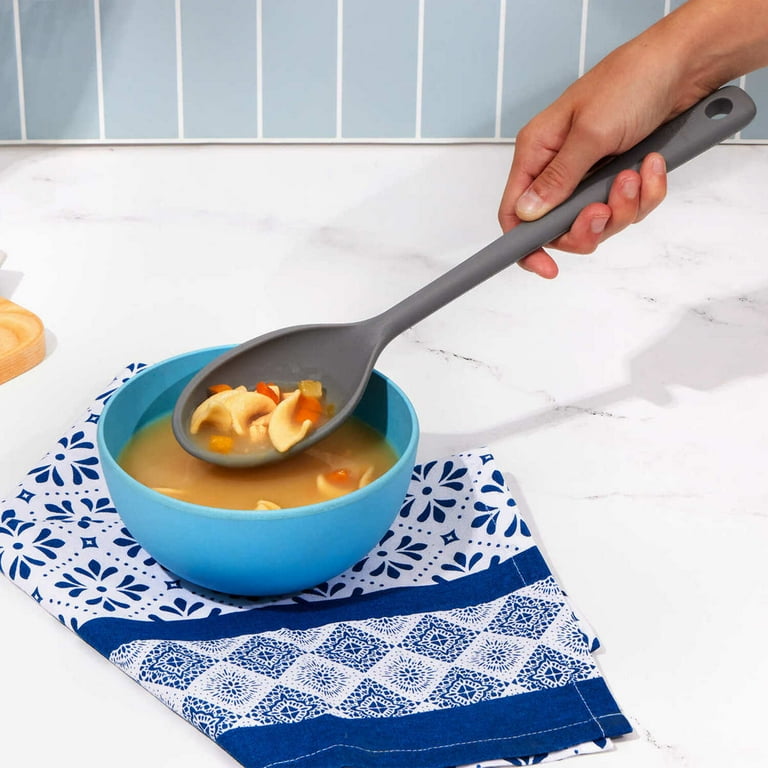
Many plastic and silicone tools are dishwasher safe. Look for labels or symbols that confirm this. Use the top rack to prevent warping from the dishwasher’s heating element. Avoid high heat settings that can melt or deform plastic. Silicone tools usually handle heat well and stay flexible after washing.
Nonstick Coated Items
Nonstick utensils need gentle care in dishwashers. High heat and strong detergents can damage the coating. Use a mild detergent and place items on the top rack only. Avoid abrasive scrubbing to keep the coating intact. Hand washing with a soft sponge often extends the life of nonstick tools.
Risks Of Using Dishwashers
Dishwashers offer convenience but may harm some core kitchen utensils. Using dishwashers can cause damage that reduces the life and usefulness of your tools. Understanding these risks helps protect your utensils and keeps them in good shape.
Heat Damage
High temperatures in dishwashers can weaken certain materials. Plastic handles may melt or become brittle. Nonstick coatings can break down, losing their effectiveness. Heat can also fade colors on utensils, making them look old quickly.
Warping And Discoloration
Strong water pressure and heat can change the shape of utensils. Thin metal or plastic items may warp and no longer fit properly. Some metals may develop spots or uneven color from repeated washing. This makes utensils less attractive and harder to use.
Corrosion And Rusting
Dishwashers expose utensils to moisture for a long time. This can cause metal parts to corrode or rust. Stainless steel is usually safe, but cheaper metals may rust quickly. Rust weakens utensils and can stain other dishes.

Credit: www.amazon.com
Signs Your Utensils Are Not Dishwasher Safe
Utensils with wooden handles or delicate coatings often do not hold up well in dishwashers. Fading colors, warping, or rust spots also signal they are not dishwasher safe. Core kitchen tools showing these signs need gentle hand washing to stay in good shape.
Understanding whether your kitchen utensils are dishwasher safe can save you from the hassle of replacing damaged items. Many of us have faced the frustration of finding a favorite utensil warped or discolored after a dishwasher cycle. So, how can you tell if your utensils are not meant for the dishwasher?
Manufacturer's Labels And Instructions
Always start by checking the manufacturer's label or instructions that came with your utensil. These labels often provide clear guidance on care instructions. Look for symbols or text that specify whether the item is dishwasher safe. Sometimes, the information might be engraved on the handle of the utensil itself. If the label is missing or unclear, a quick online search of the brand and model can provide the needed information. It's worth taking this small step to protect your kitchen tools.
Physical Changes After Washing
Have you noticed any changes in your utensils after running them through the dishwasher? This could be a telltale sign that they're not dishwasher safe. Look for warping, discoloration, or a chalky residue on the surface. Such changes suggest that the high temperatures and strong detergents of a dishwasher are too harsh for the material. If handles become loose or any parts seem to have degraded, it’s a clear indication that hand washing might be the better option. Next time you unload your dishwasher, take a moment to inspect your utensils. Are they holding up well? If not, it might be time to reconsider how you clean them.
Essential Care Tips For Kitchen Utensils
Proper care keeps kitchen utensils safe and lasting longer. Knowing how to clean, dry, and store utensils is key. This helps maintain their quality and appearance. Follow these essential care tips to protect your tools daily.
Hand Washing Best Practices
Some utensils cannot go in the dishwasher. Hand washing prevents damage and extends their life. Use warm water and mild dish soap. Clean with a soft sponge or cloth. Avoid abrasive scrubbers that can scratch surfaces.
Rinse thoroughly to remove all soap residue. Focus on removing stuck food particles gently. Dry immediately to stop water spots and rust.
Proper Drying Techniques
Dry utensils carefully after washing. Use a clean towel or air dry on a rack. Avoid leaving them wet for long periods. Water can cause rust or weaken materials.
For wooden handles, dry quickly to prevent swelling or cracking. Rotate utensils while air drying for even drying. Keep moisture away from metal parts to avoid corrosion.
Storage To Maintain Quality
Store utensils in a dry, clean place. Use utensil holders or drawers with dividers. Organize by type to avoid scratching and bending.
Avoid overcrowding to prevent damage. Wooden utensils benefit from breathable storage. Plastic and metal should not touch damp surfaces.
Regularly check for wear and replace damaged tools. Proper storage keeps utensils ready for your next meal.
Extending The Life Of Your Utensils
Extending the life of your core kitchen utensils saves money and keeps your kitchen running smoothly. Proper care helps utensils stay strong and look new. Simple habits protect them from damage and wear.
Regular Maintenance
Clean utensils soon after use to prevent food from hardening. Use warm water and mild soap for washing. Dry utensils completely to stop rust and mold. Store them in a dry place away from moisture. Check handles and joints often to catch wear early. Sharpen blades regularly if your utensils have them. Polish wooden utensils with mineral oil to keep wood from cracking.
Avoiding Common Mistakes
Do not put all utensils in the dishwasher. Some materials like wood and non-stick coatings can get damaged. Avoid soaking metal utensils too long to prevent rust. Never use abrasive scrubbers on delicate surfaces. Avoid sudden temperature changes to prevent warping or cracking. Do not stack heavy items on top of fragile utensils. Use the correct utensil for each cooking task to avoid unnecessary wear.
Frequently Asked Questions
Are All Core Kitchen Utensils Dishwasher Safe?
Not all core kitchen utensils are dishwasher safe. Materials like wood, cast iron, and some plastics can get damaged. Always check the manufacturer's guidelines before placing utensils in the dishwasher to avoid warping or deterioration.
How To Identify Dishwasher Safe Kitchen Utensils?
Look for dishwasher safe labels or symbols on packaging or utensils. Stainless steel and silicone are usually dishwasher safe. Avoid putting wooden, nonstick, or delicate utensils in the dishwasher to maintain their quality and lifespan.
Can Dishwasher Damage Wooden Kitchen Utensils?
Yes, dishwashers can damage wooden utensils. High heat and water exposure cause wood to crack, warp, or lose finish. It's best to hand wash wooden utensils with mild soap and dry them immediately to preserve their durability.
Does Dishwasher Affect The Lifespan Of Kitchen Utensils?
Dishwasher use can shorten the lifespan of certain utensils. Harsh detergents and heat may cause rust, fading, or warping. To extend utensil life, hand wash items made from wood, nonstick coatings, or delicate materials.
Conclusion
Core kitchen utensils vary in dishwasher safety. Some materials handle heat well, while others do not. Metal tools often stay safe, but wooden items can crack or warp. Plastic utensils may melt if placed on high heat. Always check the manufacturer's instructions before washing.
Taking care extends your utensils’ life and keeps them clean. Hand washing remains the safest choice for delicate items. Small effort prevents damage and saves money. Keep your kitchen tools in top shape with smart cleaning habits. Simple steps make a big difference.