
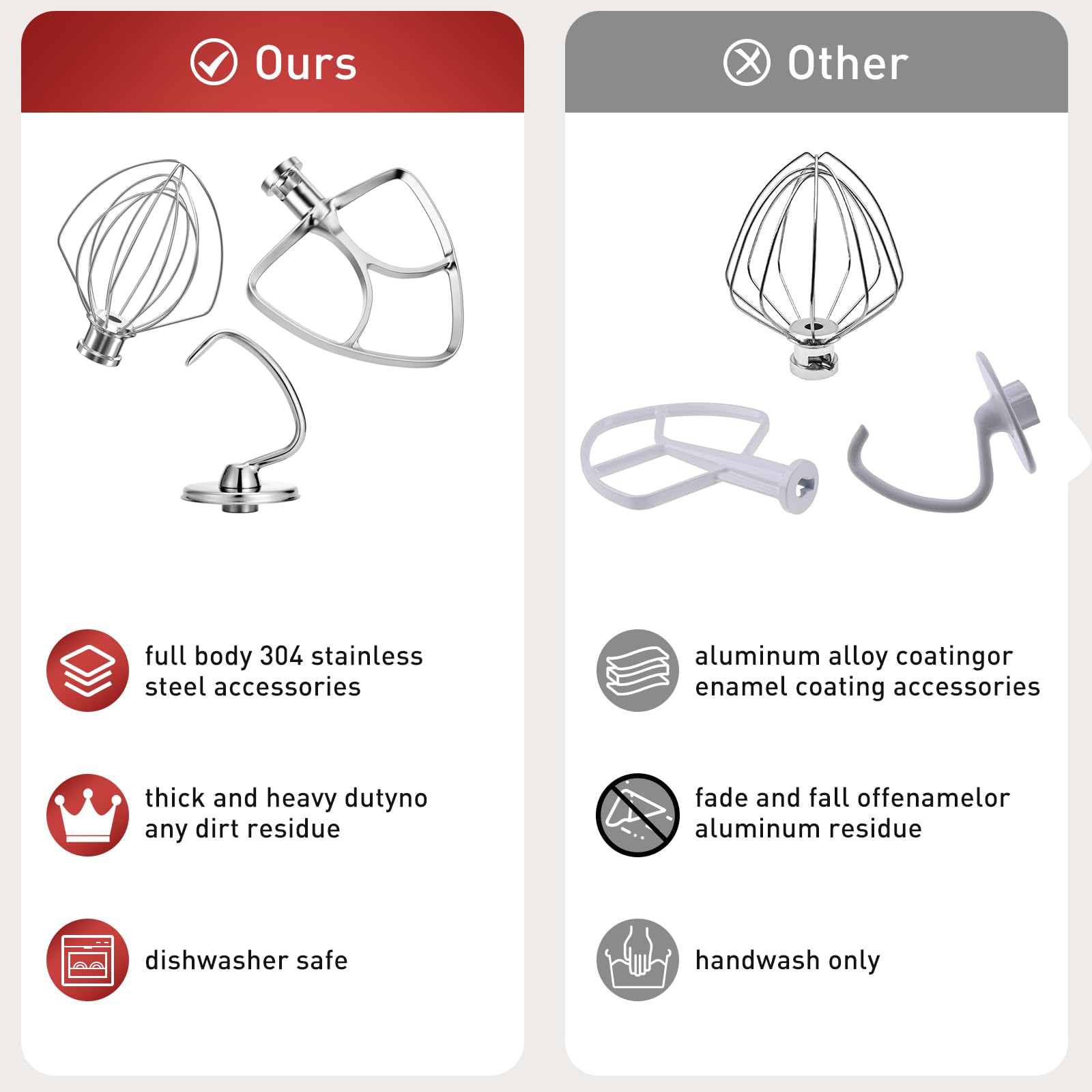
Are you wondering if your Kitchen Aid accessories can safely go in the dishwasher? You’re not alone.
Knowing which parts are dishwasher safe can save you time and keep your tools in top shape. Imagine putting your favorite attachments in the dishwasher, only to find them damaged or worn out quickly. That’s frustrating, right? You’ll discover exactly which Kitchen Aid accessories can handle the dishwasher and which ones need gentle hand washing.
Keep reading to protect your investment and make cleanup easier than ever.
Dishwasher Safety Basics
Dishwasher safety is key to keeping Kitchen Aid accessories in top shape. Knowing what materials your tools are made of helps you decide if they can handle the dishwasher. Some materials tolerate heat and water well, while others might warp or crack. Protecting your accessories means understanding how dishwashers work and the risks involved.
Materials Used In Accessories
Kitchen Aid accessories are made from different materials. Common ones include:
- Stainless steel – strong and dishwasher safe
- Plastic – varies by type; some melt or warp
- Silicone – usually safe, flexible, and heat resistant
- Aluminum – often not dishwasher safe, can discolor
- Wood – absorbs water and can crack or warp
Check the accessory’s label or manual for specific care instructions. Materials like stainless steel and silicone usually survive dishwashers well. Wood and aluminum need careful hand washing.
Common Dishwasher Risks
Dishwashers can cause damage through heat, water pressure, and detergent. Risks include:
- Warping or melting of plastics not meant for dishwashers
- Rusting or discoloration of metal parts
- Cracking or splitting of wooden handles
- Detergent corrosion on sensitive surfaces
- Loose parts falling off and clogging the dishwasher
Placing accessories properly inside the dishwasher reduces damage. Avoid high heat settings for delicate items. Understanding these risks helps extend your accessory’s life.
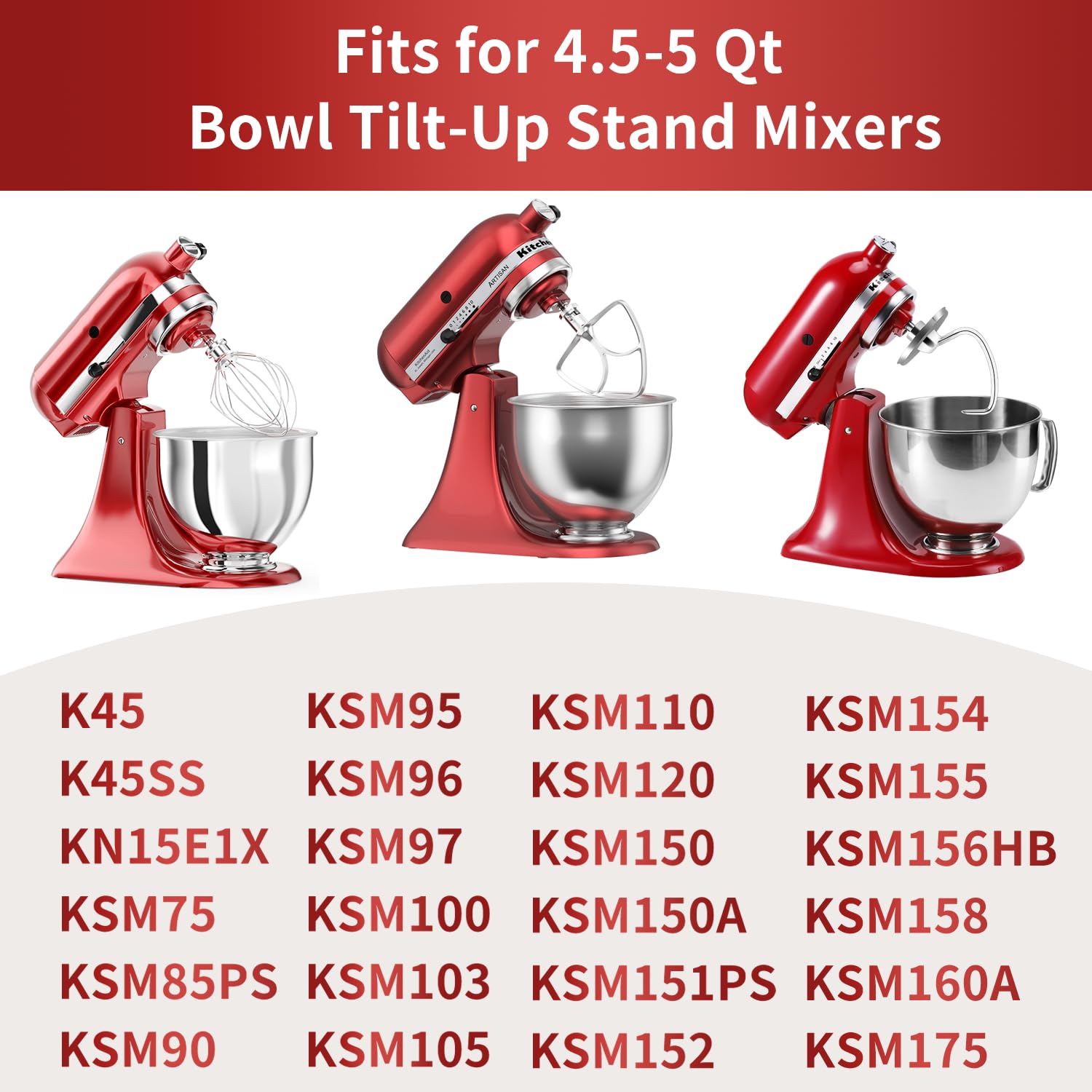
Credit: www.amazon.ca
Kitchenaid Accessories Overview
KitchenAid accessories expand the use of your stand mixer. They help with tasks like kneading dough, grinding meat, and making pasta. Many attachments fit easily on the mixer hub. This makes cooking faster and more fun.
Understanding the types of accessories and their materials helps you care for them properly. This knowledge also shows which parts can go in the dishwasher safely.
Popular Attachments
- Dough Hook – for kneading bread and pizza dough.
- Flat Beater – great for mixing batters and cookie dough.
- Wire Whip – whips cream and egg whites to soft peaks.
- Food Grinder – grinds meat, cheese, and vegetables.
- Pasta Roller and Cutter – rolls dough and cuts fresh pasta.
- Ice Cream Maker – churns homemade ice cream and sorbet.
Accessory Materials
Most KitchenAid accessories use durable materials. Common ones include:
- Stainless Steel – strong and resistant to rust.
- Aluminum – lightweight but sturdy, often coated for protection.
- Plastic – used for parts that need flexibility or safety.
- Silicone – found in seals or flexible parts for easy cleaning.
Material type affects cleaning instructions and dishwasher safety. Knowing this helps avoid damage and keeps accessories working well.
Dishwasher Compatibility By Accessory
Knowing which Kitchen Aid accessories can safely go in the dishwasher saves you time and keeps your tools in great shape. Different parts have different materials and designs, so their dishwasher compatibility varies. Let’s look at how each accessory fares when it comes to dishwasher use.
Mixing Bowls
Most Kitchen Aid mixing bowls are made of stainless steel, which is durable and dishwasher safe. You can place them on the bottom rack to avoid warping from intense heat. However, bowls with special finishes or glass versions may require hand washing to maintain their look.
Beaters And Whisks
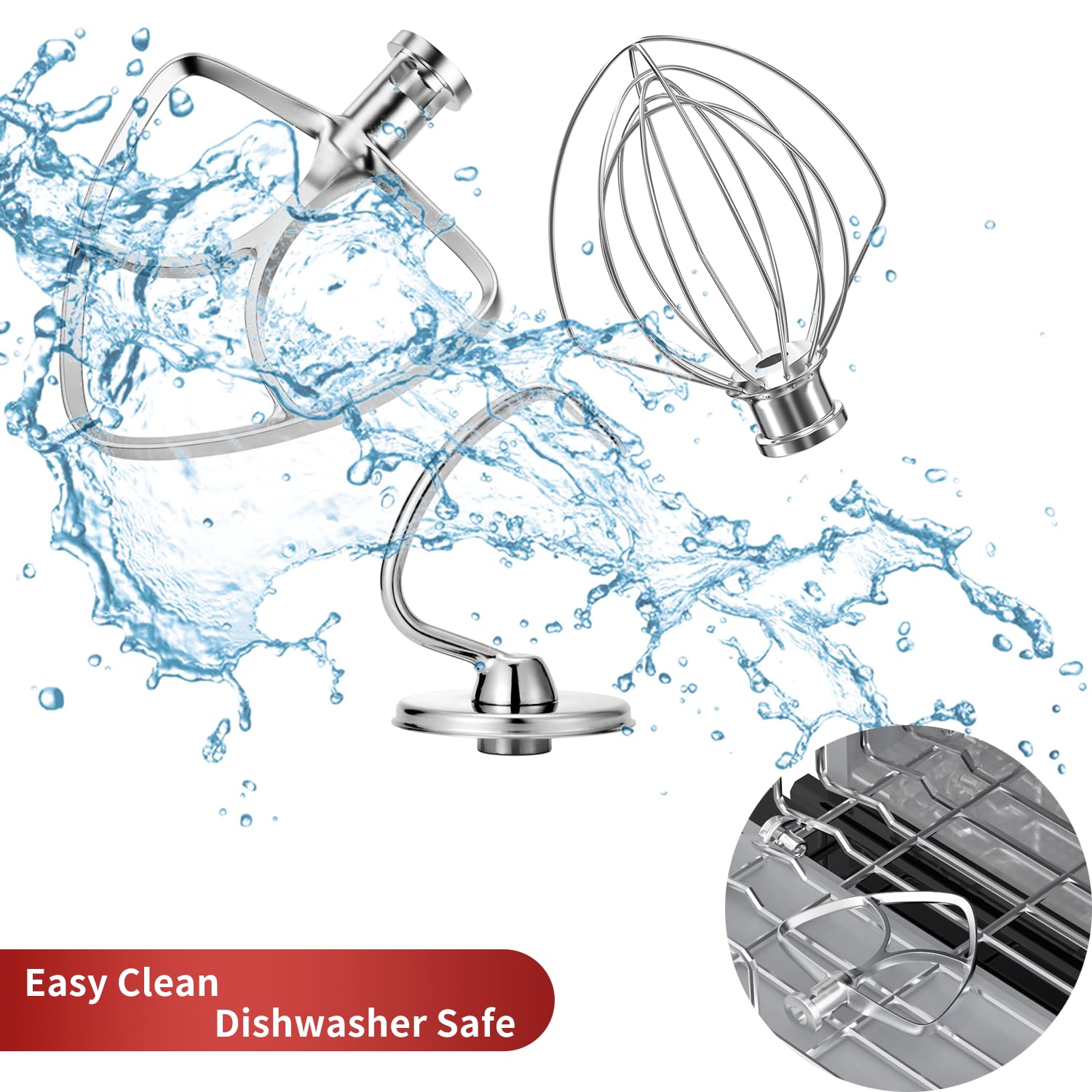
Beaters and whisks are usually dishwasher safe, made from sturdy metal that holds up well to washing cycles. But if you notice any discoloration or rust spots, it might be better to hand wash them. Leaving them to air dry thoroughly will help prevent moisture damage over time.
Dough Hooks
Dough hooks are strong and typically made of metal, making them safe for dishwasher cleaning. Still, avoid high heat settings to protect the coating and prevent corrosion. Have you ever found your dough hook looking dull after a few washes? That’s a sign to switch to gentle cleaning methods.
Pouring Shields
Pouring shields are usually plastic and dishwasher safe on the top rack. Placing them on the bottom rack can cause warping due to high heat. If your shield has cracks or discoloration after washing, consider hand washing to extend its life.
Flex Edge Scrapers
Flex edge scrapers often combine silicone and plastic parts, which handle dishwasher cycles well. Still, it’s best to keep them on the top rack to prevent heat damage. Have you noticed your scraper’s edges becoming less flexible? That’s a cue to wash it gently by hand.
Manufacturer Cleaning Recommendations
Manufacturer cleaning recommendations help protect your Kitchen Aid accessories. Following these guidelines keeps your tools in good shape. It also ensures safe and effective cleaning. Different accessories may have unique care instructions. Always check the user manual or product tags.
Official Dishwasher Guidelines
Many Kitchen Aid accessories are labeled dishwasher safe. The manufacturer suggests placing items on the top rack. This reduces heat exposure and prevents damage. Avoid overcrowding the dishwasher to allow proper water flow.
Use mild dishwasher detergent to prevent wear on finishes. Do not use high-heat drying cycles for delicate parts. Some attachments with plastic or rubber parts may warp in the dishwasher.
Hand Washing Tips
Hand washing is a safe choice for delicate Kitchen Aid accessories. Use warm water and gentle dish soap. Avoid abrasive scrubbers that can scratch surfaces. Soft sponges or cloths work best for cleaning.
Rinse thoroughly to remove soap residue. Dry accessories immediately with a soft towel. This prevents water spots and rust on metal parts. Regular hand washing extends the life of your accessories.
Common Issues With Dishwashing Accessories
Using Kitchen Aid accessories in the dishwasher might seem like a time-saver, but it often comes with hidden challenges. These common issues can affect the lifespan and effectiveness of your tools. Understanding these problems helps you decide the best care for your accessories.
Wear And Tear
Repeated dishwasher cycles can cause gradual wear and tear on Kitchen Aid accessories. Plastic parts may become brittle or discolored after several washes. Metal components can lose their shine or develop minor corrosion, especially if exposed to harsh detergents.
Have you noticed your mixer attachments looking dull or feeling rough after a few washes? This is a clear sign of wear. Avoid putting delicate parts in the dishwasher to keep them looking and working like new.
Damage Risks
Dishwashers can cause damage that isn’t always visible immediately. Accessories might bend, crack, or warp due to high heat or strong water pressure. Small parts can also get caught in the dishwasher racks, leading to breaks or loss.
Think about the last time you found a cracked beater or a warped dough hook. Could the dishwasher have caused that? Hand washing might take more effort but it significantly reduces damage risks.
Performance Impact
Even minor damage or wear can affect how well your Kitchen Aid accessories perform. Blades might become less sharp, or attachments might not fit as securely. This reduces efficiency and can make cooking tasks harder or less precise.
Have you ever struggled with a mixer attachment that just doesn’t blend ingredients smoothly anymore? That’s a sign the accessory’s performance has declined. Maintaining your accessories outside the dishwasher can keep them functioning at their best for longer.
Tips For Maintaining Kitchenaid Accessories
Many KitchenAid accessories are not dishwasher safe. Check each item’s care instructions before cleaning. Hand wash delicate parts to ensure longevity and maintain performance.
Maintaining your KitchenAid accessories is essential to ensure they remain in top condition and serve you for many years. Whether it's a stand mixer attachment or a blender jar, taking the right steps in caring for them can make all the difference. Let's dive into some practical tips that will help you keep your KitchenAid accessories as good as new.
Proper Cleaning Techniques
Cleaning your KitchenAid accessories properly is crucial. Always check if the accessory is dishwasher safe before tossing it in. If not, hand washing with mild soap and warm water is the safest bet. For stubborn stains or food residue, use a soft brush. Avoid abrasive materials that could scratch the surface. Remember, a gentle touch can prevent long-term damage.
Storage Advice
Storing your KitchenAid accessories correctly can prolong their lifespan. Designate a specific drawer or shelf for these items to avoid clutter and potential damage from overcrowding. Consider using protective covers or cloths to prevent dust accumulation. Additionally, keeping them in a dry place will help avoid rust and corrosion.
Avoiding Damage
Being mindful of how you use your KitchenAid accessories can prevent unnecessary damage. Always follow the manufacturer’s guidelines for usage and avoid overloading your appliances. Check for any signs of wear and tear regularly. Addressing minor issues early can prevent bigger problems down the line. What small steps can you take today to ensure your kitchen tools last for years?
Alternative Cleaning Methods
Sometimes, dishwasher cleaning isn’t the best option for your Kitchen Aid accessories. Whether it’s due to delicate parts or stubborn residues, alternative cleaning methods come in handy. These approaches help maintain your tools' longevity and performance without risking damage.
Manual Cleaning Tools
Using the right manual tools can make a big difference in how clean your accessories get. A soft sponge or a gentle brush often works better than harsh scrubbers. You can reach tricky spots like crevices or blade edges without scratching or bending parts.
Try using a toothbrush with soft bristles for tight areas. It’s surprising how much grime hides where you least expect it. Have you ever missed a spot until you used a smaller brush? This simple tip can save you frustration and keep your Kitchen Aid parts spotless.
Soaking And Sanitizing
Soaking your accessories in warm, soapy water loosens dried-on food and grease. Let them sit for 10-15 minutes before scrubbing to reduce effort and avoid damage. It’s a gentle way to clean without relying on aggressive scrubbing or harsh chemicals.
After soaking, sanitize your accessories to kill bacteria and keep your kitchen safe. A mixture of water and white vinegar or a mild bleach solution works well. Just make sure to rinse thoroughly afterward to remove any residue that could affect taste or safety.
Credit: www.amazon.ca
User Experiences And Reviews
User experiences and reviews offer valuable insights on whether KitchenAid accessories are dishwasher safe. Many users share their firsthand knowledge, highlighting both benefits and drawbacks. These reviews help others make informed decisions about cleaning and maintaining their KitchenAid tools.
Positive Feedback
- Many users report that most KitchenAid accessories clean well in dishwashers.
- Attachments like beaters and dough hooks often come out spotless without damage.
- Users appreciate the convenience of dishwasher-safe parts for quick cleanup.
- Several reviews mention that dishwasher cleaning saves time and effort.
- People note that dishwasher-safe labeling matches their experience with durable parts.
Common Complaints
- Some users find that plastic components can warp or discolor after dishwashing.
- Occasionally, grease and food bits remain on accessories after one wash.
- Metal parts sometimes develop rust spots if not dried properly post-wash.
- Reports mention that frequent dishwasher use may reduce accessory lifespan.
- Users caution against placing parts in the bottom rack to avoid damage.
Expert Opinions
- Experts recommend checking each accessory’s manual for dishwasher instructions.
- They advise using top-rack dishwasher placement for better protection.
- Cleaning accessories by hand can extend their durability and appearance.
- Experts note that high dishwasher temperatures may harm some plastic parts.
- They suggest drying parts immediately after washing to prevent rust or stains.

Credit: www.reddit.com
Frequently Asked Questions
Are All Kitchen Aid Accessories Dishwasher Safe?
Most Kitchen Aid accessories are dishwasher safe. However, some parts like metal attachments and certain plastics require hand washing to maintain quality. Always check the user manual for specific cleaning instructions to avoid damage and ensure longevity of your accessories.
How To Identify Dishwasher Safe Kitchen Aid Parts?
Look for dishwasher-safe symbols on the accessory or packaging. Kitchen Aid usually marks dishwasher-safe parts clearly. When in doubt, refer to the product manual or Kitchen Aid’s official website for accurate cleaning guidelines to prevent accidental damage.
Can Dishwasher Damage Kitchen Aid Mixer Attachments?
Dishwasher heat and detergents can damage some Kitchen Aid attachments. Plastic parts may warp, and metal components can rust or dull. Hand washing is recommended for delicate or non-dishwasher-safe accessories to preserve their performance and appearance.
Should I Use Top Rack For Kitchen Aid Dishwasher Safe Parts?
Yes, place dishwasher-safe Kitchen Aid parts on the top rack. The top rack experiences gentler heat and water pressure, minimizing potential damage. This practice helps maintain the integrity and lifespan of your accessories during cleaning.
Conclusion
KitchenAid accessories often fit well in dishwashers. Still, always check the manual for each item. Some parts need hand washing to last longer. Avoid harsh detergents or high heat settings. Taking care helps keep your tools working great. Clean accessories make cooking easier and more fun.
Small steps protect your investment every day. Simple habits make a big difference in the kitchen.