
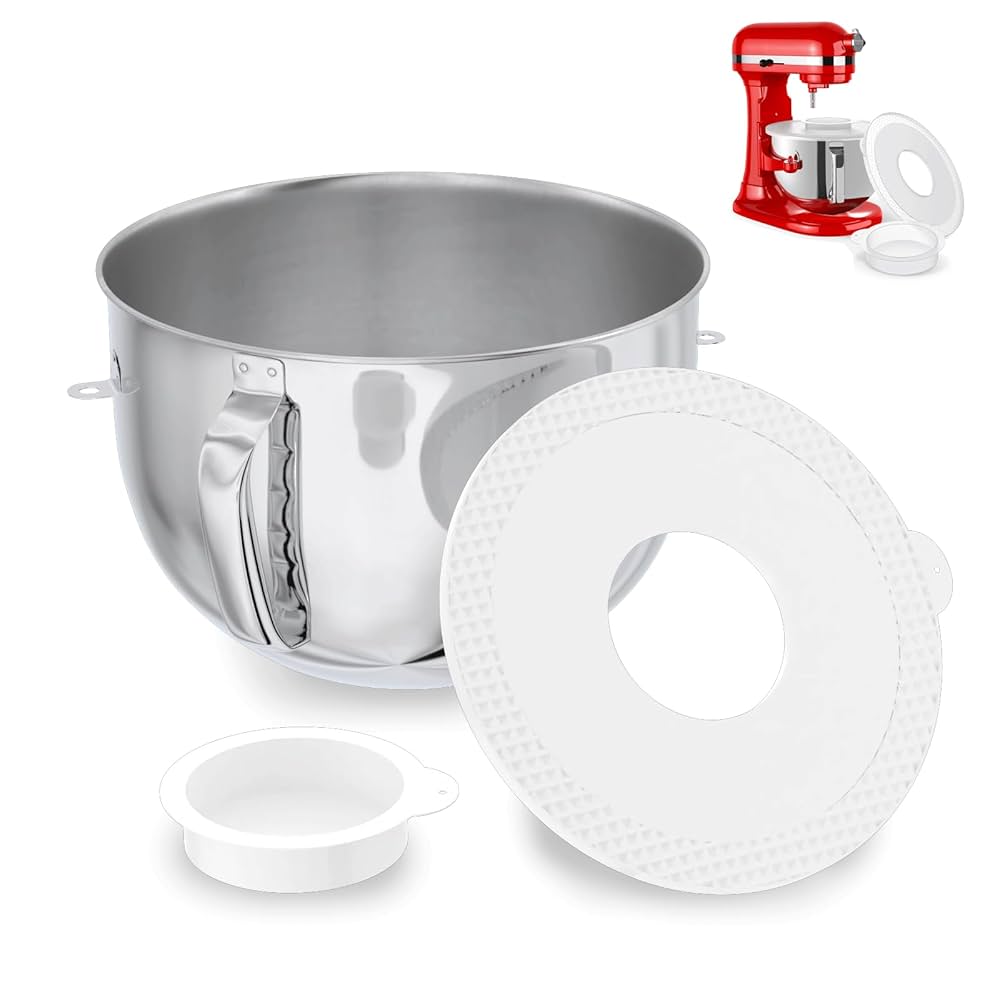
If you love using your Kitchen Aid mixer, you probably ask yourself this: Are Kitchen Aid mixer bowls dishwasher safe? You want to keep your kitchen tools clean without spending too much time scrubbing.
Imagine finishing your baking and simply placing the bowl in the dishwasher—sounds perfect, right? But is it really that simple? You’ll discover exactly what you need to know to protect your mixer bowl and keep it looking new. Stick with me, and you’ll never worry about cleaning your Kitchen Aid bowl the wrong way again.
Kitchenaid Mixer Bowls Types
KitchenAid mixer bowls come in various types, each designed for different uses and preferences. Choosing the right bowl affects your mixing experience and cleaning routine. Understanding the materials helps you know if they are dishwasher safe and how to care for them.
Stainless Steel Bowls
Stainless steel bowls are the most common type. They are durable and resist stains and odors. These bowls handle heavy mixing tasks well. They are usually dishwasher safe and easy to clean. Their lightweight design makes them convenient to use and store.
Glass Bowls
Glass bowls offer a clear view of your ingredients as you mix. They are non-reactive, so they do not affect food taste. Glass bowls are heavier than stainless steel but still dishwasher safe. Handle them with care to avoid chips or cracks.
Ceramic Bowls
Ceramic bowls add style to your kitchen with their colorful designs. They maintain temperature well, good for some recipes. These bowls may not be dishwasher safe, so check before cleaning. They require gentle handling to prevent damage.
Other Materials
Some KitchenAid bowls come in plastic or aluminum. Plastic bowls are lightweight but can stain or absorb smells. Aluminum bowls are light but may react with acidic foods. These materials often need hand washing to keep them in good condition.
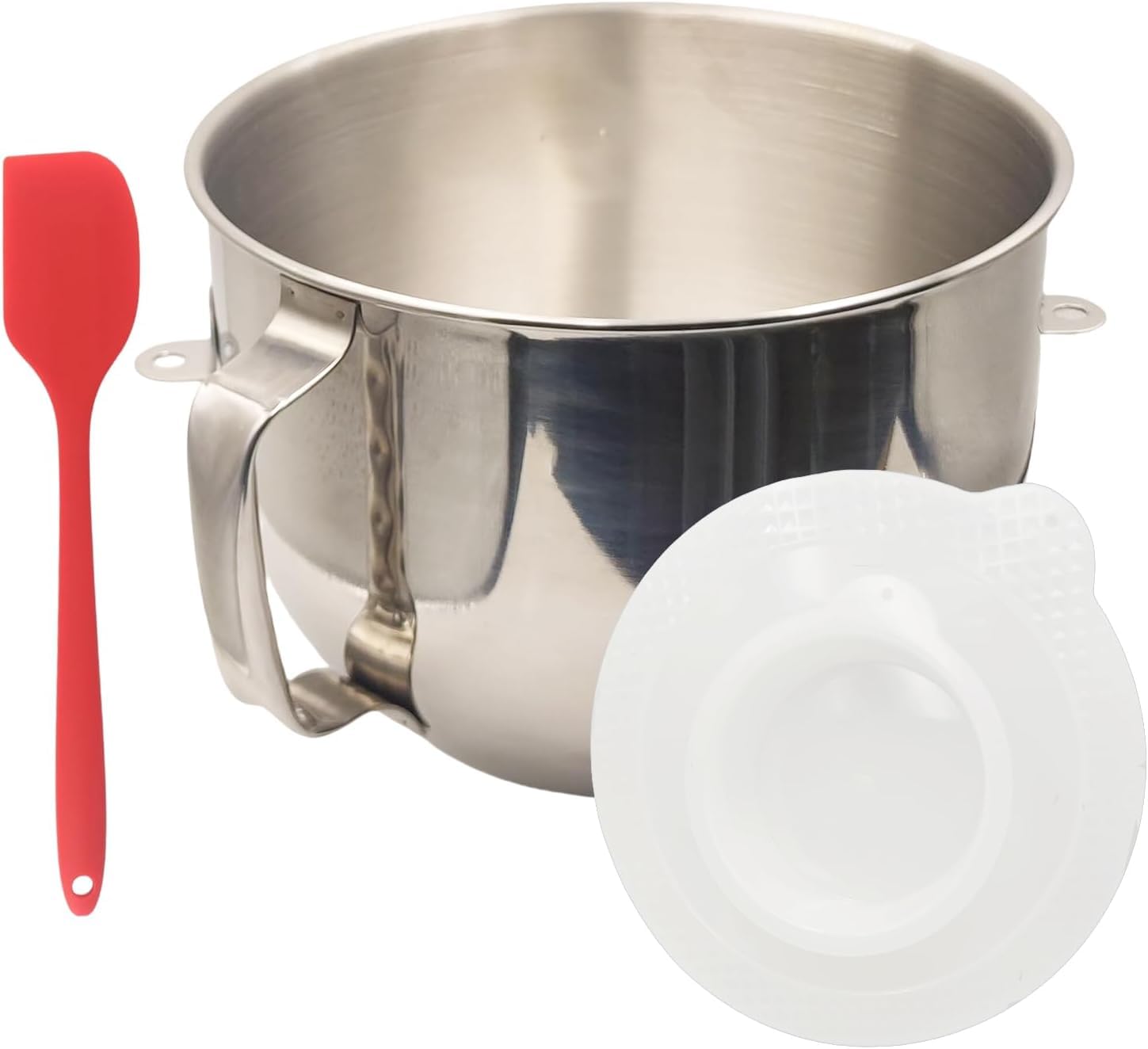
Credit: www.amazon.ca
Dishwasher Safety By Bowl Type
KitchenAid mixer bowls come in various materials, each with unique care needs. Knowing which bowls are dishwasher safe helps keep them in good shape. Proper cleaning extends the life of your mixer and ensures safe food preparation.
Dishwasher safety depends on the type of bowl material. Some bowls handle dishwasher heat and detergent well. Others need gentle care to avoid damage. Below is a guide on dishwasher safety by bowl type.
Stainless Steel And Dishwashers
Stainless steel bowls are strong and durable. They usually handle dishwasher cleaning without problems. The metal resists rust and stains from dishwasher detergents.
Place the bowl on the bottom rack for best results. Avoid harsh detergents or high heat settings. These can dull the finish over time.
Glass Bowl Care In Dishwashers
Glass bowls are generally dishwasher safe. They can withstand heat and water pressure in most dishwashers. Use the top rack to prevent chipping or cracking.
Choose a gentle cycle to protect the glass. Avoid sudden temperature changes that can cause breakage. Check the manufacturer’s instructions for specific guidance.
Ceramic Bowl Washing Tips
Ceramic bowls need careful handling in dishwashers. Some ceramic finishes may fade or crack under high heat. Hand washing is often safer for these bowls.
If using a dishwasher, select a mild detergent and low heat setting. Place the bowl securely to avoid movement and impacts. Regular checks help spot any damage early.
Common Risks In Dishwasher Use
Using a dishwasher can seem convenient for many kitchen tasks. Yet, not all items are safe for this appliance. KitchenAid mixer bowls, for example, face several risks if washed in a dishwasher. Understanding these risks can help protect your valuable kitchen tools.
Potential Damage To Bowl Finish
The high temperature and strong detergents in dishwashers might harm the bowl's finish. This damage can make your bowl look dull and worn out. Over time, the once shiny surface may lose its appeal.
Impact On Bowl Longevity
Washing in a dishwasher could reduce the life of your mixer bowl. Constant exposure to heat and chemicals might weaken the bowl's material. This may lead to cracks or even breakage.
Effect On Bowl Accessories
Bowl accessories, like lids or attachments, may not withstand dishwasher conditions. These parts might warp or lose their fit. This can affect the performance and safety of your mixer.

Credit: www.amazon.ca
Hand Washing Vs Dishwasher
Choosing between hand washing and using a dishwasher for your Kitchen Aid mixer bowls can affect their lifespan and cleanliness. Each method has its advantages and limits. Understanding these can help keep your mixer bowls in top shape for every baking session.
Pros Of Hand Washing
- Gentle on the bowl’s finish and prevents scratches.
- Allows immediate cleaning, stopping food from hardening.
- Helps maintain the bowl’s shine and metal quality longer.
- Easy to clean hard-to-reach corners with a sponge.
- Reduces risk of damage from harsh dishwasher detergents.
When To Avoid Dishwasher
- Do not wash if the bowl has dents or cracks.
- Avoid dishwasher if the bowl has a non-stick coating.
- Skip dishwasher use for bowls with painted or decorated surfaces.
- Dishwasher heat may cause warping or discoloration.
- Heavy soil may require pre-rinsing before dishwasher use.
Best Practices For Cleaning
- Rinse the bowl immediately after use to prevent residue.
- Use mild dish soap and a soft sponge for hand washing.
- Place the bowl securely in the dishwasher’s top rack.
- Use gentle dishwasher cycles and avoid high heat drying.
- Dry the bowl thoroughly to prevent water spots and rust.
Manufacturer Care Recommendations
Manufacturer care recommendations for KitchenAid mixer bowls offer valuable guidance to keep your appliance in top shape. These instructions help you avoid damage and maintain performance over time. Understanding what the manufacturer advises can save you from costly repairs or replacements.
Official Cleaning Guidelines
KitchenAid recommends hand washing most of their mixer bowls to protect the finish and integrity. Though some stainless steel bowls are labeled dishwasher safe, frequent dishwasher use can cause discoloration or dullness. Using warm, soapy water with a soft cloth ensures your bowl stays shiny and free from scratches.
Have you ever noticed your mixer bowl looking worn after dishwasher cycles? This happens because harsh detergents and high heat can degrade the bowl’s surface. Following the official cleaning tips extends the life and appearance of your bowl far beyond the warranty period.
Warranty And Damage Claims
KitchenAid’s warranty typically covers defects in materials and workmanship but excludes damage caused by improper cleaning. Using the dishwasher against manufacturer advice might void your warranty if it leads to visible damage. Always check the warranty terms before deciding how to clean your bowl.
If your bowl shows signs of wear or damage after dishwasher use, you might face rejection of a damage claim. This policy encourages users to stick to recommended care methods. Do you really want to risk losing warranty protection over a quick cleaning shortcut?
Customer Support Insights
Many users report that KitchenAid customer support stresses the importance of gentle care when cleaning mixer bowls. Representatives often advise hand washing to maintain warranty validity and product quality. They also suggest contacting support before attempting repairs or replacements.
Engaging with customer support can clarify confusion about dishwasher safety for specific bowl models. This direct source of advice prevents unnecessary damage and frustration. Have you reached out to support for guidance on your mixer bowl care?

Credit: www.amazon.ca
Tips For Maintaining Mixer Bowls
Maintaining your Kitchen Aid mixer bowls in top shape is easier than you might think. Simple care routines can keep them looking new and working perfectly for years. Let’s break down some practical tips to help you get the most out of your investment.
Regular Cleaning Routines
Cleaning your mixer bowl right after use prevents food from drying and sticking. Use warm, soapy water and a soft cloth or sponge for best results. Avoid harsh scrubbers that can scratch the bowl’s surface.
If you prefer dishwasher cleaning, check if your specific bowl model is dishwasher safe. Many stainless steel bowls are, but some coated or colored ones may not be. Taking a moment to confirm this can save you from accidental damage.
Storage Suggestions
Store your mixer bowl in a dry, cool place to avoid moisture buildup that can cause rust or discoloration. Nest bowls carefully if you have multiple sizes to prevent scratches.
Consider using a soft cloth or paper towel between stacked bowls. This simple step protects finishes and keeps your collection looking pristine. Have you noticed how small storage habits make a big difference over time?
Avoiding Common Mistakes
Don’t leave acidic or salty ingredients sitting in your bowl for extended periods—they can degrade the metal or finish. Also, avoid sudden temperature changes, like rinsing a hot bowl with cold water, to prevent warping.
Be cautious with metal utensils; they can cause scratches inside the bowl. Instead, use wooden or silicone tools when mixing or scraping. These small changes help your bowl stay functional and beautiful longer.
Alternative Cleaning Methods
Sometimes, dishwasher cleaning isn't the best choice for your Kitchen Aid mixer bowls. Alternative cleaning methods can help maintain the bowl’s finish and keep it in top shape. These techniques are simple, effective, and often use items you already have at home.
Soaking And Scrubbing
Soaking your mixer bowl in warm, soapy water loosens stuck-on food and makes scrubbing easier. Use a soft sponge or cloth to avoid scratching the surface. If you notice stubborn spots, let the bowl soak a bit longer before scrubbing again.
Have you ever struggled to remove dried batter or dough? Soaking gives you a chance to relax while the water does the hard work. It’s a gentle way to clean without risking damage from harsh scrubbing or abrasive tools.
Using Natural Cleaners
Natural cleaners like baking soda, vinegar, and lemon juice can refresh your mixer bowl safely. Sprinkle baking soda inside the bowl, add a little water to form a paste, and gently scrub. This method lifts grime without harsh chemicals.
Try wiping the bowl with a cloth dipped in vinegar to remove mineral deposits or dull spots. Lemon juice works well to brighten stainless steel and leave a fresh scent. These natural options are easy on your skin and the environment.
Dealing With Stains And Odors
Stubborn stains and lingering smells can be tricky. A simple trick is to fill the bowl with warm water and add a few tablespoons of baking soda or white vinegar. Let it sit for an hour or more to neutralize odors and break down stains.
If the smell persists, place a lemon slice inside the bowl and leave it overnight. This adds a natural fresh scent and helps absorb unwanted odors. Have you noticed your bowl holding onto smells after strong ingredients like garlic or onions? These techniques can make a real difference.
Frequently Asked Questions
Are Kitchen Aid Mixer Bowls Dishwasher Safe?
Yes, most Kitchen Aid mixer bowls are dishwasher safe. Stainless steel bowls can be cleaned in the dishwasher without damage. However, hand washing is recommended for bowls with special finishes to maintain their appearance and durability.
Can Dishwasher Damage Kitchen Aid Mixer Bowls?
Dishwashers generally do not damage stainless steel bowls. But repeated dishwasher use may dull some finishes. It's best to check the manufacturer's care instructions for your specific bowl type to avoid any damage.
How To Clean Kitchen Aid Mixer Bowls Properly?
To clean Kitchen Aid bowls, use warm soapy water and a soft cloth. For tough residues, soak before washing. Stainless steel bowls can go in the dishwasher, but hand washing preserves their finish longer.
Are All Kitchen Aid Mixer Bowls Dishwasher Safe?
Not all Kitchen Aid mixer bowls are dishwasher safe. Stainless steel bowls usually are, but ceramic or coated bowls often require hand washing to avoid chipping or damage.
Conclusion
Kitchen Aid mixer bowls can often go in the dishwasher safely. Still, checking your specific bowl’s care instructions is best. Some bowls handle dishwasher heat well, while others do not. Hand washing may keep your bowl looking new longer. Avoid harsh soaps or scrubbing pads that can damage the finish.
Taking good care helps your mixer bowl last many years. Simple steps make cleaning easy and safe. This way, your Kitchen Aid stays ready for every baking task.