
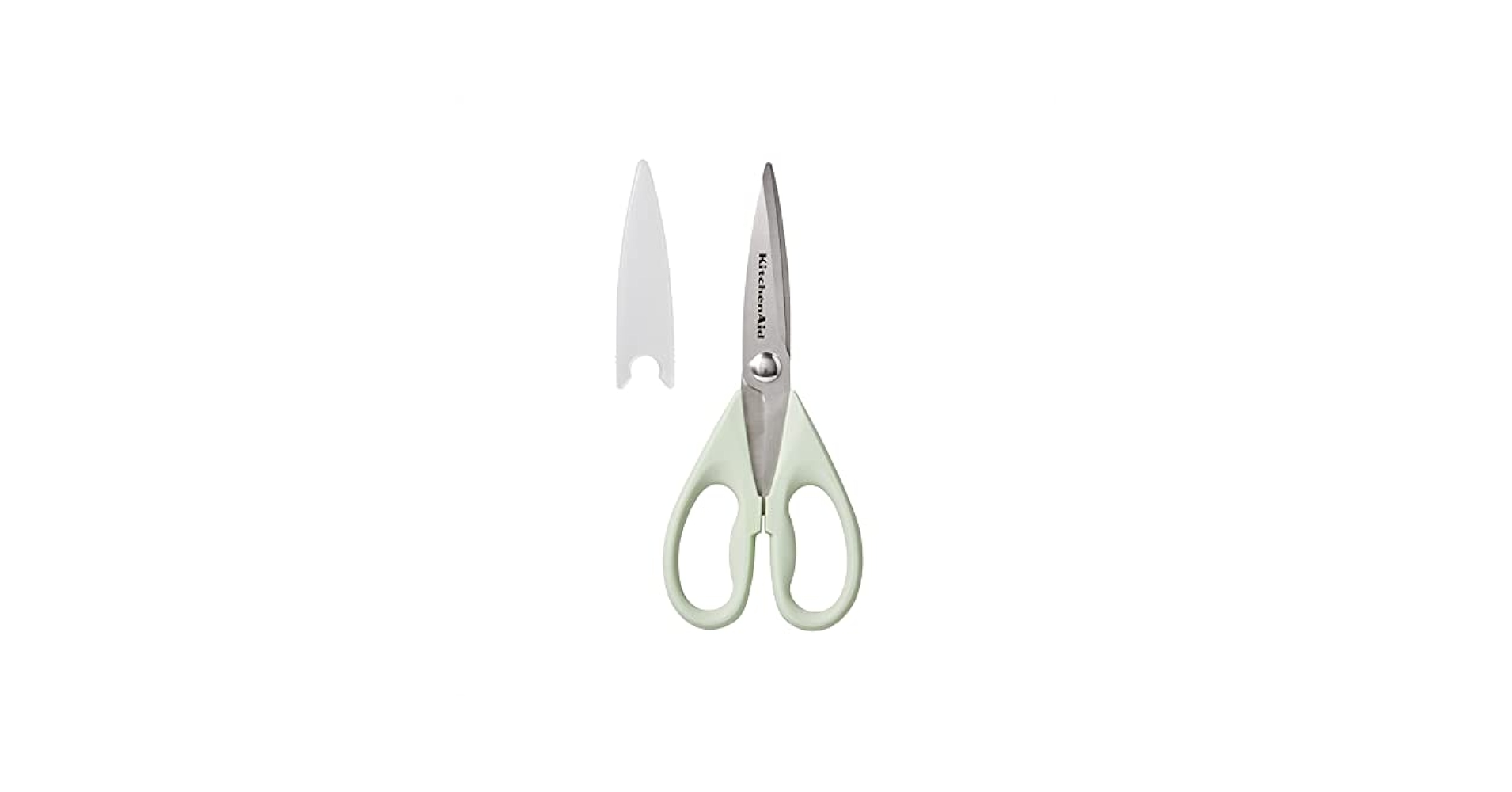
Are you wondering if your Kitchen Aid scissors can go straight into the dishwasher after use? You’re not alone.
Many people want to save time and effort by cleaning their kitchen tools quickly and safely. But before you toss those scissors into the dishwasher, it’s important to know what’s best for keeping them sharp and in good condition. Keep reading to find out the truth about Kitchen Aid scissors and dishwasher safety—so you can protect your tools and make your kitchen routine easier.
Kitchen Aid Scissors Materials
Understanding the materials used in Kitchen Aid scissors helps you decide how to care for them, especially regarding dishwasher safety. The durability and maintenance of your scissors depend largely on the blade composition and handle materials. Let’s break down these components to give you a clear picture.
Blade Composition
Kitchen Aid scissors typically feature blades made from stainless steel. This metal is known for its resistance to rust and corrosion, which is why many assume the scissors can be safely washed in a dishwasher.
However, not all stainless steel is created equal. Some Kitchen Aid scissors use high-carbon stainless steel, which is stronger and holds a sharper edge longer. This type of steel can be more sensitive to harsh dishwasher detergents and high heat, potentially dulling the blades faster.
Have you noticed your scissors becoming less sharp after dishwashing? It might be due to the blade material reacting to the dishwasher environment. Hand washing with mild soap and drying immediately often preserves the blade’s sharpness better.
Handle Materials
The handles of Kitchen Aid scissors are usually made from durable plastic or rubberized materials. These provide a comfortable grip and reduce slipping during use.
While these materials are sturdy, they may not withstand the high temperatures and strong detergents in dishwashers as well as the metal parts. Over time, this can cause the handles to weaken, discolor, or even crack.
Think about how your scissors feel after a few dishwasher cycles—are the handles still as firm and comfortable? If not, it’s a sign that hand washing might extend their lifespan.

Credit: www.ebay.com
Dishwasher Safety Factors
Understanding dishwasher safety factors is key for caring for Kitchen Aid scissors. These factors affect the lifespan and performance of your scissors. Knowing them helps avoid damage and keeps your scissors sharp and clean.
Heat Resistance
Dishwashers use high temperatures to clean items. Kitchen Aid scissors may have parts sensitive to heat. The handles and blades can warp or lose sharpness. Prolonged heat exposure weakens the metal over time. Check if the scissors are marked heat resistant before washing.
Water Exposure Effects
Water in the dishwasher can cause rust on metal scissors. Kitchen Aid scissors usually have stainless steel blades, but some parts may still corrode. Water can also loosen screws and joints. Drying inside the dishwasher is often incomplete. Hand drying after washing can prevent rust and damage.
Detergent Impact
Dishwasher detergents contain strong chemicals. These can dull the blade’s edge quickly. Harsh detergents may also damage the handle material. Some detergents cause discoloration or weaken glue joints. Using mild detergent helps protect the scissors’ quality.
Manufacturer Recommendations
Manufacturer recommendations provide clear advice on caring for Kitchen Aid scissors. These guidelines help maintain the tool’s quality and extend its life. Following the official instructions ensures safe cleaning without damage.
Official Cleaning Guidelines
Kitchen Aid advises hand washing scissors for best results. Use warm, soapy water and a soft cloth or sponge. Avoid soaking the scissors for long periods. Dry them thoroughly with a clean towel after washing.
Dishwasher use is generally not recommended. The high heat and harsh detergents can dull blades. Dishwasher racks may cause the scissors to bump against other items, risking damage.
Warranty Considerations
Using the dishwasher may void the warranty on Kitchen Aid scissors. The manufacturer often specifies proper care in the warranty terms. Ignoring these instructions can lead to denied claims.
Always check the warranty details before cleaning. Proper care protects your investment and ensures support if needed.
Risks Of Dishwasher Cleaning
Kitchen Aid scissors may get damaged in the dishwasher due to heat and water exposure. Blades can dull, and handles might weaken over time. Hand washing keeps them sharp and safe longer.
Cleaning your Kitchen Aid scissors in the dishwasher might seem convenient, but it comes with certain risks. While dishwashers do a fantastic job with many kitchen tools, scissors require special care to maintain their quality and longevity. Let's explore some potential issues you might face if you choose to clean your Kitchen Aid scissors in the dishwasher.
Blade Dulling
Dishwashers can be tough on sharp edges. The high-pressure water jets and harsh detergents can dull the blades of your scissors over time. You might notice a decrease in cutting efficiency, which can be frustrating when you're in the middle of meal prep. Keeping your scissors sharp is crucial for clean cuts, so consider hand washing them to maintain their edge.
Handle Damage
The handles of Kitchen Aid scissors are often made from materials that aren't dishwasher friendly. Prolonged exposure to high heat and water can cause the handles to become brittle or discolored. If you've ever pulled out a discolored plastic container from the dishwasher, you know what I mean. Protect the look and integrity of your scissors by giving them a gentle hand wash instead.
Rust And Corrosion
Even stainless steel isn't completely rust-proof. The dishwasher environment can encourage rust and corrosion, especially if your scissors are left in a damp state. Small rust spots can develop, which might affect both the performance and appearance of your scissors. To avoid this, thoroughly dry your scissors after each wash and store them in a dry place. You might wonder if the convenience of dishwasher cleaning is worth these risks. Is it better to spend a few extra minutes hand washing to ensure your scissors last longer and perform better? Consider these factors the next time you're deciding how to clean your Kitchen Aid scissors.
Best Cleaning Practices
Keeping your Kitchen Aid scissors in top shape means knowing the best cleaning practices. Proper care not only maintains their sharpness but also ensures safety and hygiene in your kitchen. Let’s dive into how you can clean, dry, and store your scissors effectively.
Handwashing Techniques
Dishwashers might seem convenient, but Kitchen Aid scissors aren’t always dishwasher safe. Handwashing is the safest way to clean them.
- Use warm water and mild dish soap to wash the blades gently.
- A soft sponge or cloth helps avoid scratches and preserves the finish.
- Pay special attention to the pivot area where food particles can hide.
- Rinse thoroughly to remove all soap residue.
Have you noticed how residue buildup dulls scissors? Regular handwashing can prevent that.
Drying Tips
Water left on scissors can cause rust or corrosion. After washing, dry your scissors immediately and thoroughly.
- Use a clean, dry towel to wipe the blades and handles.
- Open the scissors slightly while drying to reach the inner parts.
- Air drying alone can leave moisture trapped, so towel drying is key.
How often do you dry your kitchen tools carefully? It makes a difference in their lifespan.
Storage Advice
Proper storage protects your scissors from damage and keeps them ready for use.
- Store them in a dedicated kitchen drawer with a blade cover or sheath.
- A magnetic strip can keep them accessible and safe from knocks.
- Avoid tossing scissors loosely in drawers where they can get nicked or cause injury.
What storage setup keeps your kitchen tools organized and safe? Finding the right spot can save you frustration later.

Credit: www.canadiantire.ca
Alternatives To Dishwashers
Not everyone trusts the dishwasher to clean their Kitchen Aid scissors thoroughly, especially since sharp blades need extra care. Luckily, there are effective alternatives that keep your scissors clean and sharp without risking damage. Let’s explore practical ways you can maintain your scissors by hand.
Soaking And Scrubbing
Start by soaking your scissors in warm, soapy water for a few minutes. This loosens stuck-on food and grease, making it easier to clean.
Use a soft sponge or brush to scrub each blade gently, paying attention to the pivot point where grime often hides. Avoid abrasive pads that could dull the blades.
Have you ever noticed how a quick soak can save you scrubbing time? It really cuts down on effort and helps keep your scissors in great shape.
Sanitizing Methods
After cleaning, you want to make sure your scissors are germ-free, especially if you use them for food prep. Wiping the blades with a cloth dipped in rubbing alcohol works well to sanitize.
Alternatively, a solution of one part vinegar to four parts water can disinfect without harsh chemicals. Let the scissors air dry completely to avoid rust.
Do you prefer natural cleaning products or something stronger? Either way, sanitizing by hand lets you control the process and protect your scissors from dishwasher wear and tear.

Credit: www.walmart.com
Frequently Asked Questions
Are Kitchen Aid Scissors Safe For Dishwasher Cleaning?
Kitchen Aid scissors are not recommended for dishwasher cleaning. Harsh detergents and high heat can dull blades and damage handles. Hand washing with mild soap and drying immediately ensures longevity and optimal performance.
How Should I Clean Kitchen Aid Scissors Properly?
Clean Kitchen Aid scissors by hand using warm water and mild dish soap. Rinse thoroughly, dry with a soft cloth, and avoid soaking to prevent rust and maintain sharpness.
Can Dishwasher Damage Kitchen Aid Scissors’ Sharpness?
Yes, dishwasher heat and detergents can dull Kitchen Aid scissors’ blades. Frequent dishwasher use may cause corrosion and reduce cutting efficiency. Hand washing is best to preserve sharpness.
Is Hand Washing Better Than Dishwasher For Scissors?
Hand washing is better for Kitchen Aid scissors. It protects blades from dulling and prevents handle damage. This method extends the tool’s lifespan and maintains cutting precision.
Conclusion
Kitchen Aid scissors are not dishwasher safe. Washing them by hand keeps the blades sharp. Dishwashers can cause rust and damage. Clean scissors with warm water and mild soap. Dry them well to avoid moisture buildup. Proper care helps scissors last longer.
Always store them safely after use. Taking these steps protects your kitchen tool. Simple care ensures they work well every time. Keep your scissors in great shape with hand washing.