
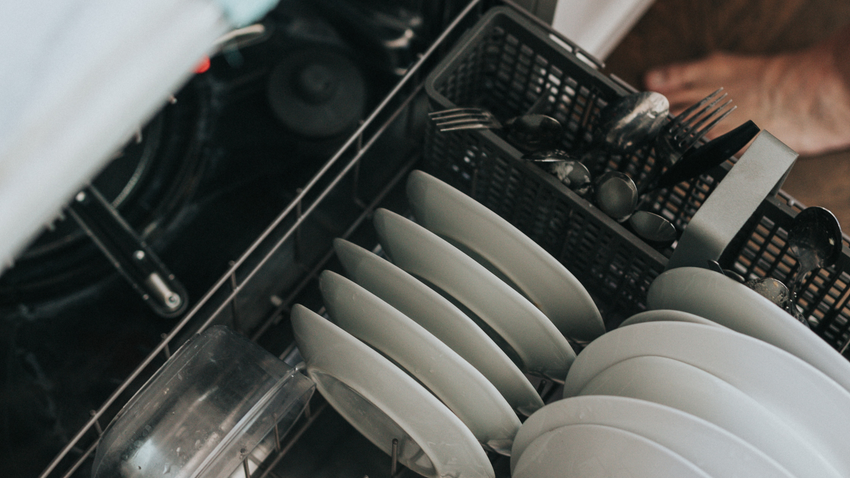
Are you wondering if your kitchen knives can go straight into the dishwasher after a busy cooking session? It’s a simple question, but the answer might surprise you.
How you clean your knives can affect their sharpness, safety, and lifespan. Before you toss them in with the rest of your dishes, it’s important to know what really happens inside that machine. Keep reading to discover whether your kitchen knives are truly dishwasher safe—and how to keep them in top shape for years to come.

Credit: www.amazon.com
Dishwasher Risks For Knives
Using a dishwasher for your kitchen knives might seem like a convenient choice, but it comes with risks that can affect the lifespan and performance of your blades. Understanding these risks helps you decide whether the dishwasher is a friend or foe to your valuable knives. Let’s break down what really happens to your knives in the dishwasher.
Blade Damage And Dulling
The high heat and harsh detergents in dishwashers can cause your knife blades to dull quickly. The intense water pressure makes blades bang against other utensils or the dishwasher racks, causing chips or nicks.
I once noticed my favorite chef’s knife losing its sharp edge after just a few dishwasher cycles. It became frustrating to get clean cuts, and I realized hand washing was the only way to keep it sharp longer.
Ask yourself: Is the convenience worth sacrificing your knife’s precision?
Handle Deterioration
Many knife handles are made of wood, plastic, or composite materials that don’t hold up well in a dishwasher. Heat and moisture cause wooden handles to crack or warp, while plastic ones may discolor or weaken over time.
Imagine spending money on a high-quality knife only to see the handle fall apart after a few washes. That’s a common regret among those who rely on the dishwasher for cleaning knives.
Do you want your knife handles to look and feel like new after every wash?
Safety Concerns
Loading knives in a dishwasher can be dangerous. Sharp blades sticking out can easily cut you or others when unloading or rearranging dishes.
Also, a loose knife inside the dishwasher can move during the cycle and cause damage to the machine or other items. Placing knives carefully or hand washing eliminates these risks.
Would you risk a cut just to save a few minutes of washing?
Materials And Dishwasher Safety
Understanding the materials used in your kitchen knives is key to knowing whether they can handle the dishwasher. Different materials react differently to heat, water, and detergents. This affects both the blade’s sharpness and the handle’s durability over time.
Stainless Steel Blades
Stainless steel blades are often labeled as dishwasher safe because they resist rust and corrosion better than other metals. However, the harsh detergents and high heat inside dishwashers can still dull their edges quickly. If you want to keep your knives sharp, washing stainless steel blades by hand is usually a better choice.
Carbon Steel Blades
Carbon steel blades are prized for their sharpness and edge retention, but they are more vulnerable to rust. The dishwasher’s moisture and strong detergents can cause these blades to discolor and corrode. Do you want your carbon steel knives to last? Then avoid putting them in the dishwasher at all costs.
Wooden Handles
Wooden handles add a classic look to knives but are very sensitive to water and heat. Dishwashers can cause the wood to crack, warp, or lose its finish. If your knife has a wooden handle, hand washing and drying immediately is the safest way to keep it intact.
Plastic And Composite Handles
Plastic and composite handles generally hold up better in dishwashers than wood. They resist water damage and maintain their shape under high heat. Still, repeated dishwasher cycles may cause discoloration or weaken the handle’s structure over time, so occasional hand washing is a smart practice.
Proper Knife Cleaning Methods
Dishwashers can dull and damage kitchen knives quickly. Hand washing with warm water and mild soap keeps blades sharp and safe. Dry knives immediately to prevent rust and maintain their quality.
Proper Knife Cleaning Methods Maintaining the sharpness and longevity of your kitchen knives starts with proper cleaning techniques. Many people mistakenly believe that the dishwasher is a convenient solution for cleaning knives. However, this approach can dull blades and damage handles. Let's explore the best methods to keep your knives in top condition.
Hand Washing Techniques
Hand washing is the safest way to clean your kitchen knives. Use warm water and mild dish soap to gently clean the blade. A soft sponge or cloth is ideal to avoid scratches. Rinse the knife thoroughly to remove any soap residue. Be cautious with the blade's edge to prevent accidents. It's a simple practice that pays off in the long run.
Drying And Storage Tips
After washing, drying your knife immediately is crucial. Use a clean, dry towel to wipe the blade, moving away from the edge for safety. Leaving a knife wet can cause rust and corrosion. Storing your knives properly is just as important as cleaning them. Consider using a magnetic strip or a knife block to keep blades safe and secure. Avoid tossing them in a drawer, where they can become dull or damaged. Taking these steps helps ensure your knives remain a reliable and long-lasting tool in your kitchen. How do you care for your kitchen knives? Share your tips in the comments!
When To Use The Dishwasher
Knowing when to use the dishwasher for your kitchen knives can save you time and protect your tools. Not all knives handle the dishwasher the same way. Understanding which knives are dishwasher safe and when shortcuts apply helps you keep your blades sharp and rust-free.
Knives Designed For Dishwasher Use
Some knives come with a clear label stating they are dishwasher safe. These often have stainless steel blades and handles designed to resist heat and moisture. If your knife is made entirely of stainless steel or has a synthetic handle, it’s usually safe to place it in the dishwasher.
Even with dishwasher-safe knives, avoid overcrowding the rack. Give each knife enough space to prevent blades from banging into other utensils. This reduces the risk of dulling or chipping the edge.
Shortcuts And Exceptions
Have you ever rushed to toss your favorite chef’s knife in the dishwasher after dinner? While it might seem like a time-saver, this shortcut can cause more damage than good for most knives.
Wood-handled knives, high-carbon steel blades, or vintage pieces should never go in the dishwasher. Heat and harsh detergents can warp the handle or cause rust spots on the blade. Instead, wash these knives by hand immediately after use and dry them thoroughly.
If you’re in a hurry and must use the dishwasher, consider only using it for cheap or less-used knives. This preserves your best tools for hand cleaning, extending their lifespan. What’s your biggest challenge with knife care—time, effort, or knowledge?
Maintaining Knife Sharpness
Maintaining the sharpness of your kitchen knives is essential for safe and efficient cooking. Sharp knives cut through food easily, reducing the risk of slips and accidents. Dull knives require more force, which can lead to uneven cuts and frustration.
Proper care keeps your knives performing well and lasting longer. Regular maintenance prevents the blade from becoming dull too quickly. Here are some key ways to keep your knives sharp and ready for use.
Regular Honing
Honing straightens the blade’s edge without removing metal. Use a honing steel before or after cooking sessions. Hold the steel vertically and draw the knife down at a 20-degree angle on each side. This realigns the blade and maintains sharpness.
Honing does not sharpen a dull blade but keeps the edge aligned. It is a quick and simple step to do often. Regular honing extends the time between professional sharpening.
Professional Sharpening
Professional sharpening grinds and reshapes the blade edge. It removes small amounts of metal to restore sharpness. Use this service when honing no longer improves cutting performance.
Sharpening frequency depends on knife use and quality. High-quality knives need less frequent sharpening. Consider professional sharpening once or twice a year for home cooks. It ensures a razor-sharp edge and improves knife longevity.

Credit: www.amazon.com
Avoiding Common Mistakes
Keeping kitchen knives safe in the dishwasher means avoiding common mistakes. These errors can dull blades, cause rust, or damage handles. Knowing what to avoid extends your knife’s life and keeps them sharp.
Improper Loading
Loading knives incorrectly leads to chipped edges and dull blades. Knives should be placed with blades down and handles up. Avoid crowding knives together to prevent them from hitting each other. Use the dishwasher’s utensil basket or a special knife holder if available.
Using Harsh Detergents
Harsh detergents can erode knife blades and handles. Choose mild, dishwasher-safe detergents instead. Avoid bleach or strong chemical cleaners that cause corrosion. Rinse knives before loading to reduce detergent exposure and protect the metal.
Credit: www.walmart.com
Frequently Asked Questions
Are Kitchen Knives Dishwasher Safe To Use?
Most kitchen knives are not dishwasher safe. Dishwashers can dull blades and damage handles. Hand washing preserves sharpness and prolongs knife life.
Why Should I Avoid Dishwasher For Kitchen Knives?
Dishwasher heat and detergent can corrode and dull knives. The constant water exposure may loosen handles. Hand washing keeps knives sharper and safer.
How To Properly Clean Kitchen Knives By Hand?
Use warm water, mild soap, and a soft sponge. Avoid abrasive scrubbers that can scratch blades. Dry knives immediately to prevent rust and damage.
Can Dishwasher Damage Knife Blades Or Handles?
Yes, dishwasher heat and detergent can weaken blade edges and degrade handle materials. Prolonged dishwasher use reduces knife lifespan and performance.
Conclusion
Kitchen knives often lose sharpness in dishwashers. The heat and detergent can damage blades and handles. Hand washing with mild soap keeps knives strong longer. Dry knives immediately to stop rust and stains. Proper care helps knives stay safe and last.
Choose hand washing to protect your kitchen tools. Small effort, big difference in knife life.