
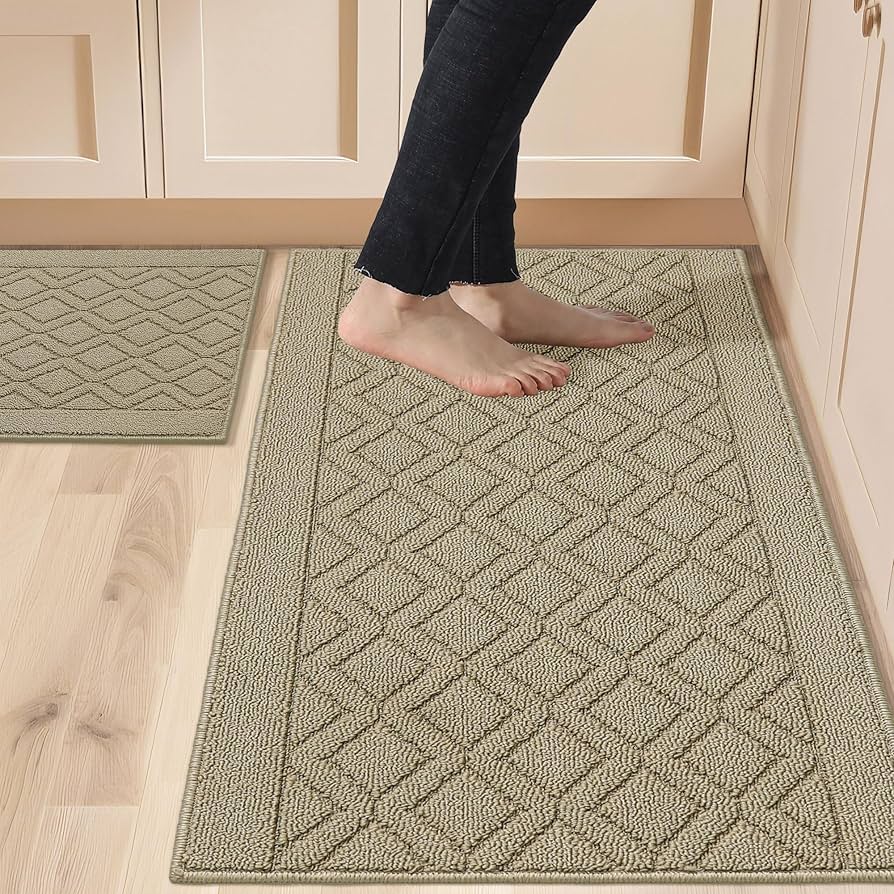
Are you tired of those stubborn stains and spills on your kitchen mat? Wondering if you can simply toss it in the washing machine and make it look brand new again?
You’re not alone. Cleaning your kitchen mat can feel like a hassle, but knowing whether it’s machine washable can save you time and effort. Keep reading, because by the end of this article, you’ll discover easy tips to keep your kitchen mat fresh, clean, and lasting longer—without the stress.
Types Of Kitchen Mats
Kitchen mats come in various materials, each offering unique benefits. Choosing the right type affects comfort, safety, and cleaning ease. Understanding these types helps in knowing if they are machine washable or need special care.
Rubber And Foam Mats
Rubber and foam mats provide excellent cushioning and slip resistance. They are durable and easy to clean with a wipe. Most rubber mats are not machine washable but can be rinsed under water. Foam mats often dry quickly and resist stains.
Fabric And Textile Mats
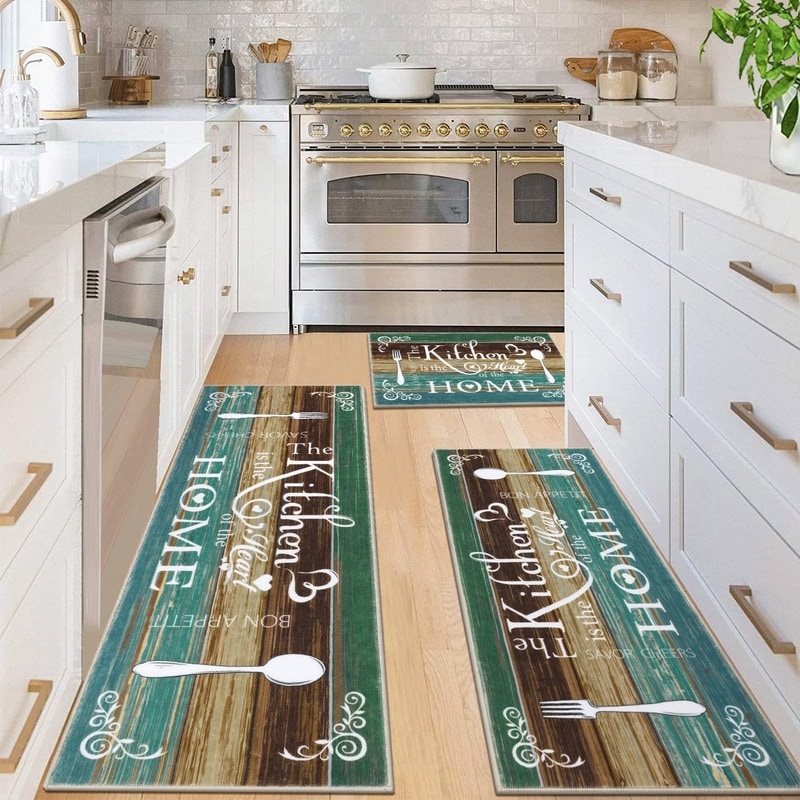
Fabric mats add warmth and style to kitchens. They come in cotton, polyester, or blends with various patterns. Many fabric mats are machine washable, making them easy to maintain. Check the care label to avoid shrinking or damage during washing.
Gel And Memory Foam Mats
Gel and memory foam mats offer superior comfort for long cooking sessions. They mold to your feet and reduce fatigue. These mats usually require spot cleaning or gentle hand wash. Machine washing can damage the gel or foam inside.
Credit: www.bedbathandbeyond.com
Machine Washability Factors
Understanding the factors that affect whether your kitchen mat is machine washable can save you time and prevent damage. Not all mats are created equal, and their washability depends on a few key elements. Paying attention to these details helps you keep your kitchen mat clean and in good shape without guesswork.
Material Composition
The type of material your kitchen mat is made from plays a big role in whether it can survive a machine wash. Mats made from cotton, microfiber, or polyester usually handle machine washing well. However, those with rubber backing or memory foam might warp or break down in the washer.
Think about your own kitchen mat—does it have a soft fabric surface or a thick rubber base? If it’s the latter, machine washing might cause it to lose grip or shape. Checking the material helps avoid costly mistakes and keeps your mat functional.
Manufacturer Guidelines
Always check the care label or manufacturer’s instructions before tossing your kitchen mat into the machine. These guidelines give specific advice based on the mat’s design and materials. Ignoring them can lead to shrinking, fading, or even permanent damage.
If you’ve ever ruined a favorite kitchen item by washing it wrong, you know how frustrating this can be. Sometimes, the manufacturer might recommend spot cleaning or hand washing instead. When in doubt, following these instructions is the safest bet.
Mat Size And Weight
The size and weight of your kitchen mat can also affect its machine washability. Large or heavy mats might be too bulky for a standard washing machine, potentially causing strain on the appliance. Smaller, lighter mats are usually easier to clean in the machine without issues.
Have you tried washing a heavy mat only to find your washer struggling or the mat coming out damp and misshapen? That’s a sign size and weight matter. If your mat is on the larger side, consider washing it in smaller sections or opting for alternative cleaning methods.
Preparing Mats For Washing
Remove loose dirt and debris from kitchen mats before washing. Check care labels to ensure they are machine washable and safe to clean. Shake or vacuum mats to prepare them for a thorough wash.
Preparing kitchen mats for washing is crucial to maintain their longevity. Proper preparation ensures effective cleaning and prevents damage. This process involves a few simple but essential steps.
Removing Loose Debris
First, shake the mat outdoors to dislodge loose dirt and crumbs. Use a vacuum cleaner to remove any remaining debris. This step prevents clogging your washing machine.
Checking For Damage
Inspect the mat for tears or frayed edges before washing. Damaged mats might worsen in the wash. Repair minor damages or consider hand washing them.
Choosing The Right Detergent
Select a mild detergent suitable for delicate fabrics. Harsh chemicals can damage the mat's material. Check the mat's care label for specific detergent recommendations.
Washing Tips For Different Mats
Different types of kitchen mats require specific washing techniques to keep them clean and durable. Understanding how to care for each type helps you avoid damage and maintain their look and functionality. Let’s look at effective washing tips tailored to various kitchen mats.
Washing Rubber And Foam Mats
Rubber and foam mats can usually handle a gentle machine wash, but always check the label first. Use cold water and a mild detergent to prevent the material from breaking down or warping.
Avoid using bleach or fabric softeners, as these can damage the mat’s surface. If your washing machine has a delicate cycle, choose it to reduce agitation.
After washing, air dry your mat flat to keep its shape intact. Have you ever tossed a foam mat in the dryer only to find it shrunk or deformed? Air drying saves you that headache.
Cleaning Fabric Mats In The Machine
Fabric mats often tolerate machine washing well, but their thickness and backing matter. Turn the mat over to protect the surface and use a gentle cycle with cold water.
Use a mild detergent and skip harsh chemicals to keep colors vibrant. If your fabric mat has a non-slip backing, avoid high heat drying as it can melt or peel off.
Consider hanging fabric mats to dry or using a low heat setting in the dryer. Have you noticed how quick drying prevents mildew and keeps mats fresh?
Handling Non-washable Mats
Some kitchen mats, especially those with intricate designs or glued layers, can’t go in the washing machine. For these, spot cleaning is your best option.
Use a soft cloth, warm water, and mild soap to gently clean dirty areas. Avoid soaking these mats to prevent damage.
Regularly wiping down and airing out non-washable mats extends their life. Have you tried using baking soda for odor control on mats that can’t be washed?
Drying And Maintenance
Keeping your kitchen mats clean and dry is essential for maintaining their appearance and extending their lifespan. Proper drying and regular maintenance prevent common issues like odors and damage. Let’s dive into how you can care for your mats effectively.
Air Drying Vs Machine Drying
Air drying is usually the safest option for kitchen mats. It helps preserve the material and prevents shrinkage or warping. Simply hang your mat on a clothesline or lay it flat in a well-ventilated area.
Machine drying may seem convenient, but it can be harsh on some mats. High heat can damage the backing or cause the fibers to break down faster. If you choose machine drying, use a low heat or air fluff setting to minimize risk.
Preventing Mold And Mildew
Moisture left in your kitchen mat creates a perfect environment for mold and mildew. To avoid this, always dry your mat thoroughly after washing. Avoid folding or storing it while damp.
Consider placing your mat in a sunny spot or near a fan to speed up drying. If you notice any musty smells, sprinkle baking soda on the mat and let it sit before vacuuming. This simple step helps absorb moisture and odors.
Regular Cleaning Schedule
How often you clean your kitchen mat depends on its use and the amount of foot traffic it gets. For busy kitchens, washing your mat once every two weeks keeps it fresh and hygienic.
Between washes, give your mat a quick shake or vacuum to remove loose dirt and crumbs. This small habit prevents buildup and makes deep cleaning easier. What’s your current mat cleaning routine? Could a small change improve your kitchen’s cleanliness?

Credit: www.amazon.ca
Alternative Cleaning Methods
Not all kitchen mats can handle the rigors of a washing machine, so knowing alternative cleaning methods is essential. These techniques help maintain your mat’s freshness without risking damage. Plus, they often use items you already have at home, making cleaning both easy and cost-effective.
Hand Washing Techniques
Hand washing is gentle and allows you to focus on heavily soiled spots. Start by filling a basin with warm water and a mild detergent. Use a soft brush or cloth to scrub your mat, paying close attention to stains and edges where dirt tends to accumulate.
After scrubbing, rinse the mat thoroughly with clean water to remove soap residue. You can hang it to dry or lay it flat in a well-ventilated area. This method reduces the risk of wear and tear compared to machine washing.
Spot Cleaning Solutions
If your mat only has small stains or spills, spot cleaning can save time and effort. Dab the affected area with a cloth soaked in warm soapy water or a gentle cleaner. Avoid soaking the entire mat, especially if it has a rubber backing that can degrade with excess moisture.
Blot the stain gently rather than rubbing vigorously to prevent fabric damage. After cleaning, allow the spot to air dry completely before using the mat again. This targeted approach keeps your kitchen mat looking fresh without a full wash.
Using Vinegar And Baking Soda
Vinegar and baking soda are natural, inexpensive cleaning agents that work wonders on kitchen mats. Sprinkle baking soda over the mat to absorb odors and loosen grime. Then, spray or pour white vinegar over the baking soda and let the mixture fizz and break down dirt.
After about 10-15 minutes, scrub the mat lightly with a brush and rinse with water. This combination tackles tough stains and neutralizes smells without harsh chemicals. Have you tried this before? It’s surprising how effective these pantry staples can be for your kitchen mat’s upkeep.
Credit: www.walmart.com
Frequently Asked Questions
Are All Kitchen Mats Machine Washable?
Not all kitchen mats are machine washable. Check the care label for washing instructions. Some mats require hand washing or spot cleaning.
How To Machine Wash Kitchen Mats Safely?
Use a gentle cycle with cold water. Avoid bleach and harsh detergents. Air dry to maintain mat shape and durability.
Can Machine Washing Damage Kitchen Mats?
Machine washing can damage some mats, especially foam or rubber-backed ones. Always check the label and use gentle cycles to avoid damage.
How Often Should Kitchen Mats Be Washed?
Wash kitchen mats every 1-2 weeks to remove dirt and bacteria. Frequent cleaning keeps your kitchen hygienic and mats fresh.
Conclusion
Kitchen mats often can be machine washed, but check the label first. Some materials handle washing better than others. Using gentle cycles helps keep mats in good shape. Avoid harsh detergents that might damage the fabric or backing. Dry mats thoroughly to prevent mold or odors.
Regular cleaning keeps your kitchen fresh and safe. Small care steps extend your mat’s life. Easy to wash, easy to maintain. Choose mats suited for machine washing for best results. Simple care means a cleaner kitchen space every day.