
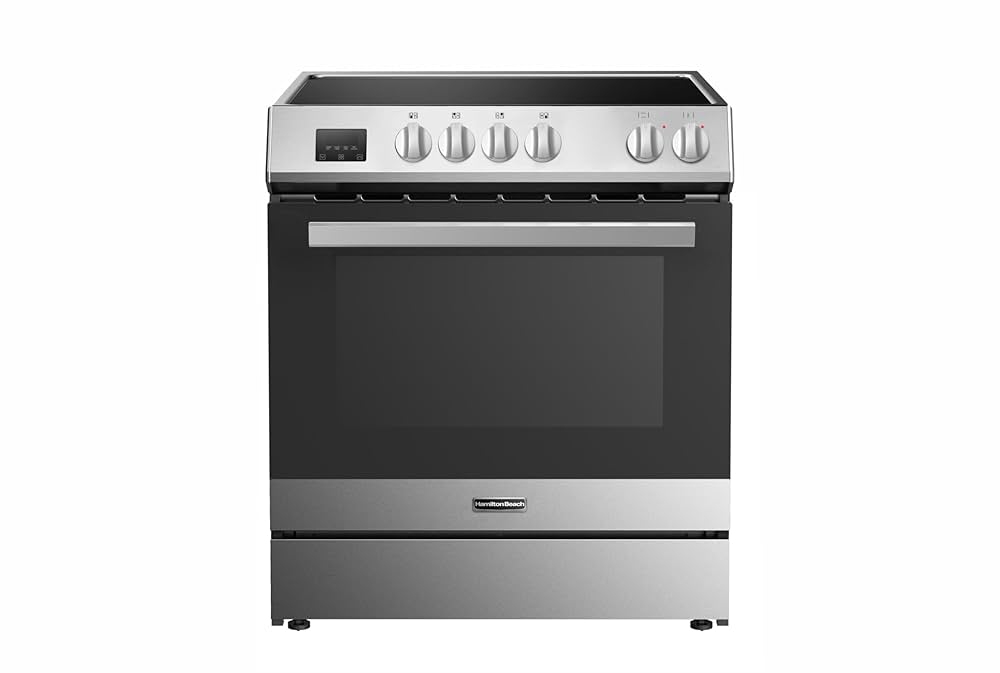
Are you wondering if kitchen ovens can be ceramic? You’re not alone.
Choosing the right oven material is important for your cooking experience and safety. Ceramic ovens promise even heat and easy cleaning, but are they really the best option for your kitchen? You’ll discover the truth about ceramic ovens—how they work, their benefits, and what you should watch out for.
Keep reading to make an informed choice that fits your cooking style perfectly.
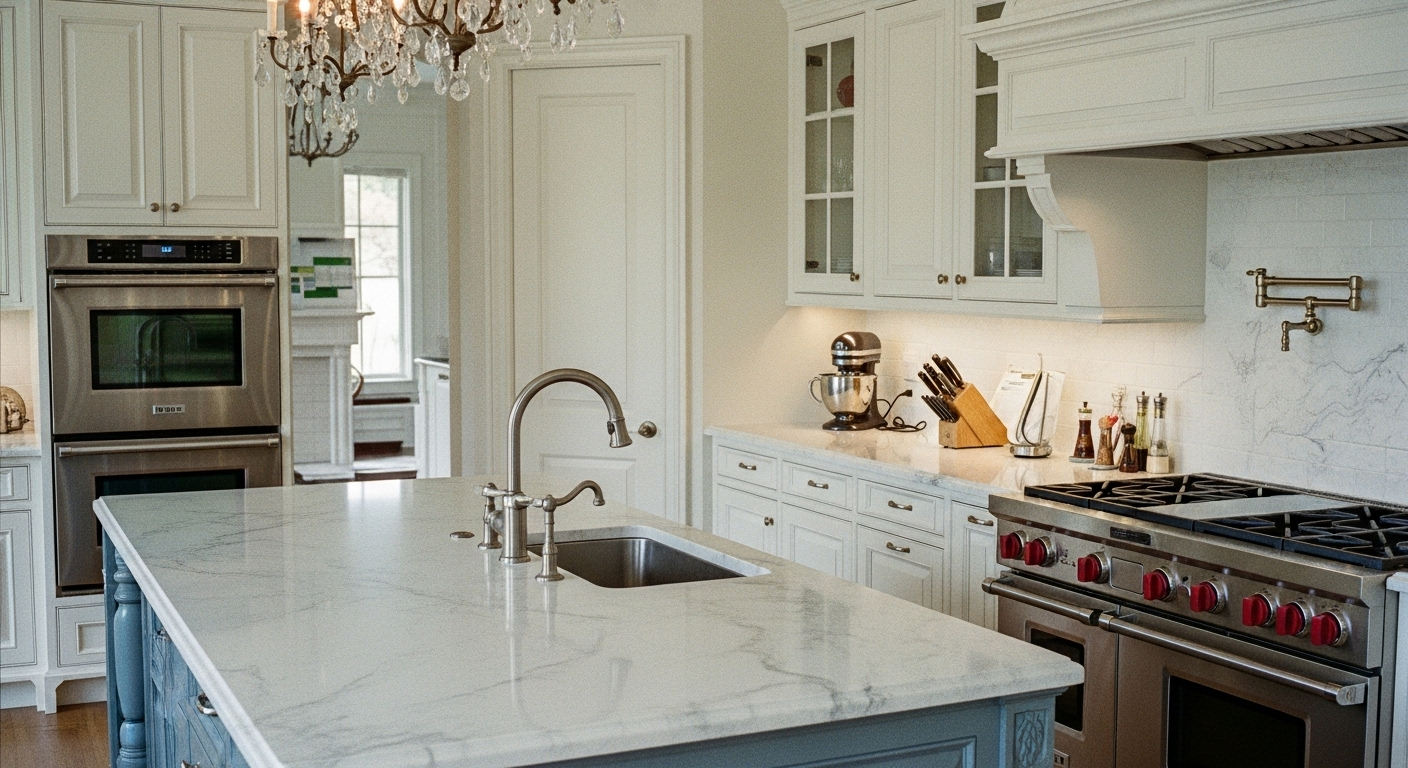
Credit: misen.com
Ceramic Surfaces In Kitchen Ovens
Ceramic surfaces in kitchen ovens offer a smooth and durable finish. These surfaces improve heat distribution for even cooking. They resist stains and are easy to clean. Ceramic coatings add a layer of protection to the oven's interior. This makes ovens last longer and perform better.
What Are Ceramic Oven Surfaces?
Ceramic oven surfaces are coatings applied inside ovens. They create a hard, non-stick layer on metal surfaces. This layer helps spread heat evenly across the oven. The smooth surface also prevents food from sticking. It protects the oven walls from scratches and stains. Ceramic surfaces are known for their heat resistance and durability.
Types Of Ceramic Coatings
- Enamel Coating:A glass-like ceramic layer fused to metal. It resists scratches and is easy to clean.
- PTFE-Based Ceramic:Combines ceramic with non-stick PTFE for better food release.
- Pure Ceramic:Made from natural minerals for high heat tolerance. Often found in high-end ovens.
- Hybrid Ceramic Coatings:Mix ceramic with other materials for added strength and flexibility.

Credit: xtrema.com
Benefits Of Ceramic Oven Surfaces
Ceramic oven surfaces offer several benefits that enhance cooking performance and ease. These surfaces improve heat management, last longer, and simplify cleaning tasks. They make the cooking experience better and more efficient. Understanding these advantages helps in choosing the right oven for your kitchen.
Heat Distribution And Retention
Ceramic surfaces spread heat evenly across the cooking area. This prevents hot spots that burn food. They also keep heat longer, which helps maintain a steady temperature. This steady heat improves cooking results and saves energy. You get better cooking control with ceramic surfaces.
Durability And Scratch Resistance
Ceramic oven surfaces are strong and resist scratches well. They handle daily wear without showing damage. This durability means they look new for years. They resist chips and cracks better than other materials. Investing in ceramic means fewer repairs and replacements.
Ease Of Cleaning
Ceramic surfaces are smooth and non-porous, so food does not stick easily. Cleaning requires less effort and time. Most spills wipe off with a damp cloth. They resist stains and odors, keeping your oven fresh. This makes kitchen cleanup simple and quick.
Potential Drawbacks To Consider
Considering ceramic ovens for your kitchen means weighing their advantages against potential drawbacks. While they offer a sleek look and great heat retention, it's important to understand some challenges that come with ceramic materials. Let’s look closely at a few key points that might affect your decision.
Cost Compared To Other Materials
Ceramic ovens often come with a higher price tag than traditional metal or glass ovens. This can be a significant factor if you're on a tight budget or looking to outfit your kitchen affordably.
Think about the long-term value: ceramic may last longer and offer better heat distribution, but the initial investment is steep. Are you ready to pay more upfront for these benefits?
Susceptibility To Cracking
Ceramic is strong but not invincible. Sudden temperature changes or accidental knocks can cause cracks, which might not only affect performance but also lead to costly repairs.
Imagine dropping a heavy pan or exposing the oven to a rapid cool down—these scenarios could damage the ceramic surface easily. How cautious can you be with your kitchen appliances?
Maintenance Requirements
Ceramic ovens need careful cleaning to keep their appearance and functionality intact. Harsh chemicals or abrasive scrubbing can dull or damage the surface over time.
You might find yourself spending extra time on gentle cleaning routines and avoiding certain cleaning products. Is the maintenance effort something you’re willing to commit to?
Comparing Ceramic To Other Oven Surfaces
Ceramic oven surfaces offer a unique cooking experience. Comparing ceramic to other oven surfaces helps understand their strengths and weaknesses. Each material affects heat distribution, cleaning ease, and durability differently.
Understanding these differences can guide better kitchen choices. The following sections explain how ceramic stacks against stainless steel, non-stick coatings, and cast iron.
Ceramic Vs. Stainless Steel
Ceramic heats evenly and retains heat well. Stainless steel heats quickly but can have hot spots.
Ceramic is less prone to scratching than stainless steel. Stainless steel often requires more cleaning effort to avoid streaks.
Stainless steel is more durable for rough use. Ceramic offers a smoother, non-porous surface that resists stains.
Ceramic Vs. Non-stick Coatings
Ceramic surfaces are free from harmful chemicals found in some non-stick coatings. Non-stick coatings can wear off over time.
Ceramic allows higher temperature cooking without damage. Non-stick surfaces may degrade under high heat.
Ceramic is easier to clean with basic tools. Non-stick coatings need gentle care to maintain their layer.
Ceramic Vs. Cast Iron
Ceramic heats faster and cools down more quickly than cast iron. Cast iron holds heat longer for slow cooking.
Ceramic is lighter and easier to handle. Cast iron requires seasoning to prevent rust.
Ceramic surfaces are smooth and do not react with food. Cast iron may add flavor but can cause sticking.
User Experiences And Reviews
User experiences and reviews provide valuable insights into how kitchen oven ceramics perform in everyday use. Real feedback from home cooks reveals both the strengths and weaknesses of these materials. Understanding their perspectives can help you decide if ceramic ovens suit your cooking style and needs.
Positive Feedback From Home Cooks
Many users praise ceramic ovens for their even heat distribution, which helps food cook uniformly. One home cook shared how ceramic surfaces made baking bread simpler, resulting in a crisp crust without burning.
Cleaning is another highlight. Ceramic coatings often resist stains and grease, making cleanup faster and less stressful after a busy cooking session.
- Consistent cooking results, especially for baked goods and casseroles
- Easy to wipe down, saving time on kitchen chores
- Durable surface that maintains appearance over months
Do you find yourself frustrated with unevenly cooked meals? Ceramic ovens might solve this problem by maintaining steady heat.
Common Complaints And Issues
Despite the positives, some users report that ceramic coatings can chip or crack if handled roughly. Dropping heavy pans or using metal utensils can damage the surface.
Another issue is that ceramic ovens sometimes take longer to heat up compared to traditional metal ovens. This delay can be inconvenient when you’re in a hurry.
- Potential for surface damage with improper use
- Longer preheating times than expected
- Some report uneven heating spots after extended use
Have you experienced chipping or slow heating in your oven? These issues highlight why it’s important to follow care instructions carefully and assess if ceramic suits your cooking pace.
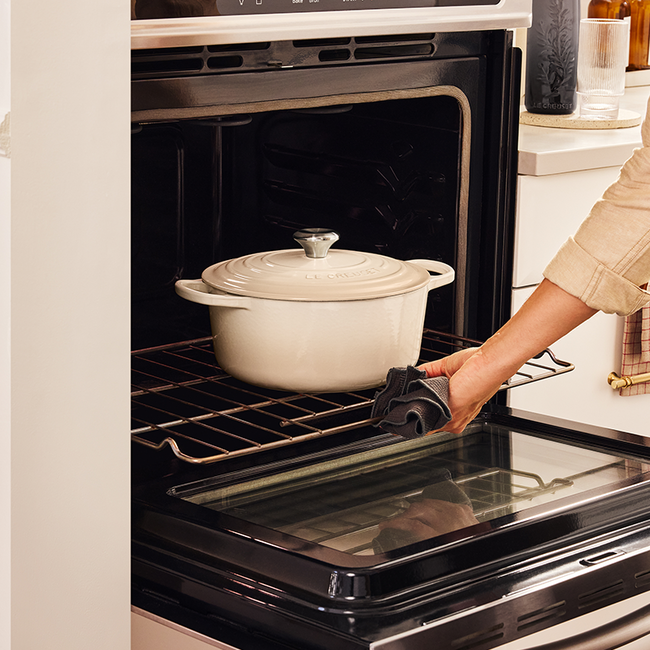
Credit: www.lecreuset.ca
Tips For Choosing Ceramic Ovens
Choosing a ceramic oven depends on heat distribution and ease of cleaning. Check if the oven’s ceramic coating is durable and safe for cooking. Consider size and energy use to fit your kitchen needs.
Choosing the right ceramic oven can transform your cooking experience, offering even heat distribution and a stylish addition to your kitchen. It's essential to know what to look for when selecting a ceramic oven to ensure you get the best performance and longevity. Let’s dive into some practical tips that will help you make an informed decision.
What To Look For In Quality Ceramic Surfaces
When choosing a ceramic oven, focus on the quality of the ceramic surface. A high-quality ceramic surface should be smooth and free from any visible imperfections like cracks or chips. This ensures even heat distribution and reduces the risk of food sticking or burning. Consider the thickness of the ceramic coating. Thicker coatings typically provide better insulation and durability, making them a worthwhile investment. Also, check if the ceramic surface is easy to clean; a non-stick finish can save you a lot of time and effort in maintenance. Don’t forget about the oven’s heat resistance. A quality ceramic oven should withstand high temperatures without degrading. This is crucial for baking and roasting, where consistent high heat is necessary.
Brands Known For Ceramic Oven Technology
Several brands have made a name for themselves in the realm of ceramic oven technology. Le Creuset, for instance, is renowned for its vibrant, enamel-coated ceramic ovens that offer both aesthetic appeal and excellent heat retention. Another brand to consider is Emile Henry, which offers ceramic ovens crafted using high-fired Burgundy clay. Their products are known for their durability and ability to evenly bake a wide variety of dishes. If you’re looking for a budget-friendly option, Cuisinart offers ceramic ovens that combine quality with affordability. They provide a range of sizes and styles, making it easy to find one that suits your needs. Are there other brands you trust for kitchen appliances? Exploring different brands can open up a world of possibilities and help you find the perfect ceramic oven for your culinary adventures.
Frequently Asked Questions
Are Kitchen Oven Ceramics Heat Resistant?
Yes, kitchen oven ceramics are heat resistant. They can withstand high temperatures without cracking or breaking, making them ideal for cooking and baking.
Can Ceramic Ovens Improve Cooking Efficiency?
Ceramic ovens distribute heat evenly, which improves cooking efficiency. This ensures your food cooks thoroughly and reduces hot spots.
Are Ceramic Kitchen Ovens Easy To Clean?
Ceramic surfaces in ovens are smooth and non-porous. This makes them easy to clean and resistant to stains and food residue.
Do Ceramic Ovens Retain Heat Well?
Ceramic ovens retain heat efficiently, allowing consistent temperature maintenance. This helps in cooking food evenly and saving energy.
Conclusion
Kitchen oven ceramics offer good heat distribution and durability. They stay hot longer, helping food cook evenly. Cleaning is usually simple, saving time in the kitchen. These ovens can be a smart choice for everyday cooking. Consider your cooking habits before deciding.
Ceramic ovens blend tradition with modern convenience. They suit many kitchen styles and needs. Choose the right oven to enjoy better meals daily.