
Have you ever stared at your kitchen oven and wondered whether the temperature is shown in Celsius or Fahrenheit? It might seem like a small detail, but knowing this can make a big difference in how your food turns out.
Using the wrong scale can lead to undercooked meals or burnt dishes, wasting both time and ingredients. You’ll discover how to tell which temperature system your oven uses and why it matters for your cooking success. Keep reading to make sure your next meal comes out just right!
Temperature Scales In Ovens
Understanding the temperature scales used in kitchen ovens is key to getting your cooking just right. Different regions prefer different scales, which can sometimes cause confusion when following recipes. Knowing whether your oven uses Celsius or Fahrenheit helps you set the exact temperature needed for your dish.
Celsius Basics
Celsius is the temperature scale used by most countries worldwide. It measures temperature based on the freezing point of water at 0°C and boiling point at 100°C. Many modern ovens, especially outside the United States, display temperatures in Celsius.
When you see oven settings like 180°C or 220°C, that's Celsius at work. It’s straightforward—each degree marks a clear step in temperature. If you’re used to Celsius, cooking and baking instructions will feel intuitive and precise.
Fahrenheit Basics
Fahrenheit is primarily used in the United States and some Caribbean countries. This scale sets the freezing point of water at 32°F and boiling at 212°F. If your oven temperature dial shows numbers like 350°F or 400°F, it’s using Fahrenheit.
Fahrenheit tends to have more increments between freezing and boiling points than Celsius, which some cooks find useful for fine-tuning heat. Have you ever noticed recipes from American sources using Fahrenheit? It’s a good idea to keep a quick converter handy if you switch between these scales often.

Credit: www.jcperreault.com
Regional Preferences
Temperature units on kitchen ovens vary by region. These differences reflect local measurement standards and cooking traditions. Understanding regional preferences helps when using recipes from different countries. It also aids travelers and expatriates in adapting their cooking methods.
Ovens In North America
Most ovens in North America use Fahrenheit. Recipes and oven dials commonly show temperatures in °F. The United States and Canada follow this scale for daily cooking. This tradition dates back to old measurement systems used in these countries.
Typical oven settings range from 200°F to 500°F. Home cooks learn to recognize these numbers easily. Many digital ovens allow switching between Fahrenheit and Celsius, but Fahrenheit remains the default.
Ovens In Europe And Asia
In Europe and Asia, ovens usually display temperatures in Celsius. This scale is standard in most countries worldwide. It matches the metric system used for measurements and cooking.
Common oven temperatures range from 90°C to 260°C. Recipes from these regions use Celsius for clarity. Travelers often need to convert temperatures when using local ovens. Some modern ovens offer dual settings for convenience.
Converting Between Celsius And Fahrenheit
Converting between Celsius and Fahrenheit is a handy skill, especially if you follow recipes from different parts of the world. You might find yourself puzzled when an oven temperature is listed in a system you’re not familiar with. Understanding how to switch between these scales ensures your dishes come out just right, every time.
Simple Conversion Formula
Here’s a straightforward way to convert temperatures:
- To convert Celsius to Fahrenheit:multiply the Celsius temperature by 9, then divide by 5, and finally add 32.
- To convert Fahrenheit to Celsius:subtract 32 from the Fahrenheit temperature, multiply by 5, then divide by 9.
So, if your recipe says 180°C, you calculate (180 × 9/5) + 32 = 356°F. It’s easier than it sounds once you’ve done it a couple of times.
Common Temperature Equivalents
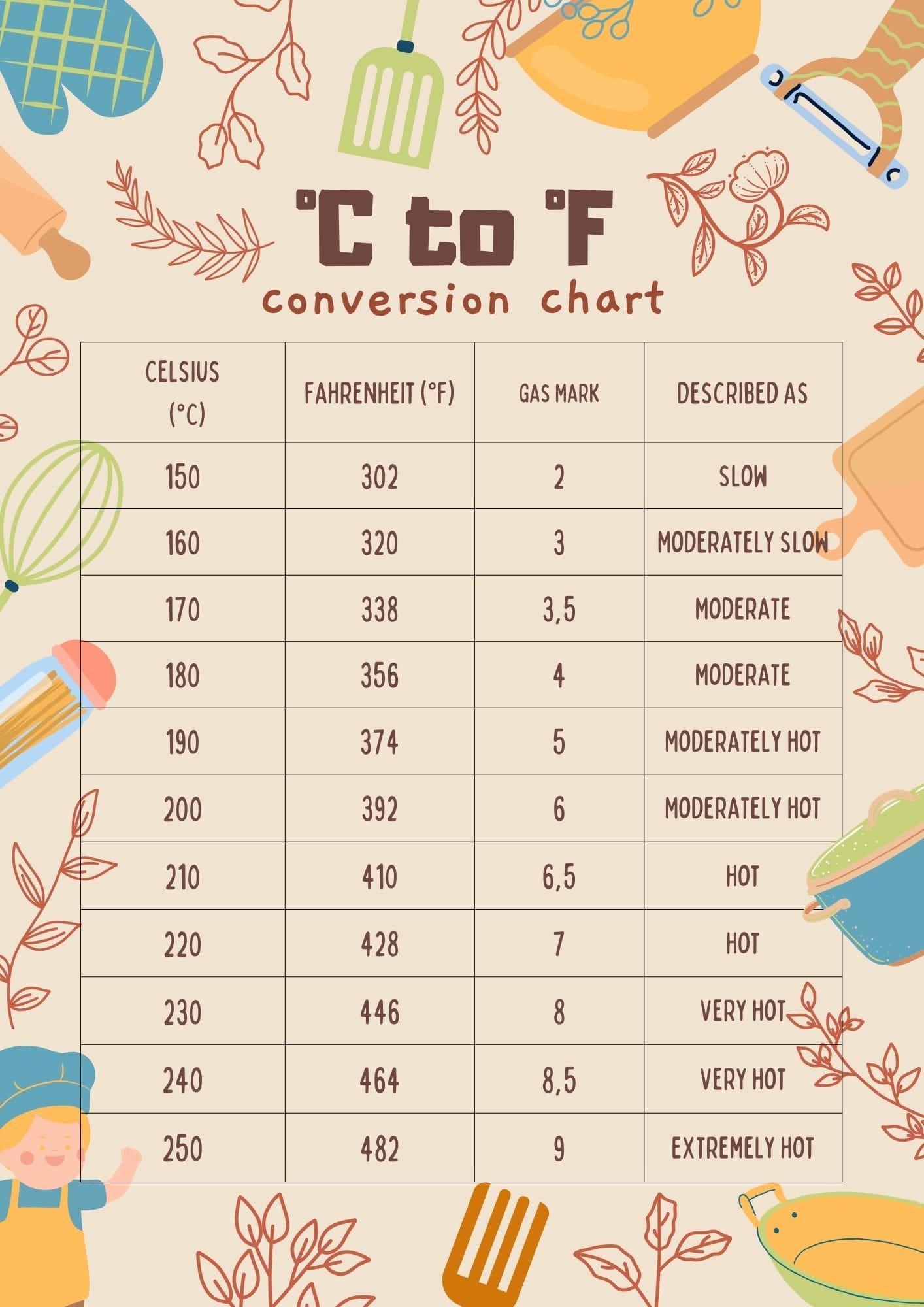
To save time, here are some temperature equivalents you’ll often see in oven settings:
| Celsius (°C) | Fahrenheit (°F) | Usage |
|---|---|---|
| 90 | 195 | Very low heat, slow cooking |
| 160 | 320 | Moderate heat, baking cakes |
| 180 | 350 | Common baking temperature |
| 200 | 390 | Roasting vegetables or meats |
| 220 | 425 | High heat, quick roasting |
Knowing these equivalents can prevent undercooking or burning your food. Have you ever had a meal ruined because you misread the temperature? Keeping this chart handy could save you from that frustration.
Credit: foodnutters.com
Choosing The Right Setting For Recipes
Understanding your oven settings is key to perfect recipes. Most kitchen ovens use either Celsius or Fahrenheit. Check your oven manual to know the default setting.
Choosing the right setting for recipes can be tricky. Kitchen ovens are usually set in Celsius or Fahrenheit. Knowing the correct temperature is crucial. It ensures the perfect bake or roast. Let's explore how to navigate these settings effectively.
Reading Recipe Temperatures
Recipes often specify temperatures in Celsius or Fahrenheit. Check which unit your recipe uses. This small detail affects cooking results. Many cookbooks note temperatures in both units. Online recipes might not. Use a conversion chart if needed. This ensures accuracy in your cooking.
Adjusting Oven Settings
Most modern ovens allow temperature adjustments. Look for a button or dial on your oven. Switch between Celsius and Fahrenheit. Some ovens have digital displays. These make it easy to select the right unit. Refer to your oven's manual if unsure. Understanding your appliance helps achieve great results.
Digital Vs Analog Oven Displays
Choosing between digital and analog oven displays can affect how easily you manage your cooking temperatures. Each type offers unique ways of showing temperature in Celsius or Fahrenheit, and understanding their differences can help you cook with more confidence.
Digital Temperature Control
Digital ovens display temperature with clear, precise numbers on a screen. You can switch between Celsius and Fahrenheit with a simple button press, making it easy to follow recipes from anywhere in the world.
Many digital controls also let you set exact temperatures, avoiding guesswork. Have you ever struggled to read a dial and ended up with food that’s overcooked or underdone? Digital displays can solve that problem by showing the temperature in a straightforward way.
Some models even include timers and alerts, so you get reminders when your dish is ready. This makes multitasking in the kitchen less stressful and more efficient.
Dial And Knob Indicators
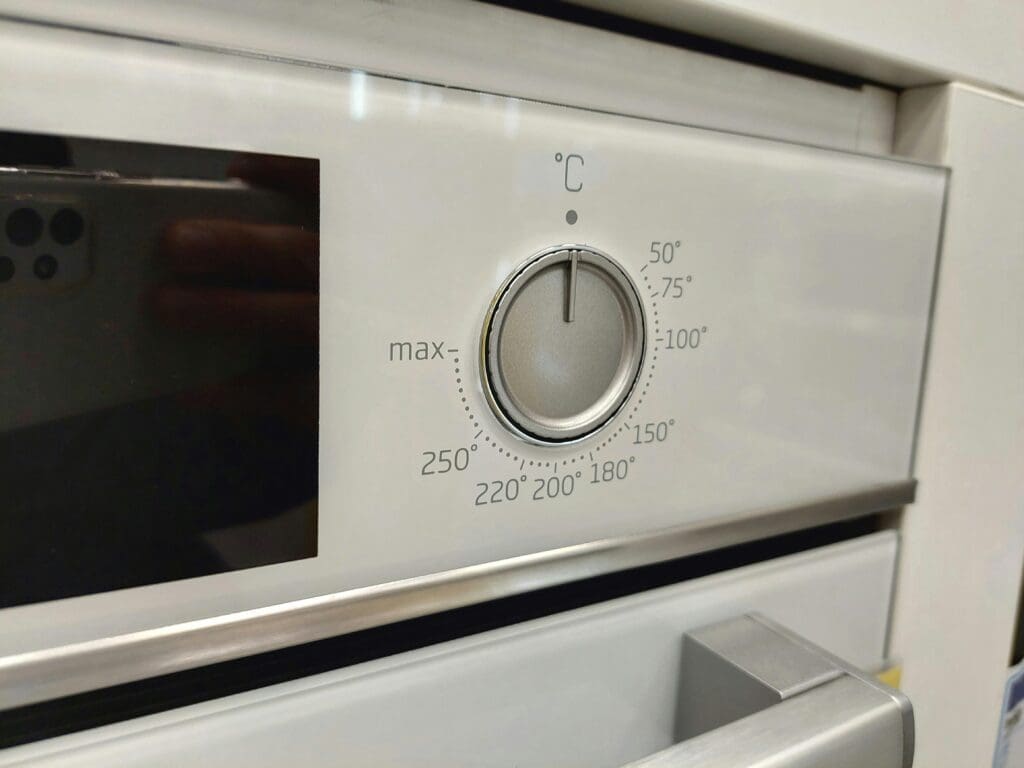
Analog ovens use dials or knobs to show temperature. The scale usually has markings for both Celsius and Fahrenheit, but sometimes only one scale is displayed, which can confuse you if you’re used to the other system.
Reading a dial requires you to estimate the temperature based on the pointer’s position. This can be less accurate, especially if the markings are small or worn out. Have you noticed how hard it is to set the exact temperature on an older oven?
However, many people find analog controls simple and reliable since they don’t rely on electronics. They work well if you prefer a hands-on approach and don’t mind adjusting temperatures by feel and experience.
Changing Oven Temperature Units
Changing the temperature units on your kitchen oven can be surprisingly simple, yet many overlook this feature. Whether your recipe lists temperatures in Celsius or Fahrenheit, having the right unit displayed saves you from guesswork and potential cooking disasters. Knowing how to switch between these units puts you in full control of your cooking process.
Manual Switch Options
Some ovens come with a physical switch or dial to toggle between Celsius and Fahrenheit. This switch is often found inside the oven door or on the back panel. You might need a small tool like a screwdriver to access it.
If you have an older oven, check your user manual for instructions on locating this switch. It usually involves flipping it to the desired unit, then restarting the oven to save the setting. This method is straightforward but requires a bit of hands-on effort.
Settings In Smart Ovens
Smart ovens often allow you to change temperature units directly from the control panel or via a connected app. Navigate to the settings menu and look for “Temperature Units” or a similar option.
Switching units here is as easy as tapping a button. Some smart ovens even remember your preference across cooking sessions, which is handy if you frequently use recipes from different countries.
Have you ever tried baking a recipe from a foreign cookbook only to realize your oven was set to the wrong unit? Changing this setting can save you from undercooked or burnt meals and improve your kitchen confidence.
Impact Of Temperature Units On Cooking
Understanding whether your kitchen oven uses Celsius or Fahrenheit can significantly affect your cooking results. Temperature units impact how you interpret recipes, set your oven, and ultimately, how your food turns out. Paying close attention to these differences helps you avoid undercooked or burnt dishes.
Cooking Time Variations
Oven temperature affects cooking time directly. If you accidentally set your oven to 350°F instead of 350°C, your dish could burn quickly because 350°C is much hotter. Conversely, mistaking Celsius for Fahrenheit can leave your food undercooked.
Have you ever noticed that a recipe from another country doesn’t cook the same way in your oven? This often happens due to differences in temperature units. Adjusting cooking times based on the unit can save you from disappointing results.
- Know the temperature scale your oven uses.
- Convert temperatures when following international recipes.
- Adjust cooking times if you suspect temperature differences.
Recipe Accuracy
Recipes often list temperatures in either Celsius or Fahrenheit, depending on their origin. Using the wrong unit can distort the intended cooking process. For example, baking a cake at 180°F instead of 180°C can prevent it from rising properly.
Precise temperature control is crucial for recipes requiring exact heat, like soufflés or delicate pastries. You can use online converters or kitchen thermometers to check your oven’s actual temperature. This ensures your dishes turn out as expected, without guessing.
Are you double-checking your oven’s temperature scale before trying new recipes? It could be the difference between a kitchen win and a frustrating flop.
Tips For International Cooks
Cooking across borders means dealing with different measurement systems, especially in ovens where temperatures can be listed in Celsius or Fahrenheit. This often puzzles international cooks who want their dishes to turn out perfectly every time. Understanding how to navigate these differences can save you from overcooked or undercooked meals and make your cooking experience smoother.
Adapting Recipes
Recipes from different countries usually list oven temperatures in either Celsius or Fahrenheit. Before you start, convert the temperature to match your oven’s scale. You can use a quick online converter or remember that 180°C roughly equals 350°F.
Sometimes, the cooking time might also need adjustment. If your oven runs hotter or cooler than the recipe suggests, watch your food closely the first time and note the changes for next time. Have you ever baked a cake that came out too dry? It might be due to temperature differences rather than the recipe itself.
Using Oven Thermometers
Oven dials aren’t always accurate, especially when switching between Celsius and Fahrenheit. An oven thermometer is a small investment that can make a big difference. Place it inside your oven to monitor the actual temperature while cooking.
This tool helps you learn your oven’s quirks and avoid guessing games. If your oven says 180°C but the thermometer shows 170°C, you know you need to adjust accordingly. Do you trust your oven’s built-in settings, or have you found surprises when cooking?

Credit: www.frigidaire.ca
Frequently Asked Questions
Are Kitchen Ovens Usually Set In Celsius Or Fahrenheit?
Kitchen ovens use Celsius or Fahrenheit depending on the country. Most European countries use Celsius. The U. S. commonly uses Fahrenheit. Always check your oven’s manual for accurate temperature settings and conversions.
How To Convert Oven Temperatures From Celsius To Fahrenheit?
To convert Celsius to Fahrenheit, multiply by 9, divide by 5, then add 32. For example, 180°C equals 356°F. Use this formula to adjust recipes accurately between temperature scales.
Why Do Some Ovens Show Both Celsius And Fahrenheit?
Some ovens display both Celsius and Fahrenheit for user convenience. This helps international users follow recipes easily. Dual displays ensure accurate cooking temperatures regardless of regional preferences.
Can Using The Wrong Temperature Scale Affect Cooking Results?
Yes, using the wrong scale can cause undercooked or burnt food. Always verify if the oven temperature is in Celsius or Fahrenheit. Correct temperature ensures perfect cooking and baking outcomes.
Conclusion
Knowing whether your oven uses Celsius or Fahrenheit helps you cook better. Most ovens show one scale clearly on the dial or display. Recipes from different countries may use different temperature units. Checking your oven’s manual or settings saves you from mistakes.
Adjusting temperatures correctly ensures your food cooks just right. Simple awareness makes cooking less confusing and more enjoyable. Keep this in mind every time you bake or roast. Small details like this can improve your kitchen experience.