
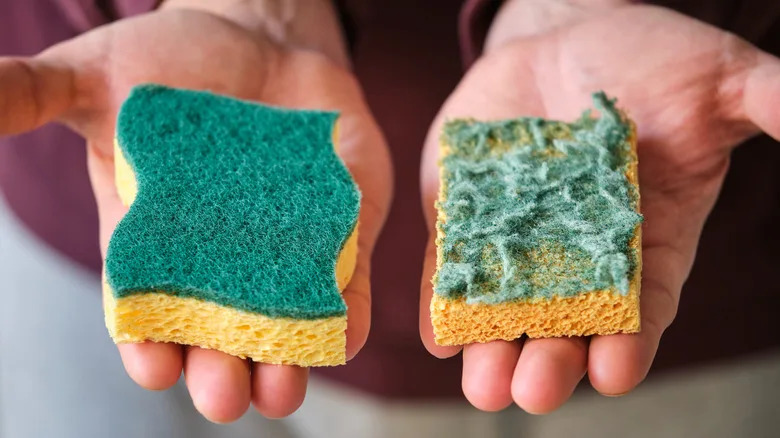
Have you ever stopped to think about what’s lurking on your kitchen sponge? You use it every day to clean your dishes, countertops, and sometimes even fruits and veggies.
But is your trusty sponge actually making your kitchen dirtier instead of cleaner? If you’re like most people, the answer might surprise you. Keep reading to discover the hidden truth about kitchen sponges—and learn simple steps you can take to keep your home truly clean and safe.
Kitchen Sponge Hygiene
Kitchen sponge hygiene is crucial for keeping your home safe and clean. Sponges are helpful tools but can carry many germs. Cleaning them well prevents bacteria build-up. Understanding how sponges are used and why they attract germs helps maintain hygiene.
Common Uses Of Kitchen Sponges
Sponges clean dishes, countertops, and sinks. They wipe spills and remove food residues. Many people use one sponge for multiple tasks. This spreads bacteria across surfaces. Sponges also absorb water, which creates a wet environment. Wet sponges are ideal places for germs to grow.
Why Sponges Harbor Germs
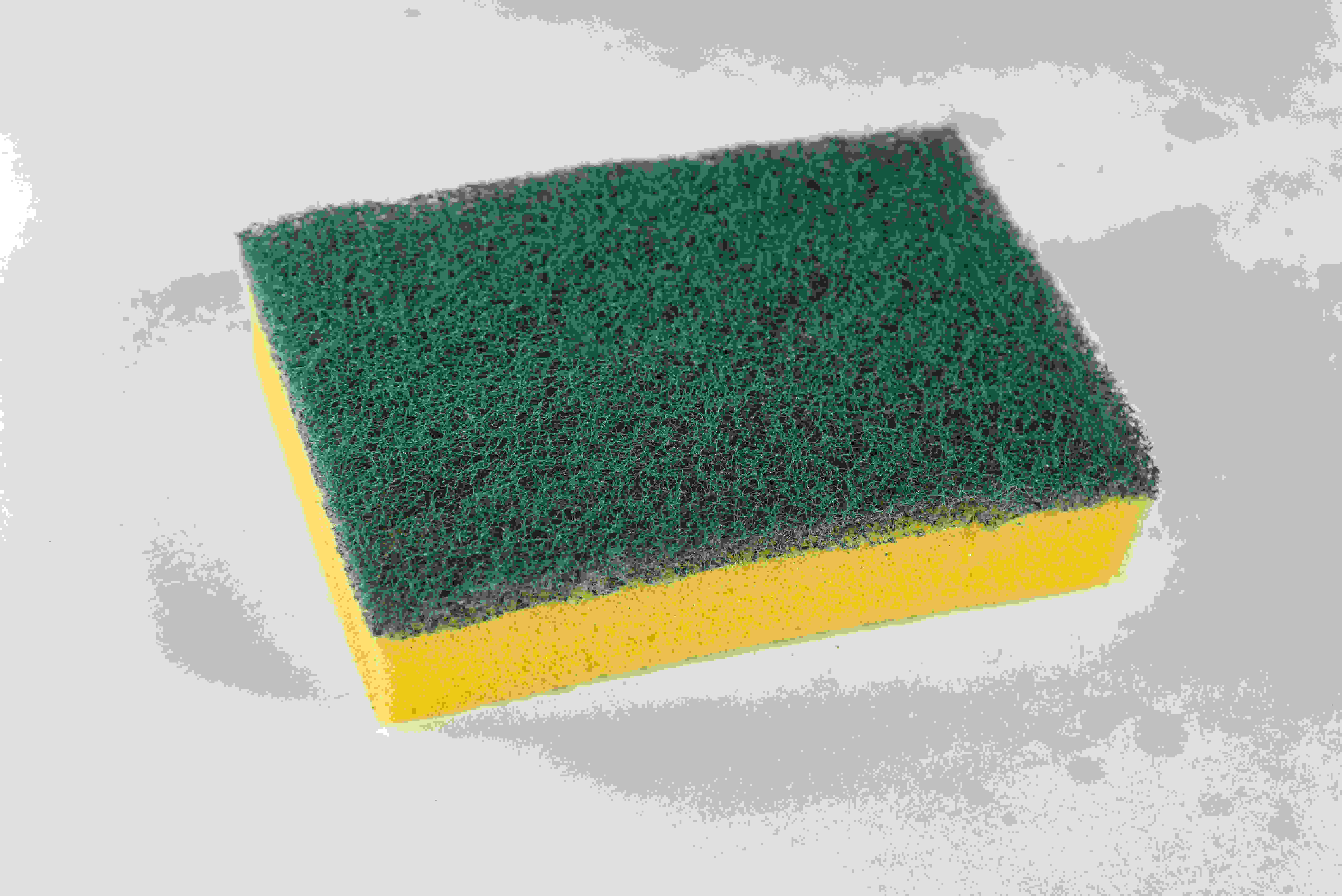
Sponges have small holes that trap food particles. Bacteria feed on these scraps and multiply quickly. Warm and moist conditions inside sponges help germs survive. Many sponges stay damp for hours after use. Germs like salmonella and E. coli can live on them. Without regular cleaning, sponges become breeding grounds for bacteria.
Credit: eastleighvoice.co.ke
Types Of Bacteria Found
Kitchen sponges are a breeding ground for various types of bacteria due to their constant exposure to food particles and moisture. Understanding the types of bacteria that thrive in these sponges can help you realize why regular cleaning or replacement is essential. Let’s look at the common bacteria found and how they impact your health.
Harmful Microorganisms In Sponges
Sponges often harbor bacteria like Escherichia coli (E. coli), which originates from raw meat and can cause severe stomach issues. Salmonellais another common culprit, frequently linked to poultry and eggs, leading to food poisoning.
Other bacteria such as Staphylococcus aureuscan enter the sponge from your skin and cause infections. Additionally, Campylobactercan survive on damp sponges and is known for causing diarrhea and cramps.
Health Risks Linked To Contaminated Sponges
Using a dirty sponge can transfer bacteria to your dishes and kitchen surfaces, increasing the risk of illnesses. If you’ve ever had unexplained stomach pain or food poisoning symptoms, a contaminated sponge might be the hidden cause.
These bacteria can lead to infections, allergic reactions, and even more serious health issues for those with weakened immune systems. Are you sure your sponge is not making you sick every time you clean? Consider how often you replace or sanitize it, as this small habit can protect your family’s health.
Factors Increasing Sponge Contamination
Kitchen sponges are essential tools in our daily cleaning rituals, but they can quickly become breeding grounds for bacteria. Understanding the factors that contribute to sponge contamination can help you keep your kitchen cleaner and safer. These factors often come down to simple habits and environmental conditions that we might overlook.
Moisture And Warmth Effects
Sponges thrive in moist and warm environments, which are perfect conditions for bacteria to multiply. After scrubbing dishes, if you leave your sponge damp and in a warm spot, it can become a hotspot for germs. This is similar to how mold can grow on wet surfaces left unchecked.
Consider squeezing out excess water and storing your sponge in a dry area. This simple step can drastically reduce bacterial growth. Additionally, alternating between two sponges gives each one a chance to dry thoroughly.
Frequency Of Use And Cleaning
How often do you use your sponge without giving it a proper clean? Frequent use without adequate cleaning increases contamination risk. Sponges used multiple times a day can accumulate food particles, which feed bacteria.
Think about how often you replace your sponge. Weekly replacement is ideal to maintain hygiene. Moreover, regularly cleaning sponges by microwaving or boiling them can kill bacteria, ensuring you’re not just spreading germs around while cleaning.
Do you remember the last time you sanitized your sponge? If not, it might be time to start a new cleaning routine. Keep your kitchen sponges as clean as the surfaces they wash to maintain a healthy home.
/shethepeople/media/media_files/2025/07/21/dirty-kitchen-sponge-bacteria-2025-07-21-10-28-05.jpg)
Credit: www.shethepeople.tv
Effective Sponge Cleaning Methods
Kitchen sponges can harbor bacteria and germs. Cleaning them often helps keep your kitchen safe. Using simple methods removes dirt and kills harmful microbes. These ways are easy to do and use common household tools.
Microwave Sanitizing
Microwaving a damp sponge kills many germs quickly. First, soak the sponge in water. Place it in the microwave and heat for one to two minutes. Be careful when removing it; the sponge will be hot. This method helps reduce bacteria and refreshes the sponge.
Dishwasher Cleaning
Running your sponge through a dishwasher cycle cleans it well. Put the sponge on the top rack of the dishwasher. Use the hottest setting available for best results. The heat and detergent work together to kill germs. This method is simple and fits your regular dishwashing routine.
Bleach Soaking
Soaking a sponge in bleach solution kills almost all bacteria. Mix one tablespoon of bleach with one quart of water. Submerge the sponge and let it soak for five minutes. Rinse the sponge well before using again. This method is very effective but should be done carefully.
Alternatives To Traditional Sponges
Traditional kitchen sponges often harbor bacteria and can smell bad quickly. Many people seek safer, cleaner options for washing dishes and surfaces. Several alternatives offer better hygiene and last longer. These choices reduce germs and help keep kitchens fresh.
Silicone Scrubbers
Silicone scrubbers resist bacteria growth and dry fast. Their flexible bristles clean well without scratching surfaces. They are easy to rinse and do not hold food particles. Silicone scrubbers last longer than regular sponges. They are gentle on hands and dishwasher safe.
Reusable Cloths
Reusable cloths are soft and absorbent for washing dishes. They can be washed in hot water to kill germs. Cloths dry quickly and do not trap odors. Use different colors for different tasks to avoid cross-contamination. They are budget-friendly and eco-friendly options.
Natural Fiber Sponges
Natural fiber sponges come from plants like cellulose or coconut. They break down faster in the environment than synthetic sponges. These sponges resist bacteria better and feel softer. They work well on non-stick pans and delicate surfaces. Natural fiber sponges need to be replaced regularly.
Credit: www.theguardian.com
Best Practices For Sponge Maintenance
Keeping your kitchen sponge clean is more important than most people realize. A dirty sponge can harbor harmful bacteria that spread germs across your dishes and countertops. Simple habits in sponge care can make a big difference in maintaining a hygienic kitchen environment.
Regular Replacement Timing
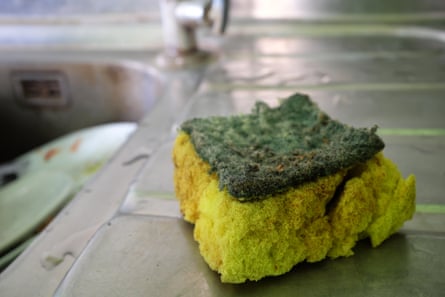
How often do you toss out your kitchen sponge? Experts suggest replacing sponges every one to two weeks, depending on usage. If your sponge smells bad or looks worn, it’s time for a new one.
Waiting too long to replace your sponge allows bacteria to multiply rapidly. Think about how often you clean greasy pans or wipe raw meat juices—these tasks increase contamination risks. Setting a reminder on your phone can help you remember to swap out your sponge regularly.
Proper Drying Techniques
Wet sponges are breeding grounds for bacteria. After each use, rinse your sponge thoroughly and squeeze out excess water. Then, let it air dry completely in a well-ventilated spot.
Some people microwave their damp sponges for a minute to kill germs. While this can help, it’s not a substitute for drying. Have you ever noticed how quickly a sponge left in a damp sink area smells? That’s a sign it’s not drying properly.
Storing Tips To Reduce Germs
Where you keep your sponge matters. Avoid leaving it sitting in a dish of water or on a flat surface where moisture collects. Instead, place your sponge in a holder that allows air circulation.
- Use a rack or a container with holes to keep it elevated
- Keep the sponge away from the sink drain and faucet splash zones
- Consider dedicated spots for kitchen and bathroom sponges to prevent cross-contamination
Small changes in storage can dramatically reduce bacterial growth. What changes can you make in your kitchen setup to keep your sponge cleaner?
Frequently Asked Questions
Are Kitchen Sponges Really Dirty?
Yes, kitchen sponges harbor millions of bacteria. They absorb food particles and moisture, creating an ideal breeding ground for germs. Regular cleaning or replacing sponges is essential to minimize health risks and maintain kitchen hygiene.
How Often Should I Replace My Kitchen Sponge?
Replace your kitchen sponge every one to two weeks. Frequent use and constant moisture cause bacteria buildup. Timely replacement ensures a cleaner kitchen and reduces the risk of cross-contamination.
Can I Sanitize A Kitchen Sponge Safely?
Yes, you can sanitize sponges using microwave, dishwasher, or bleach methods. Microwaving wet sponges for two minutes kills most germs. Regular sanitizing extends sponge life and reduces harmful bacteria.
Why Do Kitchen Sponges Smell Bad?
Bad odors come from bacteria and mold growth in damp sponges. Food residue and moisture create an environment for microbes. Proper drying and regular cleaning help prevent unpleasant smells.
Conclusion
Kitchen sponges often carry many germs and bacteria. Cleaning them regularly helps keep your kitchen safe. Replace sponges every one to two weeks for best results. Use hot water or microwave sponges to kill germs. Dry sponges quickly to avoid bacteria growth.
Small habits make a big difference in hygiene. Stay mindful about sponge care to protect your health. Clean sponges mean cleaner dishes and a healthier home. Don’t ignore this simple but important kitchen tool.