
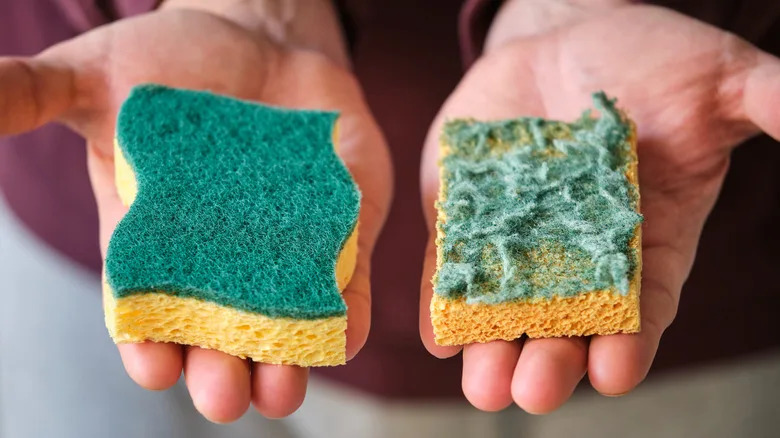
Have you ever stopped to think about what’s lurking on your kitchen sponge? It’s easy to grab one without a second thought, but what if your everyday sponge is actually harmful to you and your family?
You might be surprised to learn that something so common could carry hidden risks. Keep reading to uncover the truth about kitchen sponges and find out how to keep your kitchen safe and healthy. Your next meal starts with a clean sponge—make sure yours isn’t toxic.

Credit: jamhomegoods.com
Kitchen Sponges And Bacteria
Kitchen sponges are a common tool in every home. They help clean dishes, counters, and spills quickly. But these sponges can also hide many bacteria. Understanding how sponges collect germs and the risks they pose is important for health.
How Sponges Harbor Germs
Sponges stay wet for long periods. This dampness creates a perfect place for germs to grow. Food particles trapped inside provide extra food for bacteria. The soft texture of sponges makes it hard to remove all dirt. Every time you use a sponge, more germs can collect inside it.
Common Bacteria Found
- Escherichia coli (E. coli):Often from raw meat or unwashed hands.
- Salmonella:Linked to poultry and eggs, causing food poisoning.
- Staphylococcus aureus:Can cause skin infections and food poisoning.
- Campylobacter:Common in raw poultry and can cause stomach illness.
These bacteria can stay alive in sponges for days. They spread easily to dishes and surfaces.
Health Risks Linked To Sponges
Using dirty sponges raises the risk of infections. Germs can cause stomach upset, diarrhea, and vomiting. People with weak immune systems are more vulnerable. Cross-contamination between foods happens if sponges are not cleaned. Touching a dirty sponge then your face can lead to illness.
Cleaning or replacing sponges often reduces health risks. Drying sponges fully slows bacterial growth. Using alternatives like cloths or brushes can help keep kitchens safer.

Credit: www.youtube.com
Chemical Concerns In Sponges
Kitchen sponges are a staple in most homes, but have you ever stopped to consider what chemicals might be lurking in them? Understanding the chemical concerns in sponges can help you decide which ones are safer to use around your food and family. Let’s break down what goes into these everyday cleaning tools and what risks they might pose.
Materials Used In Sponges
Most kitchen sponges are made from synthetic materials like polyurethane or polyester. These materials are chosen because they absorb water well and scrub effectively. However, some sponges also contain natural fibers like cellulose, which come from wood pulp.
Manufacturers often add dyes and antimicrobial agents to improve the sponge’s look and lifespan. These additions can change how the sponge interacts with your cleaning products and food surfaces.
Potential Toxic Substances
Many sponges contain chemicals such as formaldehyde, dioxins, and heavy metals like lead or cadmium. These substances can be released when the sponge is used with hot water or harsh detergents. Antimicrobial additives, including triclosan, aim to reduce bacteria but may contribute to chemical buildup over time.
Have you noticed a strong chemical smell from your sponge? That could be a sign of these substances. Regular use might expose you to low levels of these toxins without you realizing it.
Impact Of Chemicals On Health
Exposure to toxic chemicals from sponges can irritate your skin, cause allergic reactions, or even affect your respiratory system if fumes are inhaled. Long-term exposure to some substances, like formaldehyde, is linked to more serious health concerns including cancer.
Think about how often you handle a sponge in your kitchen. Could these chemicals be entering your body through tiny cuts on your hands or by contaminating your dishes? Choosing sponges with fewer or no harmful chemicals can reduce these risks significantly.
Signs Of A Toxic Sponge
Kitchen sponges are essential tools, but they can become toxic over time. Identifying a toxic sponge is crucial for maintaining a healthy kitchen. Several signs indicate when a sponge needs replacing. Let's explore these signs to ensure your kitchen stays safe and clean.
Unusual Odors And Discoloration
A sponge should not have a strong, unpleasant smell. If it does, bacteria might be present. Discoloration is another warning sign. A sponge should not have dark spots or moldy patches. Check for any changes in color or texture.
Wear And Tear Indicators
Look for frayed edges or holes in your sponge. These indicate wear and tear. A sponge with noticeable damage cannot clean effectively. It may harbor bacteria and spread germs.
When To Replace Your Sponge
Replace your sponge every one to two weeks. This helps prevent bacteria buildup. If you notice any of the signs above, replace it immediately. Keeping a fresh sponge ensures your kitchen remains hygienic.
Safer Sponge Alternatives
Choosing safer sponge alternatives can protect your health and reduce environmental impact. Many conventional kitchen sponges harbor bacteria and contain synthetic materials that may not break down easily. Switching to safer options gives you a cleaner kitchen and peace of mind.
Natural And Organic Options
Natural sponges made from cellulose or plant fibers offer a biodegradable and non-toxic choice. They soak up water well and break down faster in compost. Organic cotton dishcloths are another gentle option that you can wash and reuse multiple times.
Have you tried luffa sponges? These come from the fibrous interior of a gourd and scrub effectively without chemicals. Using natural materials means fewer irritants around your food prep areas.
Antibacterial And Eco-friendly Choices
Some sponges are treated with natural antibacterial agents like silver or bamboo charcoal. These help reduce bacterial growth without harsh chemicals. Bamboo sponges, for example, are sustainable and resist odors, making them ideal for everyday kitchen use.
Look for sponges labeled biodegradable or compostable to ensure they won’t add to landfill waste. Choosing products with clear eco-friendly certifications supports companies committed to safer manufacturing.
Diy Sponge Alternatives
You can create your own sponges using simple household materials. Cutting up old cotton towels or socks into small squares turns them into effective scrubbers. Adding a bit of baking soda to the fabric improves scrubbing power naturally.
Another idea is to crochet sponges from cotton yarn, which you can wash and reuse endlessly. This not only cuts down waste but also lets you customize size and texture based on your cleaning needs.
Cleaning And Maintaining Sponges
Keeping your kitchen sponge clean and well-maintained is key to reducing the risk of harmful bacteria buildup. A neglected sponge can become a breeding ground for germs, turning a helpful cleaning tool into a health hazard. Let’s explore how you can sanitize, preserve, and use your sponges wisely to keep your kitchen safe and fresh.
Effective Sanitization Methods
Sanitizing your sponge regularly can dramatically cut down bacterial growth. You can use the microwave by wetting the sponge and heating it for about one to two minutes—just be sure there are no metal parts. Another effective way is soaking it in a bleach solution (one tablespoon of bleach per gallon of water) for five minutes.
Don’t forget the dishwasher! Placing your sponge on the top rack during a hot cycle also kills most germs. Which method fits your routine best?
Best Practices For Longevity
To extend the life of your sponge, rinse it thoroughly after each use to remove food particles and excess moisture. Squeeze out all the water—dry sponges harbor fewer bacteria. Store it in a well-ventilated spot rather than a damp sink area.
Replace your sponge every two weeks or sooner if it starts to smell or break apart. Keeping multiple sponges for different tasks can also help them last longer and stay cleaner.
Avoiding Cross-contamination
Using one sponge for all kitchen tasks increases the risk of spreading harmful bacteria. Assign specific sponges for dishes, countertops, and raw meat cleanup to prevent cross-contamination. Labeling or color-coding your sponges can make this easy.
After handling raw meat, sanitize the sponge immediately or switch to a disposable alternative. Are you unintentionally spreading germs by mixing sponge uses?

Credit: koh.com
Myths About Kitchen Sponges
Kitchen sponges often get a bad reputation. Many believe they are full of harmful toxins. These ideas are common but not always true. Understanding myths helps us use sponges safely and wisely. Let’s explore what people think and what facts reveal.
Common Misconceptions
- Sponges release toxic chemicals into food or water.
- All kitchen sponges are breeding grounds for deadly germs.
- Natural sponges are always safer than synthetic ones.
- Microwaving a sponge makes it completely germ-free.
- Using bleach on sponges is unsafe and harmful.
What Science Says
Studies show that kitchen sponges can hold bacteria. But not all bacteria are harmful. Most sponges do not release toxic chemicals in normal use. Synthetic sponges are made with safe materials approved for kitchens. Microwaving kills many germs but does not sterilize completely. Bleach can disinfect sponges if used correctly and in small amounts.
Practical Tips For Safe Use
- Rinse sponges thoroughly after each use.
- Replace sponges every 1 to 2 weeks.
- Use hot water and soap daily to clean sponges.
- Microwave damp sponges for 1-2 minutes to reduce germs.
- Keep sponges dry when not in use to prevent mold.
Frequently Asked Questions
Are Kitchen Sponges Harmful To Health?
Yes, kitchen sponges can harbor harmful bacteria if not cleaned regularly. They can cause cross-contamination and foodborne illnesses.
How Often Should I Replace Kitchen Sponges?
Replace kitchen sponges every 1 to 2 weeks. Frequent replacement reduces bacteria buildup and keeps your kitchen hygienic.
Can Kitchen Sponges Cause Food Poisoning?
Yes, dirty sponges can transfer bacteria to food, leading to food poisoning. Proper cleaning and replacement prevent this risk.
How To Disinfect Kitchen Sponges Effectively?
Microwave damp sponges for 1-2 minutes or soak in bleach solution. Both methods kill most bacteria and keep sponges safe.
Conclusion
Kitchen sponges can hold many germs if not cleaned often. Using them too long may cause health risks. Change sponges regularly to keep your kitchen safe. Clean sponges with hot water or vinegar to reduce bacteria. Remember, sponges help clean but need care too.
Choosing safer options like silicone sponges can help. Keep your kitchen healthy by handling sponges with care. Small steps make a big difference in preventing toxins. Stay aware and take simple actions daily. Your health and home deserve it.