

Are you tired of scrubbing your kitchen stove griddle after every meal? You’re not alone.
Cleaning a griddle can be a messy, time-consuming task. But what if you could just pop it into the dishwasher and forget about the hassle? Before you do that, you need to know if your kitchen stove griddle is actually dishwasher safe.
This simple fact can save you from damaging your favorite cooking tool or wasting precious time on cleanup. Keep reading to find out everything you need to know about cleaning your griddle the right way—so you can spend less time scrubbing and more time enjoying your delicious meals.

Credit: www.amazon.ca
Material Types And Dishwasher Safety
Understanding the material of your kitchen stove griddle is key to knowing if it can safely go in the dishwasher. Different materials react differently to the harsh environment inside a dishwasher. This affects the longevity and performance of your griddle, so knowing what’s safe can save you time and frustration.
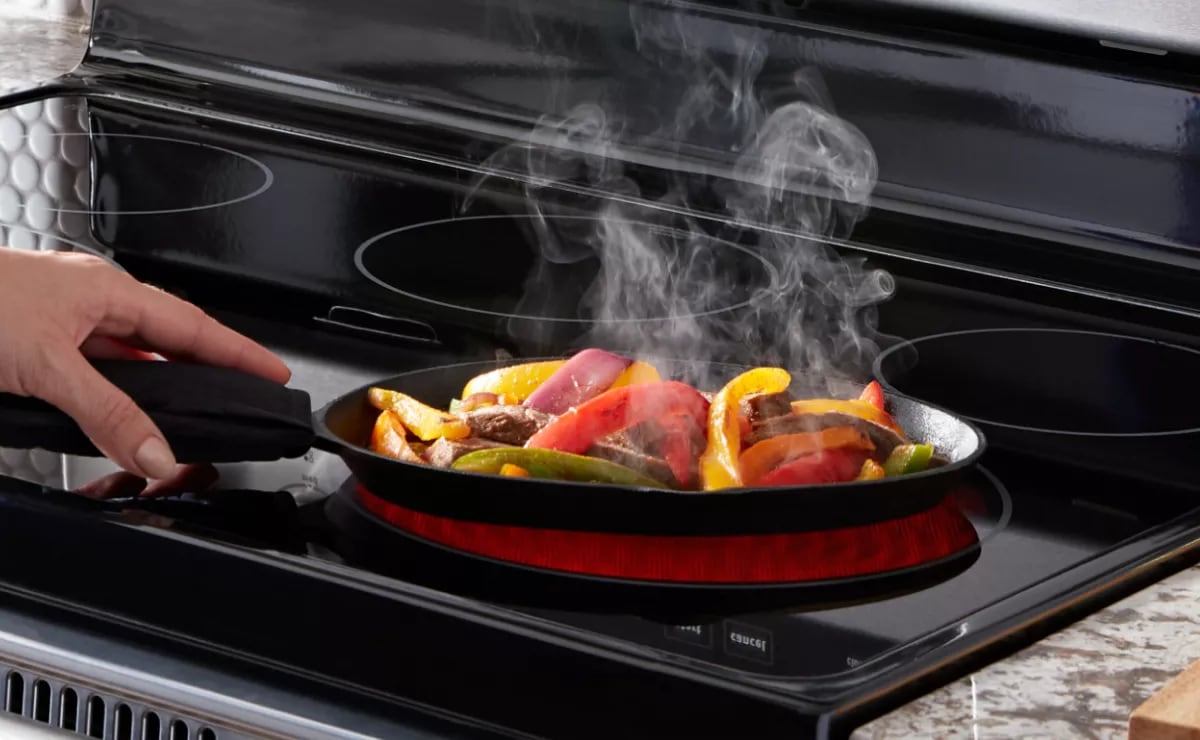
Cast Iron Griddles
Cast iron griddles are famous for their durability and excellent heat retention. However, they are not dishwasher safe because water and detergent can strip away the seasoning and cause rust. Instead, clean them with a stiff brush and hot water, then dry thoroughly and reapply a thin layer of oil.
Nonstick Griddles
Nonstick griddles might seem dishwasher safe because of their coating, but repeated dishwasher cycles can wear down the surface. This reduces their nonstick properties and shortens their lifespan. Washing by hand with mild soap and a soft sponge is usually best to keep the coating intact.
Stainless Steel Griddles
Stainless steel griddles often handle the dishwasher well due to their resistance to corrosion and staining. Still, frequent dishwasher use can dull their finish over time. If you value the shiny look, hand washing is a safer bet, but occasional dishwasher runs are usually fine.
Aluminum Griddles
Aluminum griddles generally do not fare well in dishwashers because the detergent can cause discoloration and pitting. This weakens the metal and damages the surface. Cleaning with warm water and a non-abrasive cloth or sponge helps maintain their appearance and function.
Credit: www.maytag.com
Manufacturer Recommendations
Manufacturer recommendations guide the proper care for kitchen stove griddles. These instructions help keep your griddle safe and functional. Following them prevents damage during cleaning.
Each manufacturer tests their products differently. Some griddles handle dishwashers well, while others do not. Always check the specific advice from the maker to avoid costly mistakes.
Reading Care Labels
Care labels provide key cleaning instructions. Look for symbols or text that show if dishwasher use is allowed. Common phrases include:
- “Dishwasher safe” means you can clean it in the dishwasher.
- “Hand wash only” means avoid the dishwasher to prevent damage.
- “Do not use abrasive cleaners” warns against harsh scrubbing tools.
Labels may also mention temperature limits or drying instructions. Read carefully before washing.
Common Dishwasher Warnings
Many griddles warn about dishwasher risks. These include:
- Coating damage from harsh dishwasher detergents.
- Warping due to high water temperatures.
- Rusting on metal parts if not dried properly.
- Loss of non-stick surface quality.
Ignoring warnings can shorten your griddle’s lifespan. Some manufacturers suggest hand washing to preserve quality.
Risks Of Dishwasher Cleaning
Cleaning your kitchen stove griddle in the dishwasher might seem like a quick and easy option. However, this choice comes with several risks that can damage your griddle and reduce its lifespan. Understanding these risks helps you decide the best way to care for your cookware and keep it in top condition.
Warping And Damage
Dishwashers use high heat and strong water pressure that can cause your griddle to warp. Warping changes the flat surface, making cooking uneven and frustrating. Have you ever noticed your griddle no longer sits flat on the stove? That’s often the result of dishwasher damage.
Additionally, the forceful water jets can chip or scratch the surface, especially if the griddle is made from delicate materials. This kind of damage isn't always visible immediately but affects performance over time.
Loss Of Seasoning
If you own a cast iron or carbon steel griddle, seasoning is what creates its non-stick surface. The dishwasher’s harsh detergents and hot water strip away this essential layer. Without it, food sticks more, and the griddle becomes prone to rust.
Have you ever struggled to clean a griddle after a dishwasher cycle? That’s because the seasoning is gone, and the surface is exposed. You’ll need to reseason your griddle, which takes time and effort.
Corrosion And Rust
Even stainless steel griddles can suffer from corrosion after repeated dishwasher cycles. The combination of water, heat, and detergents can wear down protective coatings. This creates spots where rust can form, especially on edges and seams.
Rust not only looks bad but also affects your health and the taste of your food. Do you want to risk eating food cooked on a rusty surface? Hand washing and proper drying are safer ways to protect your griddle.
Safe Cleaning Alternatives
Cleaning a kitchen stove griddle safely is crucial for its longevity. Many wonder if it's dishwasher safe, but hand cleaning is often recommended. Let's explore some safe cleaning alternatives.
Hand Washing Techniques
Hand washing a griddle preserves its quality. Use warm water and mild soap. Avoid abrasive scrubbers. A soft sponge or cloth works best. Rinse thoroughly to remove soap residue. Dry with a clean towel to prevent water spots.
Using Natural Cleaners
Natural cleaners are gentle on griddles. Baking soda is a popular choice. Mix with water to create a paste. Apply it to the griddle and let it sit. Wipe with a damp cloth for a clean surface. Vinegar is another option. It helps cut through grease effectively.
Removing Stubborn Residue
Stubborn residue can be tricky. Use a plastic scraper for tough spots. A paste of baking soda and water can help. Apply and let it sit for a few minutes. Scrub gently with a cloth or sponge. Rinse well and dry thoroughly.
Tips For Maintaining Griddle Longevity
Maintaining your kitchen stove griddle extends its life and keeps it cooking well. Simple care habits protect the surface and prevent damage. Regular attention helps avoid rust and buildup. Follow these tips to keep your griddle in top shape.
Regular Seasoning Practices
Seasoning creates a natural non-stick layer on your griddle. Heat the griddle and apply a thin layer of cooking oil. Let it cool and wipe off excess oil. Repeat this often, especially after cleaning. Seasoning stops rust and improves cooking performance.
Proper Storage Methods
Store your griddle in a dry place to avoid moisture damage. Keep it covered with a cloth or lid to block dust. Avoid stacking heavy items on top to prevent warping. Using a protective layer helps maintain its surface condition.
Avoiding Harsh Chemicals
Strong detergents can damage your griddle’s finish. Use mild soap and warm water for cleaning. Avoid bleach or abrasive scrubbing pads. Gentle cleaning preserves the seasoning and surface. Always dry the griddle thoroughly after washing.
Credit: www.consumerreports.org
Frequently Asked Questions
Are Kitchen Stove Griddles Dishwasher Safe?
Most kitchen stove griddles are not dishwasher safe. High heat and harsh detergents can damage the surface. Hand washing with warm soapy water is recommended to maintain durability and non-stick coating.
How To Clean A Stove Griddle Safely?
Use warm water, mild dish soap, and a soft sponge to clean the griddle. Avoid abrasive scrubbers or strong chemicals to prevent surface damage. Dry thoroughly to prevent rust.
Can Dishwasher Damage Stove Griddle Coating?
Yes, dishwasher detergents and high temperatures can wear down non-stick or seasoning coatings. This reduces the griddle’s effectiveness and lifespan. Hand washing helps preserve the coating longer.
What Materials Are Dishwasher Safe For Griddles?
Griddles made of stainless steel without coatings are usually dishwasher safe. Cast iron, non-stick, and aluminum griddles typically require hand washing to avoid damage.
Conclusion
Most kitchen stove griddles are not dishwasher safe. Hand washing helps keep their coating and shape intact. Using warm water and mild soap works well. Avoid harsh scrubbing or metal tools to prevent damage. Dry the griddle fully before storing to stop rust.
Taking these simple steps extends your griddle’s life. Clean griddles cook better and last longer. Treat your griddle gently for the best cooking results.