
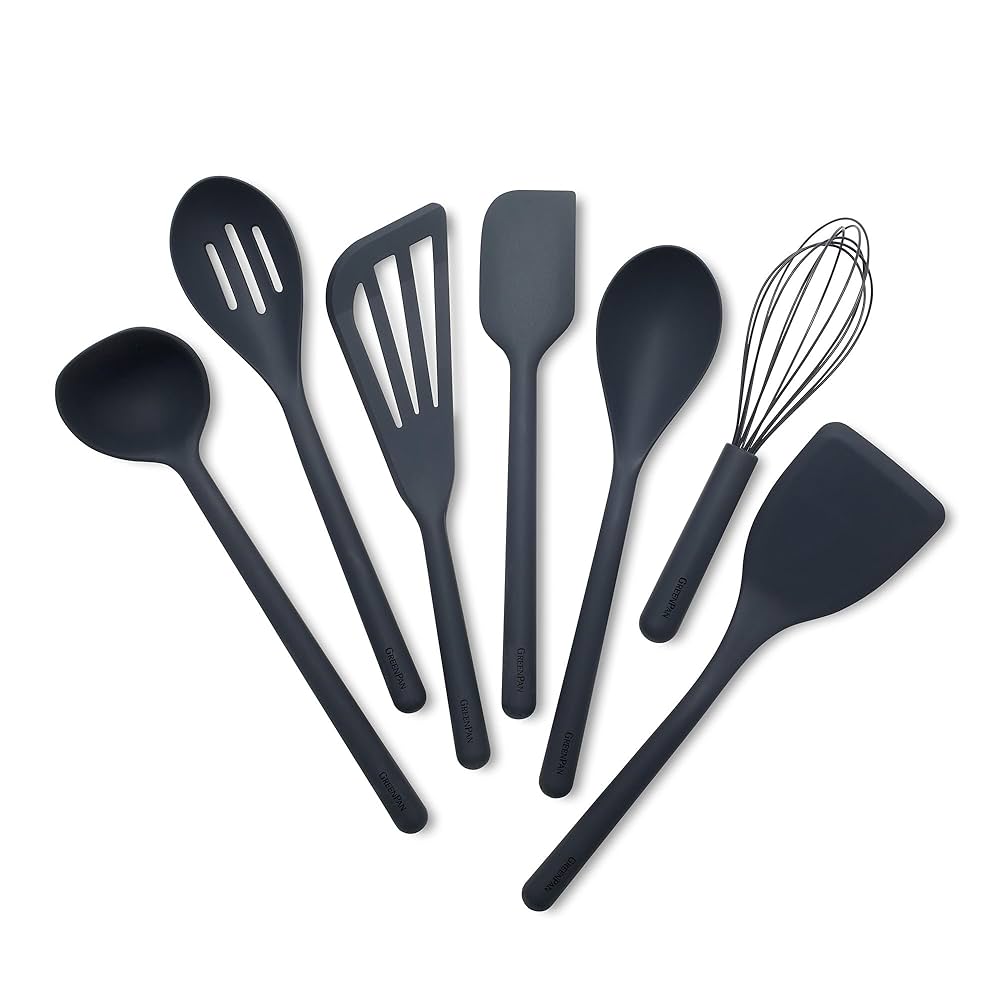
Are you wondering if your silicone kitchen utensils can go straight into the dishwasher without any damage? You’re not alone.
Many people love silicone tools for their flexibility and heat resistance, but when it comes to cleaning, questions arise. Should you wash them by hand to keep them safe, or is the dishwasher a convenient option that won’t harm them?
Keep reading, because knowing the right answer can save you time, protect your utensils, and keep your kitchen running smoothly. Let’s dive into what makes silicone utensils dishwasher safe — or not — so you can make the best choice for your cooking routine.
Silicone Utensils Basics
Silicone kitchen utensils have become a popular choice for many home cooks and professional chefs alike. Their unique features offer a blend of durability and flexibility that traditional materials often lack. Understanding the basics of silicone utensils helps you decide if they fit your cooking style and cleaning routine.
Material Properties
Silicone is a synthetic rubber known for its heat resistance and flexibility. It can typically withstand temperatures from -40°F to 450°F, making it safe for most cooking tasks. Unlike metal or wood, silicone won’t scratch your non-stick pans or melt easily.
Another key feature is its non-porous surface, which means silicone doesn’t absorb odors or flavors. This helps keep your utensils fresh and hygienic over time. Plus, silicone is dishwasher safe, but more on that later—have you ever wondered how dishwasher heat affects different materials?
Common Uses In Kitchen
You’ll find silicone utensils in almost every kitchen toolset. They’re perfect for stirring sauces, scraping bowls, flipping pancakes, and even baking. Because silicone is gentle, it won’t damage delicate cookware surfaces.
Many cooks prefer silicone spatulas and brushes when working with sticky or hot ingredients. Its flexibility allows you to scrape every last bit from jars and pans, reducing waste. Have you noticed how much easier it is to clean a silicone spatula compared to a wooden spoon?

Credit: www.amazon.ca
Dishwasher Safety Factors
Understanding dishwasher safety for silicone kitchen utensils is important. Several factors affect whether these tools stay safe and last long in the dishwasher. These factors include heat resistance, chemical exposure, and durability during cleaning cycles. Each plays a key role in keeping utensils in good shape.
Heat Resistance
Silicone is known for withstanding high temperatures. Most silicone utensils can handle dishwasher heat without melting or warping. Still, extreme heat from certain dishwasher cycles might damage lower-quality silicone. Checking the heat tolerance rating on the utensil helps avoid damage. Usually, silicone can resist temperatures up to 450°F (232°C).
Chemical Exposure
Dishwasher detergents contain strong chemicals. These chemicals can affect silicone over time. High-quality silicone resists these chemicals well. Lower-grade silicone may become sticky or discolored. Avoid harsh detergents or bleach to protect utensils. Using gentle dishwasher detergents extends the life of silicone kitchen tools.
Durability In Dishwasher
Repeated dishwasher cycles test silicone’s durability. Good-quality silicone holds up well to frequent washing. Poor-quality utensils might crack, tear, or lose shape. Placing utensils securely in the dishwasher prevents bending or stretching. Avoid overcrowding the dishwasher to reduce wear and tear on silicone items.
Pros Of Dishwasher Cleaning
Dishwasher cleaning offers several advantages for silicone kitchen utensils. It saves time and effort while ensuring thorough cleaning. These benefits make dishwashers a popular choice for many households.
Convenience
Dishwashers clean utensils quickly with minimal effort. You can place multiple items in one load. This saves time compared to hand washing. No need to scrub or rinse by hand. It frees up time for other tasks. Silicone utensils can go straight into the dishwasher after use.
Sanitization Benefits
Dishwashers use hot water and strong jets to remove germs. This process kills most bacteria and viruses. It cleans areas that are hard to reach by hand. Silicone utensils come out hygienic and safe to use. Regular dishwasher use reduces risk of food contamination.

Credit: www.amazon.ca
Potential Risks In Dishwasher
Using silicone kitchen utensils in the dishwasher seems convenient, but it’s important to consider the potential risks. While silicone is generally heat resistant and durable, repeated dishwasher cycles can cause issues that affect the quality and lifespan of your utensils. Understanding these risks helps you decide the best way to care for your kitchen tools.
Warping And Damage
Silicone utensils are heat resistant, but the intense heat and strong water pressure inside dishwashers can sometimes cause warping or damage.
If your silicone spatula has a thin edge, it might bend or lose its shape after multiple washes. I once noticed my favorite silicone spoon became slightly misshapen after several dishwasher runs, making it less effective for stirring.
Do you want your utensils to last? Consider hand washing delicate silicone items to keep their shape intact.
Color Fading
Dishwasher detergents contain powerful chemicals that can gradually fade the vibrant colors of silicone utensils.
Bright red, blue, or green silicone tools might look dull or washed out after repeated dishwasher use. This doesn’t affect the function but can make your kitchen look less lively.
Would you prefer utensils that brighten your space or ones that quietly fade away? If color matters to you, gentle hand washing might be the better choice.
Residue Build-up
Sometimes dishwashers don’t rinse away all detergent residues completely, especially in the crevices or textured parts of silicone utensils.
This build-up can cause a filmy layer that’s hard to remove and might affect the taste of your food. I noticed a slight soapy aftertaste once, which made me rethink tossing my silicone tools in the dishwasher.
Want to avoid that unpleasant residue? Give your utensils a quick rinse before loading them or wash them by hand occasionally to keep them fresh.
Expert Care Tips
Taking good care of your silicone kitchen utensils ensures they last longer and stay in great shape. Even if they are dishwasher safe, how you treat them during cleaning matters a lot. Let’s look at some expert tips that can help you get the best results while protecting your utensils.
Proper Loading Techniques
Where you place your silicone utensils in the dishwasher affects how well they get cleaned and how safe they stay. Avoid overcrowding the utensil basket to let water and detergent reach every surface.
Keep silicone tools away from heating elements to prevent any warping or melting. Placing them on the top rack usually works best since it's farther from the dishwasher’s intense heat source.
Recommended Dishwasher Settings
Choosing the right dishwasher cycle can make a big difference. Opt for a gentle or eco-friendly setting that uses lower temperatures and less aggressive water pressure.
High heat and harsh cycles might degrade silicone over time, so try to avoid heavy-duty or sanitize modes unless absolutely necessary. This small adjustment can keep your utensils looking new for months.
Handwashing Alternatives
If you want to be extra careful, handwashing is a reliable option. Use warm, soapy water with a soft sponge to clean your silicone utensils thoroughly.
Rinse well and air dry to prevent moisture buildup, which can cause odors. Sometimes, a little elbow grease does the trick better than any machine, especially for stubborn food residue.
Choosing Quality Silicone Utensils
Silicone kitchen utensils are generally safe for dishwashers, making cleaning easy. Choosing high-quality silicone ensures durability and resistance to heat and stains. Always check the manufacturer's instructions to confirm dishwasher safety.
Choosing quality silicone utensils ensures durability and safety in your kitchen. Silicone utensils offer flexibility and resistance to heat. But not all are created equal. Select utensils that meet high standards. This ensures they withstand daily use and cleaning cycles.
Food-grade Standards
Check for food-grade silicone labels. Food-grade silicone is safe for cooking. It does not leach chemicals into food. Look for certifications such as FDA or LFGB. These certifications confirm the silicone meets safety standards. This keeps your meals healthy and free from contaminants. Always prioritize utensils with clear, reliable certifications.
Brands With Dishwasher-safe Claims
Choose brands that clearly state their utensils are dishwasher safe. Some brands test their products for dishwasher compatibility. These brands provide peace of mind. They guarantee the utensils will not degrade over time. Read customer reviews. These often reveal true experiences with dishwasher use. Trusted brands often offer warranties. This adds an extra layer of assurance.
Maintaining Utensil Longevity
Keeping your silicone kitchen utensils in great shape means they will last longer and perform better. Simple care habits can prevent damage and keep your utensils looking new. Small efforts in maintaining your tools pay off when you avoid early wear and tear.
Regular Inspection
Check your utensils often for any cracks, tears, or discoloration. Even minor damage can worsen if ignored and affect how safe and effective your utensils are.
Look closely around edges and handles, where wear usually starts. Catching problems early helps you decide if cleaning or replacement is needed before it gets worse.
Avoiding Harsh Cleaners
Strong chemicals can break down silicone and reduce its lifespan. Steer clear of bleach, abrasive scrubs, and harsh detergents that might cause your utensils to weaken.
Choose gentle dish soap and soft sponges for cleaning. Your dishwasher might handle silicone well, but avoid adding extra cleaners that could be too rough.

Credit: www.amazon.ca
Frequently Asked Questions
Are All Silicone Kitchen Utensils Dishwasher Safe?
Most silicone utensils are dishwasher safe, but always check the manufacturer's guidelines. High-quality silicone resists heat and dishwasher detergents well. Avoid utensils with wooden or metal parts, as they may not be dishwasher safe.
Can Dishwasher Damage Silicone Kitchen Tools?
Dishwashers rarely damage pure silicone utensils. However, extreme heat or harsh detergents may cause discoloration or wear over time. To prolong life, use the top rack and mild detergent.
How To Clean Silicone Utensils In A Dishwasher?
Place silicone utensils on the dishwasher's top rack for even cleaning. Use a gentle cycle and mild detergent. Avoid overcrowding to ensure thorough washing and drying.
Do Silicone Utensils Retain Dishwasher Odors?
Silicone can sometimes absorb strong odors from the dishwasher. To prevent this, rinse utensils before placing them in the dishwasher. Occasionally, wash by hand with baking soda for odor removal.
Conclusion
Silicone kitchen utensils usually handle dishwasher cleaning well. They resist heat and don’t melt easily. Still, check the manufacturer’s instructions first. Avoid high heat or harsh detergents to keep them safe. Hand washing can help utensils last longer. Overall, silicone tools offer easy cleaning and good durability.
They fit well in busy kitchens. Caring for them properly saves time and effort. Choose silicone for a simple, safe kitchen experience.