
Are you thinking about adding a dishwasher to your kitchen but wonder if it’s possible in your space? You might be asking yourself, “Can a dishwasher be installed in any kitchen?” The good news is, with the right know-how, most kitchens can accommodate one.
But before you rush out to buy, it’s important to understand what factors affect installation. Knowing these details will save you time, money, and frustration. Keep reading to discover how to make a dishwasher fit perfectly in your kitchen—no matter the size or layout.
Kitchen Layouts For Dishwashers
Kitchen layouts play a big role in deciding where a dishwasher fits best. Some kitchens have plenty of space for appliances. Others need careful planning to add a dishwasher without crowding. Understanding common kitchen designs helps find the best spot for your dishwasher. Space needs and cabinet changes can affect installation.
Common Kitchen Designs
Popular kitchen layouts include:
- Galley kitchens:Two parallel counters with a narrow walkway.
- L-shaped kitchens:Counters on two walls forming an L shape.
- U-shaped kitchens:Counters on three walls creating a U shape.
- Island kitchens:A central island with counters around the perimeter.
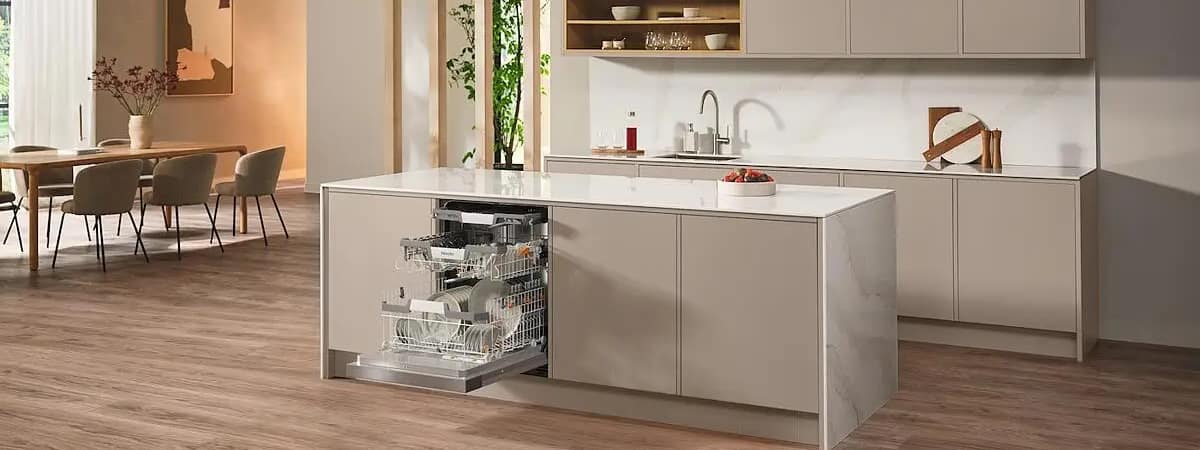
Each design offers different options for dishwasher placement. Galley kitchens may place dishwashers near the sink on one side. L-shaped and U-shaped kitchens often have more flexibility. Island kitchens might require plumbing adjustments for island dishwashers.
Space Requirements
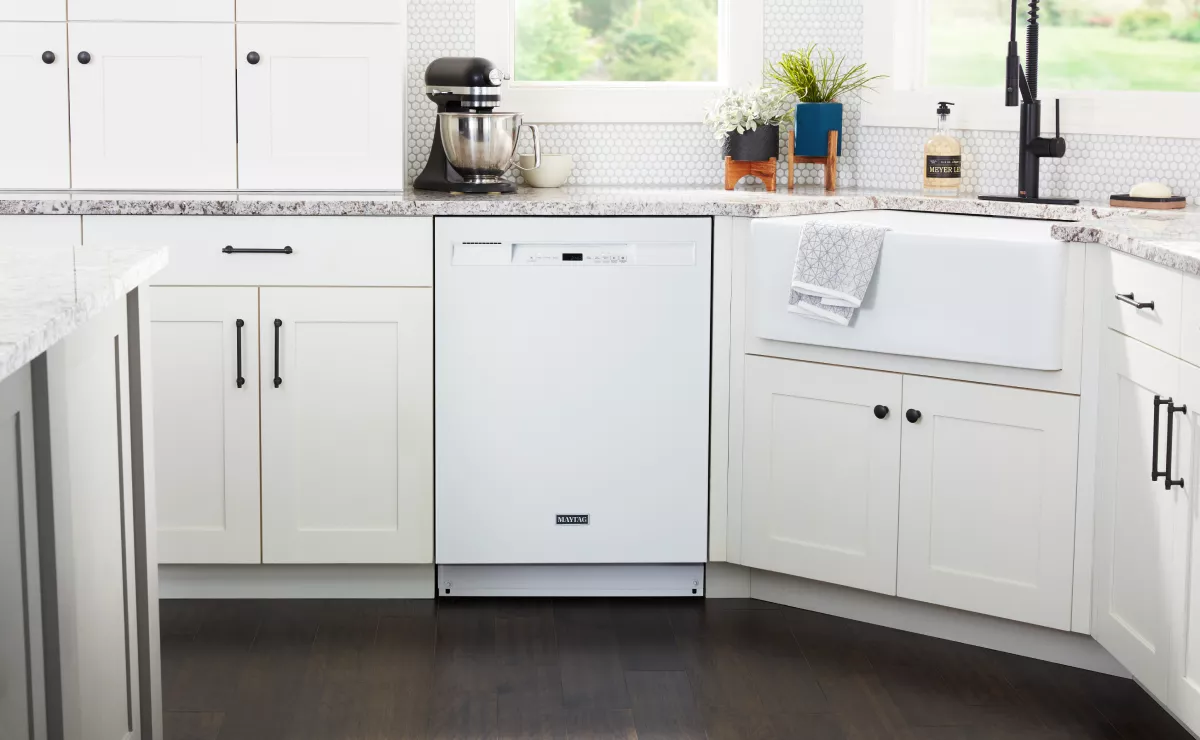
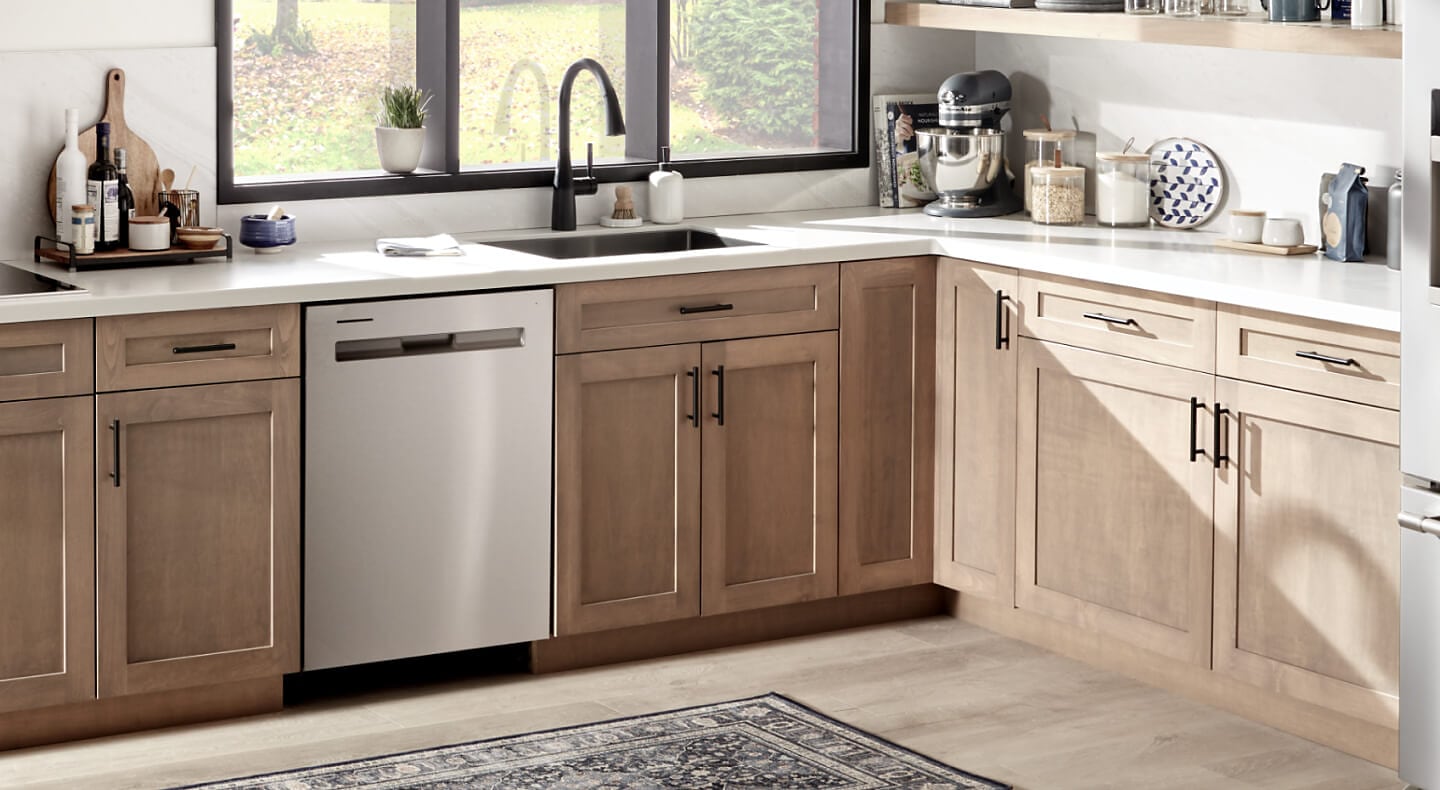
Most dishwashers need a standard space of about 24 inches wide. Depth and height also matter. The unit should fit flush with cabinets. Leave room for door clearance and easy loading. Check the space under the counter near the sink. Plumbing and electrical access are essential. Crowded kitchens may need creative solutions to fit a dishwasher.
Cabinet Modifications
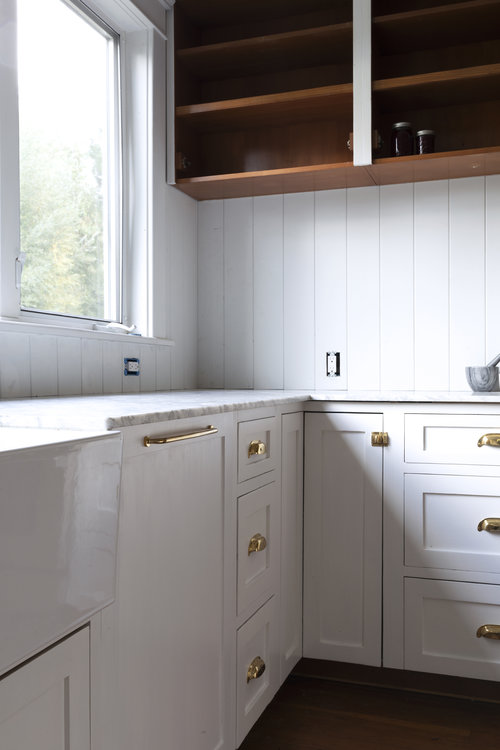
Installing a dishwasher often means changing cabinets. Removing a cabinet section creates space for the appliance. Sometimes, cabinets next to the dishwasher need trimming. Modifications must keep the kitchen looking neat. Custom panels can match the dishwasher to existing cabinets. Proper adjustments ensure the dishwasher fits well and works efficiently.
Credit: www.appliancecity.co.uk
Plumbing And Electrical Needs
Installing a dishwasher needs proper plumbing and electrical setup. These two are crucial for the appliance to work safely and efficiently. Each kitchen may have different requirements depending on its existing layout.
Water Supply Connections
A dishwasher needs a steady water supply. Usually, it connects to the cold water line under the sink. A shut-off valve is necessary to control water flow. The hose should be leak-proof and securely attached. Incorrect connections can cause water damage or poor cleaning performance.
Drainage Setup
The dishwasher must drain wastewater correctly. It often connects to the sink drain or garbage disposal. An air gap or high loop prevents dirty water from flowing back into the dishwasher. Proper drainage stops bad smells and clogs. Check local codes to meet drainage requirements.
Electrical Outlet Placement
Dishwashers need a dedicated electrical outlet. It should be near the appliance but away from water sources. The outlet must match the dishwasher’s power rating. Ground fault circuit interrupter (GFCI) protection increases safety. Ensure the wiring follows local electrical codes.
Types Of Dishwashers
When considering the installation of a dishwasher in your kitchen, understanding the different types available is crucial. Each type suits different needs, space constraints, and lifestyles. Let's explore the various options that might fit perfectly in your kitchen setup.
Built-in Models
Built-in dishwashers are a staple in many homes, seamlessly integrating into your kitchen cabinetry. They provide a clean look and are highly efficient for frequent use. These models require a designated space and plumbing connections, so some kitchen remodeling might be necessary if you're upgrading from a dishwasher-free zone.
Portable And Countertop Options
If space is at a premium, portable and countertop dishwashers offer a versatile solution. They can be moved around easily and don't require permanent installation. A friend of mine, living in a small apartment, swears by her portable model—it connects directly to the kitchen faucet and can be stored away when not in use.
Drawer Dishwashers
Drawer dishwashers are a modern twist on traditional models, offering flexibility and efficiency. They come in single or double drawer options, allowing you to wash smaller loads without wasting resources. Have you ever wished you could run a half load without feeling guilty about water usage? Drawer dishwashers might be your perfect match.
Choosing the right type of dishwasher depends on your kitchen layout and lifestyle needs. What kind of dishwasher do you envision fitting seamlessly into your daily routine?
Credit: www.thegritandpolish.com
Installation Challenges
Installing a dishwasher sounds simple, but it often comes with unexpected challenges. These obstacles can turn a straightforward task into a complex project. Knowing what issues might arise helps you prepare and avoid costly mistakes.
Dealing With Limited Space
Many kitchens don’t have extra room for a dishwasher. You might find the available cabinet space too narrow or awkwardly shaped. Have you measured the space carefully before buying? Taking precise measurements can save you from purchasing a dishwasher that won’t fit.
If space is tight, consider slimline models or portable dishwashers. Sometimes, removing a cabinet or modifying the layout is necessary. It’s important to weigh the cost and effort of these changes against your need for a dishwasher.
Flooring And Structural Issues
Your kitchen floor needs to support the dishwasher’s weight without damage. Older floors, especially those made of wood, may warp or weaken with constant water exposure. Have you checked the flooring condition under the cabinet? Reinforcing the floor might be essential before installation.
Structural obstacles like uneven floors or unstable cabinets can also affect installation. Ensuring a level surface is crucial for the dishwasher to operate properly. Don’t ignore these details—they impact the appliance’s longevity and your kitchen’s safety.
Access To Utilities
Dishwashers require a water supply, drainage, and electrical connections. Your kitchen’s current setup might not have these utilities conveniently located. Can you easily connect the dishwasher to existing plumbing and power outlets?
If utilities are far or missing, expect additional plumbing and electrical work. This can increase installation costs and time. Planning utility access ahead of time helps avoid surprises and ensures your dishwasher runs smoothly from day one.
Permits And Regulations
Installing a dishwasher in your kitchen involves more than just finding the right spot and hooking it up. You need to consider permits and regulations that ensure your installation is safe and legal. Understanding these rules can save you time, money, and headaches down the road.
Local Codes To Consider
Every city or town has its own building codes that might affect how you install a dishwasher. Some areas require permits before you start plumbing or electrical work. Have you checked with your local building department to know the exact rules?
Ignoring these codes can lead to fines or force you to undo your work. It’s smart to ask about:
- Permit requirements for plumbing and electrical changes
- Specific clearance and ventilation rules
- Wastewater disposal standards
When To Hire A Professional
Not sure if you can handle the installation yourself? If you need to alter plumbing lines or electrical wiring, it might be safer to call a licensed professional. They know the local codes and will ensure everything is installed correctly.
Hiring an expert can prevent costly mistakes. Plus, some permits require work to be done or inspected by certified technicians. Do you want to risk your warranty or insurance by installing the dishwasher incorrectly?
Safety Standards
Dishwasher installation must meet safety standards to avoid hazards like water leaks, electrical shorts, or mold growth. Proper grounding and GFCI outlets are often mandatory. Are you confident that your current kitchen setup supports these safety measures?
Following safety guidelines protects your home and your family. It also ensures your appliance works efficiently without unexpected breakdowns. Always check manufacturer instructions alongside local regulations for the best results.
Maintenance Tips Post-installation
Maintaining a dishwasher after installation keeps it working well for years. Proper care prevents damage and costly repairs. Simple daily habits help avoid common issues.
Regular Cleaning
Clean the filter regularly to stop food buildup. Wipe door seals with a damp cloth to remove dirt. Run an empty cycle with dishwasher cleaner once a month. Check spray arms for clogs and clear holes carefully.
Preventing Leaks
Inspect hoses and connections often for loose fittings. Replace worn-out seals to avoid water leaks. Do not overload the dishwasher; it can cause water to escape. Make sure the door closes tightly every time.
Troubleshooting Common Problems
- Dishwasher not draining: Check and clean the drain filter.
- Unusual noises: Remove stuck debris from spray arms and racks.
- Poor cleaning results: Avoid overcrowding and use the right detergent.
- Water not heating: Test the heating element or thermostat.
Credit: www.maytag.com
Frequently Asked Questions
Can Any Kitchen Accommodate A Dishwasher Installation?
Most kitchens can accommodate a dishwasher if space and plumbing are available. Modifications might be needed for smaller or custom layouts. Proper measurements and planning ensure a good fit and functionality in various kitchen designs.
What Kitchen Features Affect Dishwasher Installation?
Water supply, drainage, electrical outlets, and cabinet space impact dishwasher installation. Access to plumbing and power connections is essential. Kitchen layout and countertop height also influence the type and placement of a dishwasher.
Are There Size Restrictions For Dishwasher Installation?
Dishwashers come in standard and compact sizes. Standard sizes fit most kitchens, but compact models suit smaller spaces. Measuring the available space accurately helps choose the right dishwasher size for your kitchen.
Can A Dishwasher Fit In A Kitchen Without Plumbing?
Installing a dishwasher without existing plumbing is possible but requires additional work. A plumber may need to install water supply lines and drainage. This increases installation cost and complexity but is feasible in most homes.
Conclusion
Not every kitchen can fit a dishwasher easily. Space, plumbing, and electrical work matter. Some kitchens need changes before installation. Small kitchens may need compact models or creative setups. Think about where water drains and power plugs sit. Choose a dishwasher that fits your kitchen size and style.
Planning well saves time and money later. A dishwasher can make cleaning easier, but the right fit is key. Take your time to measure and prepare your kitchen space. That way, your dishwasher works well and lasts long.