
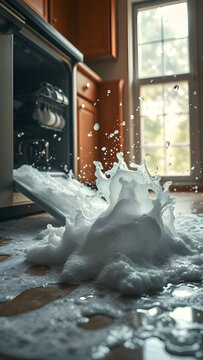
Imagine coming home to find your kitchen floor soaked and water spreading fast. Could your dishwasher be the culprit?
You probably trust your dishwasher to handle dirty dishes, not to cause a mess. But the truth is, a dishwasher can flood your kitchen, leading to costly damage and stress. If you want to protect your home and avoid an unexpected disaster, keep reading.
This article will help you understand how and why dishwashers flood, and what you can do to prevent it from happening to you.
How Dishwashers Flood Kitchens
Understanding how dishwashers flood kitchens can help you prevent costly water damage. Flooding usually happens when something inside the dishwasher or its plumbing goes wrong. Knowing the common causes will help you spot problems early and keep your kitchen dry.
Common Leak Points
Leaks often start at specific spots around your dishwasher. The door gasket, which seals the dishwasher door, can wear out or get dirty, causing water to escape during a wash cycle. Another frequent leak point is the hose connections, where water supply or drain hoses attach to the dishwasher.
If you notice water pooling near the base of your dishwasher, these areas are the first to check. Have you ever found water under your dishwasher and wondered where it came from? These common leak points are usually the culprits.
Malfunctioning Components
Several parts inside your dishwasher can fail and cause flooding. The water inlet valve controls the water entering the machine; if it sticks open, the dishwasher can overfill. A faulty float switch, which signals when the dishwasher has enough water, might not stop the water flow properly.
Spray arms that are cracked or clogged can also direct water in the wrong places, leading to leaks. If your dishwasher starts flooding after a cycle begins, inspect these components. Have you checked your dishwasher’s internal parts lately to avoid surprises?
Clogged Drainage Issues
Drainage problems are a major cause of dishwasher floods. When the drain hose or filter is clogged with food debris, water cannot exit the machine properly. This causes water to back up and overflow onto your kitchen floor.
Regularly cleaning the drain filter and ensuring the hose is clear can prevent this problem. If your dishwasher drains slowly or leaves standing water inside, it might be time to check for clogs before a flood happens.

Credit: products.geappliances.com
Signs Of A Potential Flood
Recognizing the early signs of a dishwasher flood can save you from costly repairs and a major kitchen mess. Paying attention to subtle hints will help you act before water causes serious damage. Here are some common warning signs you should never ignore.
Water Puddles Around The Unit
Spotting water pooling around your dishwasher is the most obvious sign of trouble. Even small puddles can indicate leaks from hoses, door seals, or the drain. If you notice water on the floor after a cycle, don’t brush it off—check for loose connections or cracks immediately.
Unusual Noises During Operation
Is your dishwasher making strange gurgling or splashing sounds? These noises often mean water isn’t flowing correctly inside the unit. It could point to blockages or a failing pump that might lead to overflow. Trust your ears; odd sounds are often a precursor to leaks or flooding.
Persistent Dampness Under Cabinets
Feeling dampness or spotting mold near your kitchen cabinets? This could be a hidden sign of a slow leak from your dishwasher. Moisture trapped under cabinets can cause wood to warp and damage finishes. Have you checked behind your cabinets recently? A quick inspection can reveal problems before they become disasters.
Main Causes Behind Dishwasher Floods
Dishwasher floods can transform your kitchen into an unexpected water park, leading to potential damage and costly repairs. Understanding the main causes behind these floods can help you prevent them and protect your home. By addressing common issues, you can keep your dishwasher running smoothly and your kitchen dry.
Faulty Door Seals
Door seals are essential for keeping water inside your dishwasher. If these seals are worn or damaged, water can easily leak out. Regularly inspect the door seals for cracks or gaps and replace them if necessary to prevent unwanted leaks.
Broken Float Switch
The float switch in your dishwasher is a small but crucial component that regulates water levels. A malfunctioning float switch can cause the dishwasher to overfill and spill water onto your kitchen floor. Ensure it moves freely and is not blocked by debris, and consider replacing it if it's not working properly.
Drain Hose Problems
A kinked or clogged drain hose can lead to water backing up in your dishwasher. This can result in an overflow that makes its way onto your kitchen floor. Check the hose for obstructions and ensure it's properly aligned to allow efficient water drainage.
Overfilled Water Supply
Setting the water supply too high can cause your dishwasher to flood. Pay attention to your dishwasher's instructions regarding water levels. Adjusting the water supply to the recommended level can help prevent this common issue.
Have you ever experienced a dishwasher flood? Addressing these issues can save you the hassle and expense of dealing with a waterlogged kitchen. Regular maintenance and timely repairs are your best defense against unexpected floods.
Credit: stock.adobe.com
Quick Fixes To Prevent Flooding
Dishwasher flooding can turn a simple kitchen cleanup into a costly headache. The good news is that many flooding issues can be prevented with quick, simple fixes you can do yourself. Paying attention to small details can save you from a big mess and expensive repairs.
Regular Maintenance Tips
Keeping your dishwasher in good shape starts with regular maintenance. Make it a habit to check the spray arms for clogs and clean the filter to avoid food buildup. These small tasks ensure water flows correctly and drains properly.
Have you noticed your dishwasher smells or leaves residue? Running a cleaning cycle with vinegar or a dishwasher cleaner once a month can prevent blockages and keep your machine fresh. It’s a quick step that often stops flooding before it starts.
Replacing Worn Seals
Seals and gaskets play a crucial role in keeping water inside your dishwasher. Over time, these rubber parts can crack or wear out, leading to leaks. Inspect these seals regularly and replace them if they show signs of damage.
Replacing a seal is easier than you might think and can save you from water spilling onto your kitchen floor. Do you remember the last time you checked the edges of your dishwasher door? That simple glance could prevent a flood.
Clearing Blocked Drains
Blocked drains are a common cause of dishwasher flooding. Food particles, soap residue, and debris can clog the drain hose or pump. Make sure to clear these blockages to keep water flowing smoothly out of your dishwasher.
If your dishwasher starts to fill with water and doesn't drain properly, it’s a sign the drain might be clogged. Try disconnecting the drain hose and flushing it out, or use a plumber's snake for stubborn blockages. How often do you inspect your dishwasher’s drainage system?
When To Call A Professional
Knowing when to call a professional is key if a dishwasher floods your kitchen. Some problems need expert skills to fix safely and quickly. Acting fast can prevent water damage and costly repairs.
Signs You Need Expert Help
- Water keeps leaking after you turn off the dishwasher.
- There is standing water under or around the appliance.
- The dishwasher won't drain properly or stops mid-cycle.
- You notice strange noises or smells from the machine.
- Repeated flooding happens despite your attempts to fix it.
- Water damage appears on floors or walls near the dishwasher.
Choosing The Right Technician
- Pick a licensed and insured professional for safety.
- Check reviews and ratings from past customers.
- Choose someone who specializes in dishwasher repairs.
- Ask about their experience with flood-related issues.
- Request a clear estimate before any work begins.
- Look for technicians who offer warranties on repairs.
Long-term Solutions For Safety
Preventing dishwasher floods requires more than quick fixes. Long-term safety solutions protect your kitchen and home from water damage. These solutions catch leaks early and stop floods before they start. Investing in reliable safety tools and appliances keeps your kitchen dry and secure.
Installing Water Leak Detectors
Water leak detectors sense moisture and alert you immediately. Place detectors near the dishwasher and under the sink. Many models connect to your smartphone for instant notifications. Some devices can automatically shut off the water supply. This prevents small leaks from turning into major floods.
- Detect leaks early to reduce damage
- Receive alerts anytime, anywhere
- Automatic water shut-off adds extra protection
- Easy to install and maintain
Upgrading To Flood-safe Models
Modern dishwashers offer built-in flood prevention features. These models include sensors that stop water flow if a leak occurs. They may have better seals and reinforced hoses. Flood-safe dishwashers lower the risk of water escaping during cycles. Replacing an old dishwasher with a flood-safe one enhances your kitchen’s safety.
- Advanced leak detection technology
- Improved water-tight seals
- Stronger, durable hoses
- Reduces chance of flooding significantly

Credit: www.reddit.com
Frequently Asked Questions
Can A Dishwasher Cause Kitchen Flooding?
Yes, a dishwasher can cause flooding if it leaks or overflows. Faulty hoses, clogged drains, or a broken float switch are common causes. Regular maintenance and inspections can prevent such issues and keep your kitchen safe from water damage.
What Are Common Signs Of Dishwasher Leaks?
Common signs include water pooling under or around the dishwasher. You may notice damp cabinets, a musty smell, or water stains on the floor. Early detection helps prevent serious flooding and costly repairs in your kitchen.
How To Prevent Dishwasher Flooding At Home?
To prevent flooding, regularly check hoses and connections for cracks or wear. Clean the filter and drain to avoid clogs. Always run the dishwasher when you’re home to catch leaks early and turn off the water supply if needed.
Can A Dishwasher Overflow Without Leaking?
Yes, dishwashers can overflow due to a malfunctioning float switch or blocked drain. Overflowing water may spill onto the floor, causing flooding. Immediate attention to the appliance’s mechanisms can stop overflow and protect your kitchen.
Conclusion
A dishwasher can flood your kitchen if it breaks or leaks. Small problems can turn into big water damage fast. Regular checks help catch issues early and save money. Keep hoses tight and clean filters often. Acting quickly stops water from spreading everywhere.
A little care goes a long way in avoiding floods. Stay alert and protect your kitchen from unwanted water. Simple steps make your dishwasher safer every day.