

Have you ever wished for more cooking space in your kitchen? Imagine preparing multiple dishes at once without the stress of timing everything perfectly.
Adding a double oven could be the solution you didn’t know you needed. But can your kitchen really be converted to fit one? If you’re curious about how this upgrade might work for your space, and what it takes to make it happen, keep reading.
You’re about to discover practical tips and important things to consider before turning your kitchen into a cooking powerhouse.
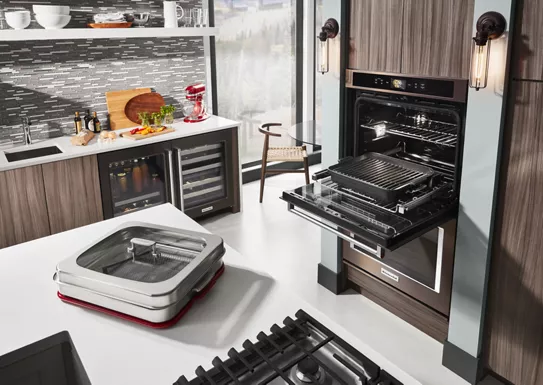
Credit: www.kitchenaid.com
Benefits Of Double Ovens
Double ovens bring many benefits to a kitchen. They make cooking easier and faster. Home chefs enjoy the flexibility and space they provide. Cooking multiple dishes at once is no longer a challenge. Double ovens improve the kitchen's functionality and efficiency.
Increased Cooking Capacity
Double ovens offer two separate cooking chambers. This allows baking and roasting at different temperatures. Prepare large meals without waiting for one dish to finish. Ideal for families or those who entertain guests. More space means cooking multiple dishes simultaneously is simple.
Enhanced Meal Preparation
Meal planning becomes smoother with double ovens. You can cook side dishes and main courses at once. No need to compromise on cooking times or temperatures. This saves time and reduces stress during busy meals. It also helps keep food warm until serving time.
Improved Energy Efficiency
Using the smaller oven for small meals saves energy. No need to heat a large oven for tiny dishes. Cooking with the right size oven lowers electricity or gas use. This helps reduce utility bills over time. Efficient cooking leads to less heat in the kitchen too.
Assessing Your Kitchen Space
Before adding a double oven to your kitchen, you need to carefully assess the available space. This helps ensure the new appliance fits well without disrupting your kitchen’s flow. You might think there’s enough room, but measuring and evaluating are crucial steps that many overlook.
Measuring Available Wall Space
Start by measuring the wall area where you want the double oven. Use a tape measure to get exact height, width, and depth dimensions. Don’t forget to account for clearance space around the oven for ventilation and door opening.
Think about the layout too. Is the wall free from windows, doors, or other obstructions? If not, you may need to adjust your plan or consider a different location.
Considering Existing Appliances
Look closely at the appliances currently in your kitchen. If you have a single oven or microwave built into a wall cabinet, can it be removed or replaced easily? Sometimes, existing appliances share wiring or plumbing, which may complicate installation.
Ask yourself: Will the double oven fit where your current appliances are, or will it require moving things around? This can affect both cost and timeline.
Evaluating Cabinet Modifications
Check if your cabinets can accommodate a double oven. You might need to remove or alter cabinets to make space. This could mean cutting into drywall or reinforcing the structure to support the oven's weight.
Think about the style and finish of your cabinets too. Modifications should blend well so the new setup looks intentional, not like an afterthought.
Choosing The Right Double Oven
Choosing the right double oven is essential to transform your kitchen into a more efficient and versatile cooking space. You want an oven that fits your cooking style, kitchen layout, and daily needs. Making the right choice can save you time, energy, and frustration during meal prep.
Built-in Vs Freestanding Options
Deciding between built-in and freestanding double ovens depends largely on your kitchen design and space. Built-in ovens offer a sleek, integrated look and save floor space, ideal for modern kitchens or tight layouts.
Freestanding models are easier to install and can be moved if you want to change your kitchen setup. They often combine a cooktop and oven, which might suit you if you prefer a compact cooking station.
Think about your kitchen’s workflow: do you want the oven at eye level for easier access? Built-in ovens usually provide this convenience, while freestanding ovens might require bending down.
Electric Vs Gas Models
Electric double ovens heat evenly and often come with advanced features like convection cooking. They are perfect if you want precise temperature control for baking and roasting.
Gas ovens heat up quickly and keep moisture in your food, which is great for roasting meats and casseroles. But they need a gas line, so check if your kitchen supports this before deciding.
Which type feels more natural to your cooking style? Some cooks swear by electric for consistency, while others prefer gas for the taste and speed.
Size And Capacity Considerations
The size of your double oven affects what and how much you can cook at once. Larger ovens let you prepare multiple dishes simultaneously, saving time during big meals or holidays.
Measure your kitchen space carefully before choosing. A too-large oven may crowd your kitchen, while a smaller one might limit your cooking options.
Capacity is equally important. Check the internal volume in cubic feet and compare it to the dishes you usually prepare. Do you often bake large trays or multiple dishes at once?
Electrical And Plumbing Requirements
Adding a double oven requires checking if your kitchen’s wiring can handle extra power. Plumbing changes may be needed if the new oven has steam functions. Ensuring proper electrical and plumbing setups keeps your kitchen safe and efficient.
Converting your kitchen to include a double oven requires careful planning. Understanding the electrical and plumbing requirements is crucial. This ensures your new kitchen setup functions smoothly. Here are the key considerations:
Power Supply Upgrades
A double oven needs a robust power supply. Most kitchens have a 120-volt outlet. Double ovens often need a 240-volt connection. You might need to upgrade your electrical panel. Consult with a licensed electrician for safety.
Ventilation Needs
Proper ventilation prevents heat and odors from building up. Double ovens generate more heat than single ones. Ensure your kitchen has adequate ventilation. A range hood or vent fan may be necessary.
Water Connections For Steam Ovens
Steam ovens require a water supply. If your double oven includes steam functions, plan for plumbing. Ensure water connections are accessible. This setup helps maintain the oven's performance.
Installation Process
Converting a kitchen to include a double oven involves careful planning and skilled work. The installation process requires changes to cabinetry, electrical wiring, and ventilation. Understanding the steps helps prepare for a smooth upgrade. This section covers key parts of the installation process.
Hiring Professional Contractors
Experts make the installation safe and efficient. Licensed electricians handle wiring to meet safety codes. Skilled carpenters adjust cabinets or build new spaces for the ovens. Choosing experienced contractors reduces risks and costly mistakes. Always verify credentials and read reviews before hiring.
Timeline And Steps
Installing a double oven usually takes a few days. The timeline varies based on kitchen layout and existing appliances. Basic steps include:
- Measuring space to fit the double oven
- Removing old appliances or cabinets as needed
- Modifying cabinetry to create proper oven housing
- Upgrading electrical circuits for oven power needs
- Installing ventilation and ensuring airflow
- Placing and connecting the double oven
- Testing the oven for safe operation
Planning ahead helps keep the project on schedule and within budget.
Common Challenges
Unexpected issues can arise during installation. Some common challenges include:
- Limited space requiring cabinet redesign
- Insufficient electrical capacity needing upgrades
- Matching the new oven with existing kitchen style
- Ensuring proper ventilation to avoid overheating
- Delays due to custom parts or permits
Addressing these problems early avoids delays and extra costs.
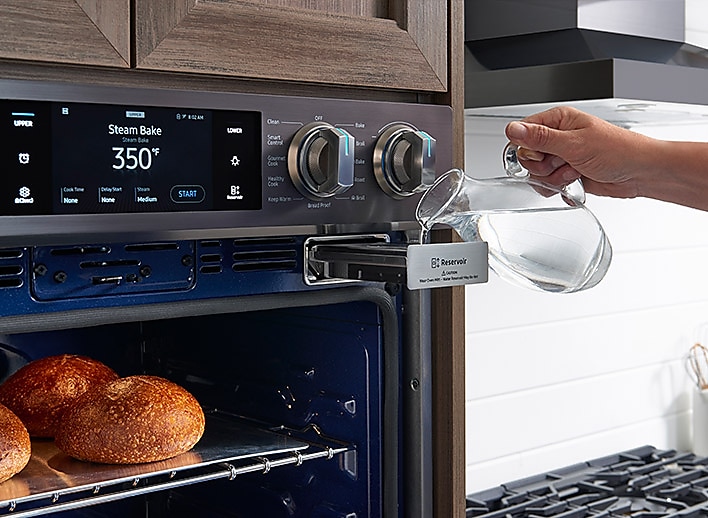
Credit: www.samsung.com
Cost Factors To Consider
Adding a double oven to your kitchen involves several costs beyond just buying the appliance. Understanding these expenses helps you plan your budget better. Costs vary by appliance type, installation needs, and any remodeling required.
Appliance Price Range
Double ovens come in many styles and sizes. Prices range from budget models to high-end designs. Basic models start around $1,000. Premium brands can cost $3,000 or more. Choose an oven that fits your cooking needs and budget.
Installation Fees
Installing a double oven is more complex than a single oven. Professional help is often needed. Electric or gas connections may require updates. Installation fees vary based on labor and location. Expect costs from $200 to $1,000 or higher.
Potential Renovation Expenses
Kitchen layout changes might be necessary for a double oven. Cabinets may need to be modified or replaced. Wall or countertop adjustments could also add cost. These renovations can range from a few hundred to several thousand dollars. Plan for these expenses in your budget.
Maximizing Kitchen Functionality
Maximizing kitchen functionality is key when converting to a double oven. A double oven adds more cooking space, which helps prepare meals faster. It also allows cooking different dishes at separate temperatures.
Planning the space around the ovens improves efficiency. Careful design keeps the kitchen organized and safe. Thoughtful integration of storage and layout supports smooth cooking routines.
Optimizing Storage Around Ovens
Use nearby cabinets for storing baking sheets and pans. Drawers close to the ovens help keep utensils within reach. Consider pull-out shelves for easy access to trays and racks.
- Store oven mitts and thermometers near the ovens
- Use vertical dividers for cutting boards and trays
- Design cabinets to fit the size of your cookware
This setup reduces time spent searching for tools. It keeps the kitchen neat and helps maintain a smooth workflow.
Integrating With Kitchen Layout
Place double ovens at eye level for easy access. Avoid placing ovens too close to the refrigerator or sink. Ensure there is enough counter space nearby for prep work.
| Placement | Benefit |
|---|---|
| Wall installation | Saves floor space, easy to use |
| Under-counter installation | Keeps counters free for prep |
| Separate oven tower | Creates a focal point and storage area |
Good layout reduces movement and makes cooking more comfortable. It also fits well with the overall kitchen design.
Safety Tips For Double Oven Use
Keep children away from hot ovens. Use oven mitts to prevent burns. Always check that oven doors are closed tightly.
- Do not overload electrical circuits
- Keep flammable items away from ovens
- Clean spills promptly to avoid smoke
Regular maintenance ensures ovens work safely and efficiently. A safe kitchen supports stress-free cooking and peace of mind.
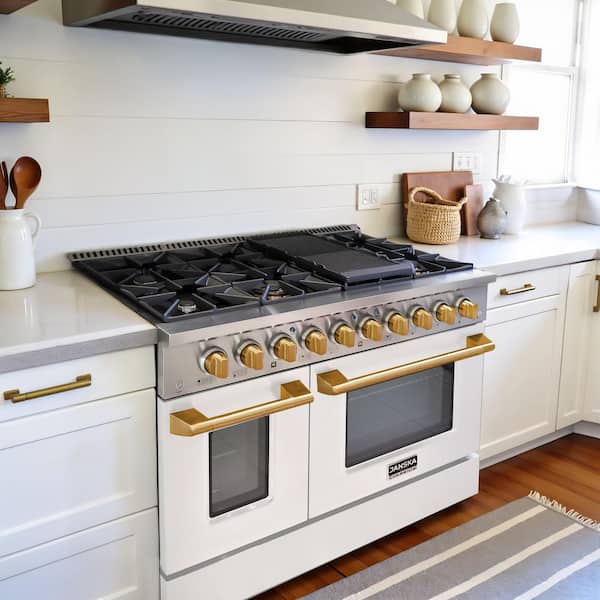
Credit: www.homedepot.com
Frequently Asked Questions
Can A Kitchen Be Remodeled To Include A Double Oven?
Yes, most kitchens can be remodeled to add a double oven. It involves measuring space, electrical work, and cabinetry adjustment. A professional contractor can assess your kitchen layout for compatibility and guide the installation process efficiently.
What Are The Benefits Of Having A Double Oven?
Double ovens allow you to cook multiple dishes at different temperatures simultaneously. They save time and increase cooking flexibility. This is ideal for large families or frequent entertainers who need efficient meal preparation.
Is Additional Electrical Work Needed For A Double Oven?
Typically, yes. Double ovens require dedicated electrical circuits due to their high power needs. An electrician can evaluate your current setup and safely install necessary wiring and breakers to support the appliance.
How Much Space Is Needed For A Double Oven Installation?
A standard double oven requires a wall cavity approximately 30 inches wide and 28-30 inches deep. Proper ventilation and clearance must be considered to ensure safe and effective installation.
Conclusion
A kitchen can often be changed to include a double oven. It takes planning and space to fit both ovens properly. This upgrade helps cook more food at once and saves time. Many homes find it useful for big meals or gatherings.
Check your kitchen layout and electrical setup first. A professional can guide you through the process. Adding a double oven can improve your cooking experience simply and efficiently. It’s a practical choice for those who enjoy cooking often.