
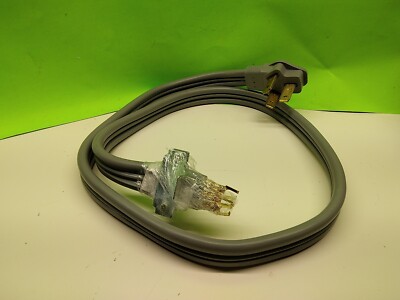
Are you thinking about installing a kitchen wall oven and wondering if it can have a 3 pin plug? This question might seem simple, but the answer could save you time, money, and a lot of frustration.
Knowing the right type of plug for your oven is crucial for safety and proper functioning. You’ll discover exactly what kind of plug your kitchen wall oven should have, why it matters, and what you need to do to make sure everything works smoothly.
Keep reading—you don’t want to miss these important details that can make your kitchen upgrade hassle-free.

Credit: www.reddit.com
Kitchen Wall Oven Power Needs
Your kitchen wall oven’s power needs are crucial to understand before deciding on the type of plug or wiring it requires. These ovens typically demand more power than standard kitchen appliances. Knowing the exact electrical requirements helps you ensure safety and optimal performance.
Typical Electrical Requirements
Most kitchen wall ovens require a dedicated circuit due to their high energy consumption. This means they cannot share power with other appliances or outlets. Usually, wall ovens draw between 20 to 50 amps, depending on their size and features.
Many ovens need a hardwired connection instead of a simple plug. This is because their power draw exceeds what a typical 3-pin plug can handle safely. Always check your oven’s manual for the exact requirements.
Voltage And Amperage Basics
Wall ovens commonly operate on 240 volts rather than the standard 120 volts used by most household outlets. This higher voltage allows them to heat quickly and evenly. If your home’s wiring only supports 120 volts, the oven won’t function properly without an upgrade.
Amperage, or current, is just as important as voltage. An oven pulling 40 amps needs wiring and breakers rated for that load. Using a 3-pin plug, which is usually rated for 13 or 15 amps, could cause overheating or tripped breakers.
Have you checked the label on your current oven or the wall outlet? It’s surprising how many people overlook this step before installation. Matching your oven’s power needs with the right connection ensures your kitchen stays safe and efficient.
3 Pin Plug Characteristics
The 3 pin plug is one of the most common electrical connectors found in households. Understanding its characteristics is essential, especially when considering whether it fits a kitchen wall oven setup. You might wonder if this plug type can handle the oven’s power needs safely and efficiently.
Design And Function
The 3 pin plug consists of three separate pins: live, neutral, and earth. Each pin serves a specific role to ensure safe and reliable power delivery. The earth pin is longer and thicker to connect first, providing protection against electric shocks.
This plug design is mainly focused on safety and stability. Its plastic casing often includes insulation to prevent accidental contact with live parts. You may have noticed how secure it feels when you insert or remove it—this is by design to avoid loose connections that could cause sparks or shorts.
Common Uses In Appliances
3 pin plugs are widely used for many household appliances like toasters, kettles, and microwaves. These devices typically require a standard voltage and current level, which the 3 pin plug handles well.
However, kitchen wall ovens often demand higher power, sometimes needing a direct hardwired connection or a specialized plug. Have you ever checked your oven’s manual or label to see its electrical requirements? Knowing this helps you decide if a 3 pin plug is appropriate or if you need a different setup.
Compatibility Of 3 Pin Plugs With Wall Ovens
Kitchen wall ovens usually need a strong and safe power connection. Some wonder if a 3 pin plug can be used for these ovens. Understanding the compatibility of 3 pin plugs with wall ovens helps ensure safety and proper function. Not all ovens work well with a simple plug setup. Electrical needs vary by model and power rating.
Safety Standards And Regulations
Safety rules guide which plugs ovens should use. Wall ovens often draw more power than regular appliances. A 3 pin plug may not handle the high current safely. Electrical codes in many places require ovens to connect directly to a dedicated circuit. This prevents overheating and fire risks. Using the wrong plug can void warranties and break safety laws.
Manufacturer Recommendations
Oven makers give specific advice on power connections. Most wall ovens need a hardwired setup or a special plug. The manual explains what type of plug or wiring to use. Ignoring these instructions can cause damage or poor oven performance. Always check the guide before installing a wall oven. Following manufacturer advice ensures the oven runs safely and lasts longer.
Wiring And Installation Considerations
Wiring and installation are key for a kitchen wall oven’s safe and efficient use. Understanding the electrical setup helps avoid hazards and ensures proper functioning. Not all ovens use the same plug type, so knowing the correct wiring is crucial.
Professional Installation Importance
Professional installers have the right knowledge and tools. They follow local electrical codes and safety standards strictly. Incorrect installation can cause shocks, fires, or damage to the oven. Experts check wiring, grounding, and circuit compatibility carefully. Hiring a professional protects your home and appliance investment.
Electrical Circuit Specifications
Kitchen wall ovens often need dedicated circuits with specific voltage and amperage. A 3 pin plug may not suit all ovens due to higher power demands. The circuit must handle the oven’s load without tripping breakers. Proper grounding and correct wire gauge are vital. Always match the oven’s specifications to your home’s wiring setup.
Alternatives To 3 Pin Plug Connections
Switching from a 3 pin plug connection for your kitchen wall oven can be a game-changer in terms of safety and efficiency. While 3 pin plugs are common, there are other robust alternatives that offer more stability and power handling. These alternatives can not only streamline your kitchen's electrical setup but also provide peace of mind when it comes to cooking your favorite dishes.
Hardwired Options
One effective alternative is to have your oven hardwired directly into your home's electrical system. This eliminates the need for any plug and socket connection altogether. A hardwired oven ensures a steady power supply, reducing the risk of loose connections or overheating.
Professional installation is crucial here, as improper wiring can lead to safety hazards. When I had my oven hardwired, the electrician explained that this method often results in fewer tripped breakers, especially with high-power usage. Have you considered the long-term benefits of a hardwired setup?
Dedicated Oven Sockets
Another viable option is to install a dedicated oven socket. This provides a specific outlet solely for your oven, ensuring no other appliances share the same circuit. Dedicated sockets can handle higher voltage demands, which is perfect for modern ovens that require more power.
Installing a dedicated oven socket might require some initial investment, but it pays off in performance and safety. My friend recently upgraded to a dedicated socket and noticed her oven heats up faster and more evenly. Would you find it worthwhile to invest in a dedicated power source for your cooking needs?

Credit: www.ebay.com
Troubleshooting Common Issues
Troubleshooting common issues with a kitchen wall oven that uses a 3 pin plug often comes down to understanding how the power supply and plug compatibility work together. Many homeowners face confusion when their oven won't power on or keeps tripping the circuit. Identifying the root cause can save you time and prevent unnecessary repairs.
Power Supply Problems
Your oven needs a stable power supply to function properly. If it suddenly stops working, check if the circuit breaker has tripped or if a fuse has blown. Sometimes, the issue is as simple as a loose connection or a power outage in your home.
Have you ever experienced your oven shutting off mid-cooking? This can happen if the outlet isn’t delivering consistent power. Use a multimeter to test the voltage at the plug point or try plugging in another appliance to see if it works fine. This helps pinpoint whether the problem lies with the oven or the electrical supply.
Plug And Socket Compatibility
Not all 3 pin plugs are created equal, and compatibility issues can cause your oven to malfunction. Some wall ovens require a specific type of plug or socket designed for higher wattage appliances. Using the wrong plug or socket can lead to overheating or even electrical faults.
If you find the plug fits loosely or feels warm to the touch, it's a sign that the connection isn't secure. This can also cause sparks or trips in your circuit breaker. Always ensure your oven's plug matches the socket's rating and type, and don't hesitate to replace outdated sockets with safer, modern ones designed for kitchen appliances.
Safety Tips For Kitchen Oven Electrical Setup
Setting up your kitchen wall oven correctly is not just about functionality; safety plays a crucial role. Electrical setups can be tricky, especially when dealing with appliances like ovens that require high power. Ensuring your oven’s electrical connection is safe protects your home, your family, and your appliance from potential hazards.
Avoiding Electrical Hazards
Always use the correct type of plug and socket for your oven. A 3 pin plug might seem convenient, but many wall ovens require a dedicated circuit or specific wiring to handle high electricity loads safely.
Never ignore the importance of a proper earth connection. It prevents electric shocks and reduces the risk of electrical fires.
Ask yourself: have you ever checked if your oven’s plug matches the manufacturer’s safety recommendations? If not, it’s time to verify this before use.
Regular Maintenance Checks
Electrical connections can loosen over time due to vibrations and heat. Regularly inspect your oven’s plug, socket, and wiring for any signs of wear or damage.
Scheduling routine checks with a qualified electrician can catch hidden issues before they become dangerous. Don’t wait for a problem to show up as a spark or a burn smell.
Think about your last maintenance check—was it recent enough to ensure your oven’s electrical safety? If not, making this a habit can save you from costly repairs and hazards down the line.

Credit: www.walmart.com
Frequently Asked Questions
Can A Kitchen Wall Oven Use A 3 Pin Plug Safely?
Yes, some kitchen wall ovens can use a 3 pin plug safely if they match the appliance’s power rating and electrical standards. Always check the manufacturer’s instructions and local electrical codes before installing a 3 pin plug for your oven.
Why Do Some Wall Ovens Not Have A 3 Pin Plug?
Many wall ovens require higher power and use hardwired connections or special plugs. A 3 pin plug may not handle the oven’s electrical load safely, so manufacturers often recommend dedicated circuits instead.
Is It Legal To Connect A Wall Oven With A 3 Pin Plug?
Legal regulations vary by region, but generally, a kitchen wall oven must comply with local electrical codes. Many areas require professional installation and proper wiring, which may exclude using a standard 3 pin plug for high-power ovens.
Can I Replace A Wall Oven’s Connection With A 3 Pin Plug?
Replacing a wall oven’s connection with a 3 pin plug is not always safe or recommended. It may void warranties and violate electrical codes. Always consult a certified electrician before making any changes to oven wiring.
Conclusion
A kitchen wall oven usually needs a special power connection. Most models do not use a simple 3 pin plug. They require a higher voltage and direct wiring for safety. Always check the oven’s manual before installation. Using the correct connection helps avoid electrical problems.
Consult a professional electrician if unsure about the plug type. Safe installation keeps your kitchen and family protected. Understanding these basics makes choosing and installing easier. Stay safe and enjoy cooking with the right setup.