
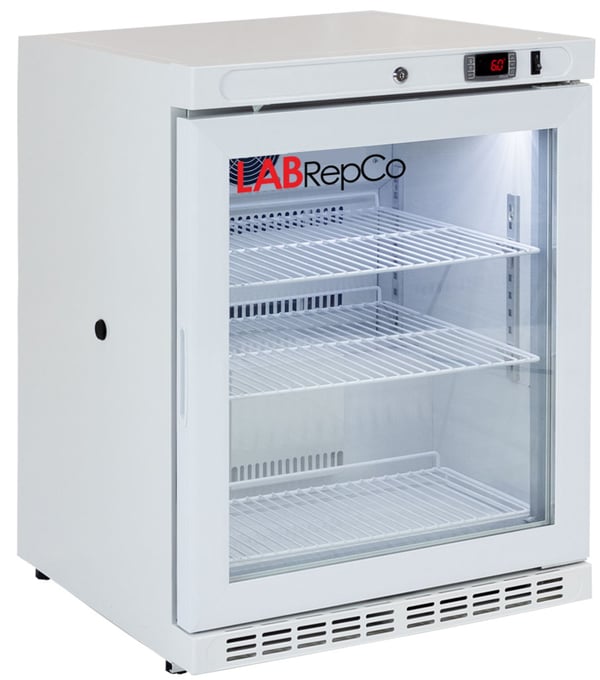
Are you wondering if a medication refrigerator can be placed in your employee kitchen? It’s a common question that many workplaces face.
You want to keep medicines safe, but you also need to ensure the space stays clean and organized for everyone. This article will help you understand the rules, safety concerns, and best practices for storing medication in an employee kitchen.
By the end, you’ll know exactly what to do to protect your team’s health and keep your workplace running smoothly. Keep reading to find out more!
Medication Fridge Basics
Medication refrigerators are special fridges designed to store medicines safely. They keep medicines at the right temperature. This helps maintain the medicine's effectiveness and safety. Understanding the basics of these fridges is important, especially when thinking about placing one in an employee kitchen.
Purpose And Importance
Medication fridges keep medicines cool and stable. Some medicines lose power if they get too warm or freeze. These fridges prevent that by staying within a set temperature range. They protect medicines from spoilage and contamination. Proper storage helps ensure patients get the right treatment. Using a regular fridge can be risky because temperatures often change. Medication fridges often have alarms to alert if temperatures go wrong. This helps avoid costly medicine loss.
Common Types
There are different types of medication fridges. Each type fits specific needs and settings.
- Pharmacy Fridges:Used in hospitals and pharmacies. They have precise temperature control and alarms.
- Vaccine Fridges:Designed for vaccines. They maintain strict temperature limits to keep vaccines effective.
- Compact Medication Fridges:Smaller units for clinics or offices. They fit in limited spaces but still offer temperature control.
- Thermoelectric Fridges:Use a cooling system without compressors. They are quieter but less common in medical settings.
Credit: www.steamboat.com
Regulations And Compliance
Regulations and compliance play a key role in deciding if a medication refrigerator can be placed in an employee kitchen. These rules ensure medicines stay safe and effective. They protect both the medication and the people who use them.
Following these guidelines prevents contamination and mix-ups. It also meets legal and health standards, avoiding penalties or risks.
Health And Safety Standards
Medication refrigerators must meet strict health and safety rules. These rules often come from health departments or workplace safety organizations. The fridge needs to keep a steady temperature to stop medicines from spoiling.
Placing medication storage in a kitchen may increase contamination risks. Kitchens have food, drinks, and germs. This environment can affect medicine quality and safety.
Staff must handle medicines carefully. Proper training is important. The refrigerator should be cleaned regularly to avoid bacteria buildup.
Storage Requirements
Medicines often require specific temperature ranges. This keeps them effective and safe to use. The fridge must have a reliable thermometer and alarm system.
Storage areas must be separate from food items. Cross-contamination can cause serious health issues. The fridge should have clear labels and secure locks.
Access should be limited to authorized personnel only. This prevents accidental use or theft of medicines. Regular monitoring and record-keeping help maintain compliance.
Employee Kitchen Considerations
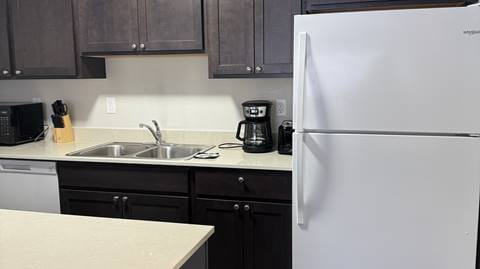
Placing a medication refrigerator in an employee kitchen requires careful thought. This space serves multiple purposes, and safety is a top priority. Understanding the challenges and precautions helps maintain a safe environment for both employees and stored medications.
Space And Location
Choosing the right spot for the medication refrigerator is essential. The kitchen is often busy with food preparation and breaks. The fridge should not block pathways or access to other appliances. It needs a dry, cool area away from direct sunlight. Proper ventilation around the unit prevents overheating. Ensure it is easy to reach for authorized personnel only. Clear labeling can help avoid confusion with regular kitchen fridges.
Cross-contamination Risks
Combining medication storage with food areas raises contamination concerns. Medications must stay free from food particles and spills. Employees should never store food inside the medication fridge. Surfaces around the fridge must be cleaned regularly to reduce germs. Staff training on hygiene and handling practices is crucial. Separate cleaning tools for the medication area prevent cross-contamination. Strict rules help keep medications safe and effective for use.

Credit: milky-mama.com
Security And Access Control
Medication refrigerators require strict security and access controls to protect sensitive medicines. Placing one in an employee kitchen can risk contamination and unauthorized access. Secure, dedicated storage areas ensure safety and proper handling of medications.
Security and access control are crucial for medication refrigerators in employee kitchens. Ensuring that only authorized individuals access the medication is vital. This guarantees that the medications are safe and effective for those who need them.
Authorized Personnel
Access should be limited to authorized personnel. This could include healthcare staff or designated employees. These individuals are trained to handle medications safely. Their access ensures medications are administered correctly. Unauthorized access can lead to misuse or theft. Therefore, it's essential to have a clear list of who can access the refrigerator.
Locking Mechanisms
Proper locking mechanisms are vital for security. A reliable lock ensures only authorized users can open the refrigerator. Options include key locks, combination locks, or digital locks. Digital locks offer extra security with passcodes. Regularly changing passcodes or keys enhances security. This prevents unauthorized access over time.
Temperature Monitoring
Temperature monitoring is vital for medication refrigerators in employee kitchens. Medicines need a stable, cool environment to stay effective. Sudden temperature changes can spoil medications. Constant tracking helps maintain safety and compliance.
Maintaining Consistent Temperature
Consistent temperature keeps medicines safe and effective. The fridge should stay between 2°C and 8°C (36°F and 46°F). Avoid frequent door openings to reduce temperature swings. Place medicines away from fridge walls and vents. Use a reliable thermometer to check the temperature daily. Record the readings to spot any changes early.
Alarm Systems
Alarm systems alert staff when temperatures go out of range. They prevent medication damage by warning about fridge failures. Choose alarms with loud sounds or visual signals. Some systems send notifications to phones or emails. Test alarms regularly to ensure they work properly. Quick action after an alert saves valuable medicines.
Cleaning And Maintenance
Cleaning and maintenance are key to keeping a medication refrigerator safe and efficient in an employee kitchen. Regular care helps prevent contamination and equipment failure. It also ensures that medicines stay effective and safe for use.
Routine Cleaning Protocols
Clean the refrigerator inside and out at least once a week. Use mild soap and warm water for wiping shelves and walls. Avoid harsh chemicals that can damage surfaces or leave harmful residues. Dry all areas thoroughly to prevent mold growth.
Check the temperature controls daily to keep medicines at the correct temperature. Remove expired or unused medications promptly. Keep the door seal clean to maintain a tight closure and save energy.
Handling Spills And Contamination
Spills must be cleaned immediately to avoid cross-contamination. Use disposable gloves and clean cloths when handling spills. Dispose of contaminated materials safely to protect others.
Disinfect the affected area with a suitable, non-toxic cleaner after cleaning spills. Avoid mixing cleaning products to prevent harmful fumes. Report any persistent odors or stains to maintenance staff for further action.
Best Practices For Kitchen Placement
Placing a medication refrigerator in an employee kitchen requires careful thought to maintain safety and compliance. You need to ensure it doesn't interfere with food safety or create confusion. Setting clear boundaries and guidelines helps keep both medication and food storage safe.
Separation From Food Storage
Keep the medication refrigerator physically separate from where food is stored or prepared. This reduces the risk of cross-contamination and helps staff avoid accidentally using the wrong fridge. Ideally, place the medication fridge in a distinct corner or a separate room within the kitchen area.
Think about how your kitchen is laid out. Is there enough space to create a clear division? Even a small gap or a partition can make a big difference in preventing mix-ups.
Clear Signage And Labeling
Use bold, easy-to-read signs on and around the medication fridge. Label it clearly as “Medication Only” to avoid any accidental food storage inside. This simple step prevents confusion and reminds everyone about the fridge’s special use.
Adding instructions for handling and contact info for responsible personnel can help too. When everyone knows the rules and who to ask, the risk of errors drops significantly. Have you ever seen a fridge mistakenly used for food because it wasn’t labeled? Avoid that scenario with straightforward signage.
Credit: www.costco.com
Frequently Asked Questions
Can Medication Refrigerators Be Placed In Employee Kitchens?
Medication refrigerators should ideally be kept separate from employee kitchens. This prevents contamination, temperature fluctuations, and unauthorized access. Proper storage ensures medication safety and efficacy.
What Are Risks Of Storing Medication In Kitchen Refrigerators?
Kitchen refrigerators expose medication to frequent door openings and temperature changes. This can reduce medication effectiveness and increase contamination risks, making kitchens unsuitable for storing sensitive drugs.
How To Ensure Proper Medication Storage In Workplaces?
Use dedicated medication refrigerators with temperature monitoring. Restrict access to authorized personnel only. Regularly check and document temperature to maintain medication safety and compliance.
Are There Regulations For Medication Storage In Employee Areas?
Yes, many health authorities require secure, temperature-controlled storage away from food areas. Compliance ensures medication integrity and employee safety.
Conclusion
Storing medication in an employee kitchen fridge can cause risks. Temperature changes may affect medicine quality and safety. Separate refrigerators help keep medicines at the right temperature. Employees should follow workplace rules for storing medication. Clear labeling and restricted access protect both medicine and staff.
Prioritize health by choosing safe and approved storage options. This keeps medicines effective and prevents accidents. Always check with health guidelines before placing medication in shared spaces. Safety matters most for everyone in the workplace.