
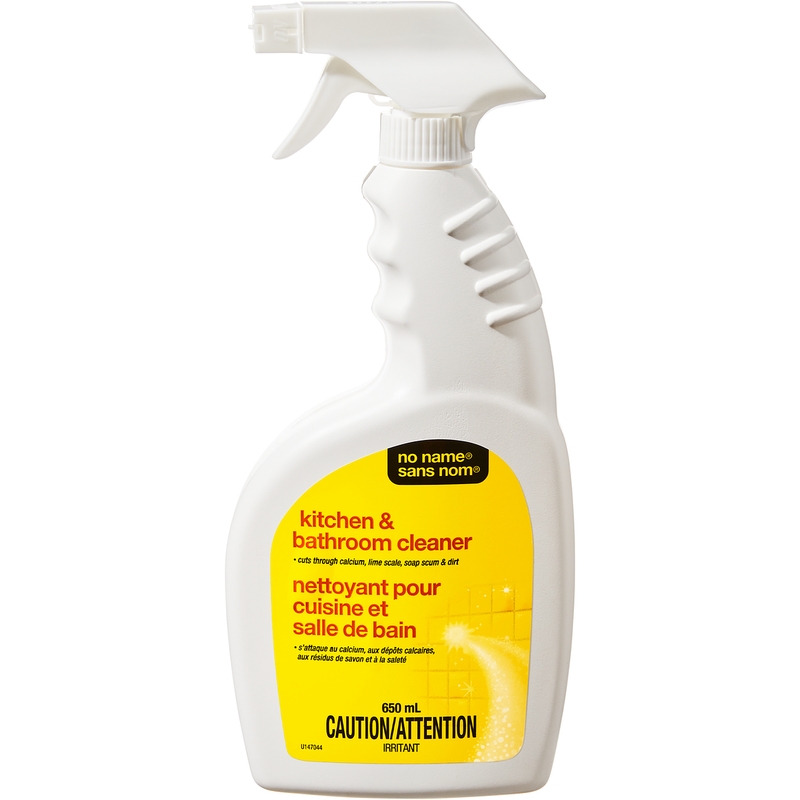
Have you ever wondered if the bathroom cleaner under your sink can also tackle kitchen messes? It’s a common question because you want your home spotless without juggling too many products.
But is it safe to use bathroom cleaner in your kitchen? You might be surprised by the answer. Keep reading to discover what you need to know before grabbing that bottle and how to keep every corner of your home clean—and safe.
Bathroom Cleaner Ingredients
Understanding the ingredients in bathroom cleaners is essential before deciding to use them in your kitchen. These products are designed to tackle tough grime, soap scum, and bacteria commonly found in bathrooms. But have you ever wondered what chemicals are packed inside these cleaners and how they might affect your kitchen surfaces or food safety?
Common Chemicals In Bathroom Cleaners
Bathroom cleaners often contain powerful chemicals aimed at disinfecting and removing stubborn stains. Some common ingredients include:
- Bleach (Sodium Hypochlorite):A strong disinfectant that kills germs and whitens surfaces.
- Ammonia:Effective at cutting through grease and grime, often found in glass and surface cleaners.
- Acids (like Hydrochloric or Sulfamic Acid):Used to dissolve mineral deposits, rust, and hard water stains.
- Surfactants:Help break down dirt and oils for easy removal.
- Fragrances and Dyes:Added to mask chemical smells and make the product more appealing.
Each ingredient serves a specific purpose, but their combination can make bathroom cleaners quite harsh compared to kitchen detergents.
Potential Hazards Of Bathroom Cleaner Components
Using bathroom cleaners in the kitchen can raise safety concerns due to their chemical makeup. For example, bleach can release harmful fumes when mixed with other substances, posing respiratory risks. Have you noticed that strong bleach smells can linger long after cleaning?
Acids, while excellent at removing tough bathroom stains, can damage kitchen surfaces like granite or stainless steel. Ammonia, if not rinsed thoroughly, might leave residues that contaminate food-prep areas. It’s crucial to ask yourself: Is the cleaning power worth the potential risk of chemical exposure in areas where you prepare meals?
Before you grab that bathroom cleaner for your kitchen, consider these risks carefully. Your health and the safety of your kitchen surfaces depend on the chemicals you bring into your food space.
Kitchen Surface Types
Your kitchen is a mix of different surface types, each with its own texture and material. Knowing these surfaces helps you decide if a bathroom cleaner is safe to use or if it might cause damage. Let’s break down common kitchen materials and their cleaning needs.
Materials Found In Kitchens
- Granite and Marble:These natural stones look elegant but are sensitive to acidic or abrasive cleaners.
- Laminate:Made from layers of paper and resin, laminate is affordable but can peel or discolor if exposed to harsh chemicals.
- Stainless Steel:Popular for appliances and sinks, it resists rust but can scratch easily with rough scrubbing.
- Tile:Ceramic or porcelain tiles are durable but grout lines can trap dirt and need gentle scrubbing.
- Wood:Often used for countertops or cutting boards, wood can absorb moisture and stain if not sealed properly.
Surface Sensitivities To Cleaners
Bathroom cleaners are often strong and designed to remove soap scum and mold. But have you noticed how some kitchen surfaces react badly to these chemicals?
Acidic cleaners can dull granite or etch marble, leaving permanent marks. Laminate surfaces may swell or peel if exposed to bleach or ammonia-based products. Stainless steel needs cleaners that won’t strip its protective layer or cause streaks.
Would you risk ruining your expensive countertops just to save time? Instead, choose cleaners specifically made for kitchen surfaces or mild alternatives like diluted vinegar or baking soda, which clean effectively without harm.
Safety Risks Of Using Bathroom Cleaner In Kitchen
Using bathroom cleaner in your kitchen might seem convenient, especially when you run out of your regular kitchen cleaner. However, this practice can pose several safety risks you may not have considered. Let's dive into why it's crucial to keep these cleaning products in their designated spaces.
Chemical Residue Concerns
Bathroom cleaners often contain harsh chemicals designed to tackle soap scum and limescale. These chemicals can leave residues on kitchen surfaces. Imagine preparing a meal on a countertop where remnants of these potent cleaners linger. It’s an unsettling thought, isn’t it? You don't want your food to pick up these residues, which could potentially mix with your meals.
Cross-contamination Risks
Using the same cleaning tools for both the bathroom and kitchen can lead to cross-contamination. Bacteria from bathroom surfaces can easily transfer to your kitchen. Have you ever wondered what might hitch a ride on a sponge or cleaning cloth? Keeping separate cleaning supplies for each area can help maintain a hygienic environment.
Health Implications
Frequent exposure to the chemicals found in bathroom cleaners can have adverse health effects. Inhaling fumes or absorbing residues through your skin might cause irritation or allergic reactions. Wouldn't it be better to use products designed for the kitchen that are typically gentler and food-safe? Consider the long-term impact on your health when choosing the right cleaners for each area.

Credit: www.amazon.ca
When Bathroom Cleaners Might Be Suitable
Bathroom cleaners have strong formulas designed to tackle soap scum, mold, and grime. Some of these cleaners share ingredients with kitchen products. This overlap can make certain bathroom cleaners suitable for kitchen use, but only under the right conditions.
Knowing when bathroom cleaners might be safe for kitchen surfaces helps avoid damage and ensures proper hygiene. Not all bathroom cleaners are safe, but some multi-purpose cleaners can work well in kitchens.
Multi-purpose Cleaners
Many bathroom cleaners are labeled as multi-purpose. These cleaners target a variety of surfaces, including tiles, countertops, and sinks. They often contain ingredients safe for both bathroom and kitchen use. Check the label to confirm if the product is meant for food preparation areas.
Multi-purpose cleaners help remove grease, dirt, and stains without harsh chemicals. They provide effective cleaning without risking damage to kitchen surfaces. Always choose products marked safe for kitchen or food-contact surfaces.
Using Proper Dilution And Rinsing
Bathroom cleaners can be strong and sometimes harsh. Diluting these cleaners with water lessens their strength. Proper dilution reduces the risk of surface damage and chemical residue.
After cleaning, rinse surfaces thoroughly with water. This removes any leftover cleaner and prevents contamination. Rinsing is especially important on kitchen counters and sinks where food is prepared.
Using the right amount of cleaner and rinsing well keeps kitchen areas safe and clean. Follow the instructions on the product label for best results.
Safer Kitchen Cleaning Alternatives
Using bathroom cleaner in the kitchen can bring risks. Harsh chemicals may contaminate food surfaces. Choosing safer cleaning options protects your health and home. Kitchen cleaners designed for food areas offer effective and gentle cleaning. Natural alternatives also provide a safe way to keep surfaces spotless.
Recommended Kitchen Cleaners
Many kitchen cleaners are safe and effective. They remove grease, stains, and bacteria without harsh chemicals. Look for products labeled as food-safe or non-toxic. These cleaners are made for countertops, sinks, and appliances.
- All-purpose kitchen sprays with mild ingredients
- Disinfecting wipes safe for food contact surfaces
- Degreasers designed specifically for kitchen use
- Dish soap for gentle cleaning of utensils and dishes
Always read labels to ensure safe use around food. Proper ventilation and rinsing also help keep your kitchen safe.
Natural And Homemade Options
Natural cleaners are easy to make and gentle on surfaces. They use simple ingredients found in most homes. These options reduce exposure to strong chemicals and odors.
- Vinegar and water solution for cutting grease and grime
- Baking soda paste to scrub tough stains and odors
- Lemon juice for natural antibacterial and fresh scent
- Castile soap mixed with water for light cleaning
Natural cleaners work best with regular use and proper rinsing. They keep your kitchen fresh, clean, and safe for food preparation.

Credit: www.youtube.com
Best Practices For Cleaning Kitchens
Keeping your kitchen clean is essential for both hygiene and safety. However, using the right approach can make a huge difference in how effective and safe your cleaning routine is. Let’s look at some best practices that ensure your kitchen stays spotless without risking contamination or damage.
Reading Product Labels
Before you grab any cleaner, take a moment to read the label carefully. Check if the product is safe for kitchen surfaces, especially areas where food is prepared. Some bathroom cleaners contain harsh chemicals that can leave residues unsafe for food contact.
Look for instructions on proper use and warnings. If a cleaner advises against use on countertops or food prep areas, it’s best to avoid it. Have you ever used a product without reading the label and noticed a strange smell or residue afterward?
Using Separate Cleaning Supplies
Never use the same sponges, cloths, or brushes for both bathroom and kitchen cleaning. Cross-contamination can happen easily, spreading bacteria from toilets or sinks to your kitchen counters.
Assign specific cleaning tools for the kitchen only. Color-coded cloths or brushes help keep things organized and reduce the risk of germs crossing over. Think about how you feel wiping your kitchen table with a cloth used in the bathroom—would you feel comfortable?
Proper Ventilation And Safety Measures
Good airflow is crucial when cleaning your kitchen, especially if you’re using strong chemicals. Open windows or turn on exhaust fans to help dissipate fumes quickly.
Wear gloves and avoid mixing different cleaning products, as this can create dangerous chemical reactions. Have you ever experienced irritation or headaches after cleaning? Proper ventilation can prevent that and keep your cleaning experience safer and more pleasant.
:max_bytes(150000):strip_icc()/SPR-how-pro-cleaners-clean-a-sink-11781060-recirc-d43f366f6fda4e2aa23983aa321c6efa.jpg)
Credit: www.thespruce.com
Frequently Asked Questions
Can Bathroom Cleaner Be Safely Used In The Kitchen?
Bathroom cleaners often contain harsh chemicals not ideal for kitchen surfaces. Using them in the kitchen may risk contamination and damage. It's best to use cleaners specifically designed for kitchen use to ensure safety and effective cleaning.
What Are The Risks Of Using Bathroom Cleaner In Kitchens?
Using bathroom cleaner in kitchens can leave harmful residues. These residues can contaminate food and surfaces, posing health risks. Additionally, some cleaners may damage kitchen appliances and countertops. Always check product labels before using cleaners in food preparation areas.
Are Bathroom Cleaners Effective On Kitchen Grease?
Bathroom cleaners are typically designed for soap scum and mildew, not grease. They may not effectively remove tough kitchen grease and can leave residues. For grease, use kitchen degreasers or all-purpose cleaners formulated for food-safe environments.
How To Choose A Safe Cleaner For Kitchen Use?
Choose cleaners labeled as food-safe and non-toxic for kitchens. Look for products free of harsh chemicals like ammonia or bleach. Eco-friendly and biodegradable cleaners are good options. Always read instructions to ensure safe use on kitchen surfaces.
Conclusion
Bathroom cleaner and kitchen cleaner serve different purposes. Bathroom cleaners often contain stronger chemicals. These chemicals can be harmful if used on kitchen surfaces. Kitchens need gentle cleaners to keep food safe. Using bathroom cleaner in the kitchen may cause damage.
Always choose products designed specifically for kitchen use. Cleaners made for kitchens protect both surfaces and health. Safety should always come first in your home. Keep cleaning simple, safe, and effective by using the right products. This helps maintain a clean and healthy space for your family.