
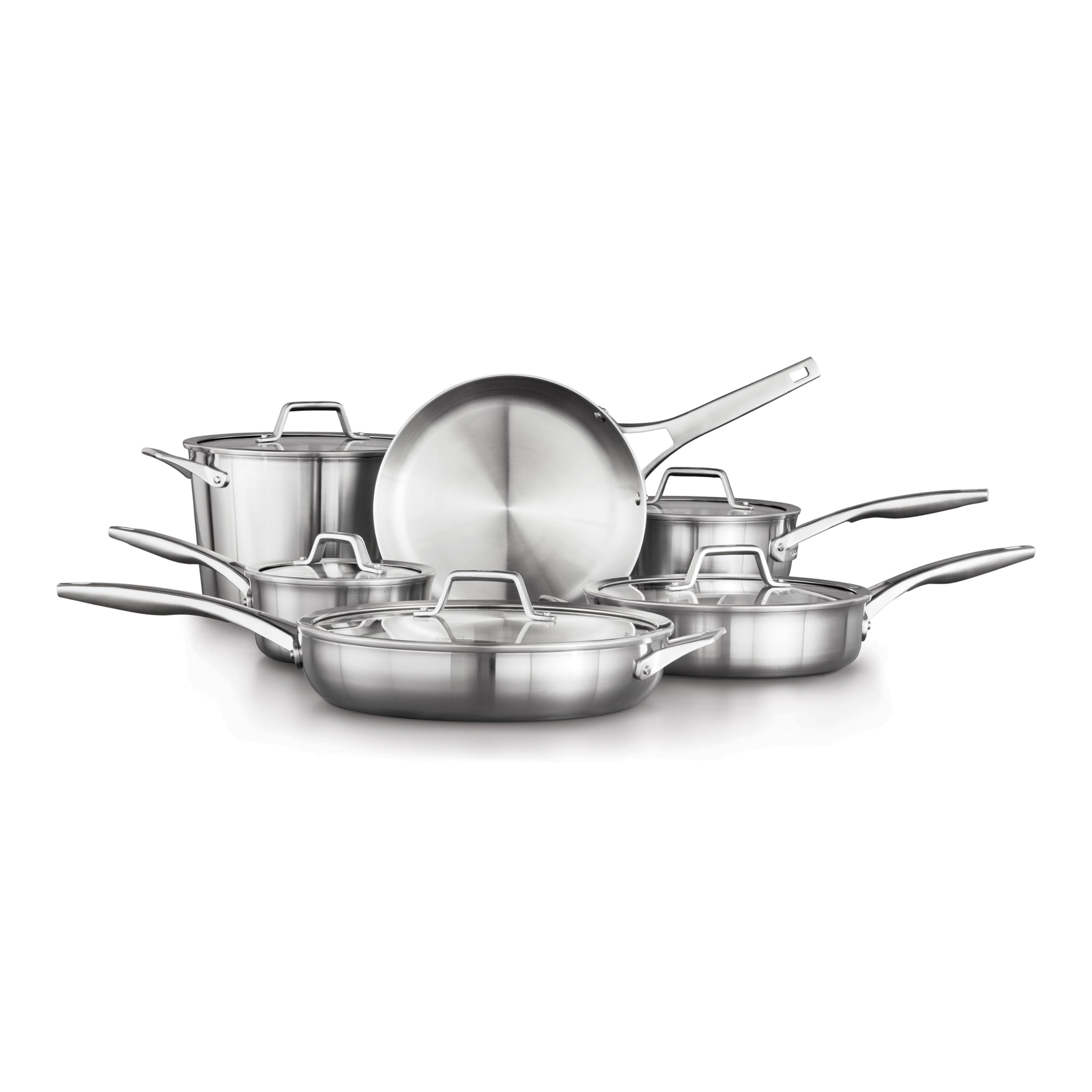
Have you ever wondered if your Calphalon Kitchen Essentials cookware can safely go in the oven? If you’re like many home cooks, you want to make the most of your kitchen tools without risking damage or accidents.
Knowing the oven safety of your cookware can save you time and money, and keep your meals delicious. You’ll discover exactly what you need to know about using Calphalon Kitchen Essentials in the oven—so you can cook confidently and get the best results every time.
Keep reading to unlock the full potential of your cookware!

Credit: www.ebay.com
Calphalon Kitchen Essentials Overview
Calphalon Kitchen Essentials offers a collection of cookware designed for everyday cooking. These products focus on durability and ease of use. They include pots, pans, and bakeware made from quality materials.
The line is popular for its nonstick surfaces and sturdy construction. Many cooks appreciate how well the pieces perform on the stovetop. Some items also promise oven safety, but details vary by product.
Materials Used In Calphalon Kitchen Essentials
The cookware often uses hard-anodized aluminum. This material heats evenly and resists scratches. Nonstick coatings help with easy food release and cleaning.
Handles are usually made of stainless steel or heat-resistant materials. This design helps with safe handling during cooking.
Oven Safety Features
Many pieces can go in the oven up to a certain temperature. The limit depends on the handle and coating type. Always check the product guidelines before placing cookware in the oven.
Types Of Cookware In The Collection
- Frying pans and skillets
- Saucepans and pots
- Bakeware like roasting pans
- Griddles and specialty pieces
Care And Maintenance Tips
- Use soft sponges for cleaning nonstick surfaces
- Avoid metal utensils to prevent scratches
- Hand wash to extend cookware life
- Follow temperature limits for oven use
Materials Used In Calphalon Cookware
Calphalon cookware uses quality materials designed for durability and performance. These materials affect how well the cookware handles heat and if it can go in the oven. Understanding these components helps you use your kitchen tools safely and effectively.
Anodized Aluminum
Calphalon often uses hard-anodized aluminum in their cookware. This metal is lightweight and strong. It heats up quickly and spreads heat evenly. The anodizing process makes the surface non-reactive and scratch-resistant. This material can usually handle oven temperatures up to 450°F.
Nonstick Coatings
Many Calphalon pots and pans feature nonstick coatings. These coatings make cooking and cleaning easier. They prevent food from sticking and reduce the need for oil. Most nonstick surfaces are safe for oven use, but only up to a certain temperature, often around 400°F. Avoid using metal utensils to protect the coating.
Handles And Lids
Calphalon handles are made from materials like stainless steel or silicone. Stainless steel handles can typically go in the oven safely at high temperatures. Silicone handles offer heat resistance but usually have lower oven limits. Lids are usually glass or metal. Glass lids allow you to watch food while cooking but may have lower heat tolerance.
Oven Safety Limits
Understanding the oven safety limits of Calphalon kitchen essentials is crucial for safe cooking. These limits help prevent damage to your cookware and avoid accidents. Knowing the maximum temperature and handle heat resistance keeps your kitchen safe.
Maximum Temperature Ratings
Calphalon kitchen essentials have a specific maximum oven temperature. Most pieces safely withstand up to 450°F (232°C). Some items can handle slightly higher temperatures, but it is best to check the product label. Exceeding these limits can warp or ruin the cookware. Always follow the manufacturer's temperature guidelines to keep your cookware in good shape.
Handle Heat Resistance
Handles on Calphalon kitchen tools are designed to resist heat but have limits. Many handles tolerate oven heat up to 400°F (204°C). Beyond this, handles may melt or weaken, causing safety risks. Some models feature metal handles safe for higher temperatures. Avoid using high heat settings if your cookware has plastic or rubber parts on the handles. Use oven mitts as a precaution to protect your hands.

Credit: www.amazon.com
Using Calphalon Cookware In The Oven
Calphalon cookware is a trusted name in many kitchens, known for its durability and versatility. If you love cooking, you've probably wondered if your Calphalon pieces can go from stovetop to oven. Understanding which pieces are oven-safe can open up a world of culinary possibilities, allowing you to sear, bake, and roast with ease. Let’s explore how you can safely use Calphalon cookware in the oven and enhance your cooking experience.
Which Pieces Are Oven Safe
Not all Calphalon cookware is created equal when it comes to oven safety. Generally, most Calphalon non-stick and stainless steel lines are oven-safe, but it's essential to check the specifications of your particular set. Look for the oven-safe symbol on the bottom of the pan or check the manufacturer's guidelines—some pieces can withstand temperatures up to 450°F, while others can endure even higher.
Keep in mind that glass lids typically can’t handle high oven temperatures. If your cookware has a plastic handle, it’s likely not oven-safe. Always double-check to avoid any kitchen mishaps.
Avoiding Common Mistakes
One common mistake is assuming all non-stick cookware is the same. Non-stick coatings can vary significantly, and using them in the oven can sometimes lead to damage if not properly rated for high heat. Ensure that your non-stick Calphalon pieces specifically state they are oven-safe before using them.
Another pitfall is forgetting to preheat the oven. Placing cold cookware in a hot oven can lead to warping or uneven cooking. Always allow your oven to reach the desired temperature before putting in your cookware.
Have you ever accidentally left a rubber spatula in the pan when you put it in the oven? Small oversights like these can lead to ruined tools or even smoke-filled kitchens. Always do a quick check to ensure only oven-safe items are included.
Understanding the capabilities of your Calphalon cookware can help you avoid these common pitfalls, ensuring delicious results every time. Are there other cookware tips you've discovered that have changed your cooking game?
Cleaning And Maintenance After Oven Use
After using your Calphalon Kitchen Essentials in the oven, cleaning and maintenance become key to keeping your cookware in top shape. Oven use can leave stubborn residues and cause wear that, if ignored, shortens the life of your pans. Taking a few simple steps right after cooking can save you time and money down the road.
Proper Cleaning Techniques
Start by letting your cookware cool down naturally. Plunging a hot pan into cold water can cause warping or damage. Once cooled, use warm water and mild dish soap to clean the surface.
Avoid harsh scrubbers or steel wool, as these can scratch the nonstick coating. Instead, opt for a soft sponge or cloth. If food is stuck, soak the pan in warm, soapy water for 15-20 minutes before wiping.
Have you ever noticed a residue that just won’t come off? Try a paste of baking soda and water applied gently with a sponge. It works wonders without harming the surface.
Extending Cookware Lifespan
Dry your Calphalon cookware thoroughly after washing to prevent water spots and rust. Store your pans with care—avoid stacking them directly on top of each other without protection, as this can scratch the finish.
Consider using pan protectors or soft cloths between stacked pieces. Regular maintenance, like seasoning certain types of cookware, can also keep the surface smooth and durable.
Have you ever stopped to check your cookware for small chips or scratches after oven use? Addressing these early can prevent bigger problems and keep your kitchen essentials performing like new.

Credit: www.youtube.com
Alternatives For High-heat Cooking
Cooking at high temperatures needs the right tools. Calphalon kitchen essentials often have limits on oven use. Choosing the right cookware can prevent damage and keep food tasty. Here are some alternatives for high-heat cooking that work well in ovens.
Oven-safe Cookware Options
Some cookware is designed to handle high oven heat without problems. Materials like cast iron, stainless steel, and heavy-duty ceramic are good choices. They can withstand temperatures above 500°F. Nonstick pans with oven-safe labels also work but check the max heat first.
- Cast iron skillets and Dutch ovens hold heat well.
- Stainless steel pans resist warping at high temperatures.
- Ceramic and stoneware bakeware offer even cooking.
- Glass dishes safe up to 450°F for casseroles and roasting.
When To Avoid Calphalon In Oven
Not all Calphalon products suit oven use. Avoid Calphalon pans with plastic handles or lids. These parts can melt or warp under heat. Some nonstick coatings degrade past certain temperatures. Always check the manufacturer’s instructions. Using Calphalon beyond its limits can shorten its life.
Frequently Asked Questions
Can Calphalon Kitchen Essentials Cookware Go In The Oven?
Yes, most Calphalon Kitchen Essentials cookware is oven-safe up to 450°F. Always check specific product guidelines before use.
Are The Handles Oven-safe On Calphalon Essentials Pans?
Calphalon Essentials pans have oven-safe handles made from materials that withstand heat up to 450°F safely.
Can I Use Calphalon Essentials Cookware Under The Broiler?
No, Calphalon Kitchen Essentials cookware is not recommended for use under a broiler as it may damage the finish.
What Is The Maximum Oven Temperature For Calphalon Essentials?
The maximum oven temperature for Calphalon Kitchen Essentials cookware is 450°F. Exceeding this can damage the cookware.
Conclusion
Calphalon Kitchen Essentials can usually go in the oven, but check the label first. Most pieces handle heat well up to certain temperatures. Avoid sudden temperature changes to keep your cookware safe. Using them in the oven can help cook food evenly.
Always follow the care instructions to extend their life. Oven use adds convenience without risking damage if done right. Now you know how to use your Calphalon cookware safely. Enjoy cooking with confidence!