

Are you wondering if your chickens can safely eat the leftovers from your kitchen? Feeding your flock kitchen scraps might seem like a great way to reduce waste and save money.
But before you toss those peels and bits into their coop, it’s important to know what’s safe and what could harm your birds. You’ll discover the best kitchen scraps for your chickens, what to avoid, and how to keep your feathered friends healthy and happy.
Keep reading to learn how to turn your kitchen waste into a tasty treat for your flock!

Credit: grubblyfarms.com
Safe Kitchen Scraps For Chickens
Chickens enjoy a variety of kitchen scraps that can boost their diet. Offering safe scraps helps keep them healthy and happy. Not every food is good for chickens, so knowing safe options is key. Here are some safe kitchen scraps to share with your flock.
Fruits And Vegetables
Chickens love fresh fruits and vegetables. These provide vitamins and minerals important for their growth. Safe options include:
- Apples (remove seeds)
- Carrots
- Peas
- Leafy greens like spinach and lettuce
- Melons
- Pumpkin
Avoid citrus fruits and raw potatoes, which can harm chickens.
Grains And Bread
Grains and bread are good energy sources. Chickens enjoy:
- Cooked rice
- Oats
- Whole grain bread in small amounts
Do not feed moldy or stale bread. Avoid too much bread to prevent weight gain.
Cooked Vs. Raw Foods
Cooked foods are easier to digest and safer. Cooking kills harmful bacteria. Examples include cooked vegetables and grains.
Raw fruits and vegetables are fine but wash them well. Avoid raw beans and raw potatoes. Always remove any spoiled parts before feeding.
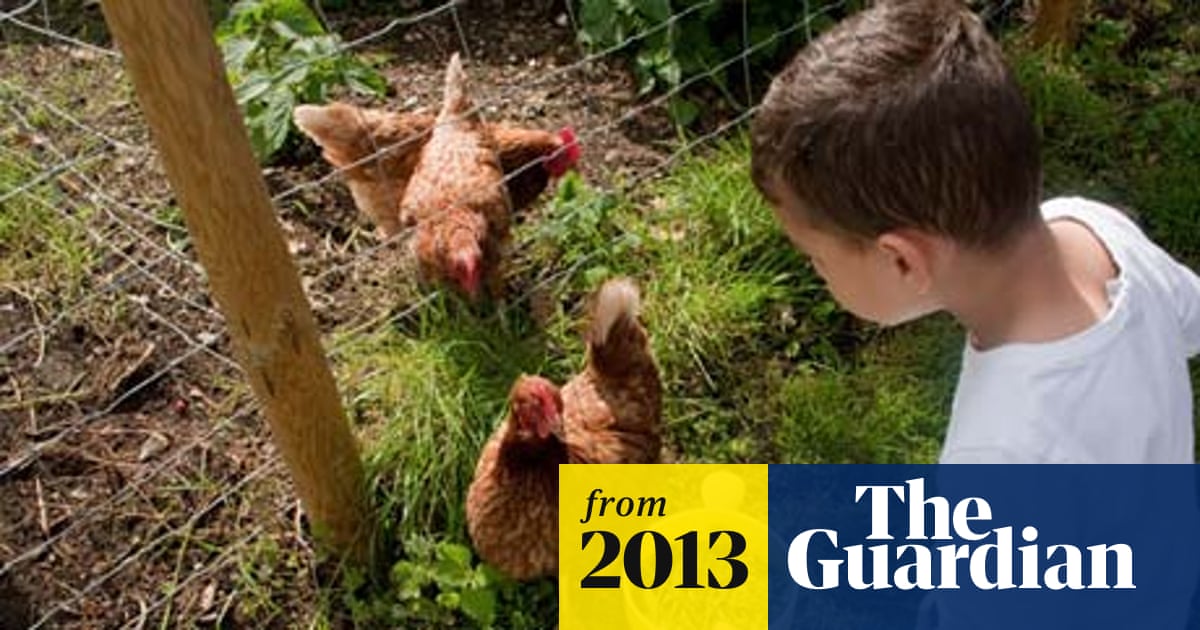
Credit: www.theguardian.com
Foods To Avoid
Not all kitchen scraps are safe for chickens. Some foods can harm their health or cause sickness. Avoid feeding harmful items to keep chickens healthy and happy.
Toxic Vegetables And Fruits
Certain vegetables and fruits contain toxins that are dangerous for chickens. Avoid feeding:
- Onions – can cause anemia and weakness
- Avocado – contains persin, which is toxic
- Green potatoes and potato peels – have solanine
- Rhubarb leaves – contain oxalic acid harmful to chickens
- Raw beans – contain harmful lectins
Processed And Salty Items
Processed foods often have salt, sugar, and preservatives. These can upset chickens’ digestion and cause health problems. Avoid giving:
- Chips and snacks
- Processed meats
- Salty leftovers
- Sweets and baked goods
Spoiled Or Moldy Scraps
Spoiled food can contain bacteria and mold toxins. These are very harmful to chickens. Always check scraps for freshness. Never feed:
- Moldy bread or fruits
- Rotten vegetables
- Expired leftovers
Benefits Of Feeding Scraps
Feeding kitchen scraps to chickens reduces food waste and saves money. Chickens enjoy diverse nutrients from leftover fruits, vegetables, and grains. This practice supports their health and encourages natural foraging behavior.
Feeding kitchen scraps to your chickens can be an excellent way to enhance their diet while benefiting the environment and your wallet. It's a practice that not only provides a nutritional boost to your flock but also contributes to reducing food waste and lowering feeding costs. Imagine turning leftovers into a resource that your chickens love and benefit from. Let's dive into the benefits of feeding scraps to chickens.
Nutritional Value
Kitchen scraps can offer a variety of nutrients that complement your chickens' regular feed. For example, vegetable peels, fruit bits, and grains provide essential vitamins and minerals. These nutrients support healthy growth and egg production. However, not all scraps are created equal—avoid feeding them processed or spoiled food.
Reducing Food Waste
Consider how much food ends up in your trash. Feeding scraps to chickens transforms waste into a valuable resource, minimizing your environmental footprint. By giving leftovers to your flock, you contribute to a more sustainable lifestyle. It feels rewarding to know that what could have been waste is now nourishing your animals.
Cost-effective Feeding
Feeding scraps can significantly cut down on feed costs. Every bit of leftover food you provide reduces the amount of commercial feed needed. This practice is especially beneficial if you have a large flock. Over time, the savings on feed can be substantial, allowing you to allocate resources elsewhere. Have you ever considered the impact of feeding scraps on your chickens' health and your pocket? It's a simple yet effective strategy that benefits everyone involved.
Feeding Tips And Practices
Feeding chickens kitchen scraps can be a smart way to reduce waste and offer variety. Proper feeding tips and practices help keep chickens healthy and happy. Careful attention to portions, timing, and new foods avoids digestive issues and nutritional imbalances.
Portion Control
Keep kitchen scraps to a small part of the diet. Too many scraps can upset digestion and reduce appetite for balanced feed. A good rule is to offer scraps as less than 20% of daily feed. Observe chickens to ensure they finish their regular feed first.
Timing And Frequency
Feed scraps at consistent times each day to build routine. Avoid giving scraps late in the evening to prevent leftover food attracting pests. Small amounts once or twice a day work best. Fresh scraps should be offered, and leftovers removed promptly to keep the coop clean.
Introducing New Foods
Introduce new scraps slowly to avoid stomach upset. Start with small pieces and watch for any changes in behavior or droppings. Some foods can be harmful, so research each scrap type carefully before feeding. Remove any foods that cause problems immediately.
Monitoring Chicken Health
Keeping an eye on your chickens’ health is key when feeding them kitchen scraps. Not all leftovers are safe, and even safe foods can sometimes upset their digestion. Watching for early signs of trouble helps you act quickly to keep your flock happy and healthy.
Signs Of Digestive Issues
Look out for unusual droppings—they might be watery, discolored, or have a strong odor. Chickens with digestive problems may also show bloating or a distended belly. Sometimes, you’ll notice a decrease in appetite or weight loss.
I once fed my hens too many citrus peels, and within a day, their droppings changed noticeably. Catching this early helped me adjust their diet and avoid bigger health problems.
Behavior Changes
Changes in behavior can signal that your chickens aren’t feeling well. If they become lethargic, isolate themselves, or stop interacting with the flock, it’s a red flag. Watch for excessive scratching or feather pecking as signs of discomfort too.
One of my hens suddenly stopped coming to the feeding area and stayed quiet for hours. It turned out she was dealing with a mild digestive upset from some leftover bread. Monitoring behavior saved her from a worse condition.
When To Consult A Vet
If digestive issues or behavior changes persist beyond a day or two, it’s time to get professional advice. Severe symptoms like continuous diarrhea, vomiting, or difficulty breathing require immediate veterinary care. Don’t wait—early intervention can prevent serious illness.
Remember, your observations are crucial. You know your chickens best and can spot subtle differences others might miss. How often do you check your flock after introducing new scraps?
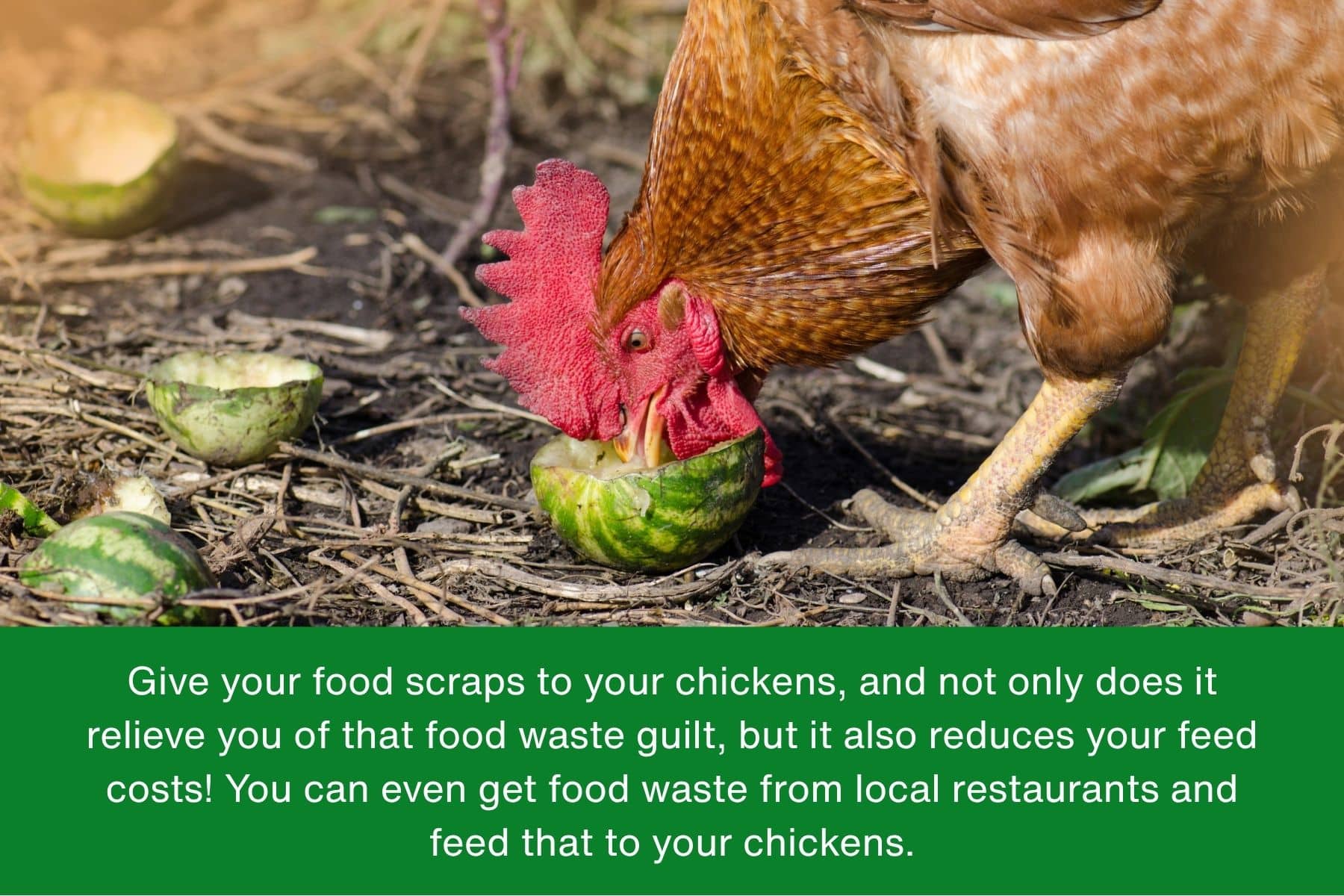
Credit: mobilechickenhouse.com
Alternatives To Kitchen Scraps
Kitchen scraps can be a handy snack for chickens. Still, not all scraps provide balanced nutrition. It is important to explore other feeding options. These alternatives ensure your chickens stay healthy and happy. Here are some good choices besides kitchen leftovers.
Commercial Feed Options
Commercial feeds are made to meet chicken nutritional needs. They come in forms like pellets, crumbles, or mash. These feeds contain protein, vitamins, and minerals. They support growth, egg production, and overall health. Using commercial feed helps avoid nutritional gaps. It also reduces risks from spoiled or harmful scraps.
Supplementary Treats
Treats can add variety to your chickens' diet. Use them in small amounts to avoid health issues. Some safe treats include:
- Cooked rice or pasta
- Oats and grains
- Mealworms or other insects
- Fresh fruit pieces like berries or melon
Treats boost chickens' energy and keep them active. Always check that treats are free from salt, sugar, or spices.
Garden-grown Foods
Growing food for your chickens is cost-effective and fresh. Many plants are safe and nutritious for them. Examples include:
- Leafy greens like spinach and kale
- Herbs such as parsley and basil
- Vegetable scraps like carrot tops and cucumber peels
- Grass and clover
Garden foods provide fiber and natural nutrients. They also encourage foraging behavior, which is good for chickens' well-being.
Frequently Asked Questions
Can Chickens Eat All Types Of Kitchen Scraps?
No, chickens can eat many kitchen scraps like vegetable peels and fruit. Avoid spoiled, salty, or sugary foods. Also, never feed them onions, garlic, or raw beans, as these can be harmful to their health.
Are Kitchen Scraps Healthy For Chickens?
Yes, kitchen scraps add variety and nutrients to chickens’ diets. They provide vitamins and minerals missing from regular feed. However, scraps should only supplement a balanced chicken feed, not replace it.
How Often Should I Feed Chickens Kitchen Scraps?
Feed kitchen scraps to chickens a few times per week. Too many scraps can cause digestive issues or unbalanced nutrition. Always offer fresh water and maintain their regular feed schedule.
Can Kitchen Scraps Attract Pests To Chicken Coops?
Yes, leftover kitchen scraps can attract pests like rats, raccoons, and flies. To prevent this, feed scraps in moderation and clean up leftovers promptly. Use secure feeders to minimize waste and pest problems.
Conclusion
Chickens can eat many kitchen scraps safely. Avoid giving them anything spoiled or toxic. Fruits, vegetables, and grains make good treats. Keep scraps fresh and feed in small amounts. This helps chickens stay healthy and happy. Always watch how they react to new foods.
Using scraps reduces waste and saves money. A simple way to care for your flock. Remember, balance is key for their diet. Feeding scraps right supports strong, active chickens.