
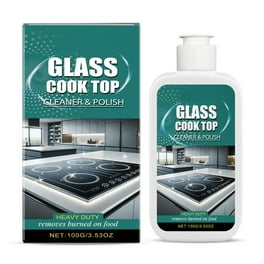
Are you wondering if CLR Bath and Kitchen cleaner is safe to use on your oven? You want your oven sparkling clean, but you also want to avoid damaging it.
Using the wrong cleaner can cause problems you don’t want to deal with. You’ll discover whether CLR Bath and Kitchen is the right choice for your oven and learn the best way to clean it without risking harm. Keep reading to protect your appliance and get it looking its best!
Clr Bath And Kitchen Overview
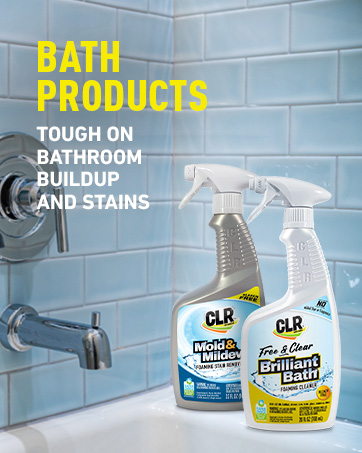
CLR Bath and Kitchen is a popular cleaning product known for tackling tough stains and buildup in household areas. It promises to remove hard water deposits, soap scum, and rust stains effectively. But before you reach for it to clean your oven, understanding its composition and recommended uses is essential.
Key Ingredients
CLR Bath and Kitchen contains a blend of active ingredients designed to break down mineral deposits and stains quickly.
- Water– serves as the main solvent, helping to dissolve other ingredients.
- Lactic Acid– targets calcium, lime, and rust, dissolving these stubborn deposits.
- Gluconic Acid– works gently on surfaces while enhancing cleaning power.
- Surfactants– help lift and remove grease and grime.
This combination makes CLR Bath and Kitchen powerful against buildup, but also means it’s formulated specifically for certain surfaces.
Intended Uses
CLR Bath and Kitchen is made for cleaning bathroom and kitchen surfaces where mineral buildup and soap scum are common.
- Bathroom sinks, tubs, and showers
- Kitchen sinks and countertops
- Faucets and fixtures
- Tough stains on ceramic, porcelain, and stainless steel
It’s not designed for appliances like ovens, which often have sensitive finishes and different types of residue. Using CLR on your oven might damage its surface or leave harmful residues. Have you ever tried using a product outside its intended purpose and ended up with unexpected damage? That’s why checking labels and manufacturer guidance matters.

Credit: www.ewg.org
Oven Surface Types
Ovens come with different surface types. Each surface reacts differently to cleaning products like CLR Bath and Kitchen. Knowing the type of oven surface helps choose the right cleaner. It also prevents damage and keeps your oven looking new.
Stainless Steel
Stainless steel ovens are popular for their sleek look. They resist rust and stains well. CLR Bath and Kitchen may harm the protective layer on stainless steel. This can cause dullness or discoloration. Use mild cleaners made for stainless steel instead. Always test any cleaner on a small, hidden area first.
Enamel Coating
Many ovens have an enamel coating inside and outside. Enamel is a hard, smooth surface that resists stains. CLR Bath and Kitchen can be too strong for enamel. It may cause cracks or peeling over time. Use gentle, non-abrasive cleaners for enamel surfaces. Avoid harsh chemicals to keep enamel intact.
Glass And Ceramic
Glass and ceramic oven surfaces need careful cleaning. CLR Bath and Kitchen can etch or cloud glass and ceramic. This damages the smooth finish and makes cleaning harder later. Use cleaners made specifically for glass or ceramic ovens. Soft cloths and gentle scrubbing protect these delicate surfaces.
Suitability Of Clr On Ovens
Considering CLR Bath and Kitchen for cleaning your oven might seem like a quick fix for tough stains. CLR is known for tackling limescale, rust, and calcium buildup effectively. But is it truly suitable for use on ovens? Let’s break down its effectiveness and potential risks so you can decide if it’s the right choice for your kitchen appliance.
Effectiveness On Oven Stains
CLR works best on mineral deposits like limescale and rust, which are common in bathrooms and kitchens. However, oven stains are often grease, burnt food, or carbon buildup, which require different cleaning agents. CLR isn’t formulated to dissolve oily residues or baked-on food, so it may not deliver the deep clean you expect on your oven’s interior.
Many users report that while CLR can remove stubborn rust spots on metal parts like oven racks, it struggles with grease stains. If your oven has mineral deposits from steam or hard water, CLR could help, but it’s less effective for general oven grime. You might find better results using specialized oven cleaners designed to break down carbon and grease.
Potential Risks
Using CLR on your oven carries some risks worth noting. CLR contains acids that can damage sensitive surfaces such as enamel, paint, or certain metals common in ovens. Applying it directly to the oven interior might cause discoloration or corrosion, especially if left on too long.
Another risk is the chemical residue. Ovens reach high temperatures, and leftover CLR residue could release fumes when heated, which is unsafe. You must rinse thoroughly and ensure no cleaner remains before using your oven again.
Have you ever tried a product that promised to clean well but ended up causing more harm? Your oven deserves a cleaner that works without compromising its surface or your health. Sometimes, the safest choice is the one designed specifically for the job.
Credit: www.amazon.com
Safety Precautions
Avoid using CLR Bath and Kitchen cleaner on ovens as it may damage surfaces or leave harmful residues. Always read product labels carefully to ensure safe use. Ventilate the area well and wear gloves to protect your skin during cleaning.
Ensuring safety while cleaning your oven with CLR Bath and Kitchen is crucial. This cleaning product is strong and requires careful handling to avoid any mishaps. Here are some key safety precautions to consider.
Proper Ventilation
Always work in a well-ventilated area. Open windows and doors to allow fresh air. This helps disperse any fumes from the cleaner. Fumes can be strong and irritating without proper airflow.
Protective Gear
Wear protective gear to safeguard your skin and eyes. Gloves and goggles are essential. They prevent direct contact with the cleaning solution. Direct contact can cause irritation or harm.
Avoiding Chemical Reactions
Do not mix CLR with other cleaners. Mixing can cause dangerous chemical reactions. Always read product labels for guidance. Follow instructions closely to prevent accidents.
Alternative Oven Cleaning Methods
Cleaning an oven can be tough without the right products. Some people worry about using harsh chemicals like CLR Bath and Kitchen on ovens. There are safer and effective ways to clean ovens. These alternatives help remove grease and grime without damaging the oven’s surfaces or parts.
Natural Cleaners
Natural cleaners use simple ingredients found at home. Baking soda and vinegar make a great cleaning team. Sprinkle baking soda inside the oven, spray vinegar over it, and wait for fizzing. This reaction breaks down stuck-on food and grease. Lemon juice also helps cut through grease and leaves a fresh smell. Steam cleaning with water can loosen dirt without chemicals. These methods are gentle and safe for most ovens.
Commercial Oven Cleaners
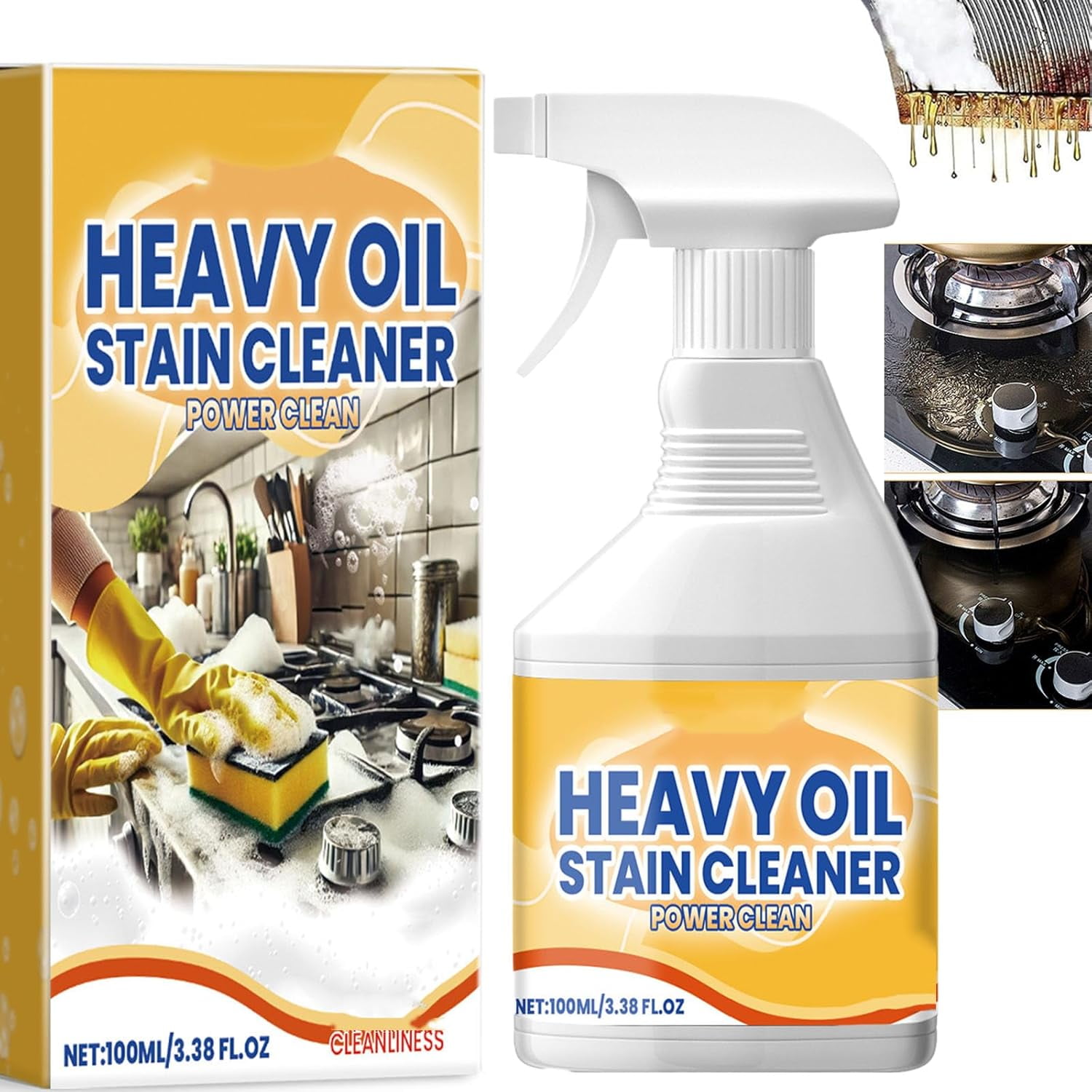
Commercial oven cleaners are made specifically for tough oven messes. They often contain strong ingredients to dissolve burnt food and grease quickly. Always read the label to ensure the product suits your oven type. Use gloves and ventilate the kitchen well. Follow instructions closely to avoid damage or harmful fumes. These cleaners save time and effort but must be used carefully.
Diy Solutions
DIY oven cleaners combine common household items for effective results. Mix baking soda with a little water to create a paste. Spread the paste on oven stains and let it sit overnight. Wipe it away with a damp cloth. Another idea is mixing dish soap with warm water for light cleaning. These DIY options are budget-friendly and avoid harsh chemicals. They give control over what touches your oven.
Credit: www.walmart.com
Step-by-step Cleaning Guide
Cleaning your oven with CLR Bath and Kitchen can be effective if done carefully. This step-by-step guide will help you use CLR safely and efficiently to remove tough grime without damaging your appliance.
Preparation
Start by ensuring your oven is completely cool. Remove all racks and trays to give yourself better access to the surfaces you want to clean.
Wear gloves to protect your skin from the cleaner’s chemicals. Open windows or turn on a fan to keep the area well-ventilated.
Test CLR on a small, hidden spot first. This helps you avoid any unexpected damage or discoloration on your oven’s finish.
Application
Pour a small amount of CLR onto a soft cloth or sponge. Avoid pouring CLR directly onto the oven’s surface to prevent excess liquid from seeping into electrical parts.
Gently rub the stained or greasy areas with the cloth, focusing on spots with baked-on residue. Let the cleaner sit for 2–3 minutes, but do not let it dry.
If stains are stubborn, apply a little more CLR and give it a few extra minutes. Be cautious not to leave CLR on the surface longer than recommended to protect the oven’s finish.
Rinsing And Drying
Use a clean, damp cloth to wipe away all CLR residue. It’s crucial to remove every bit of cleaner to prevent any chemical reactions during oven use.
Dry the surfaces thoroughly with a soft towel. Leaving moisture behind can lead to rust or spots, so ensure your oven is completely dry before replacing racks and turning it back on.
Have you noticed how a well-cleaned oven improves your cooking experience? Taking these careful steps can save you time and keep your oven looking great for years.
When To Seek Professional Help
Knowing when to call in a professional can save you time, money, and frustration. Using CLR Bath and Kitchen on your oven might seem like a quick fix for stubborn grime, but some situations require expert care. Understanding these moments ensures you don’t cause more harm than good.
Signs Of Deep Or Chemical Damage
If your oven shows discoloration, peeling, or unusual smells after cleaning, it’s a red flag. These signs might mean chemical reactions have damaged the surface. Professionals can assess and repair damage safely, preventing further deterioration.
Persistent Stains That Don’t Respond To Cleaning
Have you tried scrubbing with CLR but the stains remain? Some burnt-on messes need specialized tools or treatments. Experts have access to industrial-grade cleaners and techniques that you probably don’t, making the cleaning more effective.
Concerns About Oven Safety And Function
Ovens have sensitive components like heating elements and sensors. If you worry that cleaning products might affect these parts, it’s best to stop and ask for help. Professionals know how to clean without compromising your oven’s safety or performance.
Uncertainty About Product Compatibility
Are you unsure if CLR Bath and Kitchen is safe for your oven’s material? Instead of risking damage, consulting a professional can give you peace of mind. They can recommend the right cleaners or alternative methods tailored to your oven type.
When Diy Cleaning Feels Overwhelming
Sometimes, the mess or the effort needed is just too much. If you feel stuck or overwhelmed, reaching out to a cleaning specialist can be a smart move. They handle tough jobs efficiently, so you don’t have to stress or risk mistakes.
Frequently Asked Questions
Can Clr Bath And Kitchen Clean Oven Surfaces Safely?
CLR Bath and Kitchen is designed for bathroom and kitchen surfaces, not ovens. Using it on ovens may cause damage or discoloration. Always check the oven manufacturer’s cleaning guidelines before applying any cleaner.
Is Clr Bath And Kitchen Effective For Oven Grease Removal?
CLR Bath and Kitchen is formulated to remove soap scum and mineral deposits, not heavy oven grease. For oven grease, specialized oven cleaners are more effective and safer.
Can Clr Bath And Kitchen Harm Oven Finishes?
Yes, CLR Bath and Kitchen may harm certain oven finishes. Its acidic ingredients can discolor or corrode oven surfaces, especially self-cleaning or enamel coatings.
What Cleaner Is Recommended For Oven Cleaning Instead Of Clr?
Use oven-specific cleaners or natural solutions like baking soda and vinegar. These options are safer and more effective for removing oven grime without damage.
Conclusion
CLR Bath and Kitchen can clean some oven parts safely. Avoid using it on oven surfaces that get very hot. Always read the label before applying any cleaner. Test a small area first to see any reaction. Use gloves to protect your skin during cleaning.
Rinse well to remove all residue after use. Clean your oven regularly to keep it working well. Simple steps make oven cleaning easier and safer. Choose the right cleaner for the best results. Take care, and your oven will stay clean longer.