
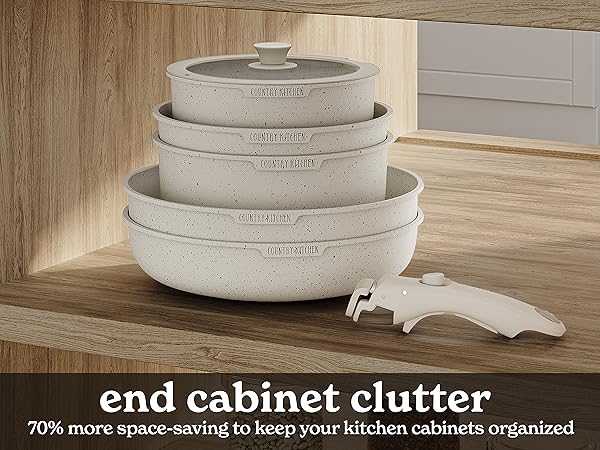
If you love cooking with your Country Kitchen pans, you’ve probably wondered—can these pans go in the oven? Knowing the answer can save your favorite cookware from damage and help you make the most of your meals.
You’ll discover exactly how to use your Country Kitchen pans safely and effectively in the oven. Keep reading to avoid costly mistakes and unlock new cooking possibilities with your trusted pans.

Credit: www.amazon.com
Country Kitchen Pans Material
Country Kitchen pans come in various materials. Each material offers different benefits and limits. Knowing the pan’s material helps decide if it suits oven use. It also affects cooking performance and durability.
Common Materials Used
- Aluminum: Lightweight and heats quickly. Often has a non-stick coating.
- Stainless Steel: Durable and resistant to rust. Usually heavier than aluminum.
- Cast Iron: Excellent heat retention. Requires seasoning and care.
- Non-stick Coated: Easy to clean. Coating may limit oven temperature.
- Ceramic: Natural non-stick surface. Can be fragile if dropped.
Heat Resistance Properties
Each material handles heat differently. Aluminum pans usually resist heat up to 400°F. Stainless steel can tolerate up to 500°F or more.
Cast iron pans handle very high temperatures, often over 600°F. Non-stick coatings may start to break down above 350°F. Ceramic pans vary but generally resist moderate oven heat.
Handles and lids also affect heat resistance. Plastic or wooden handles may not be oven-safe. Metal handles often withstand higher oven temperatures.

Credit: circulon.uk.com
Oven Compatibility
Understanding the oven compatibility of Country Kitchen pans is essential before you decide to use them for baking or roasting. Not all pans are designed to withstand oven heat, and knowing the limits can save your cookware from damage. Let’s look closer at what makes these pans safe or risky for oven use.
Safe Temperature Limits
Country Kitchen pans generally handle moderate oven temperatures well, but you should always check the manufacturer's guidelines. Most pans can safely go up to 350°F (175°C), but some might tolerate higher heat.
If you push the temperature beyond the recommended limit, the pan's coating or material may warp or degrade. Have you ever noticed discoloration or warping after oven use? That’s a clear sign the pan wasn’t meant for that heat level.
To be safe, avoid using these pans under broilers or at extremely high temperatures. If you want to bake something at 400°F or above, consider using an oven-safe alternative.
Handles And Lids Considerations
Handles and lids play a big role in determining if your Country Kitchen pan is oven-friendly. Plastic or wooden handles typically cannot take high oven heat and might melt or crack.
Metal handles are usually safer, but even then, check if they have any silicone grips that could be damaged. Lids, especially glass ones, may also have temperature limits; sudden temperature changes can cause them to shatter.
- Always remove lids before placing pans in the oven if you’re unsure about their oven safety.
- Use oven mitts to handle hot pans, even if the handles are metal—they can get extremely hot.
Have you ever tried putting a pan with plastic handles in the oven and ended up with a mess? It’s a common mistake but easy to avoid with a quick check.
Potential Risks In Oven Use
Using country kitchen pans in the oven can be risky. These risks can affect the pan's durability and your safety. Understanding these risks helps in making informed decisions.
Warping And Damage
Heat can cause some pans to warp. Warping affects cooking results and pan stability. It happens when materials expand unevenly. Thin or low-quality pans warp easily. Warped pans can also damage oven racks. Always check the pan's material and thickness before use.
Toxic Fumes And Safety Hazards
Some pans release fumes when heated. Nonstick coatings can break down under high heat. These fumes may be harmful if inhaled. Ensure your pan is oven-safe up to a specified temperature. Check the manufacturer's guidelines for safe use.
Safety Tips For Oven Use
Using Country Kitchen pans in the oven requires care to ensure safety and maintain the pan's quality. Follow simple tips to prevent accidents and damage. Understanding oven use helps protect hands, cookware, and your kitchen.
Preheating Guidelines
Avoid placing the pan in a cold oven. Always preheat the oven to the desired temperature first. This prevents thermal shock, which can crack or warp the pan. Gradual heating keeps the cookware safe and extends its life.
Proper Placement In Oven
Place the pan on the middle rack for even heat. Avoid putting it too close to the heating element. Make sure the pan sits flat to prevent spills. Keep space around the pan to allow hot air to circulate.
Using Oven Mitts And Protection
Always use thick oven mitts when handling hot pans. Country Kitchen pans can become very hot quickly. Protect your hands and arms from burns by wearing long mitts. Use a sturdy trivet or heat-resistant surface to set down hot pans safely.
Alternatives For Oven Cooking
Choosing the right cookware for oven use is important. Some pans may not handle heat well or could get damaged. Knowing your options helps protect your kitchen tools and ensures better cooking results.
There are many types of cookware designed specifically for oven cooking. These alternatives offer safety, durability, and even heat distribution. They make cooking in the oven easier and safer.
Oven-safe Cookware Options
- Cast Iron:Excellent heat retention and perfect for searing and baking.
- Stainless Steel:Durable and resistant to rust, good for roasting and baking.
- Ceramic:Safe for oven use and provides even cooking.
- Glass Bakeware:Ideal for casseroles and baked dishes, transparent for easy monitoring.
- Silicone Molds:Flexible and safe for moderate oven temperatures.
When To Avoid Using Country Kitchen Pans
- If the pan has plastic handles or parts, avoid oven use.
- Non-stick coatings may degrade under high oven heat.
- Thin metal pans can warp or lose shape in the oven.
- Check the manufacturer's instructions for temperature limits.
- Rust or damage on pans means they should not go in the oven.

Credit: www.amazon.com
Frequently Asked Questions
Can Country Kitchen Pans Be Used In The Oven?
Yes, most Country Kitchen pans are oven-safe. Always check the manufacturer's guidelines for maximum temperature limits before use.
What Is The Maximum Oven Temperature For Country Kitchen Pans?
Country Kitchen pans typically withstand temperatures up to 450°F. Exceeding this can damage the pans or their coating.
Are Country Kitchen Pans Safe For Baking?
Yes, Country Kitchen pans are designed for baking and roasting. They distribute heat evenly for consistent cooking results.
Can I Use Country Kitchen Pans Under A Broiler?
Using Country Kitchen pans under a broiler is not recommended. High direct heat may warp or damage the pans.
Conclusion
Country Kitchen pans can usually go in the oven safely. Check the pan’s material and manufacturer instructions first. Avoid placing pans with plastic or wooden handles in high heat. Oven use helps cook food evenly and adds great flavor. Use proper care to keep your pans lasting longer.
Oven-safe pans bring convenience to everyday cooking. Always watch the temperature limits to prevent damage. Enjoy cooking your meals with confidence and ease. Simple steps protect your pans and improve your kitchen experience.