
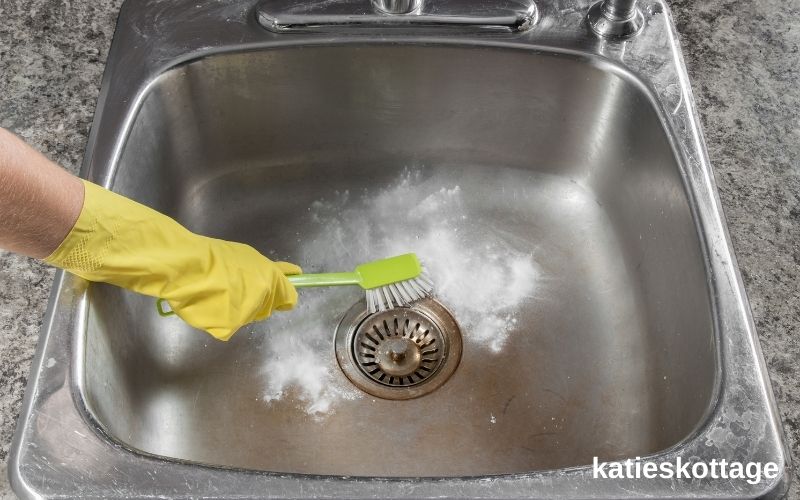
Have you ever wondered if the dishwashing liquid soap you use every day could actually clog your kitchen sink drain? It’s a question many homeowners don’t think about until the water starts to drain slowly—or not at all.
You might be surprised to learn how something as simple as your favorite soap can affect your plumbing. Keep reading to find out the truth behind dishwashing liquid soap and kitchen sink clogs, and discover easy tips to keep your drains flowing smoothly.
This could save you time, money, and a lot of frustration.
How Dishwashing Soap Works
Understanding how dishwashing soap works can help you see why it might or might not cause clogs in your kitchen sink drain. The soap’s main job is to break down grease and food residues on your dishes so they rinse away easily. But what exactly is inside dish soap, and how does it interact with greasy messes you wash off your plates?
Ingredients In Dish Soap
Dishwashing liquids usually contain a mix of several key ingredients:
- Surfactants:These are the main cleaning agents that reduce surface tension and lift grease.
- Foaming agents:They create bubbles that help trap dirt and grease.
- Preservatives and fragrances:Added to keep the soap fresh and smelling pleasant.
- Thickeners:To give the soap a nice consistency and make it easy to use.
Knowing these ingredients lets you understand what happens when dish soap meets grease in your sink.
Soap And Grease Interaction
Grease and oil are hydrophobic, meaning they don’t mix with water on their own. Dish soap changes that by surrounding grease particles and breaking them into smaller pieces that can be washed away.
When you pour dish soap down the drain with greasy water, the soap molecules attach to the grease. This creates tiny droplets that float freely in water instead of sticking to pipes. However, if too much grease builds up or the soap dries out, residues can stick inside your pipes, causing blockages.
Have you ever noticed slippery residue left behind after washing dishes by hand? That’s the soap doing its job, but it can also mean some grease is clinging to your drain’s insides if not rinsed well. This balance between cleaning and clogging is key to keep your kitchen sink flowing smoothly.
Common Causes Of Sink Clogs
Sink clogs can sneak up on you, often caused by everyday kitchen habits. Understanding the usual culprits helps you prevent blockages before they disrupt your routine. Let's look at the most common causes that might be lurking in your kitchen drain.
Food Particles And Debris
Small bits of food often slip down the drain during washing. Over time, these particles accumulate and form a stubborn blockage. You might think rinsing with water is enough, but leftover scraps can stick to the pipe walls and attract more debris.
Have you ever noticed slow drainage after washing dishes? That’s a sign food debris is building up inside. Using a sink strainer can catch these particles before they cause trouble.
Grease And Oil Buildup
Pouring grease or oil down the sink seems harmless at first, but it quickly causes clogs. Fat cools and solidifies, lining your pipes with a sticky residue. This layer traps other waste, narrowing the drain passage.
Think about the last time you washed a greasy pan. Did you rinse it with hot water right away? Even hot water only pushes grease further down, where it hardens again. Collect grease in a container and dispose of it properly to avoid this problem.
Hair And Soap Scum
Hair isn’t just a bathroom problem; it can clog kitchen drains too, especially if you have pets shedding nearby. Along with soap scum, which forms a slippery film inside pipes, these substances combine to slow water flow. Soap scum sticks to hair and debris, creating a tough clog.
Regularly cleaning your sink and using less soap can reduce scum buildup. Have you noticed a slimy residue after washing dishes? That’s soap scum accumulating, and it needs attention before it blocks your drain.
Can Dish Soap Cause Clogs?
Can dish soap cause clogs in your kitchen sink drain? It’s a common question for many homeowners who want to keep their plumbing running smoothly. While dish soap is designed to break down grease and food particles, under certain conditions, it might contribute to drainage issues.
Soap Residue And Build-up
Dish soap can leave behind a thin layer of residue in your pipes. Over time, this soap residue can mix with grease and food scraps, creating a sticky buildup. This combination can narrow the drain's pathway, slowing water flow and eventually causing clogs.
Think about the last time you noticed your sink draining slowly. Could soap residue be part of the problem? Regular rinsing with hot water after washing dishes helps minimize this buildup.
Role Of Soap Concentration
The concentration of dish soap you use matters. Using too much soap increases the amount of residue left behind. Concentrated soaps are thicker and can cling more to pipe surfaces.
Try using just enough soap to create suds without overdoing it. Diluting the soap with water before pouring it into the sink can also reduce residue risks. Have you ever noticed less clogging after cutting back on soap usage?
Comparison With Other Cleaners
Compared to other household cleaners, dish soap is generally less likely to cause severe clogs. Heavy-duty cleaners like grease removers or chemical drain cleaners can cause more damage or buildup if used improperly.
However, natural build-up from soap combined with grease can be just as troublesome over time. Choosing mild, biodegradable dish soaps and following good drain maintenance practices can keep your pipes clear. Are you paying enough attention to the types of cleaners you use and their impact on your plumbing?
Credit: www.thekitchn.com
Preventing Kitchen Sink Clogs
Preventing kitchen sink clogs helps keep your plumbing working well. Clogs cause slow drainage and bad smells. Simple habits stop buildup and blockages. Use these tips to protect your sink and pipes.
Proper Disposal Of Grease
Never pour grease or oil down the drain. They cool and harden, causing blockages. Instead, pour grease into a container and throw it in the trash. Wipe greasy pans with paper towels before washing. This stops grease from sticking inside pipes.
Using Hot Water And Soap
Run hot water with dishwashing liquid after washing dishes. Hot water melts fats and oils, helping soap wash them away. Keep the water running for a few seconds after scrubbing. This practice clears small grease deposits before they build up.
Regular Drain Maintenance
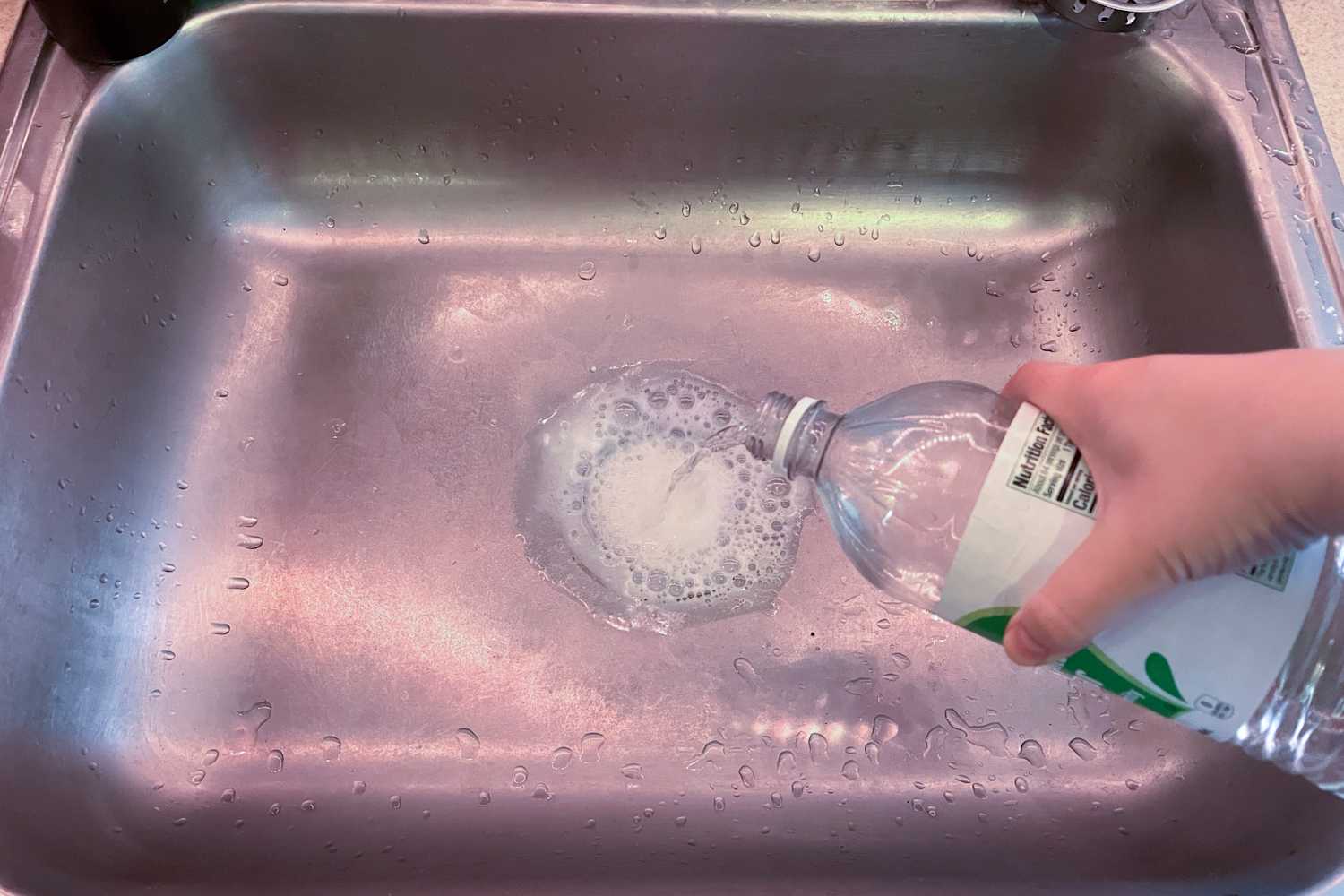
Clean your sink drain regularly to avoid buildup. Use a drain strainer to catch food scraps. Remove trapped debris and clean the strainer often. Pour a mixture of baking soda and vinegar down the drain monthly. Flush with hot water to keep pipes clear and fresh.
When To Call A Professional
Persistent slow draining or bad odors signal a deeper clog issue. Calling a professional helps avoid damage and ensures proper cleaning. Experts can quickly identify if dishwashing soap buildup blocks your sink drain.
When your kitchen sink drain is slow or completely clogged, it can be a frustrating experience. Sometimes, the problem is more than just a simple blockage caused by food debris or grease. If dishwashing liquid soap has been used excessively, it might contribute to the problem. In such cases, knowing when to call a professional can save you time, effort, and possibly prevent further damage.
Signs Of Serious Blockages
Persistent slow drainage is one of the first signs that something more severe might be happening in your pipes. If you notice water pooling and taking a long time to drain, it's a red flag. Unpleasant odors coming from the sink can also indicate trapped food or soap scum buildup that requires professional cleaning. If plungers and drain cleaners aren’t resolving the issue, it might be time to pick up the phone. Unusual gurgling noises when water drains can also signal a deeper problem that needs expert attention.
Diy Vs Professional Help
Trying to fix a clogged drain yourself can be tempting. Simple methods like using a plunger or a drain snake are worth attempting initially. However, if these efforts don't solve the problem, you may need to consider the expertise of a professional plumber. Experts have the tools and experience to identify the exact cause of the clog. They can also provide a long-term solution rather than a temporary fix. By calling in a professional, you can avoid potential complications that might arise from DIY attempts. Ultimately, deciding between DIY and professional help depends on the severity of the clog and your comfort level with handling plumbing issues. Would you rather spend hours on a DIY attempt, or ensure a swift and effective resolution with expert intervention?

Credit: www.snopes.com

Credit: www.youtube.com
Frequently Asked Questions
Can Dishwashing Liquid Soap Cause Sink Drain Clogs?
Dishwashing liquid soap alone rarely clogs kitchen sinks. It dissolves grease and food particles effectively. However, combined with grease and debris, it may contribute to buildup over time, potentially causing slow drainage or clogs.
How Does Dish Soap Interact With Grease In Drains?
Dish soap breaks down grease into smaller particles, helping water wash it away. But excessive grease mixed with soap can solidify in pipes. This mix can accumulate and eventually clog the kitchen sink drain.
Can Using Too Much Dish Soap Block The Kitchen Drain?
Using excessive dish soap can create thick suds that trap food debris. These suds may slow water flow and contribute to drain buildup. Moderate soap use and regular drain cleaning prevent potential blockages.
What Ingredients In Dish Soap Affect Sink Drainage?
Ingredients like surfactants in dish soap break down oils and grease. Some soaps contain additives that may leave residue. Choosing a biodegradable, grease-cutting soap helps maintain clear kitchen sink drains.
Conclusion
Dishwashing liquid soap usually does not clog kitchen drains alone. Grease and food bits cause most blockages. Using hot water helps wash soap and grease away. Avoid pouring large grease amounts down the sink. Regular cleaning keeps drains clear and working well.
Small soap amounts rinse off easily with water. Taking simple care prevents costly drain problems later. Keep your kitchen sink flowing smoothly every day.