
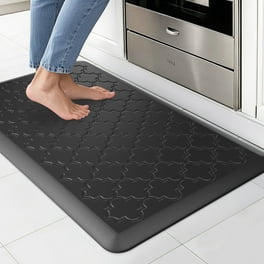
Have you ever wondered if the gel mats you use in your kitchen could also work in your bathroom? If you’re looking for a soft, slip-resistant surface that makes standing for long periods more comfortable, gel mats might seem like a perfect solution.
But before you switch rooms, it’s important to know how these mats handle moisture, hygiene, and durability in a bathroom setting. Keep reading to discover whether your kitchen gel mat can really make your bathroom safer and cozier—or if it’s better to choose a mat designed just for that space.
Your feet and safety will thank you.
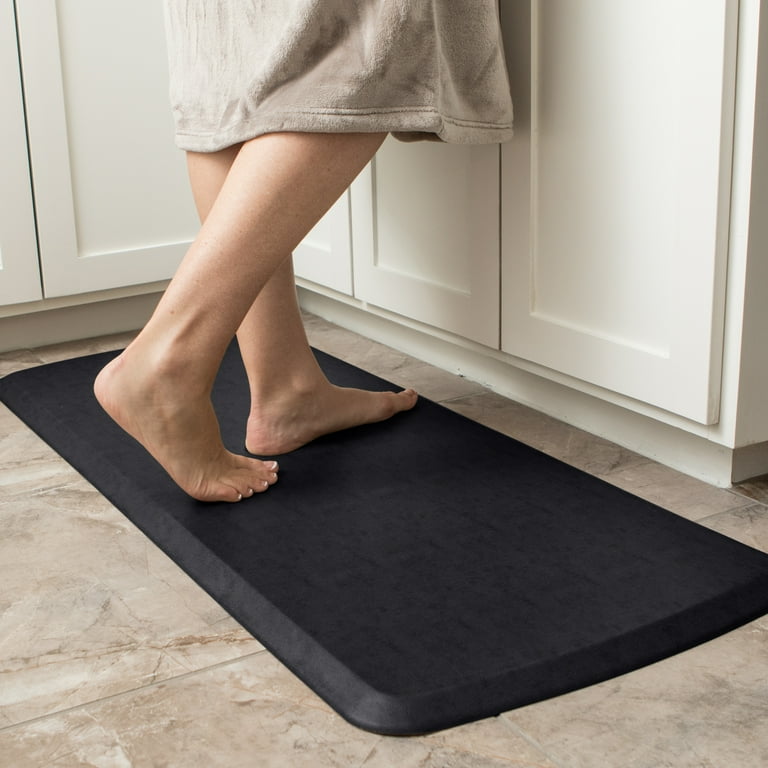
Credit: www.walmart.com
Properties Of Gel Mats
Gel mats have unique features that suit various home areas. Their special properties help decide if they work well in kitchens or bathrooms. Understanding these traits guides the best use and care of gel mats.
Material Composition
Gel mats usually contain a soft gel layer inside a flexible plastic cover. This gel provides cushioning and comfort. The outer material often resists stains and is easy to clean. These mats combine softness with a smooth surface to support feet comfortably.
Durability And Flexibility
Gel mats can bend and stretch without damage. Their flexibility helps them fit different floor shapes. They last long even with daily use. The gel inside does not break down quickly, keeping the mat functional over time.
Water Resistance
Gel mats resist water well, making them useful in wet areas. Water does not soak into the mat, preventing mold and mildew. This trait also makes cleaning simple and fast. The water resistance helps maintain the mat’s look and function in moist places.
Gel Mats In Kitchen Settings
Gel mats have become a popular choice in many kitchens, offering comfort and practicality. They are designed to reduce fatigue for those who spend long hours standing while cooking or cleaning. But what makes them so effective in kitchen settings? Let’s explore their common uses, benefits, and how to keep them clean.
Common Uses
Gel mats are mostly placed in front of sinks, stoves, or prep areas where you stand the longest. Their soft surface helps ease pressure on your feet, legs, and back. Many home cooks swear by them for reducing discomfort during meal prep or dishwashing sessions.
Have you noticed how much time you actually stand in the kitchen? Using a gel mat can change that experience completely by adding a cushioned layer beneath your feet.
Benefits For Kitchen Floors
Besides comfort, gel mats protect kitchen floors from spills and stains. Their non-slip backing keeps them firmly in place, reducing the risk of slips or falls. This can be especially helpful in busy kitchens where accidents happen often.
Gel mats also help preserve flooring surfaces by absorbing impact from dropped utensils or pots. This means your hardwood, tile, or vinyl floors stay looking newer for longer.
Cleaning And Maintenance
Keeping gel mats clean is simple and quick. Most mats can be wiped down with a damp cloth or mild soap solution. Avoid harsh chemicals that might degrade the gel material over time.
If you have pets or kids, regular cleaning prevents dirt and grime buildup. You might even find that routine care extends the life of your mat, saving you money in the long run.
Suitability For Bathroom Use
Considering gel mats designed for the kitchen in your bathroom might seem convenient, but their suitability depends on several factors. Bathrooms are high-moisture environments with different safety needs compared to kitchens. Understanding how gel mats perform under these conditions will help you decide if they’re a good fit for your bathroom space.
Moisture And Humidity Considerations
Bathrooms are constantly exposed to steam, water splashes, and high humidity. Gel mats made for kitchens might not be fully waterproof or resistant to prolonged moisture. This can cause the mat to degrade faster or become a breeding ground for bacteria.
If your gel mat isn’t specifically designed to handle damp conditions, you might notice it getting slippery or sticky over time. Check the product details for water resistance or waterproof labels before placing it in your bathroom.
Slip Resistance On Wet Surfaces
Slip resistance is crucial in a bathroom where floors often get wet. Kitchen gel mats usually have some grip, but their texture might not be enough to prevent slipping on wet tiles or around the shower area.
Look for mats with anti-slip backing and a textured surface to improve safety. If your gel mat feels smooth or shiny, it might increase the risk of falls rather than reduce it. Safety should always come first when choosing a bathroom mat.
Mold And Mildew Resistance
Constant moisture can lead to mold and mildew buildup, especially on mats that trap water underneath. Gel mats not designed for bathrooms may lack antimicrobial treatments that prevent fungal growth.
Using a gel mat without mold resistance can cause unpleasant odors and health issues over time. Ensure the mat is easy to clean and dries quickly. You might want to air it out regularly or avoid placing it in spots where water pools.

Credit: www.amazon.com
Comparing Kitchen And Bathroom Needs
Gel mats designed for kitchens offer good grip and comfort, but bathrooms need extra water resistance. Choosing mats that prevent slipping and handle moisture well is key for bathroom safety. Understanding these differences helps decide if kitchen gel mats suit bathroom use.
When you're choosing accessories for your home, it's common to wonder if a versatile product like a gel mat can serve multiple purposes. The kitchen and bathroom are two of the most frequented areas, each with unique needs. Let's explore how gel mats perform in these distinct environments.
Surface Compatibility
The first thing to consider is the type of surface where you'll use the mat. Kitchen floors often feature tiles, hardwood, or vinyl, offering a relatively smooth and even surface for gel mats. In contrast, bathroom floors might include ceramic tiles with more intricate designs or even textured surfaces to prevent slips. You might find that a gel mat works well in the kitchen but doesn't adhere as effectively in a bathroom with these characteristics. Would you feel secure using a gel mat on a slippery bathroom floor?
Safety Requirements
Safety is paramount, especially in areas prone to moisture. Kitchens can have occasional spills, but bathrooms are consistently wet and humid. Gel mats designed for kitchens might lack the necessary grip for a bathroom environment, increasing the risk of slips. It's vital to ensure the mat has a non-slip backing if you decide to use it in the bathroom. Prioritize your safety and consider if the mat meets the specific demands of each room. Have you ever experienced a fall due to an inadequate mat?
Comfort And Support
Gel mats are celebrated for their comfort, providing relief during long periods of standing. In the kitchen, they help reduce fatigue while cooking or washing dishes. Bathrooms, however, are usually spaces where you spend less time standing still. The requirement for comfort and support may not be as critical. If you love the comfort of a gel mat in the kitchen, consider if it's equally beneficial in a space where you might only need it briefly. Do you really need the same level of comfort in both spaces?
Potential Risks And Limitations
Using gel mats designed for kitchens in the bathroom might seem convenient. Yet, there are several risks and limits to think about before making the switch. Bathrooms have unique conditions that can affect the mat's performance and durability.
Wear And Tear In Bathroom Conditions
Bathroom floors often stay wet or damp for long periods. Gel mats may wear out faster under these conditions. Constant moisture can weaken the mat’s material. It may cause the mat to lose its cushioning and slip resistance. The bathroom’s humidity can also promote mold and mildew growth on the mat. This reduces the mat’s lifespan and safety.
Cleaning Challenges
Gel mats can trap dirt and soap scum easily in bathrooms. Cleaning them thoroughly can be hard. Some mats might not dry quickly after washing. This can lead to bad odors or bacteria buildup. Using harsh cleaners might also damage the gel material. Regular maintenance is necessary but can be time-consuming.
Chemical Exposure Effects
Bathrooms often have strong cleaning chemicals and personal care products. These substances can react with gel mats. Chemicals may cause discoloration or soften the gel surface. The mat could lose its grip and become slippery. Over time, this chemical exposure can shorten the mat’s useful life.
Tips For Using Gel Mats In Bathrooms
Using gel mats in the bathroom can add comfort and safety, but there are some important tips to keep in mind to get the best results. Bathrooms are moist and often slippery, so how you use gel mats can make a big difference in their effectiveness and durability.
Proper Placement
Place your gel mat on a dry, flat surface to ensure it sticks well and doesn’t slide around. Avoid placing it near water sources where it can constantly get soaked, as excess moisture can reduce its grip and lead to mold growth.
Think about areas where you stand the most, like in front of the sink or shower entrance. Placing the mat where you need stability the most can prevent slips and falls effectively.
Regular Cleaning Routine
Bathroom gel mats collect water, soap residue, and dirt quickly, so cleaning them often is essential. Use mild soap and warm water to wipe down the mat at least once a week.
Allow the mat to air dry completely before putting it back. This simple step helps prevent mildew and keeps the mat fresh longer.
Choosing The Right Gel Mat
Not all gel mats are designed for wet areas. Look for mats labeled as water-resistant or specifically made for bathroom use. These often have anti-slip backing and quick-drying materials.
Consider the thickness and texture, too. A thicker gel mat can provide better cushioning, but it should still be thin enough to avoid tripping hazards. Would you prefer a smooth surface or one with grip bumps? Choose what feels safest under your feet.
Alternatives To Gel Mats For Bathrooms
If you're considering gel mats for your bathroom but worry about their suitability, there are several alternatives designed specifically for wet, slippery environments. These options offer safety, comfort, and durability tailored to bathroom use. Choosing the right mat can make your daily routine safer and more pleasant.
Rubber Mats
Rubber mats provide excellent grip on wet bathroom floors. Their non-slip surface prevents accidental slips, especially in showers or near bathtubs. Plus, rubber mats are water-resistant and easy to clean, making them a practical choice for busy households.
Have you ever noticed how some mats stay stuck in place no matter how much you move? Rubber mats often come with suction cups underneath, keeping them firmly anchored. This feature adds peace of mind when you step out of the shower.
Microfiber Bath Mats
Microfiber bath mats are soft and absorbent, perfect for drying your feet quickly. They dry faster than traditional cotton mats, reducing the chance of mold or mildew buildup. These mats also come in various colors and styles, adding a cozy touch to your bathroom decor.
Think about how quickly your feet dry on a microfiber mat compared to a towel on the floor. That quick-dry feature can help keep your bathroom cleaner and more hygienic. Plus, many microfiber mats have a non-slip backing, combining comfort with safety.
Anti-slip Vinyl Mats
Vinyl mats designed for bathrooms have textured surfaces to boost traction. These mats are waterproof and resistant to soap scum, which means they stay cleaner longer. They’re easy to cut to size, allowing you to fit them perfectly in small or oddly shaped spaces.
Have you ever struggled with mats that bunch up or slide? Anti-slip vinyl mats stick to the floor without adhesives, reducing movement. This makes them ideal for showers or tub surrounds where safety is a priority.
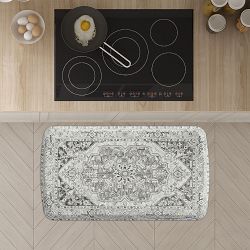
Credit: www.williams-sonoma.com
Frequently Asked Questions
Can Gel Mats For Kitchen Be Used In Bathrooms?
Yes, gel mats designed for kitchens can be used in bathrooms. They provide cushioning, slip resistance, and comfort on wet floors. However, ensure the mat has proper drainage and mold-resistant features for bathroom use.
Are Gel Mats Water-resistant Enough For Bathrooms?
Most gel mats are water-resistant, making them suitable for bathrooms. Choose mats with anti-slip backing and quick-drying materials to prevent mold and mildew buildup in damp bathroom environments.
Do Kitchen Gel Mats Prevent Slipping In Bathrooms?
Yes, gel mats with anti-slip surfaces help prevent slipping on wet bathroom floors. Their cushioning also reduces fatigue when standing for long periods, improving safety and comfort.
How Durable Are Kitchen Gel Mats In Bathroom Conditions?
Kitchen gel mats are generally durable and can withstand bathroom moisture. Select mats made with high-quality gel and non-slip backing for longer life in humid bathroom settings.
Conclusion
Gel mats made for kitchens can work well in bathrooms too. They provide comfort and help prevent slipping. Just make sure the mat is water-resistant and easy to clean. Using the right mat keeps your bathroom safe and dry. Choosing a mat that fits your space matters.
Simple care keeps the mat fresh and durable. Small changes like this improve your daily routine. Gel mats offer a practical solution for both rooms. Try one and see how it fits your needs.