
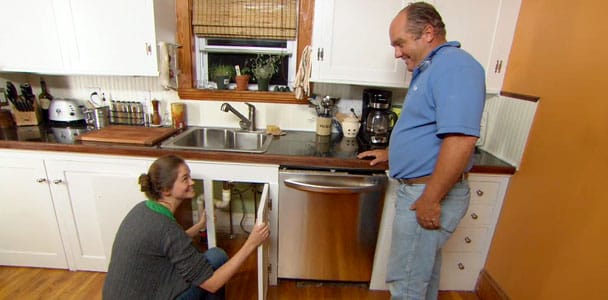
Are you tired of spending extra time washing dishes by hand? Adding a dishwasher to your kitchen could be the simple upgrade that changes your daily routine for the better.
But is it really possible to fit one into your space? You might be wondering if your kitchen layout, plumbing, or electrical setup can handle it. Keep reading, because we’ll break down everything you need to know to decide if a dishwasher can be added to your kitchen—and how to make it happen without hassle.
By the end, you’ll have a clear plan that could save you time and effort every day.
Credit: www.thegritandpolish.com
Check Kitchen Space
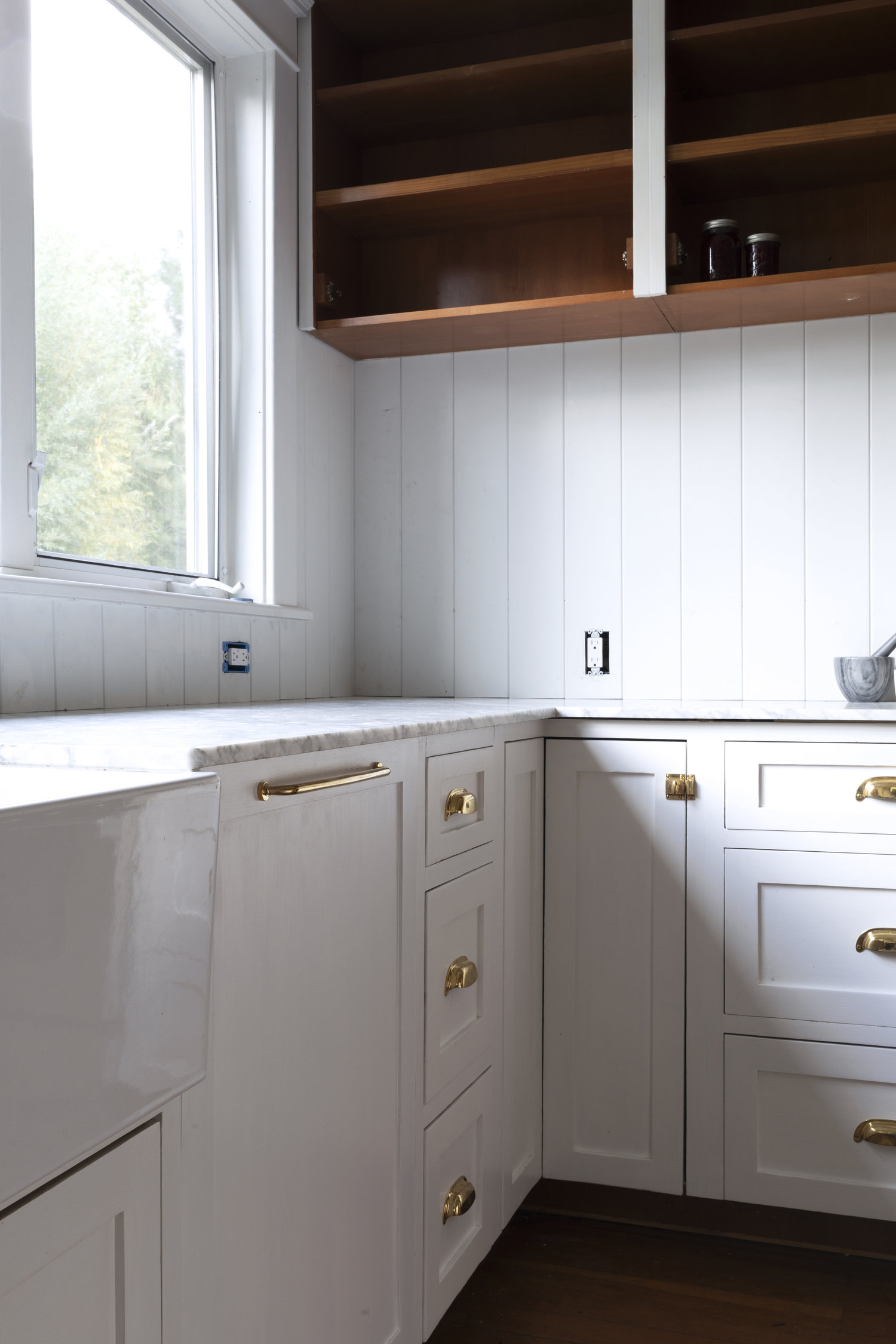
Before you decide to add a dishwasher to your kitchen, the first thing you need to do is check the available space. Kitchens vary in size and layout, so making sure there’s enough room is crucial. This step saves you from future headaches and unexpected costs.
Measure Available Area
Grab a tape measure and carefully check the space where you want to place the dishwasher. Standard dishwashers are about 24 inches wide, 24 inches deep, and 35 inches high, but models vary. Don’t forget to measure height clearance, especially if there are shelves or counters above.
Look beyond width and depth. Think about door swing and access. Will the dishwasher door open fully without hitting an island or cabinet? If you don’t plan for this, you might end up with a dishwasher that’s difficult to use.
Consider Cabinet Removal
Sometimes, the best way to fit a dishwasher is by removing or modifying existing cabinets. This can free up the needed space but requires tools, time, and possibly professional help. Have you checked if the cabinet you want to remove holds plumbing or electrical lines?
Keep in mind that removing cabinets might affect your kitchen’s storage. You can replace the lost storage with wall shelves or a nearby pantry. Balancing space for the dishwasher and storage is key to keeping your kitchen functional.
Evaluate Plumbing Needs
Before adding a dishwasher to your kitchen, evaluating your plumbing needs is essential. This ensures your new appliance works smoothly without unexpected leaks or costly adjustments. Understanding where your water supply and drain connections are located can save you time and hassle during installation.
Locate Water Supply
Find the nearest cold water supply line under your sink or near your kitchen cabinets. This line will provide water to your dishwasher. If you don’t have a convenient water source, you might need to install a new valve, which could require professional help.
Check the type of plumbing you have—copper, PVC, or PEX—and make sure you have the right fittings for your dishwasher’s water inlet hose. Is your water pressure strong enough? Low pressure can affect how well your dishwasher cleans dishes.
Plan Drain Connection
Your dishwasher needs a drain line to remove dirty water. Typically, this connects to the sink’s drain or garbage disposal. Look for a high loop or air gap fitting to prevent dirty water from flowing back into the dishwasher.
Think about the distance between your dishwasher and the drain point. Longer drain hoses may cause drainage issues or require a pump. Have you checked if your current plumbing setup allows for a smooth, gravity-fed drain?
Assess Electrical Setup
Check your kitchen’s electrical panel to ensure it can support a dishwasher. Confirm there is a proper outlet near the installation area for safe connection.
Adding a dishwasher to your kitchen can improve efficiency. Before installation, assess your electrical setup. Understanding your kitchen's power requirements is crucial. This ensures safe operation and prevents electrical issues.
Identify Power Source
Determine where the dishwasher will get power. Dishwashers typically need a dedicated circuit. Check your breaker box for available circuits. Ensure the circuit can handle the dishwasher's load. This prevents overloads and tripped breakers.
Ensure Proper Wiring
Inspect your kitchen's wiring. Old wiring may not support a dishwasher. Look for any signs of wear or damage. Consider hiring an electrician for a thorough check. Safe and updated wiring is essential. This step protects both your appliance and home. By assessing your electrical setup, you ensure a smooth installation. Proper preparation makes the process hassle-free.

Credit: www.espares.co.uk
Choose The Right Dishwasher
Choosing the right dishwasher is key for a smooth kitchen upgrade. It affects daily chores and fits your kitchen’s style. Focus on size, style, features, and trusted brands. These points help pick a dishwasher that suits your needs and space.
Pick Size And Style
Measure your kitchen space carefully before buying. Dishwashers come in various sizes:
- Standard (24 inches wide)
- Compact (18 inches wide)
Consider the style too. Built-in models blend with cabinets. Portable or countertop types save space. Choose a style that fits your kitchen layout and daily use.
Compare Features And Brands
Look at dishwasher features that make life easier:
- Energy efficiency for lower bills
- Multiple wash cycles for different dishes
- Quiet operation for a peaceful kitchen
- Adjustable racks for large pots and pans
Brand reputation matters. Trusted brands offer reliability and good customer support. Read reviews and check warranty options. This ensures your dishwasher lasts longer and works well.
Install The Dishwasher
Installing a dishwasher can transform your kitchen routine, saving you time and effort. But before you can enjoy those sparkling clean dishes, the installation process demands careful attention. Here’s how to get your dishwasher properly set up and ready to use.
Prepare Installation Area
Start by clearing the space where the dishwasher will go. Remove any cabinet doors or shelves that block access to the area. Make sure the spot has enough room for the dishwasher’s size and door swing.
Check the floor for stability and level it if needed. A dishwasher that sits unevenly can cause leaks or damage. Also, confirm there’s an accessible water supply and drain nearby to connect the appliance.
Connect Plumbing And Electrical
Before hooking up anything, turn off your home’s water and power supply. This step keeps you safe and prevents accidents. Connect the dishwasher’s water inlet to your kitchen’s hot water line using a braided stainless steel hose for durability.
Attach the drain hose to the sink drain or garbage disposal, ensuring it has a high loop to prevent backflow. Then, connect the electrical wires to the dishwasher according to the manufacturer’s instructions. If you’re unsure about electrical work, consulting a professional is wise.
Secure Dishwasher In Place
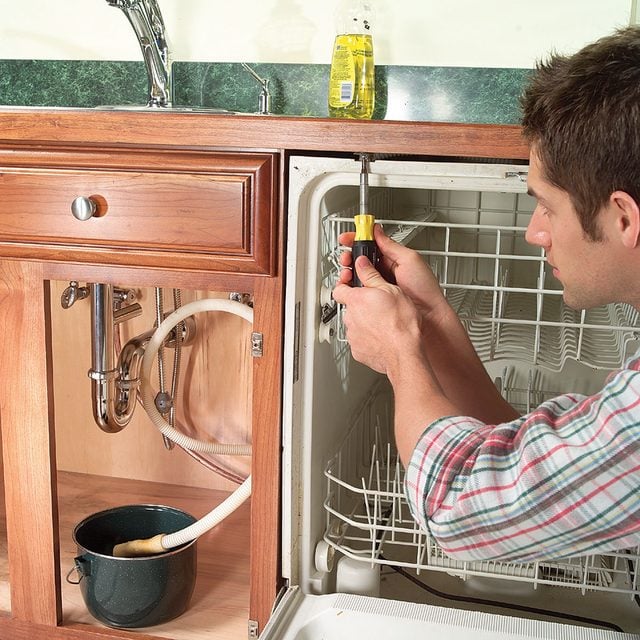
Slide the dishwasher into the prepared space carefully. Watch for any kinks in the hoses or wires as you move it. Once positioned, use mounting brackets to fix the dishwasher firmly to the countertop or cabinetry.
Check the dishwasher’s alignment and adjust the leveling feet to keep it stable. A secure fit prevents vibrations and noise during operation. Finally, run a test cycle to confirm everything works smoothly and there are no leaks.
Credit: www.familyhandyman.com
Test And Troubleshoot
Testing and troubleshooting your new dishwasher is crucial after installation. It ensures the appliance works properly and avoids future problems. This phase helps catch leaks, errors, or installation mistakes early. Proper checks save time and money on repairs.
Run Initial Cycle
Start by running the dishwasher on a short cycle. Use no dishes or detergent for this first run. This cleans out any dust or debris inside the machine. Watch how it fills with water and drains afterward. Listen for unusual noises during the cycle. Make sure the dishwasher completes the full wash and drain process.
Check For Leaks And Errors
After the cycle, check the floor around the dishwasher for water. Look under the machine and near the water connections. Tighten any loose hoses or fittings if you see leaks. Check the dishwasher display for error codes or blinking lights. Refer to the manual to understand any error messages. Fix any issues before using the dishwasher regularly.
Maintenance Tips
Proper maintenance keeps your dishwasher working well and extends its life. Small efforts can prevent costly repairs and improve cleaning results. Follow simple routines to keep your dishwasher in top shape.
Regular Cleaning
Clean the dishwasher filter every few weeks. This removes food particles and prevents clogs. Wipe the door seals with a damp cloth to stop mold build-up. Run a cleaning cycle with dishwasher cleaner or vinegar monthly. This removes grease and mineral deposits inside the machine. Check spray arms for blocked holes and clear them gently with a toothpick or brush.
Prevent Common Issues
- Use the right detergent and avoid overfilling it.
- Scrape off large food scraps before loading dishes.
- Load dishes according to manufacturer guidelines for good water flow.
- Check and clean the drain hose to avoid blockages.
- Inspect water supply connections to prevent leaks.
- Run hot water in the sink before starting to ensure hot water supply.
Frequently Asked Questions
Can I Install A Dishwasher In Any Kitchen Layout?
Yes, most kitchen layouts can accommodate a dishwasher. You may need to adjust cabinets or plumbing to fit the appliance properly.
What Plumbing Is Needed To Add A Dishwasher?
A dishwasher requires a water supply line, a drain connection, and a power source. Existing kitchen plumbing often supports these needs.
How Much Space Is Needed For A Dishwasher?
Standard dishwashers typically need a 24-inch-wide space. Compact models require around 18 inches, suitable for smaller kitchens.
Can I Add A Dishwasher Without Professional Help?
If you have plumbing and electrical skills, you can install it yourself. Otherwise, hiring a professional ensures safe, proper installation.
Conclusion
Adding a dishwasher can save time and make kitchen work easier. Check your kitchen space and plumbing before starting. Choose a model that fits your needs and budget well. Installation might need professional help for best results. A dishwasher can keep your dishes clean and your kitchen neat.
It’s a smart choice for many homes. Think about how it will fit your daily life. Small changes can bring big convenience. Ready to make washing dishes simpler?