
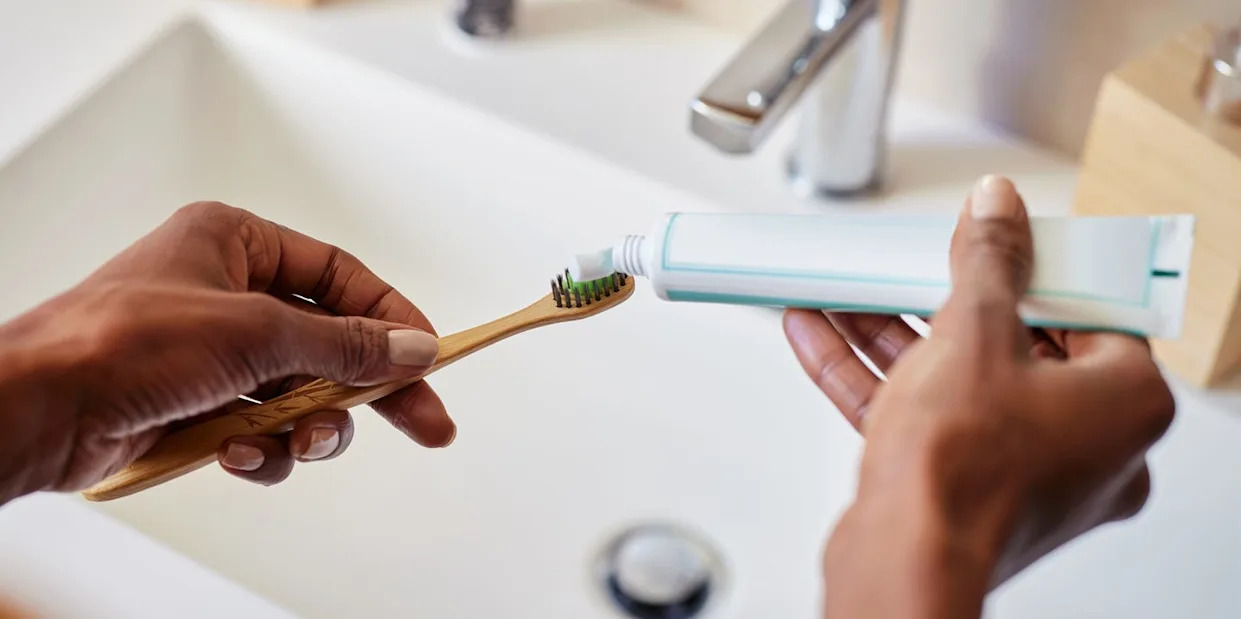
Have you ever found yourself brushing your teeth in the kitchen sink and wondered if it’s really okay? You might think it’s just a small habit, but there’s more to it than meets the eye.
Is it safe? Could it affect your health? And what about cleanliness? If you’ve asked yourself these questions, you’re not alone. Keep reading to discover the surprising facts and expert advice that will help you decide whether brushing your teeth in the kitchen sink is a smart choice for you.

Credit: www.boka.com
Kitchen Sink Cleanliness
The cleanliness of the kitchen sink plays a big role in deciding if it is safe to brush teeth there. Kitchen sinks often get dirty from food scraps and bacteria. It is important to know what kinds of germs live in the sink. This helps understand the risks of using the kitchen sink for oral care.
Common Germs In Kitchen Sinks
Kitchen sinks can hold many germs. These include:
- Salmonella – from raw meat and eggs
- E. coli – from raw foods and dirty hands
- Campylobacter – often found in poultry
- Staphylococcus – from skin contact
These bacteria can cause stomach upset and infections. Cleaning the sink often reduces these germs. Still, some germs hide in the drain and faucet areas.
Comparing Kitchen And Bathroom Sinks
Bathroom sinks usually have fewer food germs. They mainly have germs from mouth and skin. Kitchen sinks face more contamination from food waste. This makes kitchen sinks harder to keep clean.
Bathroom sinks get cleaned more often because of hygiene habits. Kitchen sinks might not get cleaned after every use. This difference means bathroom sinks are usually safer for brushing teeth.
Risks Of Brushing In Kitchen Sink
Brushing your teeth in the kitchen sink might seem like a convenient shortcut, especially when you're in a rush. But have you thought about what risks this habit might bring? Understanding these risks can help you make safer choices for your oral health and your kitchen hygiene.
Bacterial Contamination
The kitchen sink is a hotspot for bacteria. It often harbors germs from raw food, dirty dishes, and waste. When you brush your teeth there, bacteria can easily transfer to your toothbrush and mouth.
Think about how many times raw chicken or vegetables have touched that surface. The bacteria from these foods can linger, even after rinsing. This raises the risk of getting harmful germs into your mouth, which might cause infections or stomach issues.
Cross-contamination With Food
Brushing your teeth near where you prepare food can lead to cross-contamination. Tiny droplets from your mouth can land on the sink surface or even food items nearby. This can spread oral bacteria to your meals.
Imagine preparing a salad right after brushing your teeth in the same sink without a thorough cleaning. The bacteria from your mouth could mix with the fresh vegetables, increasing the chance of ingesting unwanted germs.
Could this simple habit be putting your family’s health at risk without you noticing? It’s worth reconsidering where you brush your teeth to keep your kitchen truly clean and safe.
Safe Alternatives For Brushing
Brushing teeth in the kitchen sink is possible but may not be the cleanest choice. Using a bathroom sink or a portable cup is safer and more hygienic. Keeping your brushing area clean helps protect your health.
Brushing your teeth in the kitchen sink might seem convenient, especially during a rushed morning or late-night snack attack. However, this practice can pose hygiene risks due to the presence of food particles and grease residue. Luckily, there are safe alternatives to ensure your dental routine remains both effective and sanitary.
Using A Bathroom Sink Properly
The bathroom sink is designed with personal hygiene in mind. Ensure that the sink is clean before using it by quickly wiping it down and rinsing any leftover toothpaste or soap. Maintain a designated toothbrush holder to prevent cross-contamination with other hygiene products. This simple step can make your bathroom sink a safe zone for oral care.
Portable Oral Hygiene Solutions
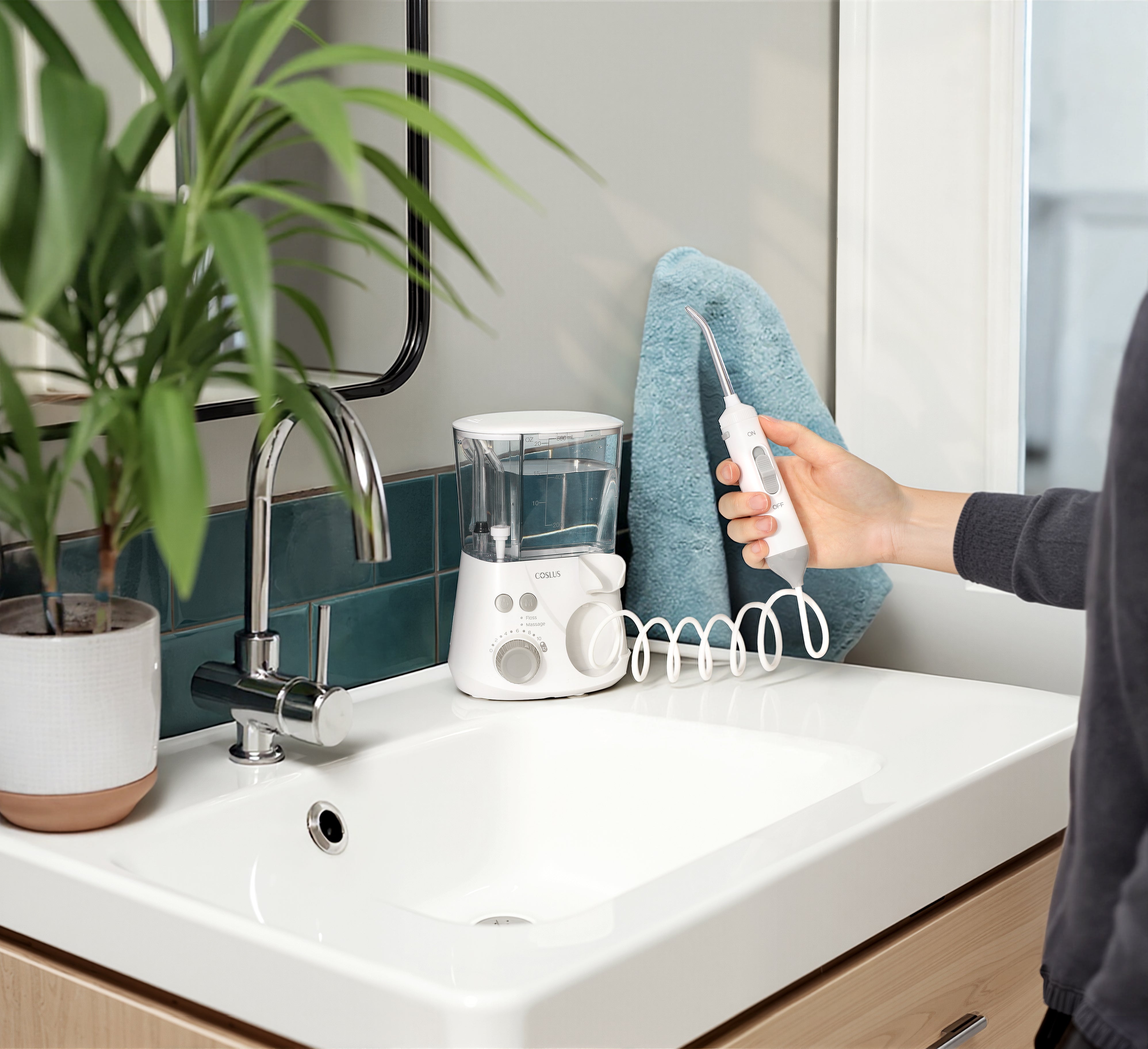
Consider investing in portable oral hygiene products for flexibility. A travel-sized toothbrush and toothpaste can be a game-changer, especially if you’re on the go. These items fit easily in your bag, allowing you to maintain your routine without relying on kitchen facilities. Water flossers are another great option. Compact and easy to use, they help maintain oral health, even when a traditional sink isn't available. Have you ever thought about how easy it would be to rinse your mouth after lunch at work with a portable water flosser? Exploring these alternatives can enhance your brushing routine, ensuring your oral health remains a top priority, no matter where you are.
Credit: www.coslus.com
Tips To Sanitize Kitchen Sink
Keeping your kitchen sink sanitized is crucial, especially if you’re brushing your teeth there. The kitchen sink often hosts bacteria from food and dishes, so cleaning it properly ensures your oral hygiene routine stays safe. Here are some practical tips to keep your kitchen sink germ-free and fresh.
Effective Cleaning Methods
Start by rinsing the sink with hot water to remove loose debris. Then, scrub it using a mild dish soap and a sponge or brush. This basic step removes most surface dirt and grime.
For deeper cleaning, use a mixture of baking soda and vinegar. Sprinkle baking soda over the sink, then pour vinegar on top. The fizz helps lift stains and kills bacteria. After a few minutes, scrub and rinse thoroughly.
Disinfect your sink by wiping it with a solution of diluted bleach or a commercial disinfectant. Make sure to let it sit for a few minutes before rinsing to effectively kill germs. Always wear gloves and ensure good ventilation when using strong chemicals.
Frequency And Best Practices
How often should you clean your kitchen sink? Ideally, wipe it down daily to prevent buildup and sanitize it deeply at least once a week. This routine keeps bacteria from multiplying and ensures your sink stays safe for brushing your teeth.
Don’t forget to clean the faucet handles and surrounding counters, as these spots also harbor germs. Using separate cloths for the sink and counters can reduce cross-contamination.
Dry your sink after cleaning to prevent water spots and mold growth. A dry surface is less inviting for bacteria and keeps your sink looking spotless.
Expert Opinions And Studies
Experts and studies provide valuable insights about brushing teeth in the kitchen sink. They focus on hygiene, safety, and practical aspects. Understanding their views helps make informed choices about oral care habits.
What Dentists Say
Dentists highlight the importance of clean surroundings for brushing teeth. The kitchen sink may have more bacteria than a bathroom sink. They recommend thorough cleaning of the sink before use.
Some dentists warn that food residues and germs can affect oral health. Using a separate cup or rinsing with bottled water can reduce risks. They stress the need for good hand hygiene during brushing.
Scientific Research Findings
Studies show that kitchen sinks often harbor more bacteria than bathroom sinks. Common germs include E. coli and salmonella. These bacteria come from raw food and dishwashing activities.
Research advises avoiding direct contact of toothbrushes with kitchen sink surfaces. Cross-contamination between food and oral bacteria can occur. Using a dedicated toothbrush holder helps keep brushes clean.
Some studies suggest that rinsing the sink and faucet before brushing lowers bacterial spread. Regular disinfection of the sink area improves hygiene. Overall, scientific evidence supports careful use of kitchen sinks for oral care.

Credit: www.reddit.com
Frequently Asked Questions
Can I Brush My Teeth In The Kitchen Sink Safely?
Yes, brushing teeth in the kitchen sink is safe if the sink is clean. Avoid bacteria by regularly disinfecting the area and using fresh water. However, bathroom sinks are usually more hygienic for oral care routines.
Is Brushing Teeth In The Kitchen Sink Unhygienic?
Brushing in the kitchen sink can be unhygienic if the sink has food residue or bacteria. Clean the sink thoroughly before use to minimize contamination. Using the kitchen sink occasionally is okay, but bathroom sinks are designed for personal hygiene.
Will Brushing Teeth In The Kitchen Affect Taste Or Health?
Brushing in the kitchen sink does not affect taste or oral health directly. However, exposure to kitchen bacteria might increase infection risk. Maintaining good sink hygiene ensures safe brushing without impacting your dental health or taste perception.
Should I Use Kitchen Or Bathroom Sink For Brushing Teeth?
Bathroom sinks are preferred for brushing teeth due to better hygiene and design. Kitchen sinks handle food waste, which can harbor bacteria. If using the kitchen sink, ensure it is well cleaned before brushing to avoid contamination.
Conclusion
Brushing your teeth in the kitchen sink is possible but not always best. Kitchen sinks may have more germs than bathroom sinks. Clean the sink well before brushing to stay safe. Use running water and keep your toothbrush clean. Choosing a bathroom sink is still better for hygiene.
Small habits make a big difference in health. Keep your routine simple and safe every day. Your smile deserves the best care you can give.