
Have you ever stood at your kitchen sink, paintbrush in hand, wondering if it’s okay to clean your brushes there? You’re not alone.
It’s a common question that many painters face, especially when the mess feels too big to handle. But before you rinse that brush under running water, there are important things you need to know. This article will help you protect your home, your plumbing, and even your health—while making sure your brushes are ready for the next project.
Keep reading, because the answer might surprise you.
Risks Of Cleaning Brushes In Kitchen Sink
Cleaning paint brushes in the kitchen sink can seem easy and quick. Yet, this habit carries several risks. These risks affect your home's plumbing and health. Understanding these dangers helps you make safer choices.
Potential Damage To Plumbing
Paint residues can clog pipes and drains. Oil-based paints are especially harmful to plumbing. They stick to pipes and harden over time. This buildup reduces water flow and causes blockages.
Harsh paint solvents can also damage pipe materials. Metal pipes may corrode faster. Plastic pipes might weaken or crack. Repairs can be costly and inconvenient.
Health And Safety Concerns
Cleaning brushes in the kitchen sink risks contaminating food areas. Paint and chemicals can mix with dishes or utensils. This contamination may cause illness or allergic reactions.
Some paint types release harmful fumes or chemicals. These can linger in the kitchen environment. Breathing these substances can irritate eyes, skin, and lungs.
Proper disposal and cleaning methods reduce these health hazards. Using a separate cleaning area keeps your kitchen safe.

Credit: www.angi.com
Best Practices For Cleaning Paint Brushes
Cleaning paint brushes properly can extend their life and improve your painting results. Knowing the best ways to clean your brushes helps you avoid damage and saves you money on replacements. Let’s look at some practical tips to keep your brushes in great shape after each use.
Choosing The Right Cleaning Method
Not all paint brushes clean the same way. The cleaning method depends on the type of paint you used—water-based or oil-based paints need different approaches.
If you’ve used water-based paint, rinsing your brush with warm water right after painting works well. Avoid letting the paint dry on the bristles, as it makes cleaning much harder.
For oil-based paints, water won’t cut it. You’ll need a solvent like mineral spirits or paint thinner. Have you ever tried cleaning brushes with just soap and water after using oil paint? It rarely works and can ruin your brush.
Using Proper Cleaning Solutions
Choosing the right cleaning solution is key to preserving your brush’s shape and bristle quality. For water-based paints, mild dish soap and warm water usually do the job.
Gently massage the bristles to loosen paint, then rinse thoroughly. Repeating this a few times can help remove all residue.
When dealing with oil-based paints, use a solvent designed for paint cleanup. Pour a small amount into a container and swirl your brush until the paint dissolves.
After solvent use, wash your brush with soap and water to remove any leftover chemicals. Have you noticed how skipping this step leaves your brush stiff and brittle over time?
- Never leave brushes soaking in harsh chemicals for too long.
- Always dry brushes flat or hang them bristle-side down to keep their shape.
- Consider investing in a brush comb to remove stubborn paint particles.
Alternative Cleaning Locations
Cleaning paint brushes in the kitchen sink is not ideal. It can cause clogs and leave stains. Finding alternative cleaning locations can save you from future hassles. Consider other spots in your home or yard for this task.
Outdoor Cleaning Options
Cleaning paint brushes outdoors is a great choice. Use a garden hose to wash off the paint. The open space makes it easy to manage spills. Set up a small table to hold brushes and supplies. Grass or gravel works well for drainage. Always check local rules for disposing of paint water.
Using Utility Sinks Or Wash Basins
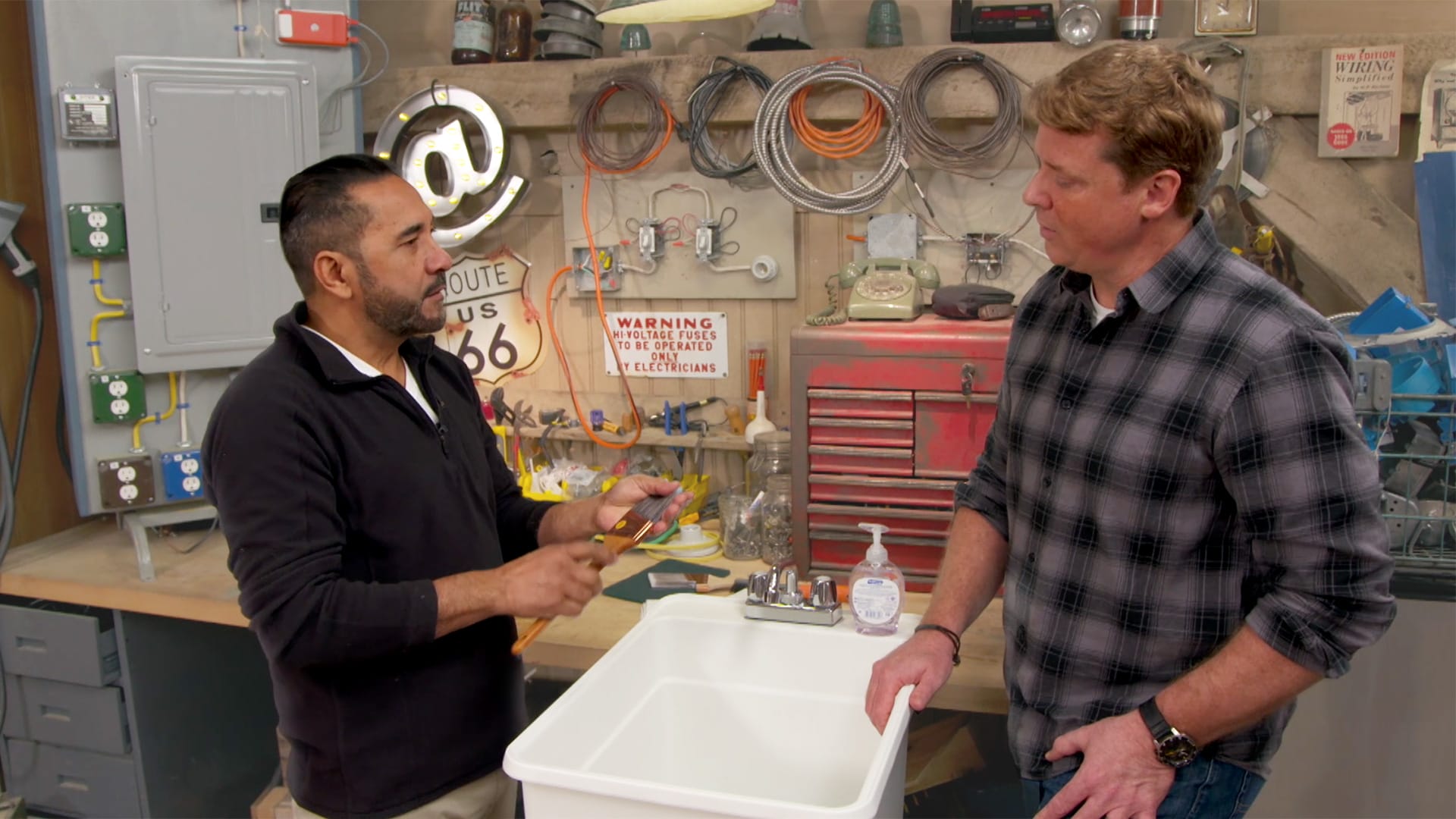
Utility sinks are perfect for cleaning paint brushes. They are often found in basements or garages. These sinks are larger and sturdier than kitchen sinks. Use warm water and mild soap to clean brushes. A wash basin is another good option. It is portable and can be used anywhere. Fill it with water and clean brushes outside or in a laundry area. This prevents paint from entering your main plumbing system.

Credit: www.consumerreports.org
Steps To Clean Brushes Safely
Cleaning paint brushes in your kitchen sink can be tricky, but it's doable if you follow the right steps to protect both your brushes and plumbing. You want to avoid clogging drains or ruining your brushes with harsh chemicals. Let’s go through some easy, safe ways to get your brushes clean without the mess.
Pre-cleaning The Brush
Start by removing as much paint as possible from your brush before it hits the sink. Use a rag or paper towel to wipe off excess paint gently. This simple step prevents paint buildup in your sink and saves you from tougher cleaning later.
If you’re dealing with water-based paints, rinse the brush in a container with water first, swirling it around to loosen the paint. For oil-based paints, use a small amount of paint thinner or mineral spirits in a separate container instead of pouring it down the sink. Have you ever noticed how much easier the final cleaning is after this initial rinse?
Rinsing And Drying Techniques
Once most of the paint is off, rinse the brush under lukewarm running water. Hold the bristles downward to avoid water getting into the ferrule, which can loosen the glue and cause shedding. Avoid hot water—it can damage the bristles.
After rinsing, gently shake the brush to remove excess water. Lay it flat or hang it with bristles facing down to dry completely. Standing the brush upright with bristles up can deform them, so think about how you store your brushes as much as how you clean them.
Preventing Damage To Brushes And Sinks
Cleaning paint brushes in the kitchen sink needs care. Protecting both your brushes and sink is important. Paint and solvents can harm surfaces and tools if not handled right. Simple habits save your brushes and keep your sink damage-free.
Handling Solvents Properly
Use solvents in small amounts. Avoid pouring large quantities down the sink. Some solvents can damage sink pipes and finishes. Always dispose of solvent waste in a sealed container.
Wear gloves when working with harsh chemicals. Keep the area well-ventilated to avoid strong fumes. Use a separate container for cleaning brushes, not the sink directly.
Maintaining Brush Quality
Rinse brushes thoroughly with water after solvent cleaning. Use mild soap and warm water for a final wash. Avoid soaking brushes too long to keep bristles firm.
Shape the bristles after cleaning and let brushes dry flat. Store brushes properly to prevent bending or damage. Regular care extends the life of your paint brushes.

Credit: www.amazon.co.uk
Frequently Asked Questions
Can I Wash Paint Brushes In The Kitchen Sink?
Yes, you can wash brushes in the kitchen sink, but avoid harsh chemicals. Use mild soap and warm water to protect plumbing and brushes. Rinse thoroughly to remove paint residue and prevent clogs or damage.
What Risks Come From Cleaning Brushes In Kitchen Sinks?
Cleaning brushes here risks clogged drains and plumbing damage. Paint residue can harden, causing blockages. Harsh solvents may harm pipes and contaminate water, so use gentle cleaning methods and dispose of paint waste properly.
How To Properly Clean Paint Brushes In The Kitchen?
Use warm water and mild soap for water-based paints. For oil-based paints, wipe off excess paint first, then use appropriate solvent outside or in a well-ventilated area. Rinse brushes well, reshape bristles, and let them dry.
Should I Avoid Certain Paints When Cleaning In The Kitchen?
Yes, avoid cleaning oil-based and solvent paints in the kitchen sink. These paints require special solvents that can harm plumbing and are unsafe indoors. Use designated containers and dispose of waste correctly to protect your home.
Conclusion
Cleaning paint brushes in the kitchen sink can cause problems. Paint residue might clog the drain or harm pipes. It can also leave stains and odors in your kitchen. Using a separate container for cleaning brushes is safer. This keeps your kitchen clean and your plumbing clear.
Always rinse brushes well to avoid leftover paint. Taking these small steps protects your home and tools. Choose the best cleaning method for your paint type. Keep your brushes ready for the next painting job.