
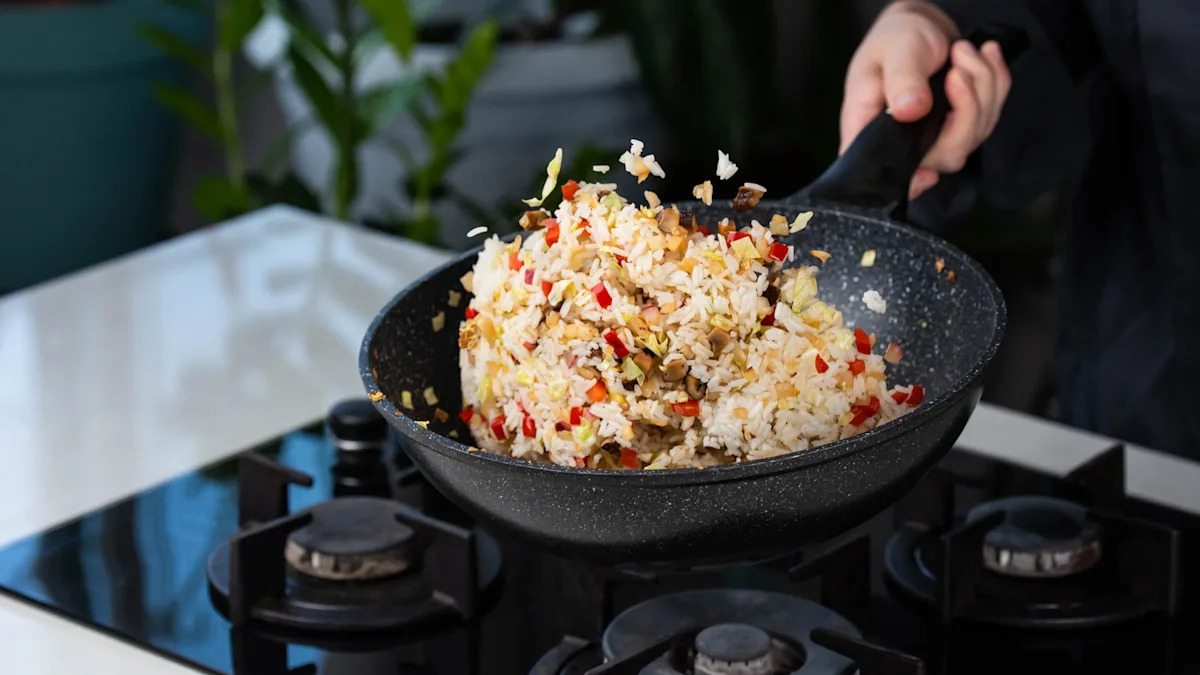
Have you ever wondered if you can cook rice right in your kitchen using just a simple pan? Maybe you don’t have a rice cooker, or you want to keep things quick and easy.
The good news is—you absolutely can. Cooking rice in a pan is not only possible but can be surprisingly simple and rewarding. You’ll discover step-by-step tips to get perfectly fluffy rice every time. Ready to master this kitchen trick and impress yourself with your cooking skills?
Keep reading, and you’ll never worry about rice again.
Choosing The Right Rice
Choosing the right rice is essential for cooking rice perfectly in a pan. The texture, flavor, and cooking time all depend on the type of rice you select. Understanding which rice works best for pan cooking can save you from soggy or undercooked results.
Types Of Rice For Pan Cooking
Some rice varieties hold up better when cooked in a pan than others. Long-grain rice like basmati or jasmine tends to stay fluffy and separate, making it ideal for stir-fries or pilafs.
Short-grain rice, often used in sushi or risotto, becomes stickier and creamier, which can be great if you want a soft, clumpy texture. Medium-grain rice falls somewhere between these two in texture and is versatile for various dishes.
- Basmati:Fragrant, long, and fluffy.
- Jasmine:Soft, slightly sticky, aromatic.
- Arborio:Short, creamy, perfect for risotto.
- Sushi rice:Sticky and ideal for molding.
Have you ever tried cooking brown rice in a pan? It has a nuttier flavor but requires more water and time.
How Rice Variety Affects Cooking Time
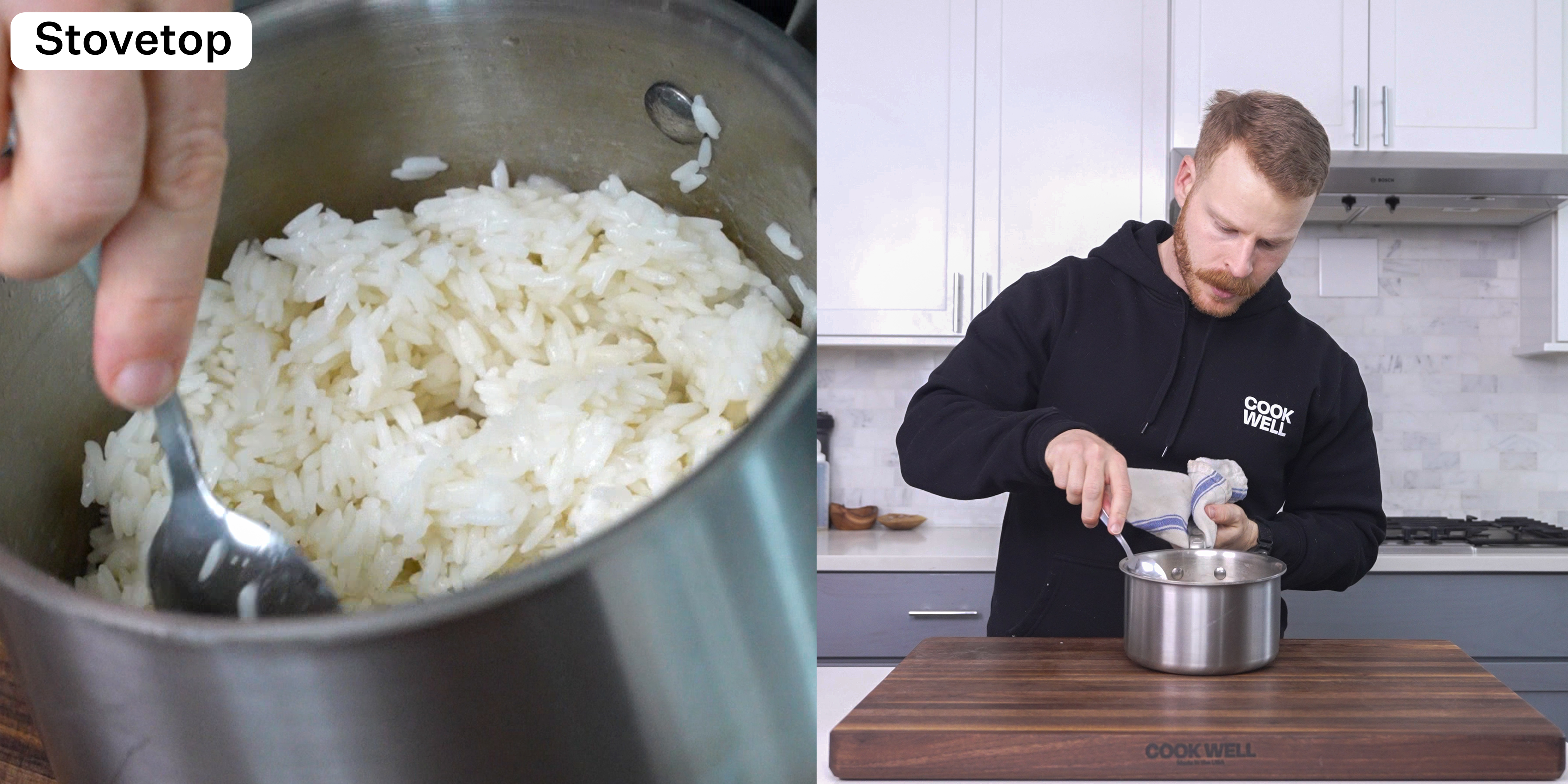
The type of rice you use changes how long it takes to cook in a pan. For instance, white rice usually cooks faster—about 15-20 minutes—while brown rice can take 40-50 minutes because of its outer bran layer.
Sticky or short-grain rice often needs less water but careful attention to avoid burning. If you rush the cooking, you may end up with a mushy mess or hard grains.
Adjust your heat and timing based on the rice variety. Have you noticed how jasmine rice softens quickly compared to basmati? Paying attention to these differences will improve your rice every time.
Credit: www.cookwell.com
Essential Tools And Ingredients
Cooking rice in a pan might seem straightforward, but having the right tools and ingredients can make all the difference. Paying attention to what you use ensures your rice turns out fluffy and perfectly cooked every time. Let's dive into what you really need before you start cooking.
Selecting The Perfect Pan
Choosing the right pan is crucial. A heavy-bottomed pan works best because it distributes heat evenly, preventing rice from burning at the bottom. Avoid using very thin pans as they can cause hot spots and uneven cooking.
I once used a lightweight frying pan, and the rice stuck badly. Switching to a thicker pan made a noticeable difference in texture and ease of cleaning. Do you have a pan with a tight-fitting lid? That’s a must-have to trap steam and cook the rice thoroughly.
Measuring Rice And Water
Accurate measurement of rice and water is key to avoid mushy or undercooked rice. A common ratio is 1 cup of rice to 2 cups of water, but this can vary depending on the type of rice you use. Have you tried rinsing your rice before cooking? It removes extra starch, helping the grains stay separate.
- Use a standard measuring cup for consistency.
- Adjust water slightly if you want firmer or softer rice.
- Consider the type of rice: basmati, jasmine, or short grain all differ in water needs.
Optional Additions For Flavor
Adding simple ingredients can elevate your rice without much effort. A pinch of salt is the classic choice, but you can also add a small piece of cinnamon stick or a few cardamom pods for subtle aroma. Have you experimented with cooking rice in broth instead of water? It instantly boosts flavor.
Some cooks like stirring in a bit of butter or olive oil after cooking to add richness. Fresh herbs or toasted nuts can also be mixed in just before serving for texture and freshness. What flavors do you enjoy with your rice dishes?
Preparing Rice Before Cooking
Preparing rice before cooking is a crucial step that can make a big difference in the final texture and taste. It’s not just about pouring rice into a pan and adding water. Taking a few extra minutes to rinse and soak the rice can help remove excess starch and improve fluffiness.
Rinsing And Soaking Tips
Rinsing rice washes away surface starch that makes grains sticky or clumpy. Use cold water and gently swish the rice with your fingers. You’ll notice the water turns cloudy at first—keep rinsing until it runs clearer, usually 2-3 times.
Soaking rice before cooking helps the grains absorb some water, reducing cooking time and resulting in a softer texture. A 20-30 minute soak works well for most white rice varieties. For brown or wild rice, soak longer—up to an hour.
Have you ever skipped rinsing and ended up with gluey rice? That’s exactly why this step matters. It’s quick, simple, and yields better results every time.
Draining Techniques
After rinsing or soaking, draining rice properly is key. Use a fine-mesh sieve or colander to let water escape easily without losing grains. Shake gently to remove excess water.
Draining too much can dry out rice, while leaving it too wet might make cooking uneven. Finding the right balance depends on your rice type and cooking method.
Next time you prepare rice, pay attention to how you drain it. A well-drained grain cooks more evenly and prevents mushy results. What’s your current draining routine? Could a small change improve your rice’s texture?
Credit: www.wokandskillet.com
Step-by-step Cooking Process
Cooking rice in a pan is simple and rewarding. This step-by-step guide ensures fluffy, flavorful rice every time. Follow these clear instructions to master this basic cooking technique.
Boiling Water And Adding Rice
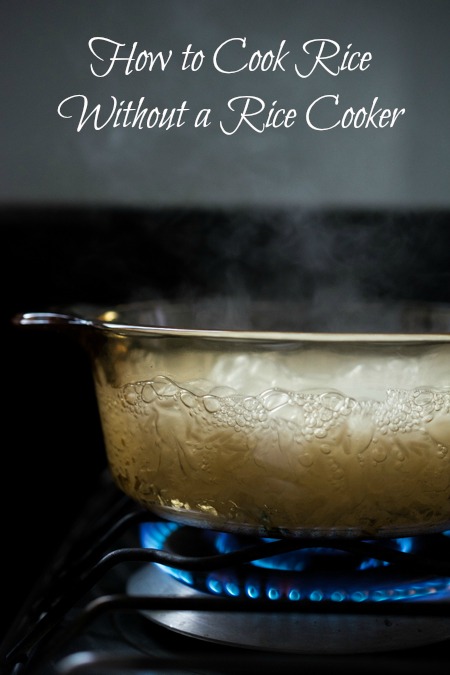
Start by measuring the rice and water. Use a ratio of one part rice to two parts water. Pour the water into the pan and bring it to a boil over medium heat. Once the water boils, add the rice. Stir gently to prevent sticking. Let the water return to a boil for a minute.
Controlling Heat For Simmering
Reduce the heat to low. Cover the pan with a tight-fitting lid. This traps steam and cooks the rice evenly. Simmer gently. Avoid lifting the lid often. This helps maintain a consistent temperature. Stir occasionally to prevent burning.
Timing For Perfect Texture
Cook the rice for 18-20 minutes. Check for tenderness by tasting a grain. If the rice is too firm, add a little water. Cover and cook for a few more minutes. Once done, remove from heat. Let it sit for 5 minutes, covered. This allows the rice to finish cooking in its own steam.
Avoiding Common Mistakes
Cooking rice in a pan is simple but easy to get wrong. Common mistakes can spoil the texture and taste. Knowing what to avoid helps you cook perfect rice every time. Focus on key issues like rice sticking or being mushy, and grains that stay hard. A few tips make a big difference.
Preventing Sticky Or Mushy Rice
Rinse rice before cooking to remove extra starch. This stops rice from clumping together. Use the right amount of water. Too much water makes rice mushy. Cook on low heat with a tight lid. Avoid stirring rice while it cooks. Stirring breaks grains and makes rice sticky.
Dealing With Undercooked Grains
Use enough water to fully cook the rice. Cover the pan tightly to trap steam. Cook long enough for water to absorb and grains to soften. If rice is still hard, add a little water and cook a few more minutes. Let rice rest off the heat for 5-10 minutes before serving. This helps steam finish the cooking evenly.

Credit: kristineskitchenblog.com
Serving And Storing Cooked Rice
Serving and storing cooked rice properly enhances its taste and keeps it safe to eat. Knowing how to handle rice after cooking prevents it from becoming sticky or spoiled. This section guides you through easy steps to serve and store rice well.
Fluffing And Serving Tips
Fluff the rice gently using a fork or a rice paddle. This separates the grains and makes the texture light and airy. Avoid stirring vigorously to prevent mushy rice.
- Serve rice immediately for best flavor and texture.
- Pair rice with sauces or vegetables to add taste.
- Use a lid on the pan to keep rice warm before serving.
Proper Storage For Leftovers
Cool leftover rice quickly to avoid bacteria growth. Spread it out on a clean tray or plate for faster cooling.
- Store rice in an airtight container to keep moisture out.
- Refrigerate within two hours of cooking for safety.
- Use leftover rice within 1-2 days for best quality.
- Reheat rice thoroughly until hot all the way through.
Frequently Asked Questions
Can I Cook Rice In A Pan On The Kitchen Stove?
Yes, you can cook rice in a pan on a kitchen stove. Use the right water-to-rice ratio and cook on low heat. Stir occasionally to avoid sticking and cover the pan to trap steam for even cooking.
What Is The Best Pan For Cooking Rice On Stove?
A heavy-bottomed pan with a tight-fitting lid is best. It distributes heat evenly and prevents burning. Non-stick pans work well too, making rice easy to cook and clean up after.
How Much Water Do I Need For Cooking Rice In A Pan?
Typically, use 1. 5 to 2 cups of water for 1 cup of rice. This varies by rice type, so check the package instructions. Proper water amount ensures fluffy rice without being mushy or undercooked.
Should I Rinse Rice Before Cooking In A Pan?
Yes, rinse rice under cold water until it runs clear. This removes excess starch, preventing rice from becoming sticky. Clean rice cooks better and has a fluffier texture.
Conclusion
Cooking rice in a pan is simple and effective. Just use the right water-to-rice ratio. Keep the heat low and cover the pan. Let the rice cook without stirring too much. This method saves space and avoids extra gadgets. Perfect for small kitchens or quick meals.
Practice a few times to get your perfect texture. Enjoy tasty, fluffy rice anytime with just a pan. Easy, affordable, and convenient for daily cooking. Give it a try and see how well it works.